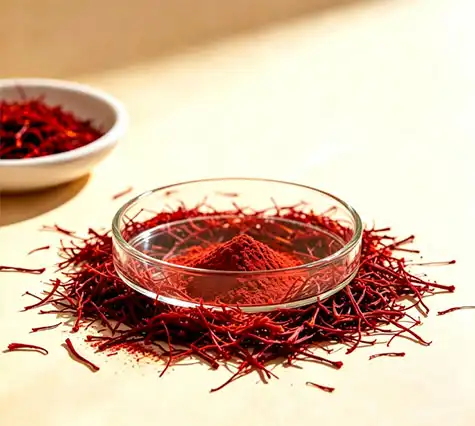
Saffron Extract Powder
Botanical Name: Crocus sativus L.
Plant Part: Stigma
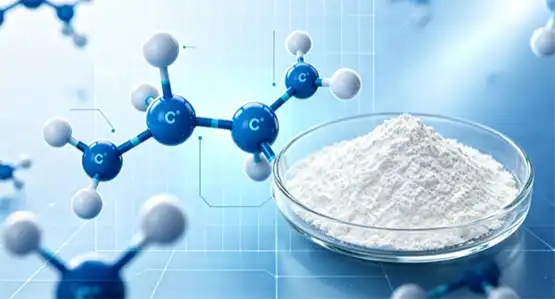
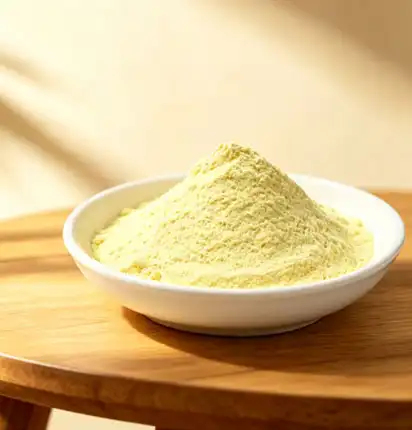
Appearance: Orange-red to dark red fine powder
Active Ingredients: Crocin, Safranal, Picrocrocin
Standardization: Crocin 1%–10% (customizable)
Test Method: HPLC / UV
Solubility: Water soluble (depending on specification)
Microbiological Standards: Complies with international standards

- Free Samples
- Quality Assurance
- 24/7 Customer Service
Product Introduction
Saffron Extract Powder Supplier | Crocus sativus Extract
Gold Herb supplies Saffron Extract Powder made from the stigma of Crocus sativus L. for dietary supplement, nutraceutical, functional food, and botanical formulations.
The ingredient is offered for B2B bulk sourcing, with specifications selected according to the required marker profile, application, analytical method, and order volume. Typical quality parameters for saffron-derived ingredients include crocin, picrocrocin, and safranal.
Manufacturers and ingredient distributors can request samples, product specifications, COA documentation, and bulk quotations before placing a commercial order.
Saffron Extract Product Specification
| Item | Details |
|---|---|
| Product Name | Saffron Extract Powder |
| Botanical Source | Crocus sativus L. |
| Plant Part | Stigma |
| Appearance | Fine Powder |
| Color | Yellow to Reddish-Yellow |
| Characteristic Markers | Crocin / Picrocrocin / Safranal |
| Analytical Method | HPLC / UV-Vis according to specification |
| Shelf Life | 24 Months |
| Storage | Cool, dry place; sealed and protected from light |
| Bulk Packaging | Foil Bag / Fiber Drum |
| Custom Packaging | Available according to order requirements |
Actual assay results and applicable specifications are confirmed by the batch COA.
Available Saffron Extract Grades
Saffron extract does not have to be defined by a single universal assay. Different manufacturers may require different marker combinations or analytical targets.
For this reason, the product specification can be discussed around:
Crocin content
Picrocrocin content
Safranal content
Extract ratio, where applicable
Analytical method
Physical requirements
Microbiological limits
Heavy metal limits
If your formulation has a fixed specification, send the target parameters when requesting a quotation. This makes it possible to evaluate the appropriate grade instead of comparing unrelated saffron products.

What Is Saffron Extract?
Saffron extract is obtained from the stigma of Crocus sativus L. through an extraction process.
The original botanical material contains several characteristic constituents. Extraction allows selected compounds to be transferred into an extract and concentrated according to the intended product design.
This is different from Saffron Powder, which is generally produced by grinding the dried botanical material.
For supplement manufacturers, the distinction matters because the two ingredients can have very different specifications, concentration, and formulation requirements.
Crocin, Picrocrocin and Safranal
Crocin
Crocin compounds are characteristic carotenoid-derived constituents found in saffron. Crocin is commonly used as one of the parameters when defining a saffron extract specification.
The reported value should always be considered together with the analytical method and reference standard used for testing.
Picrocrocin
Picrocrocin is a naturally occurring constituent associated with the characteristic bitter taste of saffron.
It can be included in the analytical profile when a broader characterization of the extract is required.
Safranal
Safranal is a volatile constituent associated with the characteristic aroma of saffron.
Since volatile compounds can be influenced by processing and storage, appropriate handling and analytical procedures are important when assessing this parameter.
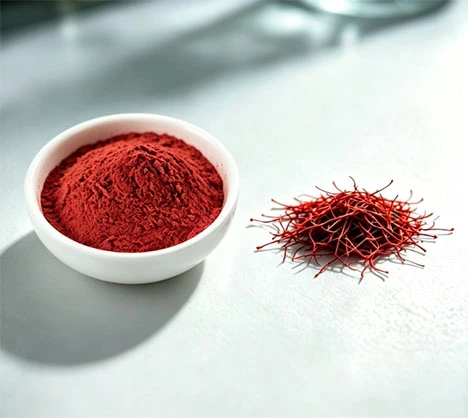
Saffron Extract vs Saffron Powder
The two ingredients should not be evaluated simply on a price-per-kilogram basis.
| Feature | Saffron Extract | Saffron Powder |
|---|---|---|
| Starting Material | Crocus sativus stigma | Crocus sativus stigma |
| Processing | Extraction | Milling |
| Composition | Depends on extraction and specification | Reflects the powdered botanical material |
| Standardization | Selected markers may be specified | Usually less standardized |
| Formulation | Suitable for defined extract specifications | Suitable where whole botanical powder is required |
| Purchasing Basis | Marker content, assay, COA | Identity, quality, raw-material characteristics |
For procurement teams, the more useful comparison is specification against specification, including assay method and actual batch results.
Quality Control and Batch Testing
Saffron is a high-value botanical, so quality assessment should address both composition and authenticity.
Depending on the product grade and buyer requirements, quality control may cover:
Botanical identity
Raw-material inspection
Appearance
Marker-compound testing
Moisture
Microbiological parameters
Heavy metals
Batch identification
Production traceability
Finished-product inspection
Laboratory Testing
Analytical testing should correspond to the specification being purchased.
For marker-based products, chromatographic testing such as HPLC may be used where applicable. Other parameters can be tested using the method specified for the relevant product requirement.
The COA provides the batch-specific results used for commercial quality verification.
Saffron Authenticity
Authenticity is an important part of saffron ingredient qualification because saffron is a relatively expensive botanical material.
A supplier evaluation may include:
Botanical verification
Confirm the stated species and plant part.
Characteristic-compound analysis
Review the profile of relevant saffron constituents.
Batch traceability
Ensure the supplied material can be linked to a defined production batch.
Documentation review
Check whether the quality documents support internal supplier approval.
Additional authenticity testing
Where required, further analytical testing can be considered according to the buyer's market and quality program.

Applications of Saffron Extract Powder
Depending on the product specification and applicable regulations, saffron extract may be used in:
Dietary supplements
Nutraceutical formulations
Botanical capsules
Tablets
Powdered supplement blends
Functional food products
Botanical beverage formulations
Multi-ingredient botanical products
The appropriate grade should be selected based on the finished formula rather than simply choosing the highest advertised assay.

Saffron Extract Manufacturer & Bulk Supplier
For commercial sourcing, buyers generally need more than a product name and price.
A quotation request can include:
| Requirement | Information to Provide |
|---|---|
| Product | Saffron Extract Powder |
| Target Specification | Marker / assay requirement |
| Testing | Required analytical method |
| Application | Finished-product use |
| Quantity | Sample / Trial / Bulk |
| Packaging | Preferred bulk format |
| Destination | Import country |
| Documentation | COA / TDS / MSDS / Other |
This information helps align the proposed material with the customer's formulation and purchasing requirements.
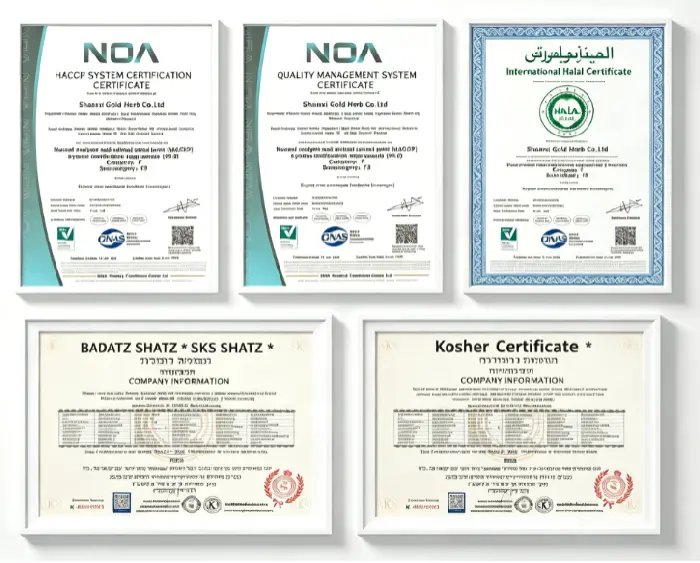
Sample Evaluation Before Bulk Purchase
A sample is useful when a saffron extract is being considered for a new formula or supplier qualification program.
The evaluation may involve:
Physical inspection
Laboratory testing
Formulation trials
Documentation review
Packaging assessment
Once the specification has been approved, the same requirements can be applied to subsequent commercial batches.
Packaging and Storage
Standard bulk packaging can include foil bags and fiber drums.
The packaging should protect the powder from excessive moisture and light during normal storage and transportation.
Store the product in a cool, dry environment with the container properly sealed. Detailed storage requirements should follow the applicable product specification and batch documentation.

FAQ
What is the source of Saffron Extract Powder?
The raw material is the stigma of Crocus sativus L.
What is the difference between saffron extract and saffron powder?
Saffron powder is generally ground dried saffron material. Saffron extract has undergone extraction and may be prepared to meet a defined marker specification.
What are the main saffron markers?
Crocin, picrocrocin, and safranal are characteristic compounds commonly considered in saffron quality assessment.
Can you supply standardized Saffron Extract?
Specifications can be discussed according to the required marker, assay, analytical method, and intended application.
Do you offer different grades?
Available grades depend on the actual product portfolio and project requirements. Buyers can provide their target specification for confirmation.
What testing method is used for crocin?
The applicable method depends on the agreed product specification. HPLC may be used for marker analysis where applicable.
Can I get a Saffron Extract sample?
Yes. Samples can be arranged for formulation testing and supplier evaluation.
Can you provide a Saffron Extract COA?
Yes. A batch-specific Certificate of Analysis can be supplied according to the applicable commercial specification.
Is bulk Saffron Extract available?
Yes. Commercial quantities can be discussed according to specification, order volume, packaging, and destination.
Can packaging be customized?
Packaging requirements can be reviewed for commercial orders.
How can I request a quotation?
Send the required specification, intended application, quantity, destination country, and documentation requirements.
Request Saffron Extract Sample or Bulk Quote
Looking for a Saffron Extract Supplier for a supplement, nutraceutical, or botanical formulation?
Send Gold Herb your target specification and purchasing details.
We can review requirements for Saffron Extract Powder, arrange sample evaluation, provide applicable quality documentation, and discuss bulk supply and packaging.
Email: info@newgoldherb.com
Send Inquiry