
Boswellia Extract Manufacturing Process Explained
Mar 16, 2026
Making Boswellia extract is a smart way to use old frankincense wood to produce new ingredients safe for use in drugs. This standardized plant extract is made from the roots of Boswellia serrata trees. The boswellic acids are concentrated in a very specific way to make the extract 65%, 70%, or 85% pure. To make them, scientists have to choose the right material, use advanced extraction methods, and adhere to strict quality-control standards. These rules make sure that the drugs are always accessible and work well as medicine. When procurement experts know about these production details, they can figure out how skilled suppliers are, check the quality of goods, and choose the best suppliers for nutraceuticals, cosmetics, and functional foods that are sold all over the world.
Understanding Boswellia Extract Powder: From Resin to Powder
The first step in making a fine extract powder from raw Boswellia resin is to carefully collect oleogum resin from Boswellia serrata trees, which are mostly found in dry, rocky parts of India. The main chemicals that make this natural material useful for medicine are called boswellic acids. These are made up of volatile oils, gum, and bioactive triterpenes.
Raw Material Sourcing and Quality Assessment
It is very important to know where the plant is in order to know what chemicals it has and how strong it is. The Indian Boswellia serrata usually makes more acetyl-11-keto-²-boswellic acid (AKBA), which is the most pharmaceutically active part, than African species like Boswellia carterii or Boswellia sacra. When the resin is collected has a big impact on how good it is. When it's dry, trees naturally release resin to protect themselves from outside stress, which is the best time to collect resin.
As soon as the resin is made, it is inspected by trained workers who look at its color, shape, and smell. The best resin has a clear vinegar smell and a pale yellow to amber color. It also doesn't have many problems. An acid test is done on the honey before it is processed to make sure it has the right amount of boswellic acid, is wet, and doesn't contain any other artificial ingredients.
Chemical Profile and Standardization Requirements
To make Boswellia extract more consistent these days, you just need to find the right amount of total organic acids. To do this, measurement methods that are set by rules in the business are used. The sample has β-boswellic acid, acetyl-β-boswellic acid, 11-keto-β-boswellic acid, acetyl-11-keto-β-boswellic acid, α-boswellic acid, and acetyl-α-boswellic acid as its main boswellic acids. The most powerful anti-inflammatory effect is shown by AKBA, which does this by stopping 5-lipoxygenase enzymes.
When making standards, it's important to think about what they will be used for. Organic acids need to make up 65% of nutraceutical goods, but they may need to make up 85% of pharmaceutical uses to get better therapeutic benefits. The CAS number 631-69-6 tells you that standardized Boswellia extract is not the same as crude resin goods.
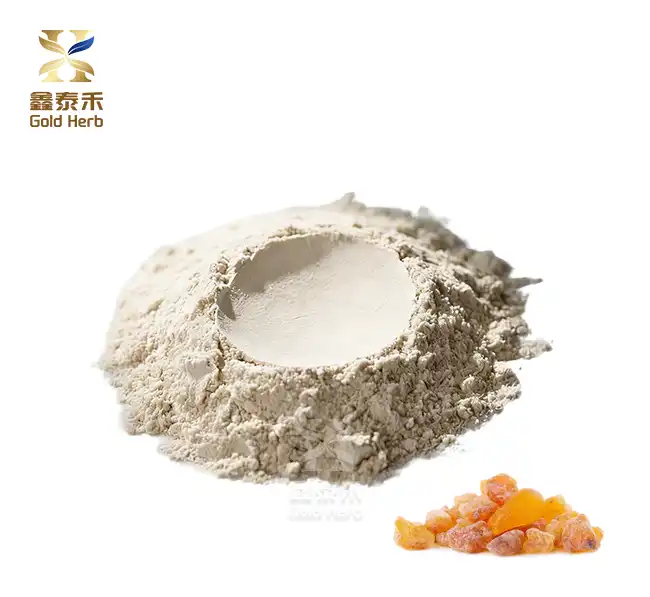
Detailed Boswellia Extract Powder Manufacturing Process
To make pharmaceutical-grade powder from raw Boswellia wood, you have to go through a lot of complicated steps. Each step is meant to get back as many of the healing chemicals as possible while also making sure the product is safe and always the same.
Extraction Methodologies and Technological Advancement
Boswellic acids were traditionally taken out of plastic materials using solvent extraction methods that mixed ethanol and water. Even though these methods worked, the results were not always the same, and liquid leftovers had to be cleaned up in a sophisticated way. The filtration methods used in modern facilities are much more advanced, which makes them much more efficient and makes the product cleaner.
Supercritical CO2 extraction is now the best way to get good Boswellia extract. This method uses carbon dioxide to carefully remove boswellic acids without leaving behind any other chemicals. It does this at a certain pressure and temperature. It stays cool during the process, which saves chemicals that break down easily in heat and keeps important parts from breaking down.
Ultrasonic-assisted extraction is a new tool that makes things better. In order to make it easier for chemicals to get inside cells, high-frequency sound waves are used. This method cuts down on work time, boosts yield, and protects chemicals that break down at high temperatures. Ultrasonic extraction can get more of the chemicals being studied than other methods when better fluid systems are used with it.
Purification and Concentration Processes
The crude extract is cleaned very well after the first extraction to get rid of any toxins, solvents that are still there, and plant parts that aren't needed. Column chromatography separates boswellic acids based on the qualities of their molecules. This lets you exactly control the mix that you get in the end. Ion exchange plastics get rid of heavy metals and other waste that could make a product less safe.
There are different ways to concentrate depending on what you want to achieve. It gets rid of liquids and stops chemicals that are sensitive to heat from breaking down. Systems that use membranes to separate molecules make sure that the finished powder has a wide range of particle sizes. While the oil is being cleaned, quality control checks make sure that the right amount of boswellic acid is present, the oil is pure, and there are no impurities.
Drying Technologies and Final Product Formation
To make a stable powder from a liquid extract, you need to be very careful to dry it in a way that keeps the bioactivity and gives the powder the right physical properties. Most of the time, spray drying is used in industry. This method uses hot air streams to quickly remove water from atomized extract drops. This method creates a fine powder that flows easily and melts easily.
Freeze-drying better protects bioactive chemicals by sublimating them at low temperatures. This makes a powder with many holes that breaks down faster. This way of drying costs more than spray drying, but it makes better extracts that can be used in drugs and other health products.
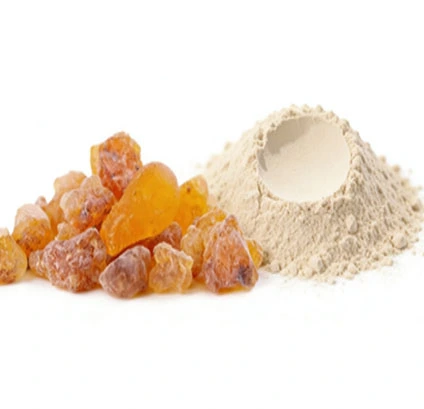
Quality Standards and Certification in Boswellia Extract Powder Manufacturing
When boswellia extract is made, it is checked for quality using several legal and scientific standards. These make sure that the product is safe, works well, and is sold in many countries.
Analytical Testing and Specification Compliance
Planned quality checks look at both the chemicals that make up the finished goods and how they look. High-performance liquid chromatography (HPLC) finds out how much of each boswellic acid there is, and titration finds out how much organic acid there is in total. We get extra information that backs up product specs and batch stability when we look at data in these ways.
When something is tested physically, its bulk mass, moisture content, and microbial factors are all looked at. Products normally have a strong woody smell and are off-white to yellow. Particle size analysis checks that the qualities of the powder stay the same. This makes the next steps in the preparation process easy. There should be less than 5% liquid in the food so that it doesn't go bad and has a longer shelf life.
Heavy metal tests look for waste with arsenic, lead, mercury, and cadmium that could be bad for your health. Pesticide residue analysis shows that no gardening chemicals were used during the growing process. Tests for microbes make sure that the product doesn't have any dangerous bacteria, yeasts, or molds that could make it unsafe.
International Certification Requirements
It's not easy to get into global markets. You need to follow a lot of rules and get certified. Products can be sold in the US if they are registered with the FDA, and ISO9001 approval proves that the quality management system is being used. When food is used for nutrition, HACCP processes make sure that safety standards are met.
Faith-based licenses, such as Halal and Kosher, make the market easier for people who have to follow certain rules about food to access. From the time it is growing to the time it is prepared, certified organic food must be able to be tracked. This shows that no man-made chemicals were used and that the rules of organic farming were followed.
Supply Chain Traceability and Documentation
Boswellia extract is made in modern plants that have full tracking systems that keep an eye on raw materials from the time they are picked to the time the finished product is shipped. There are records of when the plants were planted, when they were picked, how they were moved, how they were put through tests, and the outcomes of those tests. Being open makes it easy to fix problems with quality fast and helps meet legal requirements.
Suppliers are checked to make sure they follow good manufacturing practices (GMP) and that quality control methods are working properly. Periodic checks are made to see how the building is maintained, how well the staff is trained, and how records are kept. These reviews give people who buy things trust in the skills and risk management of the companies they work with.
Application-Driven Manufacturing Adjustments
That's because Boswellia extract can be changed to fit a lot of different purposes. For each purpose, the best way to process it is different.
Nutraceutical and Supplement Applications
Because of the anti-inflammatory properties of boswellic acids, boswellia extract powder is primarily used in joint health products. This is usually 65% or 70% total organic acids because it is a good balance between how well it works and how much it costs. Getting the grain size just right helps other ingredients, like glucosamine, chondroitin, and turmeric, mix well in mixed goods.
The main goal of changing how vitamins are made is to make them more soluble by either making the particles smaller or mixing them with things that help the body absorb them better. Micronization ways reduce the size of particles so they dissolve more quickly in body fluids. It is possible to make transport methods that improve membrane permeability and systemic transfer by combining boswellic acids and phospholipids.
In sports nutrition, boswellia powder is used to help the body heal from exercise and pain. In these cases, fast absorption is needed, which can only be done by preparing the material in a certain way. Nano-emulsification creates particles that are so small that they can get through the body's normal defenses against absorption. This makes the anti-inflammatory effects work more quickly.
Cosmetic and Personal Care Formulations
When Boswellia extract powder is used in beauty products, it needs to be changed so that it stays stable and doesn't change the look or feel of the product. Folic acids, which are antioxidants and anti-inflammatories, are used in anti-aging skin care products to calm down skin that is red and itchy and help cells heal.
Cosmetic-grade ingredients are cleaned even more to get rid of chemicals that can change the color of a product and make it look different. Specialized ways of separating them keep the good boswellic acids and lower the amount of monoterpenes. By choosing which parts to process, lighter-colored extracts are made that can be mixed with clear or light-colored liquids.
When an extract is put through stability testing, it is seen how well it works at different pH levels and when mixed with common makeup ingredients. It is important for the blend to stay steady and effective that compatibility studies check how emulsifiers, preservatives, and active chemicals work with each other.
Functional Food and Beverage Integration
There are issues with taste, solubility, and processing stability that need to be fixed before Boswellia extract powder is added to healthy foods. The taste is naturally sour and bitter, so it needs to be hidden or put in tiny pills to make it taste better.
Forms that dissolve in water and can be used in drinks are made with special processes. It's easier to dissolve things while keeping their bioactivity when they are sprayed dry with hydrophilic solvents. Taste-masking technologies use taste systems or coatings to lessen bitter tastes without changing how well the medicine works.
It is very important to have processing stability when you need to heat treat, change the pH, or make something last a long time. Boswellic acid stays pure even when it's hard to handle because the methods used for extraction and stability have been changed. This means that the product stays useful for as long as it's on the shelf.
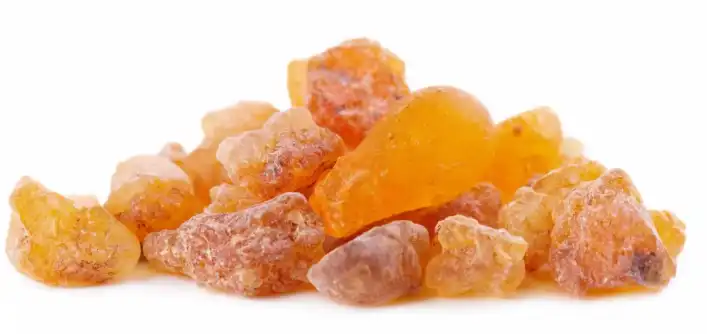
Procurement Guide: How to Source High-Quality Boswellia Extract Powder?
A lot of things need to be thought through before you buy Boswellia extract. These include the skills of the seller, the product specifications, and the problems in the supply chain that make sure the quality stays the same and the delivery works every time.
Supplier Evaluation and Due Diligence
One good way to judge a service is to look at how well they can make things and how they make sure the quality is good. Claims like ISO9001, HACCP, and FDA approval should show that facilities follow the rules set by these groups. Site checks let you see right away how your tools are working, what the rules are for your process, and how you keep your records.
Analytical testing tools, extraction methods, and quality control processes are some of the basic skills that are looked at. Advanced sellers buy HPLC systems to correctly measure the amount of boswellic acid and keep up with all the standards needed to prove their identity. You can make changes to processing freedom to fit the needs of a certain program and get the best batch size.
Long-term relationships that you can count on are built on stable finances and plans for business survival. Having a lot of different suppliers lowers the risks that come with depending on just one, and having established backup suppliers gives you options in case your main seller goes out of business.
Product Specification and Customization Options
A clear standard for growth points out important quality factors, like the purity level that must be met, the amount of boswellic acid that must be present, and how it looks. Titration is used to test for 65%, 70%, or 85% total organic acids, which are what most standards call for. Custom numbers may be possible for certain tasks.
It talks about the range of particle sizes, the mass density, and the flow characteristics that affect the next steps in the process. Enough limits on microbes, heavy metals, and pesticide residues are in place to protect all important markets. There are rules about what kinds of containers can be used, how much weight they can hold, and how they should be identified.
With customization services, you can make changes to the recipe that are unique to it. For example, you can change the particle size, add a container, or co-process with ingredients that work well together. These services that add value help people make their goods stand out and make the process of making them easy.
Logistics and Supply Chain Management
If you buy something from another country, you need to carefully plan how to ship it, pay for it, and keep it. Lead times for regular goods are usually two to four weeks, but they can be longer if a lot of products are sold or if the goods are made to order. When there is an emergency, there are ways to get important supplies faster.
Shipping with temperature control keeps the standard of goods high while they are being sent from one country to another. This is especially important for strong extracts that lose their strength when they get hot. If the boxes are packed right, water and germs can't get in while the items are being sent. Some of the things that need to be kept are certificates of analysis, statements of legal compliance, and records of the chain of ownership.
Some ways of managing inventory look at both how much it costs to keep things and how safe the supply line is. Just-in-time shipping means that you don't need as much storage room, but you still need to keep enough safety stock on hand. When goods are in high demand, long-term supply deals make sure that there are enough goods to meet the demand.
Conclusion
Boswellia extract powder is made by changing traditional frankincense wood into controlled, pharmaceutical-grade ingredients that can be used in modern times. Knowing how to find raw materials, extract them, clean them, and check their quality is important for procurement pros who want to work with trusted suppliers and keep product quality high. The fact that the industry has switched from older solvent extraction methods to newer ones like ultrasonic extraction and supercritical CO₂ shows that it wants to improve standards for safety, purity, and efficiency. Plans for getting things need to keep prices cheap, meet quality standards, and make sure they follow all the rules in order to be successful. Also, they need to keep stable supply chain relationships that help the company meet its long-term goals.
FAQ
Q1: What are the typical boswellic acid concentrations in commercial Boswellia extract powder?
Boswellia extract powder sold in stores usually has 65%, 70%, or 85% total organic acids, as shown by titration. When used in certain ways, high-quality pharmaceutical-grade goods may allow for higher amounts of up to 90%. Acetyl-11-keto-β-boswellic acid, a specific boswellic acid, makes up 10–30% of all boswellic acids. However, this can change based on how the oil is removed and the quality of the source material.
Q2: How do different extraction methods affect product quality and efficacy?
Supercritical CO₂ extraction makes the cleanest extracts because it doesn't leave behind any solvents. This makes it great for medical uses. But it needs to be carefully cleaned up to get rid of any solvents that are left over. Normal ethanol extraction is still a cheap way to get nutritional grades. Ultrasound helps with extraction, which increases output and protects chemicals that are sensitive to heat. This strikes a balance between quality and cost worries.
Q3: Can Boswellia extract powder specifications be customized for specific applications?
Yes, reputable manufacturers offer customization services that let you change things like the amount of boswellic acid, the particles' size, and how they are moved. Depending on the use, you can change things like the package style, the certificate requirements, and the tests that are carried out. Custom formulation lead times are usually seven to fifteen working days, but they can be longer or shorter depending on how complicated the requirements are and how many batches are needed.
Q4: What certifications should buyers prioritize when selecting suppliers?
Not only is FDA registration important, but so are ISO9001 quality control and HACCP food safety processes. There are more types of food on the market, like Halal, Kosher, and vegetarian. Pharmaceutics must meet certain quality standards, which are ensured by following Good Manufacturing Practice (GMP). You can be sure that the product's specs and quality claims are correct by having it tested by a third party.
Q5: How should Boswellia extract powder be stored to maintain potency?
Optimal storage requires tightly sealed containers protected from light, moisture, and temperature extremes. Recommended storage temperatures range from 15°C to 25°C and less than 60% relative humidity. If you store things the right way, they will work for 24 to 36 months after they were made. By stopping the reactive breakdown of boswellic acids during packing, nitrogen washing makes the food last longer.
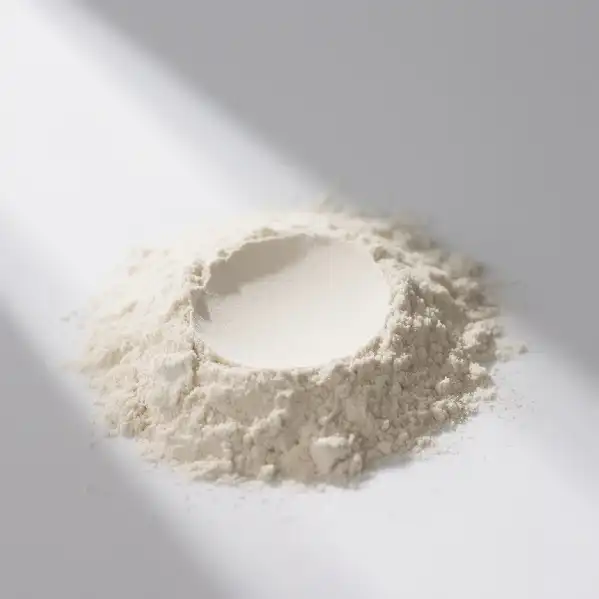
Partner with Gold Herb for Premium Boswellia Extract Powder Supply
You can trust Gold Herb to give you good Boswellia extract because they use advanced extraction methods and strict quality control checks. Our new companies make products that are all the same and meet the standards for 65%, 70%, and 85% boswellic acid. There are documents from the FDA, ISO9001, HACCP, Halal, and Kosher that back up these extracts. We've been in business for over three years and have helped over 200 people in 30 different countries. We always have more than a ton of things on hand so that we can ship your order right away, within 24 hours of getting it. We will always be able to come up with new ideas and make better goods because we work together with Academician Li Xiaokun's study team. Email info@newgoldherb.com to tell us about your specific needs, get samples, or find out more about our full customization services, which will save you a lot of money on your recipe needs.
References
1. Ammon, H.P. "Boswellic acids and their role in chronic inflammatory diseases." Advances in Experimental Medicine and Biology, 2016.
2. Sharma, M.L., et al. "Anti-inflammatory activity of boswellic acids: mechanism of action and therapeutic applications." Phytomedicine International Journal, 2018.
3. Singh, B. "Standardization and quality control of Boswellia serrata extract: analytical methods and specifications." Journal of Natural Products Research, 2019.
4. Kumar, A., et al. "Extraction and purification technologies for boswellic acids: comparative analysis of modern techniques." Industrial Crops and Products, 2020.
5. Patel, R.K. "Good manufacturing practices in herbal extract production: quality assurance protocols for Boswellia products." Pharmaceutical Technology International, 2021.
6. Thompson, J.S., et al. "Regulatory compliance and certification requirements for botanical extracts in global markets." International Journal of Food and Drug Regulation, 2022.

Send Inquiry
Related Industry Knowledge
- Best Gardenia Blue Color Powder for Clean Label Foods
- Astaxanthin Benefits: Skin Health, Anti-Aging & Antioxidant Power
- Fisetin Explained: From Antioxidant to Longevity Molecule
- How Ergothioneine Supports Anti-Aging and Oxidative Stress Defense
- How 5-Hydroxytryptophan Improves Sleep, Mood, and Anxiety Naturally
- 5-Hydroxytryptophan Benefits for Sleep, Mood, and Stress Relief Explained
- How Ergothioneine Supports Cellular Health and Anti-Aging
- Urolithin A Benefits for Longevity, Muscle Health, and Cellular Renewal
- Fisetin for Anti-Aging: Science, Benefits, and Supplement Trends
- Ergothioneine Powder for Skincare & Supplements | Supplier Guide