
Does Resveratrol Powder whiten skin?
Jun 11, 2026
Resveratrol is popular in skin care products because it may brighten skin. High-purity trans-resveratrol may decrease melanin synthesis by inhibiting tyrosinase and activating antioxidant pathways, or it may directly "whiten" the skin. White Resveratrol Powder, a refined, high-purity extract from Polygonum cuspidatum bark, gives formulators a stable, colourless option for clean-label cosmetic and nutraceutical purposes. It fights harmful stress and evens skin tone, making it a wonderful raw ingredient for natural beauty and health products.
Understanding White Resveratrol Powder and Its Skin Brightening Mechanisms
What Makes White Resveratrol Different from Other Forms?
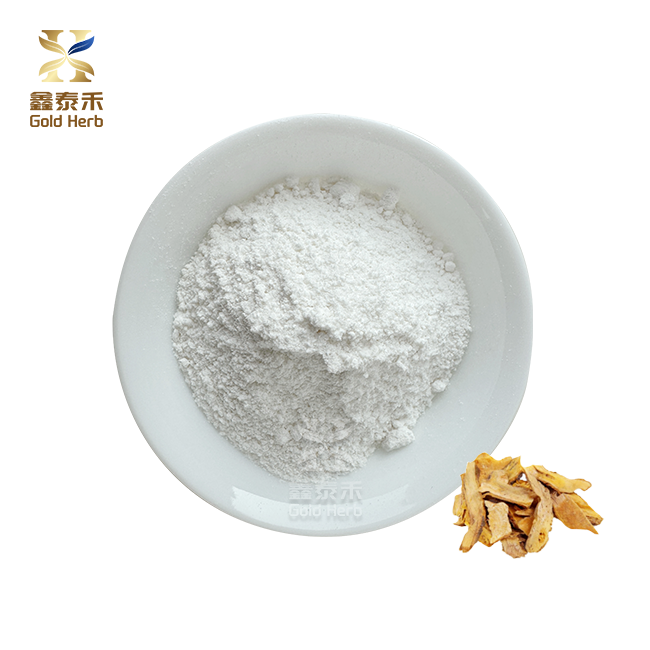
The "white" resveratrol extract is pure and looks like it. Poor extracts include plant compounds, including anthraquinones and chlorophyll, making them brown or yellow. High-purity resveratrol powder is white to off-white. Cosmetic makers need visual clarity to prevent serums, creams, and lotions from becoming unwanted colours. Our product standards include 50% and 80% dried resveratrol assays. HPLC checks batch uniformity, which is critical for B2B customers who value quality.
The active molecule is trans-resveratrol (CAS 501-36-0). Two isomers exist: trans and cis. The trans arrangement has superior biological activity and thermal stability and retains its strength throughout preparation and storage if kept dark. This stability eliminates a major challenge cosmetics chemists have with light-sensitive antioxidants.
Scientific Basis for Skin Tone Modulation
Resveratrol alters skin colour in many ways, not simply via whitening. It regulates tyrosinase, a melanin-producing enzyme, according to studies. Resveratrol reduces tyrosinase activity, preventing melanin synthesis and skin discolouration.
Resveratrol's antioxidant properties prevent ROS damage and inflammatory melanogenesis. Melanocytes produce too much pigment to defend against oxidative damage from UV rays, pollution, and metabolism. A more even skin tone results from resveratrol capturing free radicals and stopping this chain reaction.
Clinical studies have shown promising results, but procurement personnel should know that most peer-reviewed research uses controlled in vitro or animal models. In human experiments, resveratrol coupled with other active substances affects skin tone and shine. Based on the target market, authorities may need to carefully analyse "whitening" claims alone.

Key Benefits and Uses of White Resveratrol Powder in Skincare Formulations
Antioxidant Protection and Anti-Ageing Performance
The chemical is used in many anti-ageing treatments because it eliminates free radicals. Resveratrol activates SIRT1 genes, which repair DNA and make cells stress-resistant. These mechanisms reduce fine wrinkles, improve skin flexibility, and improve barrier function.
Resveratrol's capacity to halt and repair damage makes it a compelling marketing story for B2B clients producing high-end skin care products that fulfil consumer demand for natural, science-backed actives. The substance works well with peptides, hyaluronic acid, and vitamin C in multipurpose products for elderly or stressed skin.
Supporting Even Skin Tone and Brightness
Resveratrol is recognised to brighten and reduce discolouration; "whitening" is regulated in many countries. The vitamin reduces post-inflammatory hyperpigmentation, age spots, and UV damage by preventing melanin production.
Resveratrol lightens skin more gently than chemical lighteners, making it suitable for delicate skin. Companies that provide natural exfoliants or hydroquinone alternatives have greater market potential due to this safety profile. Resveratrol improves skin tone without irritating it when blended with 0.5% to 2% other substances and applied topically.
Versatility Across Product Categories
White Resveratrol Powder has benefits beyond beauty. Functional beverages, cosmetic supplements, and health products may utilise it. The substance promotes natural beauty approaches that combine antioxidants in the body with skin care.
For slowing ageing, protecting the heart, and maintaining metabolism, resveratrol tablets or capsules are popular. It is utilised in sports diets because its anti-inflammatory properties may help muscles recover after activity and feel less painful. Inventory's cross-category adaptability benefits producers and distributors that service many markets.
White Resveratrol Powder vs Other Resveratrol Products: What B2B Buyers Need to Know
Purity Grades and Colour Impact on Formulations
Procurement decisions depend on cleanliness requirements. Standard 10–50% resveratrol plant extracts include natural colourants, thus they can't be utilised in colour-sensitive formulations. As purity increases from 50% to 98%, contaminants are eliminated. Ultra-refined grades provide high-end cosmetics with the ideal white effect.
Colour affects recipe complexity and cost. Darker extracts need covering agents or opaque packaging, which increases manufacturing costs and restricts texture options. Cosmetic formulators can only make clear serums, light gels, and coloured cosmetics using high-purity white powders.
In addition to appearance, clarity affects efficacy. For label claims and regulatory compliance, 98% pure resveratrol allows you to offer the proper dosage with minimal additives. Buyers should consider product cost versus recipe demands. Mid-range purities like our 50% and 80% work well in many settings and are affordable.
Powder Versus Other Delivery Formats
Pills, liquid solutions, and complexes contain resveratrol. Raw powder provides B2B customers the greatest formulation possibilities since they may adjust the amount and test it with their own ingredient systems.
Powder format provides superior shelf durability when stored away from light in well-sealed boxes. This stability reduces breakdown waste and facilitates lengthier product development procedures than pre-formulated liquids, which may have shorter work windows.
Bioavailability makes certain forms superior for oral usage. Micronised goods with optimised particle sizes dissolve faster in the digestive system, improving absorption. Though superior, liposomal or complexed versions are more costly. Normal high-purity powder is cheaper for most corporate needs.
Quality Assurance and Authentication Standards
Products are altered with, and purchasers are offered bogus purity levels in the resveratrol industry. Third-party testing and thorough analytical reports demonstrating purity, heavy metals, microbiological counts, and residual solvents are required to verify the source.
Our FDA registration, ISO9001, HACCP, HALAL, and Kosher credentials demonstrate our commitment to quality. These credentials provide companies with trust in regulated marketplaces with tight documentation requirements and severe financial and reputational penalties for violations.
Buyers should qualify suppliers with site audits, manufacturing process evaluations, and continuing quality checks. We provide test samples to ensure formulation compatibility before bulk purchases. This reduces the need for costly formulation adjustments.

Sourcing White Resveratrol Powder: Procurement Insights for B2B Clients
Navigating the Supply Chain Landscape
Finding suppliers with the correct blend of technical expertise, legal compliance, and reliable transportation is the first step to effective procurement of White Resveratrol Powder. There are several manufacturers worldwide, from large-scale to specialised extract companies. Each provides unique pricing, customisation, and service perks.
Direct manufacturer connections are cheaper and more transparent than multi-tier distribution lines. Vertical integration, which combines university-based scientific knowledge with global raw materials, delivers demanding B2B customers fresh ideas and reliability.
Shipping destinations affect lead times and pricing. By retaining inventory in target markets like our US warehouses, suppliers may reduce shipping delays from weeks to days, supporting just-in-time production and freeing up working capital for pipeline inventory.
Pricing Structures and Volume Economics
Resveratrol prices vary according on purity, supplier, and quantity. Low-cost entry-level extracts (10–50% purity) are excellent for mass-market goods. However, pharmaceutical-grade materials are costly since they need several procedures to be pure.
Our 50% and 80% assays deliver clinical-level performance at affordable pricing for new and existing brands, decreasing formulation costs. Volume savings are important for purchases above a specific number of tonnes, but our standard standards enable smaller purchasers to acquire professional-grade materials without a minimum order amount.
Procurement managers should consider the whole landed cost, including shipping, taxes, and storage costs, rather than per-kilogram rates. Suppliers that provide bundled shipping, customs assistance, and flexible arrival periods more than offset tiny price increases.
Critical Certifications and Supplier Verification
Quality paperwork is the basis of buying that follows the rules. Current Good Manufacturing Practices (GMP) approval, organic certifications when needed for clean label placement, and market-specific registrations like FDA establishment registration for U.S. sales are all important certifications.
The testing procedures should ensure the product's identity using spectroscopic methods like HPLC (our normal test method), that it doesn't contain any contaminants like heavy metals or chemical residues, and that it is safe for microbes. Each batch comes with a Certificate of Analysis (CoA), which is needed for regulatory checks and to protect the business from product risk.
The practical track record of a supplier is just as important as the documents it provides. References from past clients, a good name in the industry, and quick responses to technical questions are all signs of the quality of the relationship that buyers can expect. Our customer base of more than 200 clients in 30 countries shows how trustworthy we've become by providing consistent quality delivery and expert help.

How to Use White Resveratrol Powder Safely and Effectively in Your Products
Formulation Guidelines for Cosmetic Applications
Topical resveratrol mixtures usually have an active content of 0.5% to 3% to get the best combination of effectiveness and cost-effectiveness. Because the substance is lipophilic, it dissolves easily in oil phases but needs solubilisers to work in water phases. Some common methods are dissolving in propylene glycol, ethanol, or custom surfactant systems that keep the ingredients stable while getting the shape you want for the result.
It is very important to think about pH. Resveratrol stays stable best in slightly acidic to neutral formulations (pH 4–7), which are also pH ranges that are good for the skin. Formulation chemists should do fast stability tests in high-light and high-heat conditions to make sure the product is photostable and stop degradation that hurts both its effectiveness and its look.
Ingredient combos make things work better and let you use smaller amounts while still getting the benefits. Resveratrol works really well with other flavonoids, vitamins C and E, and ferulic acid to make powerful antioxidant systems. When these things are put together, they have additive or synergistic effects that back marketing claims and explain placing a product as a premium item.
Dosage Standards for Nutraceutical Products
The daily amount of oral supplements is usually between 100 mg and 500 mg, though higher doses are used in clinical studies. Our powder specs allow for accurate doses in capsule, tablet, and sachet forms. The 50% and 80% assay grades let formulators figure out the exact amount of active ingredient in each dose, which makes sure that the description is correct and that the companies follow the rules.
Some ways to improve bioavailability are to mix resveratrol with piperine (black pepper extract), add healthy fats that help absorption, or use micronised particles that help dissolve faster. These methods get around the compound's naturally low bioavailability, making the product more valuable to customers.
Different countries have different rules about how to regulate things. For example, in the US, resveratrol is regulated by the FDA as an ingredient in dietary supplements, but in Europe, there may be limits on dose or reporting needs. Buyers should check the rules in the target market and make sure that the formulas meet the regional standards for naming and classifying products.
Storage and Stability Optimisation
For White Resveratrol Powder to stay active throughout the supply chain and the product's shelf life, it must be stored properly. Because the substance is photosensitive, our standards say that it must be stored in its original, tightly sealed cases that are kept out of the light. Controlling the temperature in cool, dry places stops wetness from absorbing and stops heat from breaking down.
The choice of packing material affects stability. For example, dark HDPE or amber glass cases protect against light better than clear packaging. When it comes to finished goods, airless vending systems keep them from coming into contact with oxygen, which speeds up oxidation. This is especially important for natural products that don't have any artificial stabilisers.
The amount of resveratrol should be checked during stability tests over the product's planned shelf life, both in the way it should be stored and when it is put through accelerated stress. When goods are made correctly, they usually stay stable for 18 to 24 months, which is long enough for business distribution outlets. Documenting stability data helps government submissions and gives customers faith that the quality of the product will be maintained.
Conclusion
The proof for resveratrol's ability to make skin lighter shows that it is a chemical with real promise that is based on antioxidant processes and melanogenesis modulation rather than harsh bleaching action. When deciding if an ingredient fits into a product line, it's important for B2B sourcing pros to know the difference between marketing hype and scientific evidence. White Resveratrol Powder can be used in a variety of beauty and nutritional products. Its white color and stability make it ideal for making high-quality natural products. To be successful, you need to choose suppliers who offer both quality assurance through tests and certifications and expert help that speeds up the development of new formulations. As the need for natural ingredients backed by evidence keeps growing, resveratrol, when placed correctly, can be a smart investment for brands that care about safety and effectiveness.
FAQ
1. Can resveratrol truly lighten skin pigmentation in commercial products?
Instead of whitening the skin, resveratrol changes the colour of your skin by stopping tyrosinase from working and increasing antioxidant activity. There is clinical proof that using effective amounts (usually 1% to 2% topically) regularly can make skin brighter and less hyperpigmented. The effect builds up over time, and it works best when combined with sun protection and other active ingredients in full whitening routines. To be in line with scientific proof and regulatory standards across markets, brands should market their goods with claims like "supports even tone" or "enhances radiance" instead of harsh whitening language.
2. What should procurement teams prioritise when evaluating resveratrol suppliers?
Important things to look for in a review are proof of purity through HPLC testing, full certifications that fit the target market (GMP, organic, FDA registration), and stability data to back up the claimed shelf life. Before placing large orders, try a sample to make sure that it is compatible with current formulations and that there are no contaminants. Responding quickly to supplier requests and being able to provide technical help are signs of a good relationship, and references from past customers confirm the supplier's trustworthiness. Logistics skills, such as being able to move goods and make orders of different sizes, allow for flexible production plans and limited operating capital.

Partner with Gold Herb for Premium White Resveratrol Powder
Shaanxi Gold Herb is a reliable source for White Resveratrol Powder because they have strict quality standards and are willing to work with you on technical issues. Our FDA, ISO9001, HACCP, HALAL, and Kosher certifications show that we are committed to international standards, and our 50% and 80% test options give you more freedom in formulating for a wide range of uses. With the help of Academician Li Xiaokun's team and the study tools at Wenzhou University, we provide not only raw materials but also the technical knowledge that speeds up the development of successful products. We meet all of our customers' B2B needs, from new brands to well-known makers. Our maintained U.S. stock inventory allows for shipping in 3–5 days, and our customisation services can meet the specific formulation needs of each customer. Email us at info@newgoldherb.com to get samples, talk about technical details, or find out how our White Resveratrol Powder can help your natural beauty and health products stand out in a market that is already very competitive.
References
1. Baxter, R.A. (2008). "Anti-ageing properties of resveratrol: review and report of a potent new antioxidant skin care formulation." Journal of Cosmetic Dermatology, 7(1), 2-7.
2. Jiang, Y., Dai, M., Nie, W.J., Yang, X.R., & Zeng, X.C. (2017). "Effects of resveratrol on melanin synthesis and tyrosinase activity." Journal of Cosmetic Science, 68(3), 187-194.
3. Kim, E.N., Firm, J.H., Kim, M.Y., & Ban, T.H. (2018). "Resveratrol, an Nrf2 activator, ameliorates ageing-related progressive renal injury." Ageing, 10(1), 83-99.
4. Ndiaye, M.A., Philippe, C., Mukhtar, H., & Ahmad, N. (2011). "The grape antioxidant resveratrol for skin disorders: Promise, prospects, and challenges." Archives of Biochemistry and Biophysics, 508(2), 164-170.
5. Panich, U., Sittithumcharee, G., Rathviboon, N., & Jirawatnotai, S. (2016). "Ultraviolet radiation-induced skin ageing: The role of DNA damage and oxidative stress in epidermal stem cell damage-mediated skin ageing." Stem Cells International, 2016, 7370642.
6. Zhu, W., Qin, W., Zhang, K., Rottinghaus, G.E., Chen, Y.C., & Kliethermes, B. (2012). "Trans-resveratrol alters mammary promoter hypermethylation in women at increased risk for breast cancer." Nutrition and Cancer, 64(3), 393-400.

Send Inquiry
Related Industry Knowledge
- Phosphatidylserine for Memory, Focus and Cognitive Performance
- What Are the Benefits of Milk Thistle for Liver Health?
- Why Cistanche Tubulosa Extract Is Trending in Wellness Supplements
- What Is Coleus forskohlii extract and How Does It Work?
- What is saw palmetto powder good for?
- What Is Sodium Copper Chlorophyllin Powder Used For?
- Sodium Copper Chlorophyllin Benefits for Skin, Detox & Health
- Fisetin vs Quercetin: Which Is Better for Anti-Aging?
- Fisetin Powder: The "Cellular Scavenger" in Anti-Aging Supplements
- Evaluating Ergothioneine Powder for Cellular Health & Antioxidant Applications: Key Considerations for Formulators