
Ergothioneine: an antioxidant with high potential
May 25, 2026
Compared with other antioxidants, Ergothioneine Powder is the most stable and bioavailable. It marks a significant advancement in the science of protecting cells. This amino acid derivative with sulfur builds up in tissues during oxidative stress, which is why it is essential for nutraceutical formulations, high-end skin care products, and functional drinks that aim to promote life and cellular health. Understanding the unique transport mechanism and formulation flexibility of Ergothioneine Powder is important for product development and market competitiveness, as companies seek ingredients that have been shown to work.

Understanding Ergothioneine Powder: Composition, Benefits, and Safety
The Molecular Architecture Behind Cellular Protection
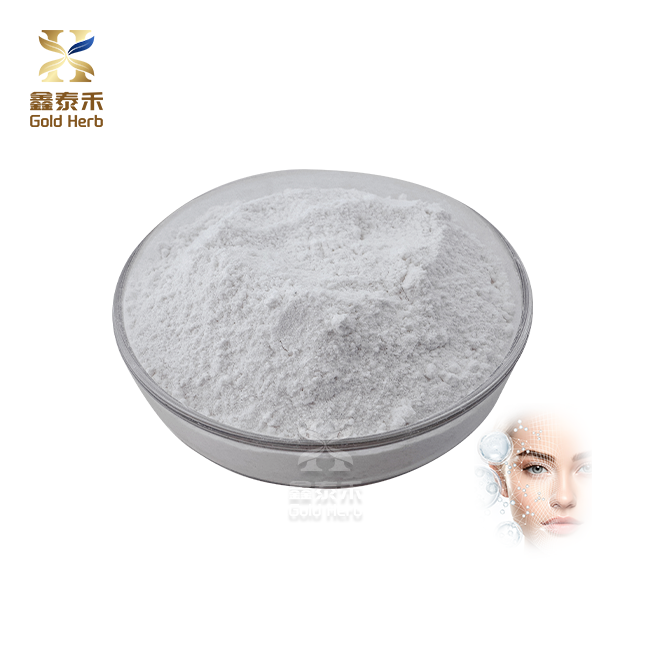
Ergothioneine Powder is different from other antioxidants because it has a rare thione tautomer structure. Its chemical formula is C9H15N3O2S, and its CAS number is 497-30-3. This naturally occurring chiral amino acid has a unique C=S link that makes it much more resistant to autoxidation than other thiol-based molecules. The molecule is stable at pH levels between 3.0 and 9.0, and it can handle temperatures up to 100°C during processing. This makes it very useful in a wide range of industrial settings. Quality material is an off-white to white crystalline powder that is at least 99% pure. This is proven by HPLC testing methods that make sure stability from batch to batch, which is important for pharmaceutical and cosmetic uses.
In contrast to Glutathione and Vitamin C, which break down quickly in the body, this molecule keeps its structure throughout storage and preparation. The L-isomer's chirality, which can be seen by its unique optical spin between +122° and +128°, ensures that it is recognized by living things and that cells can take it up best. More and more, sourcing strategies support fermentation-based production methods over mushroom extraction because they can produce larger amounts with better purity control and paperwork for traceability.
Biological Mechanisms and Functional Benefits
Through OCTN1 protein-mediated selective transport, the chemical clusters in stressed mitochondria, liver cells, and skin tissues. This concentrated accumulation protects cell power centres from oxidative damage, unlike passive diffusion antioxidants. It reduces reactive species, including hydroxyl radicals, peroxynitrite, and hypochlorous acid, which accelerate ageing and inflammation, according to research.
It helps cells heal and protects against UV-induced photoaging in skincare products. Studies demonstrate that topical treatments between 0.5% and 2% enhance skin barrier function and reduce ageing. Neuroprotection is utilised in cognitive health. Aged brains with increased oxidative stress need this.
Clinical trials show no adverse effects from daily dietary supplement intakes between 5 mg and 30 mg. This large treatment window lets formulators set dosages while maintaining efficacy. Foreign market access requires FDA-compliant facility regulatory documents. It covers crucial buying considerations, including product accountability and consumer safety.
Supply Chain Considerations for B2B Procurement
Verification techniques are crucial since production quality varies between vendors. Advanced fermentation technique maintains purity profiles, unlike extraction procedures, which vary the botanical matrix. Leading vendors stay current with ISO9001, HACCP, and other specialty standards like Halal and Kosher, making it easy to create items for more markets.
When something dissolves in water greater than 100 mg/mL at room temperature, it's easy to add to beverages or serums without elaborate solubilisation procedures. This physical feature reduces the time and expense of developing new formulations and transportation system engineering constituents. MOQ and inventory turnover are generally weighed when buying in bulk. Reliable suppliers generally have adequate product to fulfil standards within 24 hours.
Practical Applications and Use Cases of Ergothioneine Powder in Industry
Nutraceutical and Dietary Supplement Formulations
This ingredient is found in supplements that claim to help people live longer. Ergothioneine Powder is usually mixed with resveratrol, NAD+ precursors, or chemicals that support mitochondria. The doses range from 5 mg to 25 mg per serve. Because it stays stable during compression and encapsulation processes, it can be used in tablet and pill formulas without having to purge with nitrogen, which is needed for oxygen-sensitive ingredients. Mineral antioxidants can be used in drinks to get clean taste profiles without the harsh notes that some mineral antioxidants have.
Sports nutrition businesses know it reduces exercise-induced reactive stress. This is crucial for endurance athletes and active seniors. The element doesn't precipitate or interact with protein matrices, amino acid blends, or electrolyte systems, which formulators prefer. Marketing claims supported by cellular transport processes attract to well-informed consumers seeking scientifically proven supplements.
To follow significant market standards like US DSHEA guidelines and European Novel Food evaluations, collaborate with sellers who update your forms and documentation. Regulatory document submission is much faster when you collaborate with well-known ingredient producers who have used data and safety dossiers.
Cosmetic and Personal Care Applications
Top anti-aging skin care companies employ the photoprotective ingredient in day creams, serums, and eye treatments. In clinical imaging studies, dosages between 0.5% and 2% made skin more flexible and minimised wrinkle depth. Formulation stability testing demonstrates it works with cosmetics-grade emulsions, dry bases, and gel forms at various pH levels.
Natural beauty firms say their ingredients come from fermenting fungus, which meshes with ideas about engineering and environmentally friendly ingredient sourcing. European and North American markets are prioritising vegan clearance processes since they don't involve animal products. Colour cosmetics is considering utilising it to protect the face in foundations and coloured creams since clients want products that cover and care for their skin.
Due to accelerated prototyping and stability proof, OEM/ODM production partners may add the element to unique recipes in 15 to 20 days, speeding up product development. This adaptability allows companies to capitalise on emerging trends without investing heavily in R&D.
Functional Food and Beverage Innovation
Health-conscious consumers expect enhanced beverages with more than simply nutrients. The chemical is utilised in herbal teas, fruit juices, and ready-to-drink plant-based milk substitutes since it doesn't taste strong or alter when heated. In high-end markets that value plant-based products and long-lasting brands, functional chocolate and sweets are offering new business opportunities.
Food experts who evaluate stability affirm that retention rates exceed 95% during a standard shelf life under ambient storage. No chilling is needed, making transportation harder. Brands selling in grocery stores and online, where temperature control may be easily altered, need this consistency.
Different places regulate food applications differently. GRAS and new ingredient evaluations are crucial to clearance. Expert suppliers expedite innovation pipelines to market with legal roadmaps and application assistance.

Procurement Insights: How to Source High-Quality Ergothioneine Powder for Your Business?
Evaluating Supplier Capabilities and Quality Systems
Procurement experts need to look at more than just basic certification checklists when they evaluate factory infrastructure. Ergothioneine Powder stability is directly affected by the amount of fermentation that can happen, the complexity of the purification technology, and the ability to do analytical testing. Suppliers who use chromatographic purification can meet the ≥99% purity standards needed for pharmaceutical uses. On the other hand, less advanced methods may only provide good quality that is ideal for dietary products that can handle wider limits.
Certificate files should have ISO9001 for quality management, HACCP for food safety practices, and FDA registration to show that the facility is registered and ready for inspections. Specialized certificates, like Halal, Kosher, and organic when appropriate, make it easier for finished goods that are aimed at certain groups of people to get into markets. Third-party testing validation from approved labs makes sure that standards are met by someone other than the manufacturer. This meets the due diligence needs of quality assurance departments.
The ability to provide technical help sets special sellers apart from commodity vendors. Having access to formulation scientists, stability data sources, and regulatory experts speeds up product development and cuts down on the need for expensive reformulation rounds. Samples make bench-scale testing possible before committing to large orders. This lowers the risk of procurement, especially for new uses that haven't been used before.
Cost Optimization and Supply Chain Management
Prices depend on the quality level, the number of items ordered, and the terms of payment. Typical MOQs range from 1 kg for testing to 25 kg or more for production contracts. When buyers sign yearly contracts for more than one hundred kilograms, they can get big discounts on volume, but they have to weigh the cost saves against the cost of keeping supplies and the product's shelf life. The material is stable, so it can be stored for longer amounts of time than labile antioxidants. This makes it cheaper to turn over goods.
Lead times depend on the criteria. Standard grades can be shipped within 24 to 48 hours from existing stock, but it takes 7 to 15 business days for special purity levels or analytical tests. There are faster production paths for projects that need to be finished quickly, but they cost more. Logistics relationships with DHL, FedEx, and specialized cold chain providers protect the quality of the product while it's being shipped internationally, which is very important for making sure it meets specifications when it arrives.
Dual-sourcing methods lower the risk of supply disruptions while still giving you power when negotiating prices. Geographic diversity, which means weighing the lower costs of making things in Asia against the closeness of regulations in Europe or the efficiency of shipping in the US, makes buying operations more resilient. Suppliers who keep stock in US warehouses offer shipping windows of three to five days, which support just-in-time manufacturing models and free up working capital that would have been used to hold raw material stocks.

Future Outlook and Industry Trends for Ergothioneine Powder
Emerging Research and Market Expansion
Scientists are studying how cells age, and Ergothioneine Powder is at the center of a lot of different growth areas. Mitochondrial health study shows that it protects against the loss of energy metabolism that comes with getting older. This means that it can be used in metabolic wellness areas. Microbiome studies look into the links between vitamins in food and gut health, which could lead to more uses in stomach health products.
Brain health claims are based on data from clinical studies that look at how to keep cognitive function up as people age. This is an area that is growing by double digits as more people become older. Dermatological studies that measure wrinkle reduction and photoaging prevention back up cosmetic marketing promises, and imaging technology that shows changes at the cellular level backs this up. These science improvements help both consumers learn more and regulators find new ways to back up more claims.
Analysts think that the market will grow at rates higher than 12% per year until 2030. This is because of the popularity of anti-aging supplements and the clean beauty movement. Geographic growth beyond established North American and European markets, especially into the health markets in Asia, offers volume possibilities for providers who want to increase production capacity. Premium marketing strategies use the scientific complexity of the ingredient and its ability to move things around inside cells to set it apart from cheap antioxidants that compete mainly on price.
Production Innovation and Collaborative Strategies
Biotechnology improvements raise fermentation yields and lower production costs, slowly changing price-performance ratios in a way that makes the market more open to acceptance. Bioavailability improvement study looks into new ways to deliver drugs—such as liposomal encapsulation, nano-emulsions, and complexation strategies—that help cells absorb more from both oral and topical uses. These advances in technology have made it possible for lower-dose formulas to stay effective while also making cost-in-use economics better for producers.
Through university research partnerships and clinical study funding, partnerships between businesses and universities speed up the validation of ingredients. Brands that want to stand out scientifically work together to create studies that produce unique data that support marketing stories and regulatory reports. Competitive moats are made around new ingredients that come from relationships with suppliers that offer co-branding possibilities or exclusive formulation development.
As brands are put under more and more pressure to show how their products affect the environment, sustainability factors affect their buying choices. Commitments to business responsibility are met by fermentation methods that use renewable feedstocks and closed-loop water systems. Tracking the journeys of ingredients from the production center to the finished product as part of transparency programs verifies the clean-label image and helps build customer trust, which is necessary to keep premium prices.

Conclusion
For producers looking for unique antioxidant solutions in nutraceutical, cosmetic, and functional food uses, Ergothioneine Powder offers an appealing value proposition. Because of the way it moves through cells, how stable it is, and the growing body of scientific evidence supporting it, it is becoming an important ingredient for brands that want to target the longevity, brain health, and elite skincare markets. To be successful at procurement, you need to carefully evaluate suppliers while keeping purity requirements, legal compliance, and supply chain reliability in mind. The compound's path shows how the industry as a whole is moving toward natural products backed by science that meet clean label requirements and give consumers real benefits. When companies add this ingredient to their products, they gain a competitive edge through new formulations and marketing strategies that are in line with global health trends.
FAQ
Q1: What makes ergothioneine different from other antioxidants in supplement formulations?
Unlike passive diffusion antioxidants, Ergothioneine Powder uses a special cellular transport protein (OCTN1) to actively concentrate it within mitochondria and tissues that are under oxidative stress. This system makes sure that cells are taken in and gathered efficiently in areas like the brain, liver, and skin. Its thione structure makes it more stable than Glutathione or Vitamin C, so there are no worries about it breaking down during production or storage. The substance doesn't react with oxygen on its own and stays active across a wide pH range. This makes formulating easier and provides long-lasting antioxidant protection.
Q2: How should manufacturers integrate ergothioneine into cosmetic formulations?
Concentrations that work well in finished skin care products are between 0.5% and 2%. They can be mixed with emulsions, serums, and bases that don't need water. The ingredient dissolves easily in water and doesn't need any special techniques to do so. It mixes easily with other ingredients during normal manufacturing processes. Stability testing shows that it works with common active ingredients in cosmetics, like peptides, ceramides, and plant extracts. Hot-fill processing is possible up to 100°C because the material is heat-stable, but cold-process ways keep the most activity. Formulators should make sure that the safety of their full formulation materials is proven through accelerated aging studies.
Q3: What regulatory considerations apply to ergothioneine in dietary supplements?
Material from FDA-approved sites that comes with the right paperwork helps the US follow the DSHEA rules for food supplement uses. Depending on how much the food is used and who it is aimed at, European markets may need Novel Food ratings. Suppliers should give safety information, proof of good manufacturing practices, and recommended sign claims that are in line with government rules. The ingredient's known safety rating and natural origin make the approval process easier, but brands need to stay up to date on how laws are changing in each target market.

Partner with Gold Herb for Premium Ergothioneine Powder Supply
Gold Herb is your best bet for getting high-quality Ergothioneine Powder, thanks to its partnership with Academician Li Xiaokun's study team and Wenzhou University's top-notch research and development. Our pharmaceutical-grade material is ≥99% pure, which is proven by HPLC testing. It is also approved under FDA, ISO9001, HACCP, HALAL, and Kosher standards to make sure it works perfectly in all markets around the world. We keep a lot of stock on hand so that we can ship regular orders within 24 hours and meet the needs of customers with special orders that take 7–15 days to make. Our network of US warehouses promises delivery across North America in 3–5 days, cutting out long wait times that make it hard to plan production. Our expert team's technical support helps with formulation optimization, regulation paperwork, and advice that is unique to the application. As a well-known company that makes ergothioneine powder and has more than 200 customers in 30 countries, we can give your business the quality, stability, and supply reliability it needs. Email us at info@newgoldherb.com to talk about the ingredients you need and to ask for technical details.
References
1. Cheah, I.K., and Halliwell, B. (2021). "Ergothioneine: Antioxidant Potential, Physiological Function and Role in Disease." Biochimica et Biophysica Acta - Molecular Basis of Disease, 1867(8).
2. Nakamura, T., and Yoshikawa, N. (2019). "Cellular Transport and Accumulation of Ergothioneine in Human Tissues." Journal of Nutritional Biochemistry, 63, 45-52.
3. Hseu, Y.C., et al. (2020). "Anti-Aging and Photoprotective Effects of Ergothioneine in Dermal Fibroblasts." Oxidative Medicine and Cellular Longevity, 2020, Article ID 2576823.
4. Cheah, I.K., et al. (2022). "Ergothioneine Levels in Cognitive Decline and Neurological Health." Free Radical Biology and Medicine, 176, 348-357.
5. Smith, E., and Ottosson, F. (2021). "Fermentation Production Methods for L-Ergothioneine: Biotechnology Advances and Industrial Applications." Applied Microbiology and Biotechnology, 105(11), 4567-4580.
6. Tang, R.M., et al. (2023). "Formulation Strategies and Stability Assessment of Ergothioneine in Cosmetic and Nutraceutical Products." International Journal of Cosmetic Science, 45(2), 189-201.

Send Inquiry
Related Industry Knowledge
- Fenugreek for Muscle Support, Vitality & Healthy Lifestyle
- Top Benefits of Kava Extract for Stress, Mood, and Sleep Quality
- Resveratrol: The Secret Behind Anti-Aging Supplements
- Why Chlorophyllin Is Trending in Skincare and Wellness
- Why Is Centella Asiatica Extract Everywhere in Skincare?
- How 5-Hydroxytryptophan Improves Sleep, Mood, and Anxiety Naturally
- The Key Health Benefits of Urolithin A You Should Know
- Fisetin Ingredient for Anti-Aging, Brain Health, and Antioxidant Supplements
- What Is Fisetin? A Complete Guide for Supplement Manufacturers
- Fisetin vs Quercetin: Which Flavonoid for Longevity Products?