
Everything you need to know about blue spirulina
Sep 03, 2026
Blue spirulina extract has emerged as a game-changing ingredient in the nutraceutical and cosmetics industries, offering concentrated bioactive properties from Arthrospira platensis. This vibrant blue powder, rich in phycocyanin—a powerful antioxidant pigment—delivers immune support, anti-inflammatory benefits, and cellular protection. Unlike traditional green spirulina, the extraction process isolates phycocyanin to create a cleaner, more versatile ingredient for supplements, functional foods, and skincare formulations. Understanding the technical specifications, applications, and sourcing strategies of this ingredient helps B2B buyers make informed decisions that enhance product differentiation and meet growing consumer demand for natural, science-backed wellness solutions.
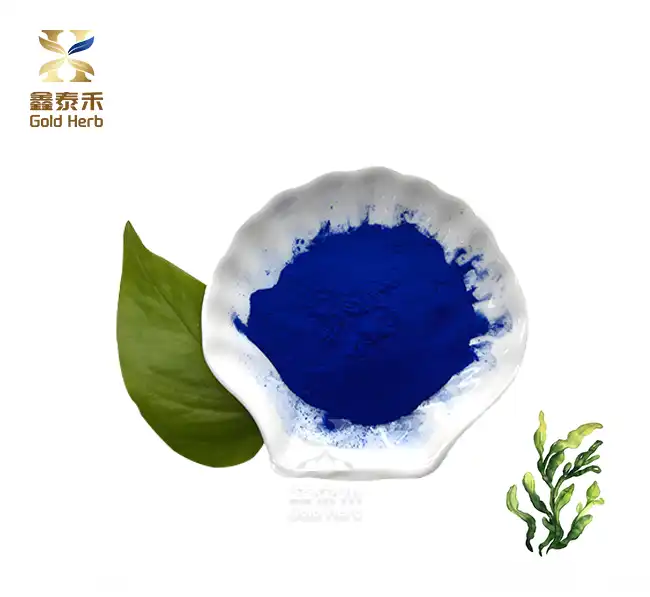
Blue Spirulina Phycocyanin Powder Information
|
Product Name |
Blue Spirulina Phycocyanin Powder |
|
Source |
Spirulina platensis |
|
Main Component |
Phycocyanin |
| CAS Number | 11016-15-2 |
| Molecular Formula | C34H39N3O6 |
| Molecular Weight | 585.71 |
|
Appearance |
Blue Powder |
|
Color |
Natural Blue |
|
Solubility |
Soluble in Water |
|
Testing |
UV / HPLC |
| Solubility | Water Soluble |
| pH Stability | Stable at pH 5.0–9.0 |
| Heavy Metals (Pb) | ≤10 ppm |
| Loss on Drying | ≤8% |
| Certificate | FDA, ISO9001, HACCP, HALAL, Kosher |
|
Shelf Life |
24 Months |
|
Packaging |
1kg Foil Bag / 25kg Drum |
Phycocyanin Specification Options
Gold Herb supplies different phycocyanin grades for various formulation requirements.
|
Grade |
Phycocyanin Content |
Application |
|
E18 |
≥18% |
General food coloring applications |
|
E25 |
≥25% |
Beverages and nutrition powders |
|
E30 |
≥30% |
Products requiring stronger blue color |
|
E40 |
≥40% |
Higher concentration pigment applications |
Available specifications can be discussed based on color requirements, application type, and product formulation.
What is Blue Spirulina Extract?
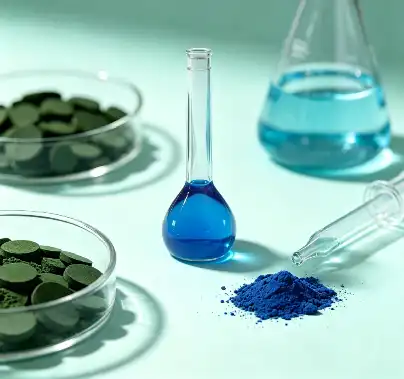
Blue spirulina extract is a refined bioactive ingredient that comes from the cyanobacterium Arthrospira platensis, which is grown in controlled marine settings. Phycocyanin (CAS Number: 11016-15-2) is a blue pigment-protein complex that gives the extract its unique sapphire color and useful qualities. It is isolated using non-chemical water methods.
The Science Behind Phycocyanin
In spirulina's photosynthetic system, phycocyanin is a protein that collects light. Once it has been extracted and cleaned, it still has antioxidant properties as shown by ORAC values, and glows in UV light. The structure of the molecule makes it able to neutralize peroxide radicals, hydroxyl radicals, and alkoxy radicals, which are harmful chemicals that speed up the aging of cells and inflammation. The quality of the extract is measured using UV spectrophotometry at 618nm. The result usually falls between E6 and E40, based on the concentration.
Key Compositional Differences
Whole spirulina powder has iron, proteins, B vitamins, and chlorophyll in it. Blue spirulina extract, on the other hand, is mostly made up of phycocyanin. Using this method makes a product that is purer—often more than 40% protein—and gets rid of the green color and seaweed-like taste that are typical of regular spirulina. The blue powder form has consistent dosing, dissolves better in drinks, and has neutral flavor profiles that make it easier to formulate for a wide range of products.
Applications in B2B Sectors
Nutraceutical companies use the extract in supplements that boost the immune system and in sports nutrition products. Cosmetic makers like its antioxidant properties because they can use it to make anti-aging serums and repair creams that fight oxidative stress. People who make functional drinks, for example, because it can naturally color drinks instead of using synthetic dyes and make health claims at the same time. The element can be used in many different ways because it stays stable between pH levels 4.5 and 8.0. However, because it is sensitive to heat, it needs to be processed carefully to keep its bioactivity.
Blue Spirulina Extract vs Other Algae-Based Products
When purchasing materials, knowing how phycocyanin-rich extracts stack up against other algae ingredients helps them choose materials that fit the formulation goals and market positioning strategies.
Nutritional Profile Comparisons
Green spirulina powder contains many nutrients, such as complete proteins, gamma-linolenic acid, and chlorophyll, so it can be used as a complete nutritional supplement. Through chlorella growth factor and a high chlorophyll content, chlorella extract emphasizes its cleansing benefits, which back up claims about liver function. Blue spirulina extract, on the other hand, focuses on its anti-inflammatory and antioxidant properties, giving it specific benefits without the taste and color problems that come with whole algae powders[2].
Organic Certification Considerations
Extracts that are recognized as organic meet strict farming rules that don't allow synthetic chemicals or GMO farming. This certification meets the clean label standards that consumers and store buyers are asking for more and more. Non-organic ingredients may be cheaper, but they are closely watched in high-end product categories where honesty and caring for the environment are important factors in buying choices. Certification groups, such as the USDA Organic and the EU Organic, offer third-party checks that make it easier for governments to approve products on global markets.
Processing Method Impacts
Natural product claims are supported by the fact that water extraction keeps heat-sensitive compounds intact and gets rid of solvent residues. Some companies use ultrasonic or mechanical cell disruption to get better yields and bioactive release. These differences in preparation have an effect on the end product's color intensity, protein concentration, and how well it works when it's finished. When evaluating a supplier's skills, business-to-business buyers should ask for detailed processing documentation and stability data.

How to Use Blue Spirulina Extract in Your Products
To successfully add phycocyanin powder, you need to know the right amounts, how they will work with other ingredients, and the rules that govern ingredient claims and health claims.
Dosage Guidelines and Safety Parameters
Phycocyanin supplements are usually taken in doses of 100 mg to 500 mg per day to help the immune system. However, the exact dose depends on the concentration of the supplement and the benefits that are wanted. Lower concentrations (50–200 mg per serve) are often used in beverage recipes to get bright colors without overpowering flavors. Skin care products use 0.5 to 2% phycocyanin in serums and creams to protect against free radicals. To make sure obedience, all dosing should match safety ratings and area legal limits.
Formulation Compatibility Challenges
The material is very water-soluble and dissolves easily in water-based systems without sticking together. However, high temperatures during production can break down phycocyanin's structure and make the color less intense. Formulators should add the extract while the mixture is cooling down or use cold processing methods. Extreme acidity or alkalinity can make things less stable, so the pH may need to be changed. Using natural preservatives together with clean labels makes the shelf life longer.
Quality Certifications and Supplier Verification
Suppliers you can trust will give you records of analysis that show the amount of phycocyanin, the limits of microbes, and the heavy metal tests. GMP (Good Manufacturing Practices) and ISO standards show that quality control is done in a planned way throughout the whole production process. HACCP rules deal with risks to food safety, and Halal and Kosher approvals help businesses reach more customers. Buyers should visit the facilities of suppliers or ask for inspection reports from a third party to make sure that the products are made according to standards and have traceability systems that stop them from being tampered with or contaminated.
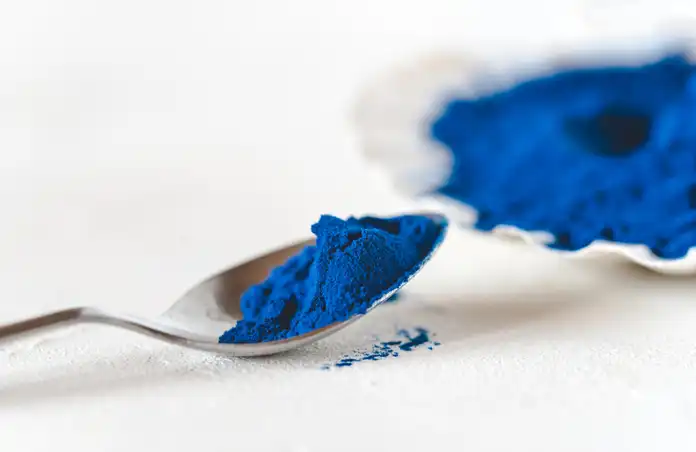
The ingredient looks like a blue powder and has a light spirulina smell. It doesn't have any other smells, which means it was processed and stored correctly. Samples kept in cases with tight lids and out of the light will stay potent for as long as they are stored, which is usually 24 months under suggested conditions.
A B2B Buyer's Guide to Procuring Blue Spirulina Extract
To make sure you have a steady supply of high-quality phycocyanin powder, you need to carefully consider your manufacturing partners, how much they charge, and the infrastructure for foreign shipping.
Evaluating Manufacturer Credentials
Direct connections with extraction sites allow for better pricing and more customization options. Manufacturers who are registered with the FDA, have ISO9001 quality systems, and are HACCP certified show that their operations are mature and that they follow the rules. Production capacity is important—suppliers who keep 1+ ton of goods on hand make it possible to fulfill orders right away, and the ability to make products to order sets them apart from other products. Ask for written instructions on how to extract data, how to test it, and how to keep track of batch consistency data from multiple production runs[3].
Cost Considerations and MOQ Requirements
The prices are based on the amount of phycocyanin, the status of the certification, and the number of orders. Organic-certified ingredients cost more, but they can be sold to natural product stores and people who care about their health. For sampling, the minimum order quantity is usually 1 kg. For commercial launches, it's usually 25 to 100 kg. Larger purchases often lead to volume discounts, but buyers should weigh the costs of their goods against their predictions of demand and the length of time it will last on the shelf.
Packaging and Shipping Logistics
The right way to package things in moisture-barrier bags with oxygen absorbers keeps them from breaking down while they're in transit. Double-sealed packages keep the color intense and stop infection. Logistics that keep things at the right temperature are needed for international shipping, especially to places where it gets hot. Reliable partners work with well-known companies like DHL, FedEx, or SF Express to make sure that the paperwork for customs clearance is correct. North American customers can get their goods faster because sellers keep warehouses in the U.S. that allow shipping windows of three to five days.
Private Label and OEM Opportunities
With private-label agreements, brands can sell their own special formulas under their own names. OEM partnerships help with everything, from making the formula to packaging the finished product. Customization services allow suppliers to meet particular needs for concentration, mixing with complementary ingredients, or special package forms. Streamlined development cycles—usually 7–20 days for custom products—speed up time-to-market while keeping quality standards high.
Why Choose Gold Herb for Your Blue Spirulina Extract Needs
Shaanxi Gold Herb has become a trustworthy blue spirulina extract supplier by using its technical know-how, quality control systems, and customer-focused service models made for business-to-business partnerships.
Technical Excellence and Innovation
Working together with Academician Li Xiaokun's research team and Wenzhou University's R&D resources lets us test and confirm the effectiveness of new ingredients in the most cutting-edge way possible. These scientific foundations help customers make products with proven benefits that meet the needs of the market. Technical consulting services help formulation teams make the best use of phycocyanin, fix problems with stability, and come up with clinical-grade supplements that meet pharmaceutical quality standards.
Comprehensive Certification Portfolio
In addition to being registered with the FDA and managing quality according to ISO9001, we also follow HACCP food safety rules and have Halal and Kosher approval. This all-inclusive legal approach makes it easier to get into markets with a wide range of rules, from the Novel Food Regulations in the European Union to the halal standards in the Middle East. Customers can make it easier for regulators to accept their products by getting complete paperwork packages that include Certificates of Analysis, safety declarations, and GMO-free statements.
Supply Chain Reliability
We keep permanent stock in U.S. warehouses so that we can quickly fulfill orders from customers in North America without having to wait for international shipping. When an order is confirmed, standard specs are shipped within 24 hours. Custom recipes are finished in 7–15 business days. For emergency orders, faster production channels that deliver in 5–7 days are available, which help with product launches and sudden demand spikes. Our relationships with global companies make sure that you can track your packages and get them without any damage.
Customization Capabilities
Gold Herb provides custom solutions that include changing the concentration, creating unique packaging formats, and creating custom blends. Our team creates specs that are exactly what you need, whether you need high-potency phycocyanin for focused supplements or standardized concentrations for beverage uses. Flexible MOQs allow both new brands to see how the market reacts and established companies to increase production numbers.
Customer Support Infrastructure
For North American clients, our sales and technical teams can talk to each other in the same time zone. This gets rid of the language barriers and time zone problems that come with international sourcing. From the first question to managing reorders on an ongoing basis, dedicated account agents make sure that service is quick and helpful. Samples allow for hands-on review before committing to large amounts for production. This lowers the risk of procurement and helps people make smart decisions.

Conclusion
Blue spirulina extract has a lot of phycocyanin benefits that help with formulation problems in the cosmetics, nutraceuticals, and functional food industries. Business-to-business buyers can make unique goods that meet clean-label and effectiveness standards by learning about the ingredient's technical properties, comparative benefits, and application procedures. To be a good buyer, you need to look at a supplier's credentials, collection of certifications, and logistics skills that support regular quality and on-time delivery. Partnerships with well-known makers that offer technical support, customization services, and legal knowledge speed up the development of new products and lower the risks in the supply chain. As the need for natural, science-backed ingredients keeps rising, brands can gain a competitive edge in health-conscious markets by strategically finding premium phycocyanin powder.
FAQ
1. What is the typical shelf life of phycocyanin powder?
Blue spirulina extract stays effective for about 24 months if it is kept in the right way, in sealed packages that are kept away from light and moisture. Refrigeration makes things more stable, but for most business uses, storing things at room temperature in climate-controlled spaces is enough.
2. Can blue spirulina extract be used in heat-processed foods?
Phycocyanin breaks down at temperatures above 70°C (158°F), which means it can't be used in situations where heat is present. To keep the bioactivity and color strength, manufacturers should add the ingredient after it has been processed or use low-temperature production methods, such as cold-filling drinks or no-bake supplement bars.
3. How does organic certification affect product positioning?
Organic approval helps businesses set higher prices and appeals to health-conscious customers who care about the environment. The label helps goods stand out in busy stores and makes it easier for stores to stock natural products, but it does raise the prices of ingredients by 15 to 30 percent.
4. What documentation should buyers request from suppliers?
Some important papers are Certificates of Analysis that prove the purity and amount of phycocyanin, reports from third-party microbiology tests, heavy metal screening results, allergen statements, and GMO-free certifications. Suppliers who follow the rules also provide specification sheets that explain how to extract the materials and how to store them.
Partner with Gold Herb as Your Trusted Blue Spirulina Extract Manufacturer
Improve the growth of your products with high-quality phycocyanin powder that is backed by strict quality control and legal compliance. Gold Herb gets its technical know-how from academic relationships and its resources from the global supply chain. This way, it can give you solid blue spirulina extract that is made to fit your formulation needs. Our facilities are FDA-registered and ISO9001-certified, so the quality of each batch is the same. Other certifications, like HACCP, Halal, and Kosher, help you reach more customers. We make it easier to get ingredients at every step by storing them in the U.S. so they can be sent out quickly and by providing specific technology support to help with formulation optimization. Email our team at info@newgoldherb.com to get samples, talk about custom orders, or look into becoming an OEM partner.
References
1. International Association of Color Manufacturers (2019). Spirulina Extract: Color Profile and Applications. Retrieved from https://iacmcolor.org/color-profile/spirulina-extract/
2. Medikonda (2023). How to Extract from Spirulina Powder: An Educational Guide. Retrieved from https://www.medikonda.com/blogs/medikonda-blog/how-to-extract-from-spirulina-powder-an-educational-guide
3. Journal of Applied Phycology (2020). Phycocyanin: Production, purification, and bioactive properties. Journal of Applied Phycology, 32(4), 2189-2203.
4. Food Science & Nutrition (2021). Antioxidant capacity and stability of spirulina phycocyanin in food systems. Food Science & Nutrition, 9(6), 3124-3135.
5. Cosmetics (2022). Natural blue pigments in cosmetic formulations: Stability and efficacy assessment. Cosmetics, 9(3), 58-67.
6. Nutrients (2023). Immune-modulating effects of phycocyanin supplementation: A systematic review. Nutrients, 15(8), 1842-1856.

Send Inquiry
Related Industry Knowledge
- Everything You Need to Know About Dihydromyricetin
- Using Black pepper extract to Enhance the Anti-Inflammatory Effects of Turmeric
- How to Choose High-Quality Zeaxanthin Powder?
- Why Is Black Pepper Extract Powder Used in Supplement Formulations?
- What Is Red Beet Powder Used For in Functional Nutrition?
- What is natural astaxanthin powder?
- How Fenugreek Supports Energy, Appetite and Daily Wellness
- Coleus forskohlii extract Tonic for a Healthy Heart and Lungs
- GMP Red Beet Powder for Nutraceutical Manufacturing
- Best Fisetin Powder for Senolytic Research in 2026