
Fisetin Ingredient Guide: Health Benefits and Commercial Applications
Mar 16, 2026
As the sector for natural active ingredients continues to gain momentum, Fisetin (CAS 528-48-3)—a natural flavonol compound characterized by its multi-target activity and multifaceted benefits—is gradually emerging as a core ingredient across fields such as dietary supplements, cosmetics, and functional foods. This rise is driven by its well-established health benefits, its natural and safe profile, and its immense commercial potential. Unlike ingredients such as NMN or 5-HTP—which have already entered a phase of "red ocean" (fierce, saturated) competition—Fisetin remains in an upward trajectory within the market. Backed by robust scientific research and offering diverse commercial application scenarios, it serves as a pivotal tool for enterprises seeking to break through product homogenization and secure a leading position in the premium health sector. This guide provides a comprehensive analysis of Fisetin’s core health benefits and mechanisms of action. By integrating the latest processing technologies with current market data, it deconstructs the key commercial application strategies for Fisetin across various industries, offering actionable insights for relevant enterprises looking to strategize product portfolios, optimize formulations, and expand their market reach.
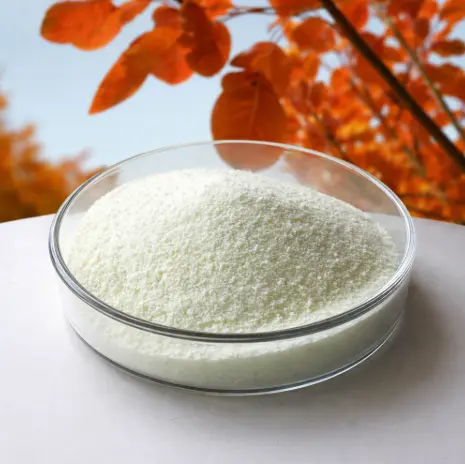
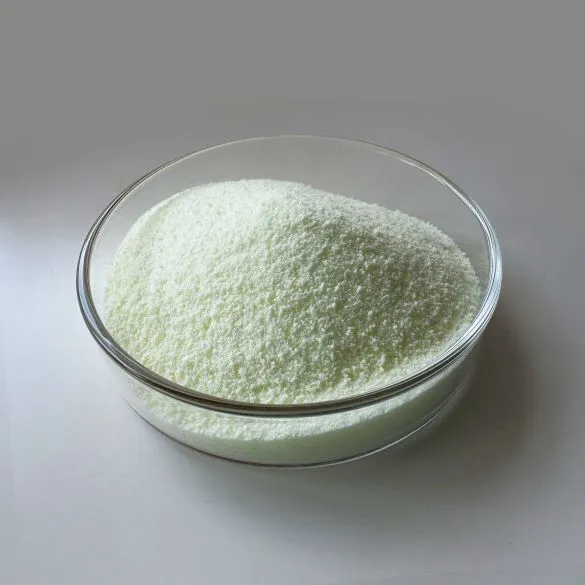
Fisetin, chemically designated as 3,3',4',7-tetrahydroxyflavone, possesses the molecular formula C15H10O6 and a molecular weight of 286.24. It appears as a yellow crystalline powder with a melting point of 330°C (at which it decomposes). It is sparingly soluble in water (with a solubility of only 10.45 μg/mL) but readily dissolves in organic solvents such as ethanol and DMSO; its solubility increases significantly in alkaline solutions. Fisetin occurs naturally in a variety of fruits, vegetables, grains, and medicinal plants; strawberries contain the highest concentration (reaching up to 160 μg/g), followed by apples, onions, ginkgo leaves, and smoke trees (Cotinus coggygria). Daily dietary intake typically ranges from approximately 0.4 to 2 mg—a level far below the effective therapeutic dosage—thereby establishing a clear demand for exogenous supplementation. Its inherent natural attributes align perfectly with modern consumers' core demands for products that are "natural, safe, and highly effective," thereby laying a solid foundation for its successful commercial application.
Core Health Benefits and Mechanisms of Action of Fisetin (The Core Foundation for Commercial Applications)
The commercial value of Fisetin stems primarily from its multifaceted and highly potent health benefits—each of which is substantiated by robust scientific data. This allows it to be precisely tailored to the product positioning requirements of various sectors, serving as a core competitive advantage for companies seeking to develop differentiated products. Its benefits span several high-demand health categories—including anti-aging, neuroprotection, and metabolic regulation—and are characterized by clearly defined mechanisms of action that align perfectly with broad public health needs.
(I) Analysis of Core Health Benefits and Mechanisms
1. Anti-Aging (Core Benefit; Highest Commercial Value): Fisetin stands as a representative natural senolytic agent—a compound capable of clearing senescent cells—and is currently recognized as one of the most potent plant-derived ingredients known for its ability to eliminate these aging cells. Its core mechanism involves selectively inducing apoptosis (programmed cell death) in senescent cells, thereby reducing the cellular burden associated with aging. Concurrently, it inhibits the Senescence-Associated Secretory Phenotype (SASP), thereby reducing the secretion of pro-inflammatory cytokines such as TNF-α and IL-6. Furthermore, Fisetin activates SIRT1 (a longevity-associated protein) and promotes autophagy (cellular self-cleaning), facilitating the removal of damaged organelles, mitigating telomere attrition, and ultimately delaying the cellular aging process. Studies in mice have demonstrated that intermittent supplementation with 500 mg/kg of Fisetin can extend the lifespan of prematurely aging mice by approximately 10%. Additionally, a Phase II clinical trial (FISET-AGE) revealed that daily supplementation with 100 mg of Fisetin resulted in a 35% reduction in senescent cell markers and a 12% improvement in walking speed among participants after six months—providing compelling evidence to support its commercial application within the anti-aging sector.
2. Neuroprotection (High-Potential Sector): Fisetin possesses high lipophilicity (fat solubility), enabling it to readily cross the blood-brain barrier and exert direct effects on the central nervous system; as such, it serves as a premium ingredient for products targeting brain health. Its mechanism of action primarily encompasses three aspects: First, it enhances synaptic plasticity, improves learning and memory capabilities, and alleviates cognitive decline. Second, it inhibits the deposition of amyloid-beta and the hyperphosphorylation of Tau protein, thereby reducing the risk of neurodegenerative diseases such as Alzheimer's disease. Third, it precisely targets Histone Deacetylase 3 (HDAC3), activates the NRF2 antioxidant pathway, and suppresses microglial inflammatory responses; at concentrations of just 5–10 μM, it can significantly reduce the expression of pro-inflammatory factors—such as IL-1β and TNF-α—thereby protecting neurons from damage. A study published in *Food Bioscience* in July 2025 further substantiated its neuroprotective potential, offering a new direction for the research and development of brain health products.
3. Metabolic Regulation (A High-Demand Sector): Fisetin activates the AMPK signaling pathway, ameliorating insulin resistance and enhancing insulin sensitivity. Simultaneously, it inhibits α-glucosidase activity—thereby delaying carbohydrate absorption—and regulates glucose metabolism. Furthermore, by activating FXR receptors, it promotes the hepatic conversion of cholesterol into bile acids, lowers levels of triglycerides and low-density lipoproteins (LDL), and regulates lipid metabolism; notably, while facilitating weight loss, it also mitigates liver damage induced by metabolic stress. Additionally, it inhibits prostaglandin synthesis and exerts an inhibitory effect on aldose reductase in rat eye lenses, thereby further expanding its scope of metabolic applications and making it well-suited for high-demand health sectors such as blood sugar management, weight loss, and liver protection.
4. Antioxidant and Anti-inflammatory Properties (Core Efficacy, Adaptable to Diverse Applications): Fisetin exhibits exceptionally strong antioxidant activity; its IC50 values for scavenging DPPH and hydroxyl radicals reach 15.3 μM—making it twice as active as quercetin and 20 times more active than Vitamin C. It can directly scavenge free radicals within the body while simultaneously upregulating the activity of endogenous antioxidant enzymes such as SOD, CAT, and GPx (boosting SOD activity by 1.8-fold), thereby mitigating oxidative damage. Regarding anti-inflammatory effects, Fisetin acts by activating β-catenin protein and downregulating TLR4 expression to block the activation of inflammatory pathways—such as NF-κB and MAPK—thereby regulating immune balance and attenuating excessive immune responses. Furthermore, it can alleviate joint inflammation triggered by Chikungunya virus infection, offering a compelling natural ingredient option for anti-inflammatory product formulations.
5. Other Potential Benefits: Recent studies have revealed that Fisetin also possesses significant anti-tumor activity, exerting inhibitory effects at various stages of tumor progression. Additionally, it holds potential value in applications related to cardiovascular and cerebrovascular protection, as well as the alleviation of arthritis and osteoporosis. Currently, most relevant clinical trials are in Phase II, suggesting a vast scope for future commercial application.
(II) Differentiated Advantages Over Comparable Ingredients (Key Highlights for Commercial Competitiveness)
Compared to the common antioxidant and anti-aging ingredients prevalent in the dietary supplement and cosmetics markets, Fisetin offers distinct advantages that enable companies to sidestep "Red Ocean" competition and cultivate unique product competitiveness. A specific comparison is outlined below:
1. Vs. Resveratrol: Both are natural antioxidant ingredients; however, Fisetin demonstrates superior efficacy in clearing senescent cells. Moreover, it possesses the ability to cross the blood-brain barrier, resulting in more pronounced neuroprotective benefits. Unlike some alternatives, it delivers tangible results without requiring high-dosage inclusion in formulations, offering a superior cost-performance ratio and making it ideally suited for high-end anti-aging and brain health product positioning.
2. Vs. NMN:NMN primarily focuses on mitochondrial repair, offering a relatively singular mechanism of action, and currently faces regulatory uncertainties. In contrast, Fisetin acts via multiple targets, delivering a multifaceted array of benefits—including anti-aging, neuroprotection, and metabolic regulation. As a natural and safe compound with low regulatory risk, it is adaptable to a much broader spectrum of commercial applications. 3. Comparison with Curcumin: While curcumin possesses outstanding anti-inflammatory and antioxidant properties, it suffers from extremely poor water solubility and low bioavailability (merely 44.1%), and requires co-administration with piperine to enhance absorption. Fisetin, conversely, can achieve improved bioavailability through simple formulation optimization; furthermore, it offers a more comprehensive spectrum of benefits and greater adaptability within formulations, thereby enabling companies to reduce their R&D and production costs.
Fisetin Fundamentals: Ingredient Characteristics, Sources, and Processing (Prerequisites for Commercial Application)
For enterprises looking to venture into Fisetin-related products, it is essential to first master its ingredient characteristics, sources, and extraction processes. This serves as the core prerequisite for ensuring product quality, controlling costs, and achieving large-scale production—and is, moreover, the key to enhancing a product's market competitiveness. Drawing upon the latest processing technologies, a detailed analysis is presented below:
(I) Core Ingredient Characteristics (Tailored for Commercial Production and Formulation)
1. Prominent Natural Attributes: Fisetin is a naturally occurring flavonol compound that can be obtained through natural extraction without the need for artificial synthesis. Consequently, it is free from the potential side effects associated with synthetic compounds, making it suitable for long-term supplementation. Furthermore, it readily meets international compliance standards—such as the U.S. FDA GRAS designation and China's Health Food Filing requirements—thereby aligning with the global trend toward the "naturalization" of health products and boosting market acceptance.
2. Multi-Target Action Advantage: Unlike ingredients with a singular function, Fisetin acts upon multiple physiological pathways within the human body. This enables it to deliver multi-dimensional health benefits without the need for complex compound formulations, thereby reducing R&D costs for enterprises while facilitating the creation of "one-stop care" products that cater to consumers' demand for efficient, comprehensive wellness solutions.
3. Stability and Formulation Compatibility: Fisetin exhibits good stability under normal temperatures and dry conditions; however, it is prone to oxidation when exposed to light and possesses relatively poor water solubility. These factors represent key challenges in its commercial application and constitute the primary focus for technological optimization by enterprises. Given its strong lipophilicity, Fisetin is compatible with a wide array of dosage forms—including capsules, tablets, powders, oral liquids, and skincare serums. Through the optimization of formulation techniques, its bioavailability and stability can be further enhanced, thereby expanding its potential applications in the commercial market.
4. Exceptional Safety Profile: Validated by toxicological studies, Fisetin demonstrates extremely low acute toxicity (with an oral LD50 > 2 g/kg in rats). Genetic toxicity tests (such as the Ames test and micronucleus test) have consistently yielded negative results, and long-term continuous administration has shown no significant toxic reactions. While a small minority of individuals may experience mild gastrointestinal discomfort, the compound is generally exceptionally well-tolerated. Consequently, it is suitable for long-term supplementation across diverse populations, alleviating concerns regarding safety risks and minimizing compliance and post-sales liabilities for enterprises.
(II) Primary Sources and Extraction/Purification Processes (Key to Cost Control)
Fisetin is found in a wide variety of natural sources, though its concentration varies significantly depending on the origin. The extraction process directly determines the purity, cost, and production capacity of the raw material; therefore, companies can select the most suitable sources and processes based on their specific product positioning (e.g., premium vs. mass-market).
1. Core Natural Sources: These fall into three major categories: Fruits and Vegetables (strawberries, apples, grapes, onions, cucumbers), Grains (buckwheat), and Medicinal Plants (Ginkgo, St. John's Wort, *Cotinus coggygria*). Among these, the branches and leaves of *Cotinus coggygria*, strawberries, and Ginkgo leaves exhibit relatively high fisetin concentrations and currently serve as the primary raw materials for industrial-scale extraction. Notably, the branches and leaves of *Cotinus coggygria* offer a "waste-to-value" opportunity—minimizing resource waste while simultaneously lowering raw material costs—making them ideal for large-scale production. Conversely, fisetin derived from strawberries possesses a stronger "natural" appeal, making it better suited for products positioned within the premium natural segment.
2. Mainstream Extraction Processes (4 Methods—Each with Pros and Cons):
(1)Solvent Extraction:This method employs organic solvents—such as ethanol or methanol—as the extraction medium to yield a crude extract via reflux extraction. It is characterized by low costs and operational simplicity, making it suitable for large-scale production; however, the resulting purity is relatively low, necessitating subsequent purification steps. This method is best suited for products targeting the mass market.
(2) Ultrasound-Assisted Extraction:This technique utilizes 200–500 watts of ultrasonic power to facilitate the extraction process. It reduces extraction time to a mere 30–60 minutes, offering higher extraction efficiency and slightly greater purity compared to traditional solvent extraction methods. This approach is well-suited for medium-scale production, striking a balance between cost-effectiveness and product quality.
(3)Supercritical Fluid Extraction (SFE):This method employs carbon dioxide (CO2) as the solvent, resulting in zero solvent residue in the final product and achieving exceptionally high purity levels (exceeding 98%). However, it entails high capital investment costs for equipment. Consequently, it is best suited for extracting raw materials for premium-segment products—such as high-end dietary supplements and cosmetics—where the enhanced purity and quality can command a significant price premium. (4) Novel Lime-Water Immersion Extraction Method: Addressing the issues of high costs and complex procedures inherent in existing processes, this method utilizes *Cotinus coggygria* branches and leaves as raw materials. It employs a sequence involving extraction via immersion in saturated lime water, adsorption using macroporous resins (such as model HZ816), and multi-step purification via extraction. This approach simplifies operational workflows while reducing energy consumption and reagent usage. The resulting product purity can reach 94%–98%, demonstrating significant value for industrial application and making it well-suited for large-scale production by cost-sensitive enterprises.
3. Purification Process: The crude extract obtained from the initial extraction stage requires further purification through macroporous resins (e.g., models AB-8, D101, HZ816), preparative liquid chromatography, or recrystallization (using a methanol-water system). This ensures that the purity of the fisetin meets commercial application standards (food grade: HPLC ≥ 98%; cosmetic grade: ≥ 99%) while maintaining a loss on drying of ≤ 0.5%, thereby guaranteeing the stability of the raw material's quality. Furthermore, the Chinese Academy of Forestry has developed a coupled technology integrating ultrasound-assisted reduced-pressure boiling extraction with membrane separation, macroporous resin separation, and medium-to-low-pressure rapid purification. This innovation enables the low-cost production of high-content, non-sensitizing active extracts from *Cotinus* species, thereby filling a significant gap in the relevant domestic field.
Fisetin Commercial Application Scenarios (Multi-Sector Implementation with Immense Potential)
Leveraging its multifaceted health benefits and natural properties, Fisetin has currently found widespread application across three core sectors: dietary supplements, cosmetics, and functional foods. Concurrently, it has seen preliminary adoption in fields such as pharmaceuticals and pet food, with its market size continuing to expand. By analyzing the latest market data from 2026 and deconstructing the key commercial application points within each sector, this report aims to assist enterprises in formulating precise market strategies.
(I) Dietary Supplements (Core Application Scenario: Accounting for Over 50% of Market Share)
Dietary supplements represent Fisetin’s most mature and central commercial application scenario to date. Products in this category emphasize a "natural, high-efficacy, and multi-target care" approach, aligning perfectly with high-demand market segments such as anti-aging, brain health, and metabolic regulation. The target demographic spans consumers aged 35+ seeking anti-aging solutions, middle-aged and elderly individuals, working professionals, and students preparing for exams. This sector offers significant potential for product premiumization and boasts high customer repurchase rates.
1. Core Application Directions and Formulation References (Ready for Immediate Implementation):
(1) Premium Anti-Aging Supplements: Focused on "cellular-level anti-aging," this category targets consumers aged 35+ who prioritize holistic bodily care. Formulations center on Fisetin (with a daily dosage of 100–200 mg and a purity of ≥98%), often combined with PQQ and spermidine. This combination establishes a comprehensive, closed-loop anti-aging system—encompassing "senescent cell clearance," "mitochondrial biogenesis," and "enhanced cellular autophagy"—to create differentiated, high-end products. By avoiding "Red Ocean" (highly saturated) market competition, these premium products can command a price premium of 1.5 to 2 times that of standard anti-aging supplements.
(2) Brain Health Supplements: Focused on "cognitive maintenance and delaying cognitive decline," this category targets middle-aged and elderly individuals (for cognitive decline prevention), working professionals (for alleviating mental fatigue and boosting concentration), and students preparing for exams. Formulations center on Fisetin (with a daily dosage of 80–150 mg), often combined with nervonic acid, lutein, and Ginkgo Biloba extract. This synergistic blend enhances neuroprotective efficacy, effectively addressing the general public's brain health needs and catering to a market demand that continues to grow.
(3) Metabolic Health Supplements: Centered on the core benefits of "blood sugar control, weight management, and liver protection," these supplements target specific demographics: individuals with obesity, those with elevated blood sugar levels, and those seeking liver support due to chronic late-night habits. The formulations feature Fisetin as the core active ingredient (with a daily dosage of 150–250 mg), synergistically combined with extracts of Goji berry, Cassia seed, and Astragalus. Within these formulations, Fisetin and its accompanying complex account for 10–50% of the total composition by weight. This approach effectively addresses critical, high-demand scenarios in metabolic health and aligns perfectly with current market trends characterized by a rising prevalence of metabolic disorders.
(4) Compound Supplements (Auxiliary Ingredients): Utilized at a daily dosage of 50–100 mg, Fisetin serves as an auxiliary ingredient for its antioxidant and anti-inflammatory properties. When paired with other nutrients—such as B-complex vitamins and magnesium—it integrates seamlessly into mass-market compound supplements. This strategy helps reduce formulation costs while enhancing the product's overall therapeutic efficacy. Ideal for products targeting the general public, this application is designed primarily for high-volume sales.
2. Dosage Form Selection and Technical Optimization: Fisetin is compatible with a wide variety of dosage forms, including capsules, tablets, powders, and oral liquids. Capsules (both hard and soft) currently dominate the market, accounting for over 70% of applications. By employing advanced technologies—such as microencapsulation, liposomal delivery systems, and Self-Nanoemulsifying Drug Delivery Systems (SNEDDS)—manufacturers can effectively overcome the inherent challenges associated with Fisetin, specifically its poor water solubility and low bioavailability. Notably, SNEDDS can increase solubility by approximately 20-fold, while liposomal technology enhances targeted delivery, and microencapsulation extends the duration of action. These technical optimizations not only improve the user experience and product efficacy but also significantly bolster the product's overall market competitiveness.
(II) Cosmetics Sector (High-Growth Segment)
Driven by the rising consumer trends of "natural skincare" and "cellular anti-aging," Fisetin has rapidly emerged as a highly sought-after ingredient within the cosmetics industry. Leveraging its potent antioxidant, anti-inflammatory, and anti-photoaging properties, it is particularly well-suited for high-end anti-aging products, sensitive skin repair formulations, and sun-protection/recovery lines. Its inherent attributes—being natural, safe, gentle, and non-irritating—make it compatible with a wide range of skin types, thereby offering substantial potential for product premiumization and high-value positioning. 1. Key Application Areas:
(1) High-End Anti-Aging Skincare: Focused on "cellular-level anti-aging, wrinkle reduction, and skin firming." Suitable for mature skin and skin showing early signs of aging. Recommended inclusion level: 0.1%–0.5% (with a clinically effective concentration of 0.1%–0.3%). Often formulated in combination with ergothioneine, astaxanthin, and retinol to synergistically scavenge free radicals, inhibit collagen degradation, and promote collagen synthesis. Addresses issues such as skin laxity, fine lines, and dullness. Compatible with various product forms, including serums, creams, and lyophilized powders.
(2) Sensitive Skin Repair: Recommended inclusion level: 0.05%–0.1%. Formulated in combination with ceramides, hyaluronic acid, and panthenol. Leverages its anti-inflammatory properties to alleviate skin redness, stinging sensations, and barrier damage, providing gentle repair for compromised skin. Suitable for daily care products designed for sensitive skin.
(3) Photoaging Protection:Recommended inclusion level: 0.1%–0.3%. Formulated in combination with UV filters, Vitamin C, and white tomato extract. Scavenges free radicals generated by UV exposure to delay the photoaging process, while simultaneously inhibiting melanin production and brightening skin tone. Suitable for sunscreen and after-sun repair products.
(4) Other Applications: Fisetin can also serve as a natural colorant additive in cosmetic products—such as lipsticks, lip balms, eyeshadows, and blushes—imparting a vibrant yellow or brownish-yellow hue. Concurrently, it exerts antioxidant effects, helping to mitigate the potential damage that makeup can inflict on the skin. It can also be utilized in hair dyes as a natural coloring agent; being gentler on the hair, it aligns well with the growing trend toward natural and eco-friendly cosmetics.
(III) Functional Foods Sector (Potential Applications)
As a natural bioactive ingredient, Fisetin can function as a nutritional fortifier, preservative, and natural colorant. It is widely applicable across various functional food categories, aligning perfectly with current consumer trends in health-conscious eating and offering immense market potential.
1. Key Application Areas:
(1) Nutritionally Fortified Foods:Recommended inclusion level: 50–100 mg per serving. Suitable for products such as meal replacement powders, nutrition bars, and oral liquid supplements. Enhances antioxidant and anti-inflammatory properties. Ideal for consumers prioritizing daily health maintenance, and particularly well-suited for vegetarians and individuals with unbalanced dietary habits.
(2) Natural Pigments and Preservatives: As a natural yellow pigment, it is utilized in foods such as biscuits, bread, pastries, jams, jellies, and candies to replace synthetic colorants, thereby enhancing the products' natural attributes. Furthermore, it possesses certain antimicrobial properties capable of inhibiting microbial growth in food products, extending their shelf life, and reducing the costs associated with adding preservatives for manufacturers.
(3) Seasonings and Condiments: Leveraging its unique aroma, it is incorporated into products such as seasonings, sauces, and flavorings to enhance the taste and mouthfeel of food items, thereby enriching product variety.
(IV) Other Potential Commercial Applications
1. Pharmaceutical Sector: Currently, in clinical practice, Fisetin is primarily applied to indications such as arthritis, osteoporosis, and COVID-19. Most relevant clinical studies are currently in Phase II trials; in the future, it holds promise for development as an antioxidant, anti-inflammatory agent, hepatoprotective drug, or anti-tumor agent, offering vast potential for commercial application.
2. Pet Food Sector: As a natural antioxidant ingredient, it can be added to freeze-dried pet foods and pet supplements to help pets scavenge free radicals, alleviate inflammation, and improve the condition of their coats as well as their overall physical health. For instance, certain freeze-dried pet food products now incorporate strawberry extract (which contains Fisetin), marketing themselves with key claims such as "antioxidant benefits" and "reduction of tear stains," and are witnessing gradually increasing market acceptance.
Fisetin Market Status, Trends, and Strategic Business Layout Recommendations
Understanding the current status and development trends of the Fisetin market is crucial for enterprises to execute precise strategic layouts, mitigate risks, and achieve profitability. Drawing upon the latest market data from 2026, this report synthesizes key market insights and strategic recommendations to assist enterprises in seizing market opportunities.
(I) Market Status and Scale
1. Global Market: The Fisetin market is demonstrating strong growth momentum. The global market size is projected to expand from US$7.77 billion in 2024 to US$15.57 billion by 2032, representing a Compound Annual Growth Rate (CAGR) of approximately 9.08%. Specifically, the global market size is estimated at US$3.8 billion in 2025 and is expected to reach US$6.27 billion by 2029; dietary supplements and cosmetics serve as the primary drivers of this growth. Currently, the North American market holds a dominant position, while Europe and the Asia-Pacific region demonstrate significant growth potential.
2. Domestic Market (China): As a key global growth hub, China has emerged as a core driving force for the commercial application of Fisetin, propelled by ever-increasing demand for health and skincare products, as well as breakthroughs in large-scale extraction technologies. Currently, the domestic price for raw Fisetin material stands at approximately 5,000 RMB per kilogram (at 98% purity). Suppliers are primarily concentrated in regions such as Hubei and Zhejiang, offering high-purity raw materials verified via HPLC external standard methods. Approximately 70% of the product output is exported to Southeast Asia, the Americas, and Europe. Meanwhile, the domestic market is experiencing rapid expansion, evidenced by a year-on-year increase in the number of registered Fisetin-related products and continuously rising market acceptance.
3. Regulatory Compliance Status (2026 Update—Essential for Enterprises):
(1) China: Fisetin is not classified as a "Novel Food Ingredient" (New Food Raw Material). It can be registered as a Health Food or Dietary Supplement; such registration requires the submission of safety assessments, toxicology reports, and raw material standards. Product labeling must clearly indicate the content of the core ingredient and identify specific groups for whom the product is unsuitable. In the cosmetics sector, Fisetin may be legally utilized as a natural raw material, provided it complies with all applicable regulatory standards for cosmetic ingredients.
(2) United States: Fisetin has received GRAS (Generally Recognized as Safe) status from the FDA. It is approved for use as a raw material in dietary supplements, subject to a purity requirement of ≥95% and compliance with cGMP (Current Good Manufacturing Practice) standards.
(3) European Union: Fisetin is currently undergoing the "Novel Food" registration process. Applicants are required to submit comprehensive safety data for review and approval in accordance with the EU's Novel Food Regulations. Full regulatory compliance is projected to be achieved within the next 1–2 years.
(II) Core Market Trends
1. Synergistic Blending Becomes the Mainstream: The "Fisetin + X" synergistic blending strategy will continue to deepen. Companies will tailor product formulations to the specific needs of various application scenarios—combining Fisetin with ingredients such as PQQ, spermidine, nervonic acid, and curcumin—to create products that are more targeted and offer more comprehensive efficacy, thereby enhancing their competitive edge.
2. Technological Innovation Drives Quality Enhancement: Continuous optimization of formulation technologies (e.g., liposomes, microencapsulation, SNEDDS) and extraction processes (e.g., novel lime-water immersion methods, coupled purification techniques) will address critical pain points associated with Fisetin—namely, its poor water solubility, low bioavailability, and high production costs—thereby driving product quality upgrades and facilitating expansion into the mid-to-high-end market segments.
3. Precise Segmentation of Application Scenarios: Fisetin will gradually penetrate a wider range of niche application scenarios—such as anti-fatigue supplements for adolescents, precision repair skincare for sensitive skin, and nutritional fortification in functional foods for infants and toddlers—thereby tapping into more precise market demands and enabling differentiated competition.
4. Naturalness and Transparency: As consumer expectations regarding the raw material sources, purity, and processing methods of health products continue to rise, companies will prioritize highlighting Fisetin’s natural origins and high-purity advantages. By publicly disclosing testing reports, they can align with the consumer trend toward "ingredient transparency" and significantly bolster product credibility.
(III) Recommendations for Corporate Business Strategy
1. Precise Market Positioning: Prioritize strategic entry into high-end anti-aging and brain health segments within the dietary supplement sector, as well as the high-end anti-aging segment within the cosmetics sector. These segments offer substantial premium potential and rapid market growth, allowing for quick profitability. Simultaneously, companies should gradually expand into promising emerging sectors—such as functional foods and pet foods—to seize early-mover advantages.
2. Strict Control over Raw Materials and Processing: Prioritize the selection of high-quality raw material sources, such as *Cotinus coggygria* (smoke tree) branches and leaves or strawberries. Select appropriate extraction processes based on product positioning (e.g., supercritical fluid extraction for high-end products; solvent extraction or novel lime-water immersion methods for mass-market products) to ensure a raw material purity level of ≥98%. Furthermore, establish a comprehensive, end-to-end quality control system to monitor and regulate parameters such as heavy metals, microbial contamination, and pesticide residues, thereby mitigating regulatory compliance risks.
3. Strengthen Technical Optimization: Invest R&D resources to employ advanced formulation technologies—such as liposomal encapsulation and microencapsulation—thereby enhancing the bioavailability of fisetin. Concurrently, optimize product formulations to create synergistic "Fisetin + X" combination solutions, aiming to reduce R&D costs while simultaneously boosting product efficacy and market competitiveness.
4. Prioritize Compliance and Market Education: Strictly adhere to regulatory requirements across various jurisdictions, refining product registration and labeling processes. Simultaneously, intensify market education efforts to disseminate information regarding the health benefits and advantages of fisetin; by clearly differentiating it from similar ingredients, we aim to heighten consumer awareness and drive product sales.
Thanks to its natural and safe profile, multi-targeted health benefits (including anti-aging, neuroprotection, and metabolic regulation), and diverse commercial applications (such as dietary supplements, cosmetics, and functional foods), Fisetin has emerged as a high-growth star ingredient within the natural active ingredients sector. Backed by robust scientific research and possessing immense commercial potential, it serves as a pivotal tool for enterprises seeking to break through market homogenization and secure a leading position in the premium health sector.
From a commercial perspective, Fisetin not only aligns perfectly with consumers' current core demands—namely, products that are "natural, effective, and safe"—but also addresses application-specific pain points through technological optimization, thereby expanding into a wider array of niche scenarios and offering vast potential for market growth. In terms of corporate strategy, precisely positioning within the market, strictly controlling raw materials and manufacturing processes, prioritizing technological innovation, and focusing on regulatory compliance and market education are the critical factors for successfully commercializing Fisetin and enhancing market competitiveness.
Looking ahead, driven by deepening scientific research, the continuous evolution of extraction and formulation technologies, and the gradual maturation of the global regulatory landscape, Fisetin is poised to transition from a "niche ingredient" to a "mainstream core ingredient." It is set to play an increasingly significant role within the health industry, generating sustained commercial value for enterprises while providing consumers with superior, more natural health solutions.
Partner with Gold Herb for Premium Fisetin Supply
You can trust Gold Herb to give you good Fisetin because they use advanced extraction methods and strict quality control checks. Our new companies make products that are all the same and meet the standards for 65%, 70%, and 85% boswellic acid. There are documents from the FDA, ISO9001, HACCP, Halal, and Kosher that back up these extracts. We've been in business for over three years and have helped over 200 people in 30 different countries. We always have more than a ton of things on hand so that we can ship your order right away, within 24 hours of getting it. We will always be able to come up with new ideas and make better goods because we work together with Academician Li Xiaokun's study team. Email info@newgoldherb.com to tell us about your specific needs, get samples, or find out more about our full customization services, which will save you a lot of money on your recipe needs.

Send Inquiry
Related Industry Knowledge
- Why Is Centella Asiatica Extract Everywhere in Skincare?
- Sulforaphane-Rich Broccoli Seed Extract for Detox Formulations
- Is Chlorophyllin Safe for Food & Pharma Applications?
- Fisetin as a Senolytic: How It Supports Healthy Aging
- 5-Hydroxytryptophan vs Melatonin: Which Is Better for Sleep?
- How Gymnema Sylvestre Extract Powder Is Used in Weight Management R&D
- Fisetin: A Powerful Natural Senolytic for Anti-Aging and Brain Health
- How to Use MCT Oil Powder for Weight Loss
- Can Phycocyanin Be Used in Cosmetics? R&D Insights
- What Is Dihydromyricetin? Uses & Benefits for USA Nutraceutical Brands