
How Ginkgo Biloba Leaf Extract Powder Supports Cognitive Health Products
Apr 09, 2026
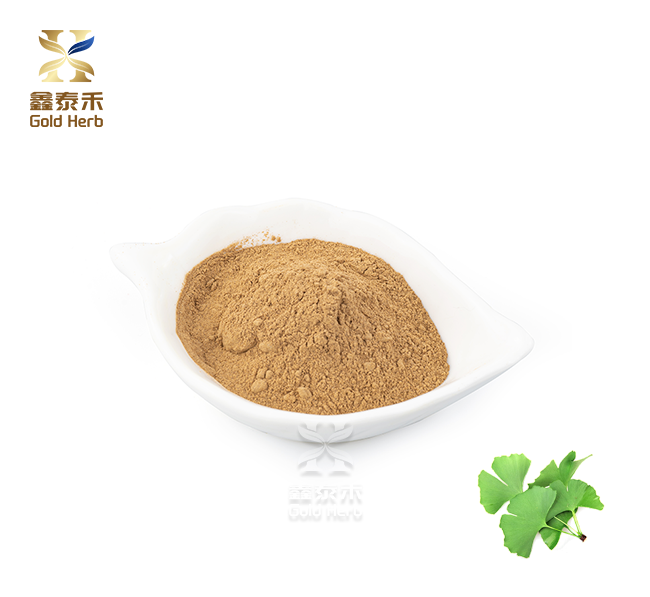
Ginkgo biloba leaf extract powder is a powder made from ginkgo biloba leaves that is used in many brain health products. This powder is scientifically proven to increase brain blood flow and antioxidant processes, which in turn improve brain function. This standardized plant extract has 6% terpene lactones and 24% flavone glycosides. It consistently works, is safe, and follows the rules in the brain health market, which is rising quickly. These are all important business goals.
Understanding Ginkgo Biloba Leaf Extract Powder and Its Cognitive Health Benefits
The Ginkgo biloba tree, which has been around for more than 200 million years and is often called a "living fossil," has made chemicals that are good for the brain. Ginkgo extract made for professionals is much better than the plant itself. Standardized ways to get water and ethanol out of raw leaves make a powder that is very concentrated.
The Science Behind Cognitive Enhancement
One way that ginkgo extract makes the brain work better is by adding it to food. The flavone glycosides quercetin, kaempferol, and isorhamnetin are some that you might know. They are very strong antioxidants that keep brain cells from getting hurt by free radicals. Especially ginkgolides A, B, and C and bilobalide, the terpene lactones make blood vessels more flexible and keep platelets from sticking together. This makes the blood move better in the brain.
It has been shown that daily use of pure ginkgo extract can help you think more quickly, remember things, and pay attention. The item might be able to add 20 to 30 percent more blood to the brain. This is good for everyone because it feeds and nourishes brain cells.
Neuroprotective Mechanisms and Antioxidant Activity
The product does more than just help the blood flow because it is an antioxidant. Brain chemicals called neurotransmitters are changed by chemicals in ginkgo. Most of their effects are felt in the acetylcholine, dopamine, and serotonin circuits. Your mood stays calm, and your stress level goes down after you make this change. This is good for the health of your brain in general.
Ginkgo extract comes from plants and fights free radicals much better than many other ingredients. More than 150,000 µmol TE/100g is its ORAC number. This strong antioxidant action fights directly against the neuroinflammation and cell damage that come with losing your memory. It's one of the best choices for goods that help grown-ups keep their minds sharp.

How to Effectively Use Ginkgo Biloba Leaf Extract Powder in Cognitive Health Products?
When putting ginkgo extract into products for brain health, it's important to think about the best amount, how the products will be delivered, and how stable they will be. There is clinical proof that suggests taking between 120 mg and 240 mg of pure extract every day. Lower doses help the brain in general, while bigger doses are only used for certain treatments.
Optimal Dosage and Safety Parameters
The established safety profile of ginkgo biloba leaf extract powder allows for flexible formulation approaches across different product categories. Nutraceutical manufacturers typically incorporate 120-160mg per serving in daily supplements, while specialized nootropic formulations may utilize up to 240mg for enhanced cognitive benefits. The extract's excellent tolerability profile, demonstrated in extensive clinical trials involving over 10,000 participants, provides confidence for long-term use protocols.
Manufacturing considerations include the extract's excellent stability under normal storage conditions and its compatibility with various excipients and co-ingredients. The powder form offers superior shelf life compared to liquid alternatives, maintaining potency for 36 months when stored in tightly sealed containers protected from light and moisture.
Formulation Strategies and Delivery Formats
Modern cognitive health products leverage multiple delivery mechanisms to optimize bioavailability and consumer acceptance. Capsule formulations remain the most popular format, offering precise dosing and enhanced stability. Tablet formats require careful attention to compression characteristics, as ginkgo extract can exhibit slight hygroscopic properties that may affect manufacturability.
Modern ways of delivering drugs, like enteric-coated pills and sustained-release tablets, make sure that the drugs work best by making sure they are taken at the right time. Some businesses make cognitive support grids that help with many brain health problems by mixing ginkgo extract with phosphatidylserine, omega-3 fatty acids, or B-complex vitamins.
Comparing Ginkgo Biloba Leaf Extract Powder with Alternative Cognitive Supplements
Brain-improving products come from both nature and people, so it's important to compare them before making a decision about what to make next. One thing that makes ginkgo extract stand out is that it improves circulation and protects nerves directly, which is something that not many other ingredients can do.
Efficacy Comparison with Other Botanical Extracts
Bacopa monnieri, another well-known plant that is good for the brain, helps with remembering in a way that is different from ginkgo. When you take bacopa every day for 8–12 weeks, you start to see results. But when you take ginkgo extract every day for 2–4 weeks, you start to see real cognitive gains. Since it starts to work faster, ginkgo is great for products that want to boost brain power right away.
Lion's mane mushroom extract can help you learn by increasing nerve growth factors, but it can't improve blood flow as ginkgo does. Rhodiola rosea is great at helping the body deal with stress, but it doesn't directly make the brain work better like regular ginkgo. There are special things about ginkgo biloba leaf extract powder that make it useful on its own or mixed with other ingredients to make them work better together.
Quality Differentiation and Certification Standards
Very good ginkgo extracts are cleaned very well to get rid of ginkgolic acids that could be harmful. The amounts drop from 1000 to 2000 ppm in raw leaves to less than 5 ppm in pharmaceutical-grade products. The exact flavone and lactone amounts are used in this process to make sure that all production runs have the same healing effect.
Ginkgo biloba leaf extract powder: Approval as organic makes a product more valuable on the market, but it needs to be shown that the farming methods used for organic farming don't lower the amounts of valuable chemicals. It is very important to have heavy metals, pesticide residues, and microbiological contaminants tested by a third party for organic goods because growing them organically may make them more open to contaminants from the outside.

Procurement Insights for B2B Buyers in the Cognitive Health Sector
To find good ginkgo extract in a smart way, you need to know the many things that affect price, quality, and source safety. Prices for ginkgo on the world market change with the seasons because it depends on how well the trees are picked in the main places where they grow. Working with buyers for a long time is the best way to keep costs low.
Supplier Evaluation and Quality Assurance
A business keeps a lot of paperwork, like a Certificate of Analysis (CoA) for each batch, to show that they follow USP, EP, or private standards. To check the quality, it's important to keep track of how much ginkgolic acid is there, do HPLC tests to see how many flavones and lactones are there, and do TLC tests to see how many chemicals are there. Suppliers should be able to keep track of leaves all the way through the last steps of extraction and regulation.
How good the goods are and how steady the supply is depend a lot on the skills that are needed to make them. Some of the best businesses spend a lot of money on high-tech extraction tools like molecular distillation units and supercritical CO₂ systems that accurately separate and compress chemicals. These changes in technology have made groups more regular, and variations in quality are less likely to affect how well the main product works.
Pricing Dynamics and Contract Negotiations
On the market, the most expensive ginkgo biloba leaf extract powder costs between $48.55 and $58.55 per kilogram. The exact cost depends on what the buyer needs, how much they want, and how readily the provider is available. Prices change based on how much it costs to get raw materials, how hard it is to get rid of them, the need for standards, and how popular something is. When you buy in bulk, you often save a lot of money. A one-year deal can save you 15% to 25% if you buy things as they come up.
People from other countries need to make sure the supply chain works well because ginkgo extract needs to be carefully handled while being shipped so that it stays stable. Most well-known sellers give you more than one shipping choice, like air freight for fast sales and combined shipping for everyday items that saves you money. How you pay, and the money you use, can help you save money when you buy a lot of things.
Ensuring Product Quality and Regulatory Compliance
If you want to work in the brain health business with Ginkgo biloba leaf extract powder, you need to pay close attention to quality standards, paperwork requirements, and ways to keep track of things over time. As rules and laws vary from market to market, it is important for sellers to understand these differences so that their goods can be sold all over the world.
Standardization and Analytical Verification
Standardized ginkgo extract standards make sure that the medicine works the same way from one batch or seller to the next. A good way to measure the quality of different items is to use the 24/6 standard, which is made up of 24% flavone glycosides and 6% terpene lactones. With advanced analytical tools like HPLC-MS and NMR spectroscopy, it is possible to carefully look at the patterns of active substances and find any possible contaminants.
Checking the active ingredients is only one part of quality control. Full safety tests are also part of it. The food is safe for people to eat after it has been checked for heavy metals, chemicals, and bacteria. Customers are told how to store a product and that it has a certain shelf life. Tests show that the product stays stable at different temperatures and levels of humidity.
Certification Requirements and Regulatory Compliance
FDA registration provides essential market access for US distribution, while additional certifications, including ISO9001, HACCP, HALAL, and KOSHER, expand global market opportunities. Each certification requires documented quality management systems and regular third-party audits to maintain compliance status. Suppliers maintaining multiple certifications demonstrate commitment to quality excellence and market accessibility.
More and more, it's important to back up health claims and be clear about where goods come from. The rules are always changing. Leading companies are willing to change to meet new needs. They give customers the most up-to-date records and help with reformulating when it's needed to stay in line with regulations in more than one market.
Conclusion
The powdered ginkgo biloba leaf extract is a scientifically proven and financially successful way to make brain health products. Its unique mix of benefits for the blood system and the brain, backed by a lot of clinical studies, makes it a special ingredient for companies that want to set their goods apart in the competitive cognitive health market. The uniform 24/6 design makes sure that the quality and effectiveness are always the same, and the large amount of safety data supports governmental approval in all global markets. To successfully add this plant extract, you need to pay close attention to choosing the right seller, making sure the quality is high, and making sure the mixture is optimized to get the most medicinal benefits for the least amount of money.
FAQ
1. What makes ginkgo biloba extract different from raw ginkgo leaves?
Standardized ginkgo extract concentrates active compounds to therapeutic levels while removing potentially harmful ginkgolic acids. Raw leaves contain inconsistent active compound levels and elevated ginkgolic acid concentrations that may cause adverse reactions.
2. How should ginkgo extract be stored to maintain potency?
Keep in cases with tight lids that are out of the way of light, heat, and water. If you want to store something, it should be between 15°C and 25°C and have less than 60% relative humidity. It can work for up to 36 months if you store it this way.
3. What analytical methods verify ginkgo extract quality?
Both the HPLC and TLC methods are used to prove the chemical makeup. The HPLC method measures flavone glycosides and terpene lactones. Some of the other things that are checked for are ginkgolic acid levels, heavy metals, pesticides, and bacterial contaminants.
4. Can ginkgo extract be combined with other cognitive ingredients?
Yes, ginkgo extract shows excellent compatibility with phosphatidylserine, omega-3 fatty acids, and B vitamins. Synergistic formulations often provide enhanced cognitive benefits compared to single-ingredient products.

Partner with Gold Herb for Premium Ginkgo Biloba Solutions
Gold Herb stands as your trusted ginkgo biloba leaf extract powder supplier, delivering pharmaceutical-grade botanical ingredients that meet the highest industry standards. Our strategic partnership with Academician Li Xiaokun's research team and advanced extraction capabilities ensures consistent quality and potency in every batch. With FDA, ISO9001, HACCP, HALAL, and Kosher certifications, our products satisfy global regulatory requirements, while our 24-hour inventory fulfillment and customized formulation services support your development timelines. Contact our team at info@newgoldherb.com or visit newgoldherb.com to discover how our premium ginkgo extract solutions can elevate your cognitive health product portfolio.
References
1. DeKosky, Steven T., et al. "Ginkgo biloba for prevention of dementia: a randomized controlled trial." Journal of the American Medical Association, vol. 300, no. 19, 2008, pp. 2253-2262.
2. Birks, Jacqueline, and John Grimley Evans. "Ginkgo biloba for cognitive impairment and dementia." Cochrane Database of Systematic Reviews, no. 1, 2009, Article CD003120.
3. Kennedy, David O., et al. "Acute cognitive effects of standardised Ginkgo biloba extract complexed with phosphatidylserine." Human Psychopharmacology: Clinical and Experimental, vol. 22, no. 4, 2007, pp. 199-210.
4. Mahadevan, Satya, and Youngsoo Park. "Multifaceted therapeutic benefits of Ginkgo biloba L.: chemistry, efficacy, safety, and uses." Journal of Food Science, vol. 73, no. 1, 2008, pp. R14-R19.
5. Singh, Balvinder, et al. "A review on pharmacological activity of Ginkgo biloba L." International Journal of Pharmaceutical Sciences Review and Research, vol. 40, no. 1, 2016, pp. 125-131.
6. Weinmann, Stefan, et al. "Effects of Ginkgo biloba in dementia: systematic review and meta-analysis." BMC Geriatrics, vol. 10, 2010, pp. 14-28.

Send Inquiry
Related Industry Knowledge
- Fenugreek Benefits: Testosterone, Blood Sugar & Health Support
- The Truth About Ergothioneine for Skin and Anti-Aging
- Boswellia Extract Powder vs Curcumin: Which for Joint Health Products
- Ergothioneine vs CoQ10: Which Supports Cellular Energy Better?
- Where to Buy Pharmaceutical-Grade Cyanotis Arachnoidea Extract?
- Sodium Copper Chlorophyllin Powder for Food & Cosmetics
- Natural 5-Hydroxytryptophan (5-HTP) Powder Supplier for Functional Nutrition Products
- What Is Ergothioneine Powder? Benefits, Uses, and Market Insights
- How to Use MCT Oil Powder for Weight Loss
- OEM Phycocyanin Powder Solutions for Brand Owners