
Top Applications of Urolithin A in Nutraceutical and Cosmetic Formulations
Mar 16, 2026
As a naturally occurring intestinal metabolite, Urolithin A (UA) has—thanks to its unique mechanism of action targeting mitochondrial autophagy, robust scientific backing, and exceptional safety profile—gradually expanded beyond the realm of longevity and anti-aging research to penetrate two core market sectors: nutritional supplements and cosmetics. Driven by breakthroughs in synthetic biology and formulation technologies, high-purity Urolithin A is now being mass-produced on a commercial scale. Its core strengths—characterized by "cellular-level anti-aging efficacy, natural safety, and versatile multi-functional adaptability"—perfectly align with the product innovation demands of these two industries. Consequently, it has emerged as a pivotal ingredient for upgrading product formulations and breaking through the challenges of homogenized competition; its application scenarios within these two sectors are continuously diversifying, and its market potential continues to unfold.
Urolithin A is derived from ellagitannins found in natural food sources such as pomegranates, strawberries, and walnuts, and is produced through metabolic conversion by the human gut microbiota. Its natural origin endows it with exceptional human compatibility and safety; it does not require hepatic metabolism, and its metabolic byproducts are excreted via urine. Long-term use presents no significant side effects, and the compound has successfully obtained numerous international certifications, including US GMP, NSF, and FDA GRAS status, as well as approval from the EU’s EFSA. The mass production of high-purity Urolithin A (exceeding 98% purity)—coupled with the application of advanced formulation techniques such as supramolecular co-crystallization enhancement and liposomal encapsulation—has effectively resolved critical challenges regarding its naturally low metabolic conversion rate, insufficient bioavailability, and poor stability. This progress has laid a solid foundation for its widespread incorporation into nutritional supplement and cosmetic formulations, thereby accelerating its rapid transformation from a "niche research ingredient" into a "mainstream commercial raw material."
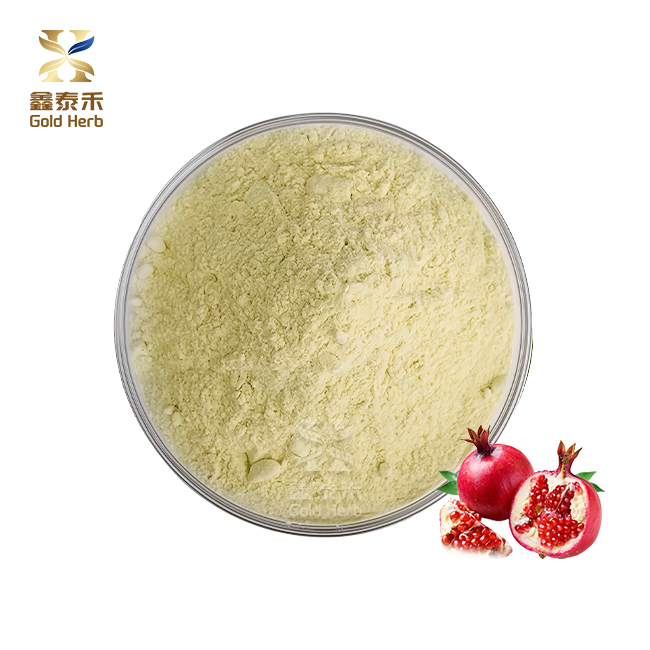
Key Applications of Urolithin A in Nutritional Supplement Formulations
The field of nutritional supplements represents the most mature and central application scenario for Urolithin A today. Leveraging its multifaceted benefits—including the activation of mitochondrial autophagy, anti-inflammatory and antioxidant properties, and the mitigation of muscle and neurological decline—its application in formulations focuses on "cellular-level anti-aging" and "targeted wellness." Adaptable to diverse demographics and various dosage forms, it has fostered a diversified product matrix. Notably, the scientific co-formulation strategy of "Urolithin A + X" has emerged as a mainstream industry trend, effectively balancing synergistic efficacy with market competitiveness.
(I) Core Application Directions and Formulation Logic
The application of Urolithin A in nutritional supplement formulations revolves primarily around the theme of "mitochondrial care." By addressing the specific wellness needs of different demographics, it has branched into three major application directions. Formulation design prioritizes scientific dosing and synergistic efficacy—avoiding the mere "stacking" of isolated ingredients—to achieve a wellness outcome where the combined effect is greater than the sum of its parts (1+1 > 2).
1. Anti-Aging and Longevity Formulations:These formulations champion "anti-aging at the cellular root level" and are primarily tailored for middle-aged to elderly populations, as well as individuals seeking early-stage anti-aging intervention. Centered on Urolithin A, these formulations incorporate complementary ingredients such as PQQ, spermidine, NR, and AKG to construct a comprehensive, closed-loop anti-aging system encompassing "mitochondrial repair + biogenesis + energy replenishment." Specifically, Urolithin A is responsible for activating mitochondrial autophagy and clearing damaged mitochondria; PQQ promotes the biogenesis of new mitochondria; spermidine enhances general cellular autophagy; while NR and AKG work synergistically to elevate NAD+ levels, thereby comprehensively delaying cellular senescence. A reference dosage for such formulations typically involves 5–10 mg of Urolithin A per serving, paired with 5–10 mg of PQQ and 3–6 mg of spermidine. This approach, which aligns closely with the recommended daily intake ranges for adults, has become the core formulation logic for premium anti-aging supplements. For instance, the *Pdnaxi Puhuanqing* Anti-Aging Capsules utilize a co-formulation of Urolithin A, PQQ, and spermidine to achieve an evolutionary upgrade—shifting the focus from mere "surface-level antioxidant defense" to "revitalization at the cellular root." 2. **Muscle and Physical Vitality Support Formulas:** Focused on addressing muscle decline in middle-aged and elderly individuals, as well as the post-exercise recovery needs of fitness enthusiasts, these formulas center on Urolithin A. This core ingredient is combined with creatine, branched-chain amino acids (BCAAs), Vitamin D, and other components. Urolithin A works by repairing mitochondrial damage within muscle cells and boosting muscle energy supply, thereby reducing post-exercise muscle damage and accelerating recovery. Meanwhile, creatine and BCAAs provide supplementary muscle nutrition and enhance muscle strength. Clinical studies have demonstrated that daily supplementation with Urolithin A over a continuous four-month period can significantly boost leg muscle strength in middle-aged individuals by approximately 12%. These formulas are ideally suited for sports nutrition and physical vitality maintenance for the middle-aged and elderly; currently, numerous sports nutrition supplements have incorporated Urolithin A into their formulations, thereby expanding their target audience.
3. Neurological and Systemic Wellness Formulas:Designed to address issues such as cognitive decline in the middle-aged and elderly, as well as energy depletion in individuals prone to staying up late, these formulas are built around Urolithin A. This core ingredient is paired with nervonic acid, lutein, ergothioneine, and other components. Urolithin A crosses the blood-brain barrier to activate mitochondrial autophagy within neurons—a process that protects nerve cells and improves cognitive function. Concurrently, nervonic acid aids in repairing nerve fibers, while ergothioneine enhances antioxidant protection, thereby comprehensively safeguarding neurological health and systemic cellular vitality. The dosages in these formulas are relatively moderate, with the daily intake of Urolithin A typically ranging from 10 to 50 mg, making them suitable for long-term maintenance. Furthermore, some premium products incorporate additional ingredients—such as white tomato extract and nicotinamide—to provide a holistic approach that addresses both internal skin health and systemic anti-aging.
(II) Mainstream Dosage Forms and Application Characteristics
Urolithin A demonstrates exceptional versatility regarding dosage forms within the nutritional supplement sector. Given its lipophilic (fat-soluble) nature and susceptibility to oxidation, mainstream dosage forms prioritize two core objectives: "preserving active potency" and "enhancing absorption." These forms primarily fall into three major categories:
1. Capsules (Hard and Soft): The most prevalent dosage form, accounting for over 70% of the market share. These products utilize microencapsulation technology to encase the Urolithin A, effectively preserving its active potency and protecting it from degradation by gastric acids. Simultaneously, this technology enhances both water solubility and bioavailability, making the capsules suitable for consumption by a wide range of individuals—particularly the middle-aged and elderly. Some high-end products utilize liposomal encapsulation technology to further enhance absorption efficiency; for instance, certain imported Urolithin A capsules demonstrate a bioavailability that is 4.62 times higher than that of standard capsules.
2. Tablets and Chewable Tablets: These forms are tailored for consumers who prioritize convenience—such as adolescents and working professionals. Produced via a tablet-compression process, they incorporate appropriate amounts of fillers and disintegrants to ensure a mild taste and ease of administration. Furthermore, coating technologies are employed to protect the bioactivity of Urolithin A and prevent oxidative degradation caused by light exposure. These dosage forms typically feature compound formulations; in addition to Urolithin A, they are blended with various vitamins and minerals to address both daily nutritional supplementation and anti-aging requirements.
3. Powders: Primarily utilized in functional foods and meal-replacement products, powders can be consumed directly (mixed with water) or added to beverages and complementary foods. This format caters to personalized nutritional needs—particularly for individuals requiring precise control over their dosage. Powders are produced using ultrafine pulverization technology, resulting in fine particle sizes that facilitate rapid dissolution and absorption. Moreover, as they contain no unnecessary excipients, their purity can exceed 99%, making them an ideal choice for consumers who prioritize high-purity ingredients.
(III) Considerations for Formulation Applications
1. Dosage Control:The recommended daily intake for Urolithin A ranges from 10 mg to 1000 mg; however, dosages vary significantly depending on the specific application scenario. For anti-aging formulations, a recommended dosage of 5–50 mg per serving is suggested, while formulations targeting muscle maintenance may be appropriately increased to 50–100 mg per serving. It is imperative to strictly adhere to clinically validated effective dosages to avoid compromising efficacy through either excessive or insufficient intake.
2. Stability Protection: Urolithin A is susceptible to oxidation and degrades easily upon exposure to light. Consequently, formulations must incorporate appropriate antioxidants (such as Vitamin E or tea polyphenols) and utilize technologies—such as microencapsulation or coating—to prevent contact with air and light, thereby ensuring the product retains its full bioactivity and efficacy throughout its shelf life.
3. Compatibility in Compound Formulations: Urolithin A exhibits strong synergistic effects when combined with ingredients such as PQQ, spermidine, and ergothioneine, thereby enhancing overall efficacy. However, it is essential to avoid combining Urolithin A with high-concentration acidic ingredients or heavy metal compounds, as such combinations may compromise its stability and bioavailability. Formulation design should strictly adhere to the principles of "scientific synergy and the elimination of redundant additives."
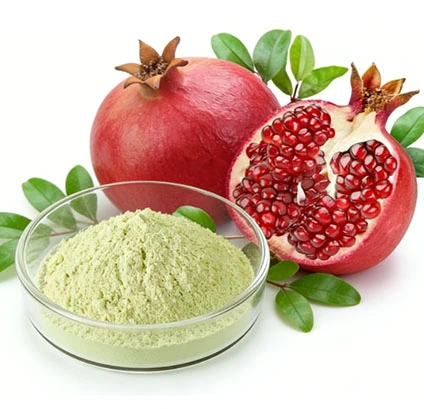
Key Applications of Urolithin A in Cosmetic Formulations
With the rise of consumer trends favoring "natural skincare" and "cellular anti-aging," Urolithin A has gradually emerged as a "new favorite" in cosmetic formulations—thanks to its efficacy in providing cellular-level antioxidant protection, anti-inflammatory repair, and delaying skin aging. It is particularly well-suited for the high-end anti-aging and sensitive-skin repair sectors. Its core advantage lies in its ability to penetrate the skin's surface and act directly upon the mitochondria within skin cells, thereby addressing skin aging issues at their very root. Furthermore, being natural, safe, gentle, and non-irritating, it is compatible with a wide range of skin types. Currently, it is widely incorporated into various cosmetic product forms, including serums, creams, and facial masks.
(I) Core Application Directions and Formulation Logic
The application of Urolithin A in cosmetic formulations centers primarily on "cellular anti-aging and repair." By addressing the core pain points associated with skin aging, it has given rise to three major formulation directions. Formulation design places a strong emphasis on transdermal absorption and synergistic efficacy, while simultaneously prioritizing gentleness and safety.
1. Cellular-Level Anti-Aging Formulations: These formulations focus on "anti-wrinkle effects, firming, and brightening," catering to mature skin and those seeking early anti-aging care. Their core objective is to resolve issues such as skin laxity, fine lines, and dullness. These formulations feature Urolithin A as the central active ingredient, paired with complementary antioxidants such as ergothioneine, astaxanthin, and retinol. Urolithin A functions by activating mitochondrial autophagy within skin cells—clearing damaged cells, repairing mitochondrial damage, mitigating free radical damage to skin cells, and inhibiting collagen degradation. Meanwhile, ergothioneine and astaxanthin bolster antioxidant defenses, while retinol promotes collagen regeneration, thereby synergistically delivering a dual effect: "root-cause anti-aging" combined with "surface line reduction." The recommended inclusion level ranges from 0.05% to 0.5%, with concentrations between 0.1% and 0.3% considered clinically effective. For instance, skincare products under the Pdnaxi "Puhuanqing" line utilize a synergistic blend of Urolithin A and ergothioneine; clinical testing over an eight-week period demonstrated a significant improvement in both skin elasticity and radiance.
2. Sensitive Skin Repair Formulations:Designed for sensitive and compromised skin, these formulations primarily address issues such as redness, stinging sensations, and impaired skin barriers. Centered around Urolithin A, the formulas incorporate complementary reparative ingredients such as ceramides, hyaluronic acid, and panthenol. Urolithin A works by inhibiting inflammatory pathways within the skin—reducing the release of inflammatory cytokines and alleviating inflammatory reactions—while simultaneously repairing mitochondrial function in skin cells to bolster cellular resilience. Ceramides and hyaluronic acid work to restore the skin barrier and lock in moisture, while panthenol soothes the skin and gently facilitates the repair of damaged tissue. These formulations are well-suited for the daily care of sensitive skin; to minimize the risk of irritation, Urolithin A is incorporated at relatively gentle concentrations, typically ranging from 0.05% to 0.1%.
3. Photoaging Protection Formulations:Targeted at skin photoaging caused by ultraviolet (UV) radiation—manifesting as dark spots, dullness, and rough texture—these formulations feature Urolithin A as their core active ingredient, complemented by sunscreens, Vitamin C, white tomato extract, and similar ingredients. Urolithin A functions by scavenging free radicals generated by UV exposure, thereby mitigating oxidative damage to skin cells and delaying the progression of photoaging. Sunscreen agents provide a protective shield against UV-induced harm, while Vitamin C and white tomato extract work to inhibit melanin synthesis and brighten the complexion. Together, these ingredients create a synergistic "Protection + Repair" dual-action effect, making the formulations ideal for daily sun protection and photoaging recovery. The typical inclusion level for Urolithin A in these formulations ranges from approximately 0.1% to 0.3%.
(II) Mainstream Dosage Forms and Application Characteristics
In cosmetic applications, the formulation of Urolithin A primarily focuses on resolving challenges related to transdermal absorption and stability. Tailored to various skincare scenarios, the mainstream dosage forms currently fall into four primary categories:
1. Serums / Skin Boosters:These represent the core application format for Urolithin A, typically featuring higher concentrations (ranging from 0.1% to 0.5%). Designed for intensive anti-aging and reparative effects, these products utilize advanced delivery technologies—such as liposomal encapsulation and nano-emulsification—to enhance the transdermal absorption rate of Urolithin A. This enables the active ingredient to penetrate the skin's surface layers and reach the cells within the dermis, thereby exerting its anti-aging efficacy at a cellular level. Products in this category are predominantly positioned within the premium market segment; their formulations are often streamlined and minimalist, designed to highlight the core efficacy of Urolithin A while incorporating only minimal auxiliary ingredients to optimize skin feel and absorption efficiency.
2. Creams/Lotions:Designed for daily skincare routines, these products feature relatively mild inclusion levels (0.05%–0.2%). They strike a balance between anti-aging and moisturizing benefits; their formulas incorporate appropriate amounts of oils and emulsifiers to form a protective film that minimizes the oxidation of Urolithin A while simultaneously locking in skin moisture. Suitable for daily use across all skin types, they are particularly beneficial for dry and mature skin.
3. Face Masks:Focused on immediate repair and brightening, these products typically contain Urolithin A at concentrations ranging from 0.1% to 0.3%. Utilizing a sheet mask format soaked in essence, Urolithin A rapidly penetrates the skin's surface to alleviate signs of fatigue and dullness, while repairing damaged skin cells. When combined with ingredients such as hyaluronic acid and Vitamin B5, these masks provide instant hydration and soothing relief, making them ideal for post-sun exposure recovery or for revitalizing skin after a late night.
4.Lyophilized Powders: Emphasizing high potency and targeted repair, these products utilize freeze-drying technology to preserve the biological activity of Urolithin A and prevent oxidation. Prior to use, the powder is mixed with a solvent to achieve concentrations exceeding 0.5%. This format is ideally suited for the targeted repair of sensitive or damaged skin, as well as for deep-level anti-aging treatments for mature skin, delivering results that are both more direct and highly efficient.
(III) Formulation Application Considerations
1. Concentration Control:The inclusion level of Urolithin A in cosmetic products must be strictly controlled within the range of 0.05% to 0.5%. Concentrations that are too low may fail to deliver the desired efficacy, whereas concentrations that are too high could lead to skin irritation (such as redness or a stinging sensation). For formulations designed for sensitive skin, it is recommended to limit the concentration to between 0.05% and 0.1%; for anti-aging formulations, this level may be increased to between 0.1% and 0.3%.
2. Optimization of Transdermal Absorption:Given that Urolithin A is highly lipophilic (fat-soluble) and possesses a relatively low transdermal absorption rate, cosmetic formulations must employ specific technologies to enhance its skin penetration. These techniques include liposomal encapsulation, nano-emulsification, and the use of penetration enhancers (such as ceramides or hyaluronic acid derivatives) to ensure the active ingredient effectively reaches and interacts with skin cells to exert its core benefits. Furthermore, certain high-end products utilize complex "simulated targeted absorption" technologies, which can further optimize the penetration rate of the active ingredient. 3. **Balancing Stability and Skin Feel:** Urolithin A is prone to oxidation; therefore, antioxidants (such as tocopherol or glutathione) must be incorporated into the formulation. Furthermore, to prevent degradation, it is essential to avoid combining it with strongly acidic or alkaline ingredients. Additionally, careful consideration must be given to skin feel to prevent the product from becoming sticky or prone to pilling as a result of Urolithin A inclusion; appropriate amounts of thickeners and emulsifiers may be added to optimize the product's texture.
4. Regulatory Compliance:Products must adhere to the cosmetic ingredient compliance standards of various nations, ensuring the purity and safety of the Urolithin A used. It is critical to avoid utilizing low-purity raw materials that contain impurities. Concurrently, ingredient concentrations should be clearly labeled to meet consumer demands for "ingredient transparency." Moreover, some high-end products undergo independent testing—such as through SGS—to further validate product quality.
Application Trends and Market Prospects of Urolithin A Across Two Major Sectors
Driven by consumer upgrades and technological iterations, the application of Urolithin A in nutritional supplements and cosmetic formulations is set to deepen continuously, exhibiting three distinct trends: First, *multi-ingredient compounding is becoming the mainstream*; synergistic "Urolithin A + X" formulations—combining ingredients such as PQQ, ergothioneine, and collagen peptides—are constantly diversifying to create products with greater specificity and more comprehensive efficacy. A prime example is the "closed-loop" anti-aging products currently on the market, which leverage multi-ingredient synergy to achieve a holistic effect of "internal regulation and external nourishment." Second, *dosage form innovation is advancing*; nutritional supplements are evolving toward convenient and personalized formats (e.g., lozenges, powder sticks), while cosmetics are upgrading to highly efficient and gentle formulations (e.g., microneedle patches, liposomal serums), thereby further enhancing user experience and product efficacy. Third, *application scenarios are becoming increasingly segmented*; the ingredient is gradually penetrating niche consumer groups—such as adolescents seeking fatigue relief or individuals with sensitive skin requiring precision repair—thereby tapping into more precise and specific market demands.
In terms of market prospects, the application market for Urolithin A demonstrates robust growth momentum. Within the nutritional supplement sector, the global market for urolithins is projected to reach a sales volume of 2.99 billion RMB by 2031; specifically, the market for pharmaceutical-grade Urolithin A is expected to reach 4.22 billion RMB, reflecting a compound annual growth rate (CAGR) of 8.8%. In the cosmetics sector, driven by the sustained surge in demand for high-end anti-aging and natural skincare products, the number of newly registered skincare products containing Urolithin A is increasing year by year. These products command a price premium of more than double that of standard products, reflecting their continuously rising market acceptance. As a core global growth engine—bolstered by ever-increasing demand for health and skincare products, as well as advantages in large-scale manufacturing—China is poised to become the primary driving force behind the Urolithin A application market.
Conclusion:
Leveraging its core strengths—namely its natural origin, safety profile, and cellular-level anti-aging capabilities—Urolithin A has achieved deep market penetration within both the nutritional supplement and cosmetics sectors, emerging as a pivotal catalyst for product innovation in both fields. Whether facilitating "internal regulation and nourishment" in nutritional supplements or enabling "external repair and anti-aging" in cosmetics, Urolithin A empowers products through its unique mechanism of action, while simultaneously aligning perfectly with consumers' core demands for products that are "natural, effective, and safe." With the continuous iteration of technology and the constant expansion of application scenarios, Urolithin A is poised to unlock even broader avenues for growth within the fields of nutritional supplements and cosmetics, emerging as a driving force at the forefront of the natural anti-aging ingredients market.
As a trusted Urolithin A supplier serving over 200 customers across 30+ countries, we provide customized solutions including formulation development, packaging specifications, and OEM/ODM support. Contact our expert team at info@newgoldherb.com to explore our complete product portfolio, request samples, and discover how our premium ingredients can enhance your formulations while meeting your sustainability and quality objectives.

Send Inquiry
Related Industry Knowledge
- Resveratrol: The Secret Behind Anti-Aging Supplements
- Urolithin A vs Spermidine: Which Works Better for Cellular Renewal?
- Astaxanthin Benefits for Skin, Eyes, and Anti-Aging
- Fisetin for Anti-Aging: Senolytic Power Explained for B2B Buyers
- Does garcinia extract help with belly fat?
- Blue Matcha Butterfly Pea Flower Powder Price Guide for Global Buyers
- Senna Extract vs Senna Powder: Which Works Better for Digestive Health?
- 5-Hydroxytryptophan for Mood and Sleep Support: A Key Nutraceutical Ingredient
- What Is Ergothioneine? Benefits, Applications, and Market Potential
- Ergothioneine: Unlocking B2B Opportunities in the Functional Nutrition Market