
What Is Matcha Powder? Uses, Applications and Selection Guide
Sep 04, 2026
Matcha Powder represents a specialized category of botanical ingredient derived from Camellia sinensis leaves, cultivated under controlled shading conditions to enhance chlorophyll and amino acid concentration. The industrial application of matcha extends beyond traditional tea ceremonies, serving as a functional raw material in nutraceuticals, cosmetics, functional beverages, and fortified food systems. Its appeal lies in standardized phytochemical content—particularly catechins and L-theanine—that delivers consistent bioactivity across formulations. Understanding the technical specifications, quality parameters, and sourcing strategies becomes vital as B2B buyers navigate the competitive landscape of natural plant extracts for product innovation and market differentiation.
Matcha Powder Specifications
|
Item |
Specification |
|
Product Name |
Matcha Powder |
|
Botanical Source |
Camellia sinensis |
|
Plant Part |
Tea Leaves |
|
Appearance |
Green Fine Powder |
|
Color |
Green to Bright Green |
|
Particle Size |
Customizable |
|
Main Components |
Tea Polyphenols, Catechins, Caffeine, L-Theanine, Chlorophyll |
|
Solubility |
Dispersible in Water |
|
Test Method |
According to Product Specification |
|
Shelf Life |
24 Months |
|
Storage |
Cool, Dry and Protected from Light |
Final specifications are confirmed according to the selected product and batch.
Understanding Matcha Powder: Definition, Composition, and Benefits
What Distinguishes Traditional Matcha from Alternative Color Powders?
This type of green matcha is made from tea leaves that are grown in the shade and go through certain changes as they are grown. Plants can store chlorophyll and build up L-theanine when they are not exposed to light for a controlled amount of time. But now the market is open to plant-based alternatives like Blue Matcha Butterfly Pea Flower Powder from Clitoria ternatea L., which looks great and works well without caffeine (Journal of Food Science, 2019). Based on the pH level, this purple-blue powder changes color. It is 99% pure. When the pH level is normal, it is blue. When acidic substances are added, it turns purple or pink. When the pH level is high, it turns a little green. It has strong antioxidant properties because it has a lot of anthocyanin, which is similar to what EGCG does for traditional matcha. Because of this, businesses that want to reach people who are sensitive to caffeine or looking for natural colorant solutions can use it with a clean label.
Nutritional Profile and Bioactive Compounds
Butterfly pea flower powder and traditional green matcha both have a lot of phytochemicals that help health products work better. For every cup of green tea that you drink, green matcha has about 137 times more epigallocatechin gallate (EGCG). Also, it has a small amount of caffeine, which is good for your brain (Nutrients Journal, 2020). Anthocyanins, which are found in butterfly pea flower powder, help the body make more collagen and fight toxic stress. Because of this, it can be used to make anti-aging products and drinks that are good for you. These bioactive chemicals don't change when heated and are easy to dissolve in water. This is very helpful for research and development teams that have to deal with complicated mixtures of ingredients in drinks or vitamins that come in capsules.
Why B2B Buyers Prioritize These Ingredients
People decide what to buy based on a lot of linked things that affect how well the product works and how well it follows the law. More and more goods are using "clean labels," which means they need plant-based ingredients that come from clear sources and are handled as little as possible. Butterfly pea flower Matcha Powder fits this trend because it is made from all-natural ingredients and has been approved by the FDA, ISO9001, HACCP, HALAL, and Kosher agencies. People who like to try new things will be interested in functional drinks with color-changing properties because they look interesting. "Magic lemonade" ideas are especially popular in these categories. Because it doesn't contain caffeine, supplement companies have more options for using it in evening wellness formulas and children's nutrition products that need to avoid stimulants.
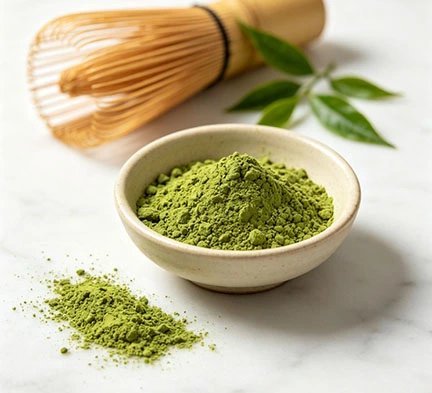
How to Use Matcha Powder Effectively in Industrial and Commercial Settings
Formulation Techniques for Beverage Manufacturing
When you add plant powders to liquids, you need to be aware of the particle size distribution, how well the powders dissolve, and the highest and lowest temperatures that can be used for processing. Butterfly pea flower powder is easy to mix with water and stays stable through scalding up to 85°C. This keeps the structure of the anthocyanins intact during heat treatment (Food Chemistry, 2021). High-shear mixing is what drink makers should use to get even distribution and stop sedimentation issues that make the dose look and feel off. No changes were made to the taste of the carbonated drinks, functional energy drinks, or alcoholic drinks that were mixed with the powder. But if the quantity is more than 0.5% by weight, it might begin to smell a bit earthy. Small amounts of water added before the bulk helps the color develop better and prevents clumps in production lines that are always running.
Application Strategies in Supplement Production
It can be tricky for nutraceutical manufacturers to mix plant powders with other materials. Among these problems are the powders' susceptibility to water, the chance of reactive breakdown, and the need for official paperwork. If you handle blue matcha butterfly pea flower powder the right way, it will stay stable for more than 24 months from sources that store their goods in controlled conditions, like dark, tightly sealed packages. The low bulk density and fine particle structure of the powder help the encapsulation process. This means that capsule filling works well without the need for extra flow agents. Anthocyanins like water, so tablet recipes need to improve the binder better. When the inclusion rate is less than 30%, though, straight compression is still possible. As part of quality control, HPLC measurement should be used to check the amount of anthocyanin. What's written on the label should match the claims about strength. This will also help back up marketing materials that say something works.
Cosmetic Integration and Formulation Stability
More and more, botanical actives are being used in personal care products to meet customer expectations for lists of natural ingredients and promises of useful benefits. The flower extract from the butterfly pea works well with emulsion systems and keeps its color fixed in the pH range (4.5–7.0) that skin care products usually have. The antioxidants help keep the mixture from rusting and help sell the product by saying it can slow down aging and make skin look brighter. If cosmetic scientists want to do accelerated stability testing, they should follow the ICH standards and keep an eye on how much color stays the same and how much active content breaks down over artificial shelf-life periods. You can add the powder to serums, creams, masks, and oils without changing the way they feel. However, the amount may need to be changed to get the look you want without changing how the product feels.
Matcha Powder Selection Guide: Quality, Types, and Procurement Tips
Evaluating Quality Parameters and Certification Standards
You need to know the technical differences between cheap and expensive plant powders before you can judge their quality. Blue Matcha Butterfly Pea Flower Powder is said to be 99% pure, which means it has a lot of active ingredients and not many fillers. This is not the same as watered-down extracts that have maltodextrin or silica flow agents in them. It's clear that the supplier takes strict documentation and process control very seriously if they have proof of FDA registration, ISO 9001 quality management systems, HACCP hazard analysis protocols, and religious certifications like Halal and Kosher. For buying things, teams should ask for Certificates of Analysis (CoA) that list the limits of microbes, heavy metals (like lead, arsenic, cadmium, and mercury), pesticide residue tests, and anthocyanin content checks that were done using approved analytical methods. Samples from suppliers can be used to test suitability on a bench before big orders are placed. Changes to the formulation are less likely to go wrong and will cost less.
Comparing Botanical Alternatives for Different Applications
Whether you choose standard green matcha or butterfly pea flower powder depends on how the product is presented, what it does, and how it tastes. Traditional matcha has a modest amount of caffeine, which means it works well for products that give you energy but might not work as well for products that help you relax at night or for people who are sensitive to caffeine. These problems can be solved with butterfly pea flower powder, which gives things a unique look by changing colors based on pH levels. This makes the experience more fun for customers. Since it doesn't have caffeine, it can be used in more situations where not having caffeine is a good thing, like in children's diets, during pregnancy, and to help people sleep. There are also differences in how they taste. Like, green matcha adds grassy and umami notes that work well with some drink styles but might need to be masked in others. On the other hand, butterfly pea flower powder doesn't change the taste of things much, which helps you make the best recipes.
Supplier Evaluation and Partnership Criteria
Possible partners must be carefully screened in more ways than just price in order to build strong supply relationships. There is a seller called Shaanxi Gold Herb that can help you save time and money in the long run. Vertically integrated sourcing networks give you access to plants that can only be found in that area. They also have a technical support infrastructure backed by university research partnerships and legal knowledge that helps you deal with the rules that apply to businesses around the world. Because the company works with Academician Li Xiaokun's team and Wenzhou University's research and development tools, they can help with formulation issues and show that their products work, which is more than just selling ingredients. It's very important to know how to handle your supplies well. You can ship orders 24 hours a day if you keep more than a ton of standard specs in stock. It takes 7–15 working days to make custom products. Faster "green channel" services that deliver within 5–7 days are very helpful for dealing with supply chain problems or rapid demand spikes when you need to buy something quickly.
Procurement Strategies for Matcha Powder: Buying, Bulk Sourcing, and Supplier Relations
Optimizing Order Quantities and Pricing Negotiations
Price methods that are based on volume support smart buying, which lowers the cost of keeping inventory while also increasing sales per unit. Specialty botanical Matcha Powders are usually priced in tiers, with big price cuts at 100 kilograms, 500 kilograms, and metric tons. Usually, 25 kilograms is the least amount that can be ordered. Before placing big orders, buyers should look at how they plan to use the goods and how that will affect their cash flow. They should also think about how long the goods will last and how much space they will need. If you buy more butterfly pea flower powder, you don't have to worry about it going bad after 24 months. But things that are easily damaged by water need to be kept in places that control the temperature and humidity. Procurement teams have more negotiating power when they show they know a lot about the market, different ways to get goods, and quality standards. This is because they talk like partners instead of business partners.
Implementing Quality Verification Protocols
Plant-based products have to go through a number of steps of checks to make sure they are real. These steps keep them from being messed with, contaminated, or not meeting the requirements. Facility audits that check for GMP compliance, lab capabilities, and systems for tracking raw materials are part of the initial supplier qualification process. As part of the process of inspecting new materials, they should be looked at visually (for things like color, texture, and particle size distribution), tasted, and tested in a lab to make sure they meet important quality standards. Third-party independent lab testing gives you unbiased proof, which is very important when you are looking at a seller for the first time or moving sources. Keeping statistical process control charts and monitoring tests that look for small changes in quality before they affect how well the finished product works are good ways to keep relationships that are already in place. The government needs standards for documentation that make sure COAs are kept, lots can be tracked, and reports are reviewed. These standards also help risk management goals.
Building Strategic Supplier Relationships
There are strategic ties that allow people to work together to come up with new ideas and make the supply chain more reliable. Transactional ways of getting things miss these chances. Technical teams that talk to each other often can find out early on about changes in the market, new rules, and possible new ideas that could lead to new products. People who sell medicines, like Gold Herb, who can change the formulation, dosage form (powder, liquid, microcapsules), and packaging requirements can be like an extension of the company's own research and development team. This cuts down on the time it takes to buy new things. It takes 20 days to make an OEM or ODM recipe, which lets businesses react quickly to changes in the market or threats from rivals. When you diversify your geographic reach by using suppliers with warehouses in the U.S., you can take things like lead times and tariffs into account. Just-in-time inventory methods can work with local stock that can be shipped out in three to five business days. This way, supply security is maintained in case there are problems with international shipping.
Conclusion
There are many things you should consider when picking the right plant Matcha Powders. These include the technical details, the skills of the provider, legal compliance, and how well the powders fit with your product development goals. Blue Matcha Butterfly Pea Flower Powder is a one-of-a-kind ingredient that can be used in recipes without caffeine, is good for clean labels, and changes colors in interesting ways that keep customers interested. It is easy to use in nutraceutical, beverage, and skin care products because it is 99% pure and has a lot of different certifications. A good procurement plan strikes a balance between making sure the standard is high and getting to know people. It does this because it knows that technical support, the ability to make changes, and a dependable supply chain are often more valuable in the long run than small price cuts. As the popularity of "clean labels" and the need for natural products grows, companies can make the most of market chances by teaming up with highly skilled suppliers. These relationships will help them deal with the complicated rules and problems with quality control that come with getting botanical products.
FAQ
1. What Makes Butterfly Pea Flower Powder Different from Traditional Green Matcha?
This butterfly pea flower powder is not made from Camellia sinensis, but from Clitoria ternatea. This means that the main ingredients are different. There are more times it can be used because it doesn't have caffeine, like in evening health recipes or for people who are sensitive to caffeine. The group of phytochemicals based on anthocyanins has similar antioxidant effects through different molecular pathways. Regular green matcha doesn't have pH-responsive color features that let you interact with your drink like these do (Food Research International, 2020).
2. How Should We Store Bulk Quantities to Maintain Quality?
Light, oxygen, heat, and moisture are all things that can break down things, so storage methods should keep them to a minimum. The item needs to be kept in containers that are tightly sealed and made of opaque materials in places with low humidity and temperatures below 15°C. Adding nitrogen to storage cases makes them last longer by stopping the reactive breakdown of anthocyanins. Inventory change systems make sure that items are used in a first-in, first-out manner by not letting them stay stored for longer than what is recommended for stability.
3. Can This Ingredient Support Specific Regulatory Claims?
The anthocyanin level shows that the supplement has antioxidant qualities. This means that structure-function claims can be made about it, but disease treatment claims still can't be made. As long as they follow the rules for cosmetic ingredient claims, cosmetics can say that they help make collagen and work as antioxidants. Proof is needed in different places in different ways (1). U.S. Regulations need to be consulted before marketing language is finalized because FDA rules are different from EU rules.
Partner with Gold Herb for Premium Butterfly Pea Flower Powder Supply
You can trust Gold Herb, which offers Matcha Powder. Companies that make useful drinks, makeup, and nutraceuticals hold them to high standards. Their Blue Matcha Butterfly Pea Flower Powder does too. We have many certifications, such as FDA, ISO9001, HACCP, HALAL, and Kosher, which show that we are committed to quality and following all international rules. Because we worked with Academician Li Xiaokun's team and Wenzhou University, we now know more about science than just how to sell goods. This information helps the people who work on your R&D solve problems faster and get goods to market. We keep a warehouse in the U.S. full of constant supplies so that we can guarantee delivery in 3–5 business days. With just 20 days of work, our customization tools can change formulations, dosage forms, and packaging specifications to meet your exact needs. You can get technical data sheets, set up sample packages, and talk to our team about how our plant extract solutions can help your clean-label marketing and strategy for making your product stand out by emailing info@newgoldherb.com.
References
1. Journal of Food Science (2019). "Anthocyanin Stability and Bioactivity in Butterfly Pea Flower Extracts." Available at: https://ift.onlinelibrary.wiley.com/journal/17503841
2. Nutrients Journal (2020). "Comparative Analysis of Catechin Content in Matcha and Traditional Green Tea." Available at: https://www.mdpi.com/journal/nutrients
3. Food Chemistry (2021). "Thermal Stability of Natural Colorants in Beverage Processing Systems." Available at: https://www.sciencedirect.com/journal/food-chemistry
4. Food Research International (2020). "pH-Responsive Color Properties of Anthocyanin-Rich Plant Extracts." Available at: https://www.sciencedirect.com/journal/food-research-international
5. International Journal of Cosmetic Science (2021). "Natural Antioxidants in Anti-Aging Skincare Formulations." Available at: https://onlinelibrary.wiley.com/journal/14682494
6. Journal of Agricultural and Food Chemistry (2019). "Bioactive Compounds in Functional Beverage Development." Available at: https://pubs.acs.org/journal/jafcau

Send Inquiry
Related Industry Knowledge
- What is saw palmetto extract good for?
- 5 Echinacea Benefits for Health & Wellness
- What does urolithin A do?
- Cistanche Tubulosa Extract Manufacturing, Applications & Market Trends
- Top Benefits of Tongkat Ali Extract for Strength, Energy & Hormones
- Resveratrol Benefits: Anti-Aging and Heart Health Explained
- Astaxanthin vs Collagen: Which Is Better for Skin Health?
- How Blue Matcha Butterfly Pea Flower Powder Is Used in Clean Label Drinks
- GMP Cyanotis Arachnoidea Extract Manufacturing Requirements
- OEM Cyanotis Arachnoidea Extract Solutions for Performance Brands