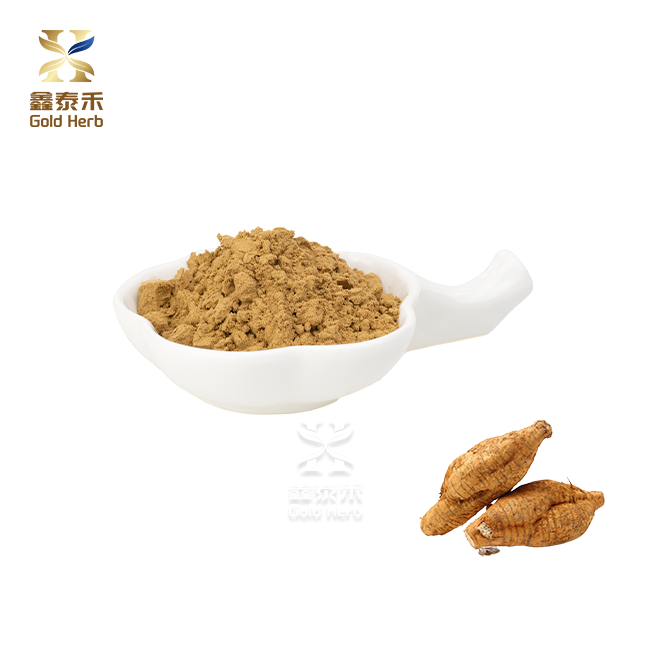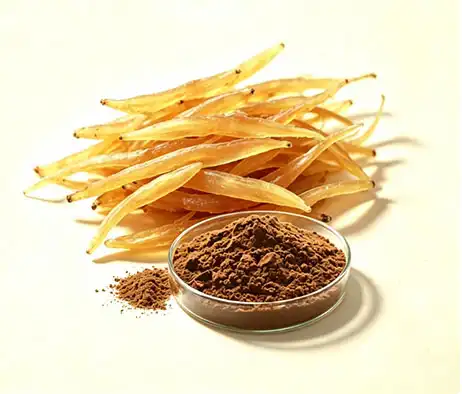
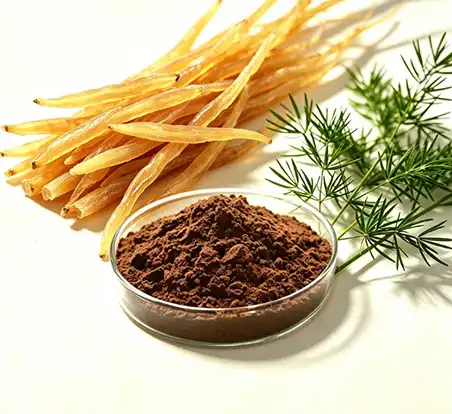
Shatavari Extract Powder
Botanical Name: Asparagus racemosus
Plant Part Used: Root
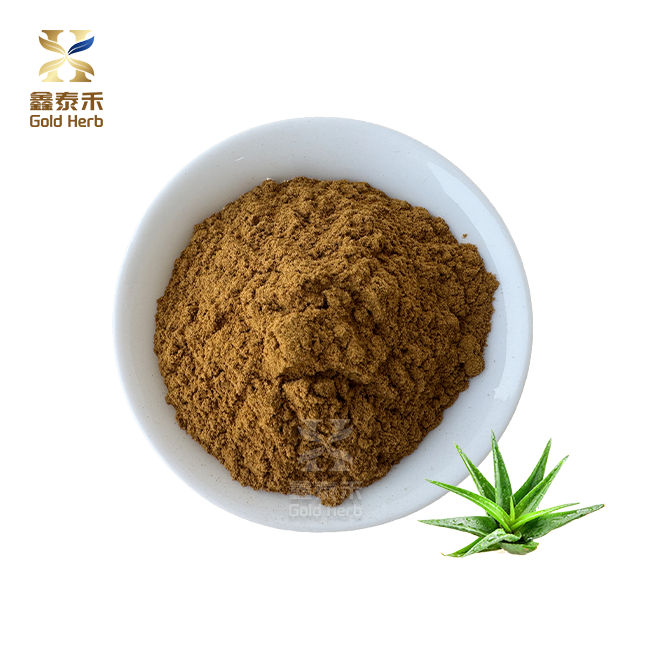
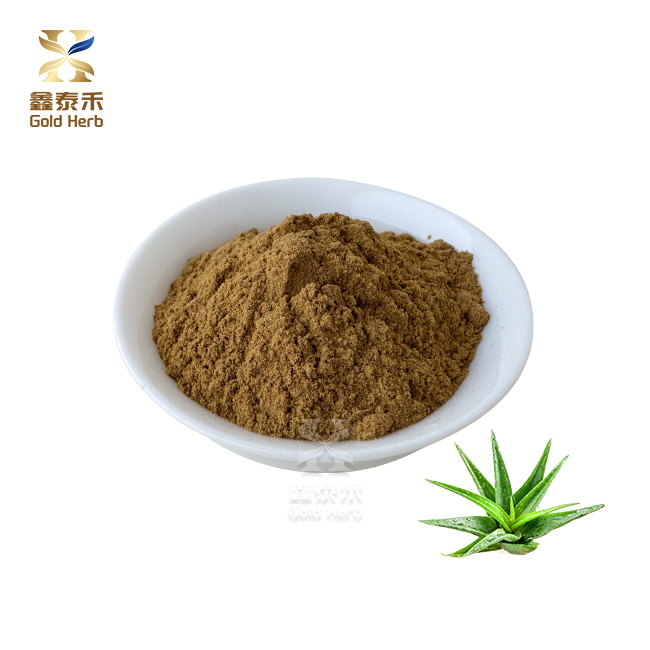
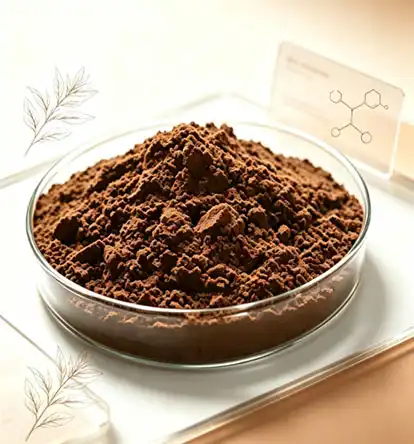
Appearance: Light Brown to Brown Fine Powder
Mesh Size: 80 Mesh
Active Ingredient: Saponins / Shatavarins
Specification: 10%, 20%, 40%, 50% Saponins (Custom Available)
Test Method :UV / Gravimetry / HPLC
Solubility: Partially Water Soluble
Shelf Life: 24 Months
Storage: Store in a Cool, Dry Place Away from Direct Sunlight

- Free Samples
- Quality Assurance
- 24/7 Customer Service
Product Introduction
Shatavari Extract Powder Supplier | Asparagus racemosus Root Extract
Gold Herb supplies Shatavari Extract Powder derived from the root of Asparagus racemosus for dietary supplement manufacturers, nutraceutical companies, herbal product developers and botanical ingredient distributors.
The ingredient is available as a dry botanical extract powder for capsule, tablet, powder and multi-botanical formulations. Extract ratio, marker requirements and quality parameters can be discussed according to the intended application and purchasing specification.
Samples are available for formulation evaluation and supplier qualification, with bulk supply arranged according to the confirmed specification.
Request a Sample | Get COA | Ask for a Bulk Quote
Shatavari Extract Powder Specifications
| Parameter | Specification |
|---|---|
| Product Name | Shatavari Extract Powder |
| Botanical Name | Asparagus racemosus |
| Plant Family | Asparagaceae |
| Plant Part | Root |
| Form | Fine Powder |
| Color | Brown to Light Brown |
| Grade | Extract Ratio / Customized Specification |
| Analytical Requirements | According to Confirmed Specification |
| Shelf Life | 24 Months |
| Packaging | 1 kg Foil Bag / 25 kg Fiber Drum |
Quality Assurance
Certificate of Analysis (COA) for Shatavari Extract [Request COA]

What Is Shatavari Extract Powder?
Shatavari is the common name for Asparagus racemosus, a botanical traditionally associated with Ayurvedic preparations. The root is the principal plant material used for commercial Shatavari products.
Shatavari Extract Powder is different from ordinary Shatavari root powder. Root powder is primarily dried and milled botanical material, while an extract undergoes additional processing to transfer selected constituents from the plant material into an extract that is subsequently concentrated and dried.
For B2B procurement, this difference affects how the ingredient is specified, tested, priced and incorporated into a finished formulation.

Botanical Source and Raw Material
The botanical source for this ingredient is the root of Asparagus racemosus.
Raw material control begins before extraction. Depending on the agreed specification, incoming material may be evaluated for:
Botanical identity
Plant part
Physical condition
Moisture
Microbiological quality
Contaminant requirements
The raw-material specification should be established before production so that the finished extract can be evaluated against a consistent set of requirements.
Extract Ratio and Standardization
When sourcing Shatavari Extract Powder, the product name alone is not enough to define the material. Buyers should identify the basis used to describe the grade.
Extract Ratio
An extract ratio expresses the relationship between the starting botanical material and the resulting extract. It is commonly used for botanical extracts where the purchasing requirement is based on the concentration of processed plant material.
Marker-Based Specification
Some formulations require a defined botanical marker or characteristic constituent as part of the analytical specification. Where applicable, the marker requirement should be agreed before production.
Customized Grade
For contract manufacturing and formulation projects, the specification may also include:
Moisture limit
Particle size
Appearance
Microbial limits
Heavy metal limits
Pesticide requirements
Residual solvent requirements
Packaging requirements
This makes the purchasing specification more precise than simply ordering a generic Shatavari Extract.

Shatavari Extract Manufacturing Process
A controlled production workflow helps maintain consistency from botanical raw material to finished powder.
Raw Material Inspection
The incoming Shatavari root is checked against the approved raw-material specification.
Cleaning and Preparation
Foreign material is removed and the botanical material is prepared for extraction.
Extraction
The prepared root undergoes extraction using the process defined for the selected product grade.
Filtration and Concentration
The extract is filtered and concentrated before the drying stage.
Drying
The concentrated extract is converted into a dry powder.
Sieving and Blending
Post-drying processing is used where required to improve powder uniformity.
Final Inspection and Packing
The finished batch is evaluated against the agreed release criteria before packaging.
Processing conditions may vary according to the selected grade and customer specification.
Quality Control and B2B Documentation
For commercial botanical ingredients, supplier qualification should cover both product identity and batch quality.
Identity and Physical Checks
The product specification may include:
Botanical identity
Plant part
Appearance
Color
Odor
Moisture
Particle size
Microbiological Testing
Microbiological parameters can be established according to the intended application and destination-market requirements.
Contaminant Testing
Where required by the specification, testing may cover:
Heavy metals
Pesticide residues
Residual solvents
Other specified contaminants
Analytical Testing
For grades defined by an analytical marker, the relevant test result can form part of the batch release documentation.
Documentation
B2B customers may request technical documents such as:
COA
Product Specification
Technical Data Sheet, where applicable
Testing information
Batch-related documentation
Documentation availability should be confirmed for the specific product grade and order.

Shatavari Extract Powder for Formulation
The powder format gives manufacturers flexibility when developing different dosage forms.
Capsules
Shatavari extract can be combined with other powdered ingredients and excipients for capsule production.
Tablets
The extract may be incorporated into tablet formulations after evaluating its compatibility with the selected excipients and manufacturing process.
Powdered Supplements
It can be included in dry botanical blends and powdered supplement products.
Multi-Botanical Formulas
Shatavari extract can also be combined with other plant extracts when a formulation calls for multiple botanical ingredients.
Finished-product formulation, dosage and labeling should be determined according to the intended market and applicable regulations.
Shatavari Extract Powder vs. Root Powder
For procurement teams, the difference can be summarized as follows:
| Item | Shatavari Root Powder | Shatavari Extract Powder |
|---|---|---|
| Production | Drying and milling | Extraction and drying |
| Material | Whole powdered root | Processed root extract |
| Concentration | Raw botanical powder | Concentrated extract format |
| Specification | Powder/raw-material parameters | Extract ratio or analytical specification |
| Purchasing Focus | Botanical quality | Grade, assay/markers and batch consistency |
| Typical B2B Role | Botanical raw material | Ingredient for formulated products |
Neither format is universally better. The correct choice depends on the technical requirements of the finished product.
How to Select a Shatavari Extract Supplier
A reliable purchasing evaluation should begin with the specification rather than the supplier's product title.
1. Confirm the Botanical Identity
Check the scientific name and plant part used for production.
2. Define the Extract Grade
Clarify whether the quotation refers to an extract ratio, marker-based grade or another specification.
3. Review the COA
Ask for the relevant batch documentation and compare the reported values with your purchasing specification.
4. Evaluate Testing Requirements
Confirm which physical, microbiological and contaminant tests are included and which are available upon request.
5. Test a Sample
A pre-purchase sample allows the formulation team to examine powder characteristics and processing performance before approving a commercial batch.
6. Confirm Commercial Conditions
Discuss quantity, packaging, shelf life, lead time, documentation and destination requirements before placing the bulk order.
Gold Herb B2B Supply Process
Gold Herb supports customers through the ingredient qualification and purchasing stages.
Step 1 — Specification Review
Send the required Shatavari grade, testing parameters and estimated quantity.
Step 2 — Sample Evaluation
A sample can be arranged for laboratory and formulation assessment.
Step 3 — Documentation Check
Review the applicable COA and technical product information.
Step 4 — Commercial Confirmation
Finalize specification, quantity, packaging and shipping requirements.
Step 5 — Bulk Supply
Production proceeds according to the confirmed product requirements.
This process is designed for supplement manufacturers, ingredient distributors and other buyers that require a documented botanical raw material rather than an undefined generic extract.

Packaging and Storage
Standard packaging options include:
1 kg Foil Bag
Suitable for product development, laboratory evaluation and smaller purchasing quantities.
25 kg Fiber Drum
Designed for commercial bulk orders.
Keep the product in its original sealed packaging and store it in a cool, dry environment protected from direct sunlight, excessive heat and moisture.
Any special packaging or transportation requirements should be confirmed before shipment.

Frequently Asked Questions
What is Shatavari Extract Powder?
It is a powdered botanical extract made from the root of Asparagus racemosus.
What is the botanical name of Shatavari?
The botanical name is Asparagus racemosus, a member of the Asparagaceae family.
Which part of the plant is used?
The root is the primary plant material used for Shatavari extract production.
Is Shatavari Extract the same as Shatavari Root Powder?
No. Root powder is dried and milled botanical material, while the extract undergoes extraction and concentration-related processing before drying.
How is Shatavari Extract specified?
Depending on the product grade, the specification may be based on an extract ratio, analytical marker or customer-defined quality parameters.
Can I request a sample?
Yes. Samples can be used for formulation testing and supplier qualification before a bulk purchase.
Can you provide a COA?
A COA can be supplied for the relevant qualified commercial batch according to the confirmed specification.
Can the specification be customized?
Customer requirements can be reviewed for extract ratio, analytical markers, physical properties and additional quality-control parameters.
What products can use Shatavari Extract Powder?
Potential applications include capsules, tablets, powdered supplements and multi-botanical formulations.
What packaging is available?
Standard options include 1 kg foil bags and 25 kg fiber drums. Other packaging requirements can be discussed for commercial orders.
What is the shelf life?
The stated shelf life is 24 months when stored under the recommended conditions and in sealed packaging.
Request a Sample, COA or Bulk Quote
If you are sourcing Shatavari Extract Powder for a supplement formula, botanical product or ingredient distribution project, send your purchasing requirements to Gold Herb.
Please include:
Required extract specification
Target quantity
Intended application
Destination country
Packaging requirements
Required testing and documentation
Gold Herb can review the specification and confirm the available grade, sample arrangement and bulk quotation.
Send Inquiry