_1789445296982.jpg)
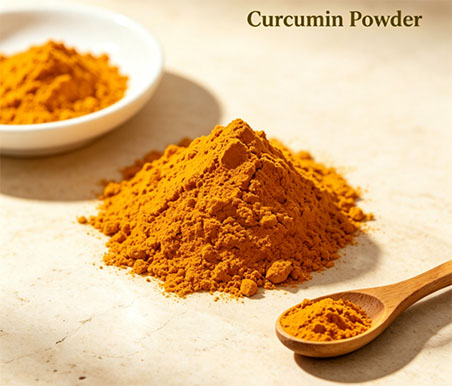
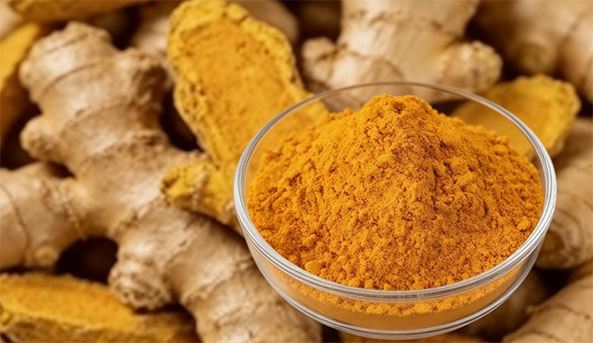
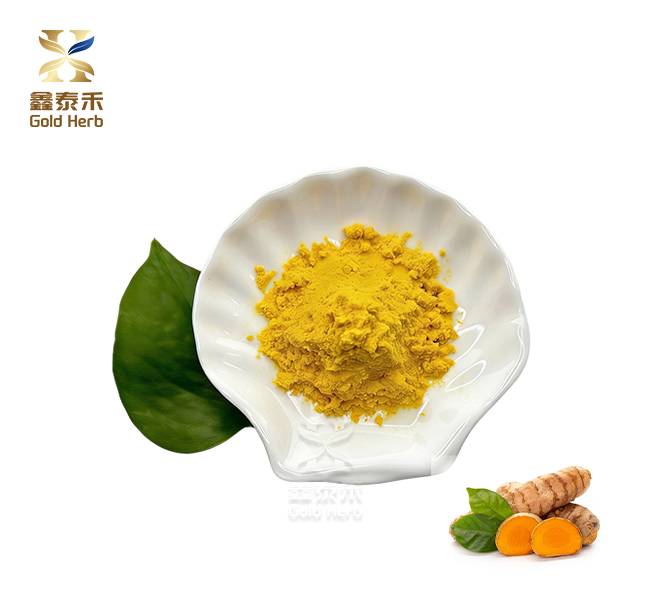
Best Turmeric Curcumin Powder
Latin mae: Curcuma longa L.
Apperence: Bright yellow to orange powder
Specification: 95%
CAS Number:458-37-7
Test Method:HPLC
Sample: Provided
Customized service:Available
Storage: Store in tightly closed original container, protected from light
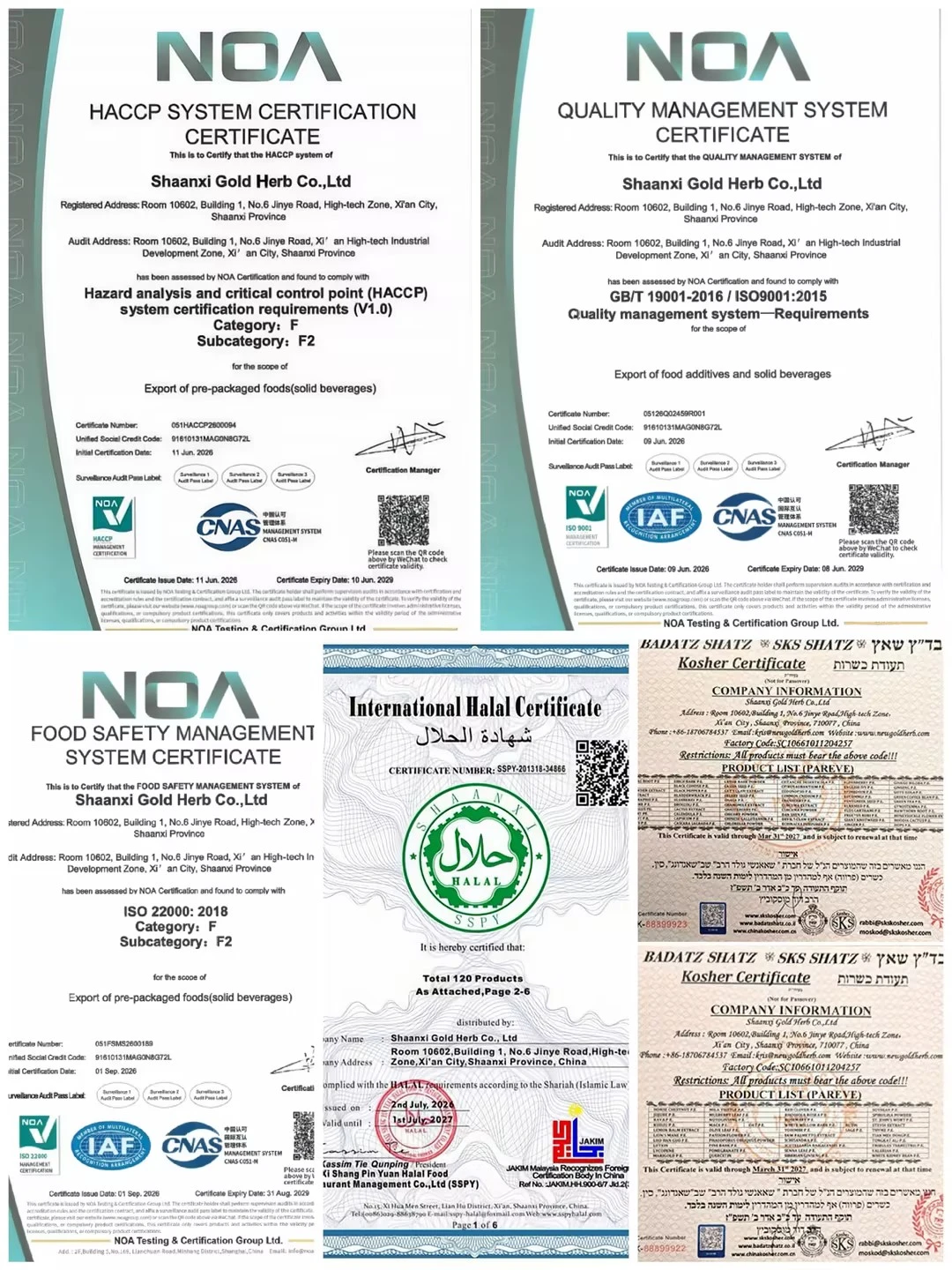
Certificate:FDA, ISO9001, HACCP, HALAL, Kosher

- Free Samples
- Quality Assurance
- 24/7 Customer Service
Product Introduction
Choosing the best turmeric curcumin powder is not simply a matter of finding the highest percentage listed on a product page.
For ingredient buyers, the more useful question is whether the material matches the intended formulation, has a clearly defined specification, and can pass an internal quality review without creating problems later in production.
The term “turmeric curcumin powder” is also used for several different types of materials. Ground turmeric, turmeric extract, and standardized curcumin powder are not interchangeable, even though they may appear under similar search terms.
This guide focuses on how to compare them from a B2B purchasing perspective.
What Does “Best Turmeric Curcumin Powder” Actually Mean?
There is no single specification that makes one turmeric ingredient the best choice for every project.
A food manufacturer may prioritize botanical identity and sensory characteristics. A supplement manufacturer may focus more heavily on marker content, analytical results, and batch consistency. An ingredient distributor may place greater emphasis on documentation, packaging, and repeat supply.
So the evaluation starts with the job the ingredient needs to perform.[Request COA]
Before comparing suppliers, define:
- intended application
- required ingredient type
- target specification
- preferred botanical source
- analytical method
- documentation requirements
- expected purchasing volume
- packaging format
- sample approval process
This prevents a common sourcing mistake: comparing products before defining what is actually being purchased.
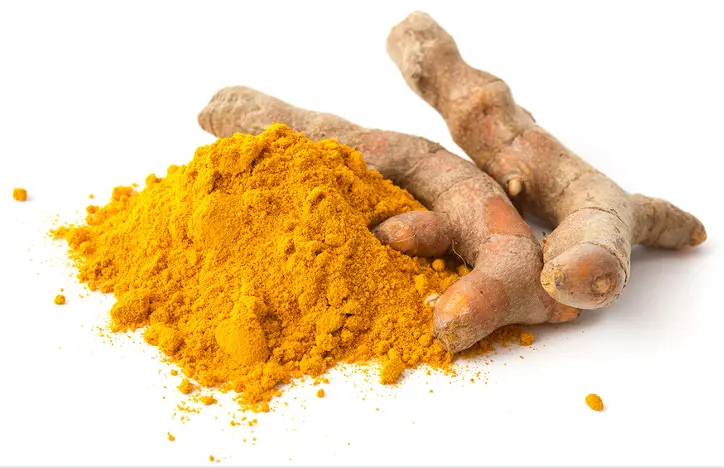
Turmeric Powder, Turmeric Extract, and Curcumin Powder Are Different
One of the easiest ways to narrow the search is to identify the material category first.
| Material | Main characteristic | Typical purchasing consideration |
|---|---|---|
| Turmeric root powder | Ground botanical material | Botanical identity, color, particle size, microbial and contaminant controls |
| Turmeric extract powder | Concentrated extract from turmeric | Extraction ratio, marker specification, botanical source and testing |
| Standardized curcumin powder | Concentrated curcuminoid ingredient | Assay, analytical method, batch consistency and documentation |
These materials may all be described using “turmeric powder” in online searches, but they serve different formulation and procurement requirements.
For a project requiring a defined curcuminoid specification, a standardized ingredient is generally easier to qualify than an unspecified botanical powder.
For projects where the whole botanical material is important, a highly concentrated curcumin ingredient may not be the appropriate starting material.
The best product is therefore the one that fits the specification—not simply the one with the strongest marketing description.
Start With the Specification, Not the Product Name
Product names are useful for finding suppliers, but they are not enough for technical qualification.
A buyer reviewing a turmeric-based ingredient should look for a specification that answers several basic questions:
1. What is the botanical source?
The supplier should clearly identify the plant and the material used to produce the ingredient.
For turmeric-based materials, botanical identification helps distinguish an actual turmeric-derived ingredient from products using the word “turmeric” primarily as a marketing term.
2. What is the target marker or active specification?
If the project calls for a standardized curcumin ingredient, the percentage should be clearly defined.
Avoid comparing:
“high purity”
with
“95%”
as though they were equivalent technical specifications.
The second provides a measurable target; the first does not.
3. How is the specification tested?
The analytical method matters because two suppliers may describe a material using similar percentages while applying different testing approaches.
For a standardized ingredient, the buyer should be able to identify:
- test method
- specification limit
- batch result
- relevant analytical documentation
The goal is not to collect the longest COA. It is to establish whether the supplier's specification is measurable and repeatable.
How to Review a Turmeric Curcumin Sample
A sample is more useful when it is treated as a qualification step, rather than simply a free product trial.
A practical review can follow four stages.
Stage 1: Physical inspection
Check the basic characteristics against the supplier's specification.
Depending on the material, this may include:
- appearance
- color
- odor
- powder condition
- particle characteristics
- signs of moisture or agglomeration
This does not replace laboratory testing, but it can identify obvious inconsistencies before further evaluation.
Stage 2: Documentation review
Ask whether the sample is linked to a corresponding specification and batch record.
Useful documents may include:
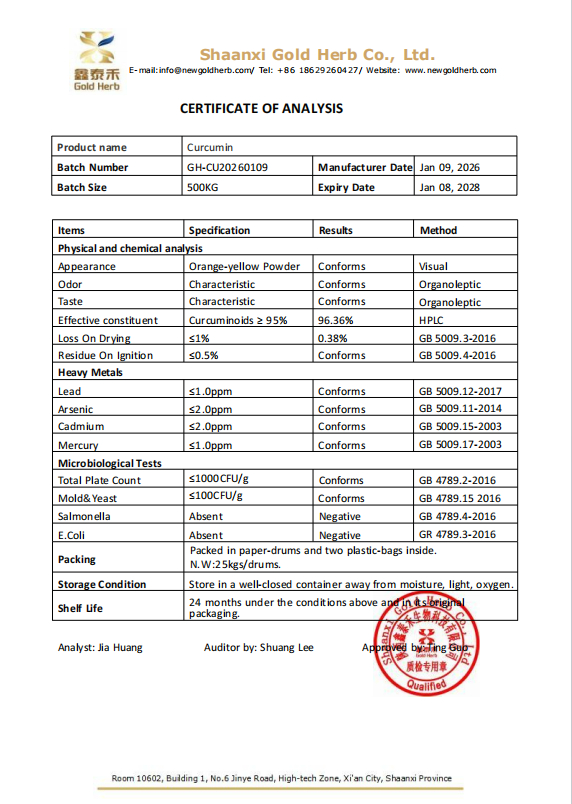
- COA
- specification sheet
- TDS
- SDS or MSDS
- testing information
- batch or lot identification
The key point is traceability.
A sample without a clear relationship to the commercial material provides limited information about future purchasing.
Stage 3: Laboratory verification
If the ingredient is important to the formulation, the buyer's laboratory or an independent laboratory can verify the critical parameters.
For a standardized curcumin ingredient, the assay or marker content is normally one of the primary qualification points.
Additional testing depends on the buyer's specification and application.
Stage 4: Formulation trial
A material can meet its specification and still create formulation issues.
The development team may therefore evaluate:
- dispersion
- processing behavior
- compatibility with other ingredients
- color contribution
- finished-product appearance
- stability under the intended process
This is where technical suitability becomes more important than a supplier's headline percentage.
What Makes a Curcumin Supplier Worth Comparing?
A supplier evaluation should look beyond the product page.
Four areas usually provide a clearer picture.
Technical transparency
The supplier should be able to explain what the material is, how it is standardized, and how the specification is tested.
Vague answers during the initial inquiry can become larger problems during qualification.
Documentation
A professional B2B supply process normally involves more than sending a product name and price.
Depending on the project, buyers may request:
- COA
- specification
- TDS
- SDS/MSDS
- sample
- batch information
- packaging details
- relevant testing records
Documentation requirements vary between companies, so it is better to confirm them before placing an order.
Supply consistency
A successful first sample does not automatically mean the next shipment will perform the same way.
For recurring purchases, ask how the supplier manages:
- raw-material acceptance
- production batches
- analytical testing
- lot identification
- final release
- retained records
This is especially important when the ingredient becomes part of a long-term formulation.
Communication during qualification
Supplier responsiveness is often underestimated.
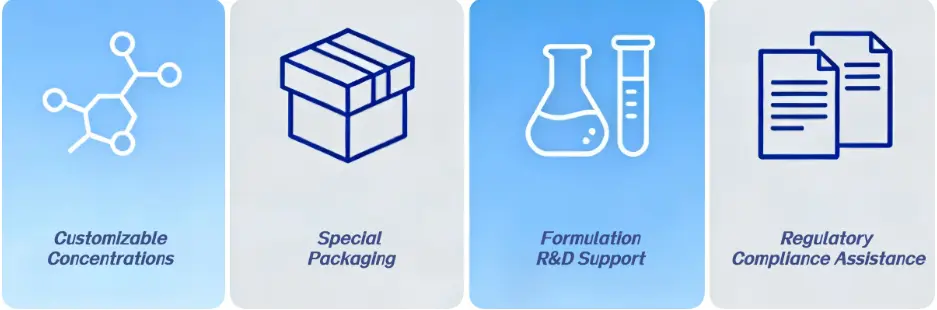
A technically capable supplier should be able to answer practical questions about specification, samples, documents, packaging, and customization without turning every inquiry into a generic sales response.
That makes the qualification process easier to manage.
How to Compare Different Curcumin Powder Suppliers
Instead of ranking suppliers by marketing claims, build a simple purchasing comparison.
| Evaluation point | Supplier A | Supplier B | Supplier C |
|---|---|---|---|
| Defined specification | ✓ / — | ✓ / — | ✓ / — |
| Botanical information | ✓ / — | ✓ / — | ✓ / — |
| Analytical method | ✓ / — | ✓ / — | ✓ / — |
| COA available | ✓ / — | ✓ / — | ✓ / — |
| Sample available | ✓ / — | ✓ / — | ✓ / — |
| Technical documents | ✓ / — | ✓ / — | ✓ / — |
| Batch traceability | ✓ / — | ✓ / — | ✓ / — |
| Packaging options | ✓ / — | ✓ / — | ✓ / — |
| Custom specification discussion | ✓ / — | ✓ / — | ✓ / — |
This type of table is more useful than a simple “best supplier” ranking because the purchasing team can weight each item according to its own qualification procedure.
When a Standardized Curcumin Ingredient Makes More Sense
A standardized ingredient becomes particularly relevant when the formulation requires a defined marker level rather than simply a botanical powder.
For example, the development team may need:
- a consistent specification between batches
- a defined analytical target
- predictable raw-material documentation
- a material that can be included in an established ingredient specification
In these situations, purchasing decisions are usually driven by consistency and documentation, not by the lowest quoted price.
That does not mean the highest specification is always the best choice. A specification should be connected to the finished product's actual requirements.
Do Not Confuse “Natural Turmeric” With “Best Curcumin”
Another common sourcing issue is treating “natural turmeric” and “high-specification curcumin” as competing versions of the same product.
They represent different purchasing concepts.
A botanical turmeric extract page is primarily useful when the buyer wants to understand:
- botanical origin
- plant material
- extraction background
- standardized extract characteristics
A commercial curcumin raw-material page is more directly relevant when the buyer is already working with a defined specification and wants to discuss:
- bulk purchasing
- samples
- documentation
- packaging
- supply requirements
This distinction is important for both procurement and SEO because the search intent behind these pages is different.
How Gold Herb’s Curcumin Pages Serve Different Buyer Needs
Gold Herb's curcumin content can be separated according to the stage of the buyer journey.
Curcumin 95 Natural Turmeric Extract Powder
This page is better positioned for buyers researching the botanical ingredient and natural turmeric extract side of the material.
It provides information for technical teams who want to understand the ingredient before moving into commercial sourcing.
Curcumin 95 Powder
This page is more closely aligned with commercial raw-material sourcing, including specification, documentation, samples, packaging, and bulk purchasing discussions.
It is therefore the more direct destination for buyers who already know the material they need.
Best Turmeric Curcumin Powder
This guide serves a different purpose.
Rather than functioning as another product description, it helps buyers decide what to compare before selecting a turmeric or curcumin ingredient.
The three pages can therefore work together:
Compare → Understand → Source
rather than competing for exactly the same search intent.
B2B Buyer Checklist Before Requesting a Quote
Before contacting a supplier, prepare the basic purchasing information.
A useful inquiry can include:
- Ingredient name
- Required specification
- Intended application
- Estimated quantity
- Sample requirement
- Required documents
- Packaging preference
- Destination market
- Any special testing requirements
For example:
“We are looking for a standardized turmeric-derived curcumin ingredient for a formulation project. Please provide the current specification, COA for a representative batch, sample availability, packaging options, MOQ, and standard technical documentation.”
A clear inquiry usually produces a more useful quotation than simply asking for the “best curcumin powder price.”
Frequently Asked Questions
What is the best turmeric curcumin powder?
The best choice depends on the required ingredient type, specification, testing requirements, application, and supply conditions. A higher percentage alone does not determine whether a material is appropriate.
Is turmeric powder the same as curcumin powder?
No. Turmeric powder is generally a ground botanical material, while standardized curcumin powder is a more concentrated ingredient with a defined curcuminoid specification.
What should I check before buying curcumin powder in bulk?
Start with the specification, analytical method, COA, sample, documentation, packaging, batch traceability, and the supplier's ability to maintain the agreed specification.
Should I request a sample before placing a bulk order?
For a new supplier, sample evaluation is a practical qualification step. The sample should ideally be reviewed together with its specification and corresponding documentation.
Is a COA enough to qualify a curcumin supplier?
Not always. A COA provides batch-specific analytical information, but supplier qualification may also require samples, technical documents, traceability information, and internal laboratory or formulation testing.
How should I compare two curcumin suppliers?
Compare them against the same criteria rather than relying on product descriptions alone. Specification, testing, documentation, consistency, packaging, and communication are useful starting points.
Request a Curcumin Sample or Bulk Quote
If your project has already defined its turmeric or curcumin specification, Gold Herb can provide the information needed for the next stage of evaluation.
For sample requests, technical documents, or bulk sourcing inquiries, contact:
You can also review the related curcumin ingredient pages when you need more specific information about the botanical material or commercial raw-material supply.
Send Inquiry