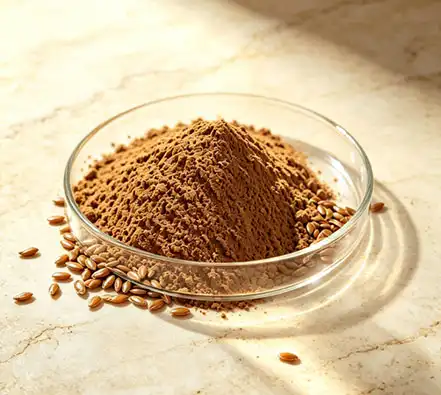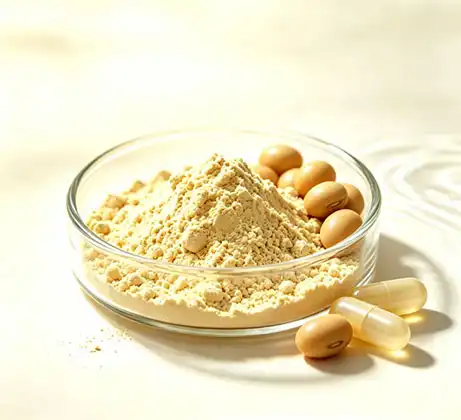
Β-Glucan Powder
Other Name: β-Glucan Powder
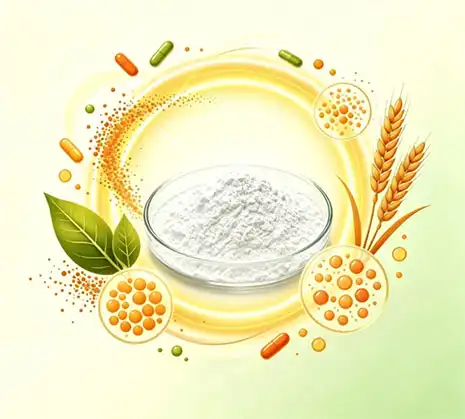
Source: Yeast / Oat / Barley / Mushroom (Customizable)
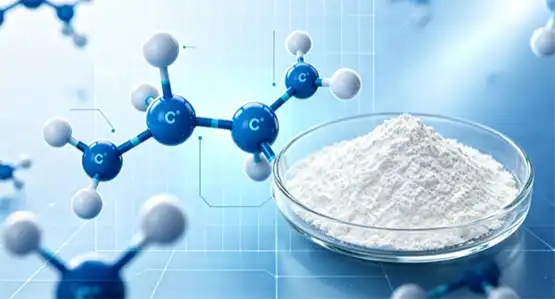
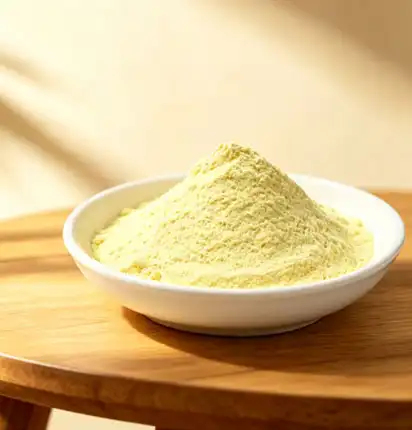
Appearance: White to light yellow fine powder
Active Ingredient: Beta-Glucan
Standardization: 20%, 30%, 50%, 70%, 80%, 90% (Customizable)
Test Method: Enzymatic Method / HPLC (Depending on Specification)
Solubility: Water dispersible (varies by source)

- Free Samples
- Quality Assurance
- 24/7 Customer Service
Product Introduction
Beta-Glucan Powder Supplier | Bulk Beta-Glucan Ingredient
Gold Herb supplies Beta-Glucan Powder for supplement, food, nutrition, beverage, and personal-care manufacturers. The available material can be selected by source and specification to suit different formulation requirements.
Beta-glucan is used to describe ingredients from several raw-material sources. Oat, barley, and yeast beta-glucans are different materials, and their behavior in a formula can vary. When purchasing in bulk, it is therefore useful to confirm the source, assay method, physical properties, and intended application before approving a product.
Samples and technical documentation are available for product evaluation. Bulk supply is available for qualified commercial requirements.
Request a Sample | Request COA | Bulk Inquiry
Product Specifications
| Item | Details |
|---|---|
| Product Name | Beta-Glucan Powder |
| Ingredient | Beta-Glucan |
| Source | Oat / Barley / Yeast |
| Form | Powder |
| Appearance | Fine powder |
| Color | Depending on source |
| Beta-Glucan Content | According to agreed specification |
| Particle Size | According to grade |
| Moisture | According to specification |
| Ash | According to specification |
| Microbiological Requirements | According to specification |
| Packaging | 1 kg foil bag / 25 kg fiber drum / customized |
| Shelf Life | As stated in the product specification |
| Documents | COA / TDS / SDS and applicable documents |
The specification is confirmed before the order is placed. Test results for the shipped batch are shown on the corresponding COA.
About Beta-Glucan
Beta-glucan is a polysaccharide made from glucose units joined by beta-glycosidic bonds. It occurs naturally in cereals, yeast, mushrooms, and other sources.
For ingredient buyers, the important point is that beta-glucans from different sources are not identical.
Oat and barley beta-glucans are commonly associated with β-(1→3)/(1→4) linkages. Yeast beta-glucan is generally associated with β-(1→3)/(1→6) structures. These differences can affect how the powder behaves when mixed with water or other ingredients.
The right material should therefore be chosen according to the finished product and processing conditions.

Oat Beta-Glucan Powder
Oat beta-glucan is a cereal-derived ingredient used in food and nutrition products.
It may be incorporated into:
- Nutrition powders
- Cereal products
- Fiber blends
- Tablets
- Capsules
- Powdered beverage mixes
For formulation work, the assay is only one part of the evaluation. Powder flow, moisture, particle size, hydration, and viscosity may also need to be checked.
Barley Beta-Glucan Powder
Barley-derived beta-glucan is used in cereal-based foods and other nutrition formulations.
It may be suitable for:
- Functional food products
- Cereal formulations
- Nutrition blends
- Dry premixes
- Fiber-containing products
For markets with specific gluten or allergen requirements, buyers should check the source and relevant raw-material documentation before placing a commercial order.
Yeast Beta-Glucan Powder
Yeast beta-glucan comes from yeast cell-wall material. Its structure differs from cereal beta-glucan, so it is normally evaluated as a separate ingredient category.
Common uses include dietary supplements and functional nutrition products.
Depending on the specification, buyers may check beta-glucan assay, moisture, ash, particle size, protein, microbiological results, and powder dispersion.

Choosing a Beta-Glucan Powder
The most suitable grade depends largely on the product being made.
For capsules and tablets, powder flow, particle size, moisture, bulk density, and assay may be relevant to the manufacturing process.
For functional foods, manufacturers may be more concerned with hydration, texture, mixing, and viscosity.
For beverages, dispersion and hydration deserve particular attention. A powder that performs well in a dry blend may behave differently once added to a liquid system.
For cosmetic formulations, the buyer should confirm that the selected grade and documentation match the intended use and market.
If the ingredient is new to the formulation, a sample trial is usually the simplest way to assess its performance.

Quality Testing
The quality specification for Beta-Glucan Powder can include both chemical and physical parameters.
Depending on the grade, testing may cover:
- Beta-glucan assay
- Identification
- Moisture
- Ash
- Particle size
- Bulk density
- Heavy metals
- Total plate count
- Yeast and mold
- E. coli
- Salmonella
Not every product requires the same testing panel. The final requirements are agreed according to the selected source, application, and customer specification.
Beta-Glucan Assay
When comparing products from different suppliers, the assay value should be considered together with the test method.
This helps avoid comparing materials that look similar on paper but are actually tested on a different basis or made from different sources.
For commercial orders, the batch COA provides the analytical results for the supplied material.
COA and Product Documents
The documentation available depends on the product grade and destination market.
Typical documents may include:
- Certificate of Analysis (COA)
- Technical Data Sheet (TDS)
- Safety Data Sheet (SDS)
- Product specification
- Allergen information
- GMO information
- Origin information
- Other applicable documents
Customers with an existing specification can send it before sampling. This allows the requested parameters to be checked against the available material.

Applications
Dietary Supplements
Beta-Glucan Powder can be used in capsules, tablets, sachets, stick packs, and nutrition powders.
The grade should be selected with the dosage, powder handling, and manufacturing process in mind.
Functional Foods
Possible applications include cereal products, nutrition bars, bakery mixes, dry blends, and other food formulations.
Processing trials can help determine how the ingredient affects texture and consistency.
Beverages
Selected grades can be used in powdered and liquid beverage formulations.
Before production, manufacturers may test dispersion, hydration, viscosity, sedimentation, and sensory characteristics.
Personal Care
Certain beta-glucan grades can also be incorporated into cosmetic formulations such as creams, serums, and masks.
The required grade should be confirmed according to the cosmetic formulation and applicable market requirements.

Bulk Beta-Glucan Supply
Gold Herb handles orders ranging from initial samples to regular commercial supply.
A typical project may begin with a sample for laboratory testing. If the material meets the customer's requirements, the same specification can then be used for pilot production and subsequent bulk orders.
Common packaging includes:
- 1 kg foil bag
- 5 kg or 10 kg package
- 25 kg fiber drum
- Customized packaging
For repeat orders, the approved specification provides a consistent reference for batch purchasing.
Storage
Beta-Glucan Powder should be kept dry and protected from moisture.
Keep the package closed when not in use and store it according to the conditions stated in the applicable product specification.
The shelf life and storage requirements should be checked against the specific batch documentation rather than assumed to be identical for every beta-glucan grade.

Information Needed for a Quote
To recommend a suitable Beta-Glucan Powder, send the basic requirements below:
- Preferred source
- Target beta-glucan content
- Intended application
- Estimated quantity
- Destination country
- Packaging preference
- Required documents
If you already have a supplier specification, you can send the specification directly. This is often the fastest way to determine whether an available grade is suitable.
Frequently Asked Questions
What is Beta-Glucan Powder?
It is a powdered beta-glucan ingredient obtained from sources such as oats, barley, or yeast.
Which beta-glucan sources are available?
Common commercial sources include oat, barley, and yeast. The available option depends on the required grade.
Are oat and yeast beta-glucan the same ingredient?
No. They come from different sources and have different structural characteristics.
What beta-glucan content is available?
The assay depends on the source and grade. Provide your target content when making an inquiry.
Can I receive a sample?
Yes. Samples can be arranged for laboratory and formulation testing before a bulk purchase.
Do you provide a COA?
Yes. The applicable batch COA can be supplied for commercial material.
Is Beta-Glucan Powder soluble in water?
Water behavior depends on the source and grade. Some materials hydrate or disperse rather than producing a completely clear solution.
Can it be used in beverages?
Selected grades can be used in beverage formulations. Testing in the actual beverage system is recommended because viscosity and dispersion can vary between grades.
Can it be used in tablets or capsules?
Yes. Suitable grades can be incorporated into solid dosage formulations.
What packaging is available?
Common options include 1 kg foil bags and 25 kg fiber drums. Other packaging can be discussed for larger or specific orders.
What is the MOQ?
MOQ depends on the selected material, packaging, order quantity, and production arrangement. Send the required volume for a quotation.
Related Ingredients
For customers sourcing ingredients for functional food and nutrition formulations, related Gold Herb products include:
- Phycocyanin Powder
- Spirulina Protein
- Mushroom Extract Powder
- Oat Extract Powder
- Psyllium Husk Powder
- Sodium Copper Chlorophyllin
These pages can be internally linked where there is a genuine formulation or ingredient-category relationship.
Request a Beta-Glucan Powder Sample or Quote
Send your requirements to Gold Herb, including the source, target assay, application, quantity, destination, and documentation needs.
The team can review the requirements and provide the applicable product specification, sample details, COA, technical documents, and quotation.
Email: info@newgoldherb.com
Send Inquiry