
5-HTP Powder Supplier for Nutraceutical and Dietary Supplement Brands
Mar 18, 2026
Amidst the continued global surge in the sleep health and mood management markets, insomnia and anxiety have emerged as pervasive issues plaguing both working professionals and the middle-to-elderly demographic. This trend has directly fueled the rapid expansion of the market for nutritional supplements and dietary aids designed to promote sleep and regulate mood. 5-Hydroxytryptophan (5-HTP) powder—serving as the direct precursor to serotonin (the key neurotransmitter responsible for mood regulation)—has become a pivotal ingredient for nutritional supplement and dietary aid brands seeking to develop differentiated product offerings. It owes this status to its core advantages: the precise regulation of neurotransmitters, gentle sleep-promoting effects devoid of dependency risks, and a safety profile characterized by an absence of significant side effects. High-purity 5-Hydroxytryptophan (5-HTP) powder (≥98% purity) has become the preferred choice for mid-to-high-end brands due to its superior safety, efficacy, and compatibility, resulting in a sustained upward trajectory in market demand. The global market for raw 5-Hydroxytryptophan (5-HTP) ingredients is projected to reach $860 million in 2025 and is expected to grow to $980 million by 2026, reflecting a Compound Annual Growth Rate (CAGR) of 13.95%. Driven by this market momentum, high-quality suppliers of 5-Hydroxytryptophan (5-HTP) powder have become critical partners for dietary supplement brands striving to secure a competitive edge in this sector. This article focuses on the core procurement requirements of nutritional supplement and dietary aid brands, offering a comprehensive analysis of key supplier standards, the distinct advantages of leading vendors, collaborative models, and risk mitigation strategies. By doing so, it provides brand owners with actionable guidance to facilitate effective supplier selection and ensure the efficient implementation of collaborative initiatives.
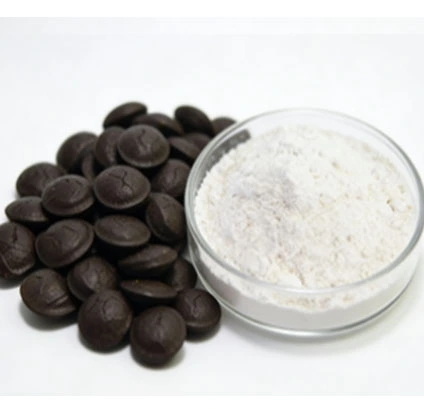
Core Sourcing Requirements for 5-Hydroxytryptophan (5-HTP) Powder: A Guide for Nutrition and Dietary Supplement Brands
When sourcing 5-Hydroxytryptophan (5-HTP) powder, nutrition and dietary supplement brands focus primarily on four core requirements: "Quality & Compliance," "Efficacy & Formulation Compatibility," "Cost Control," and "Comprehensive Support Services." These requirements are tailored based on specific product positioning (premium/mass-market), dosage forms (capsules, tablets, granules, etc.), and sales channels (offline retail, online e-commerce, cross-border export) to establish differentiated sourcing standards. The specific requirements are outlined below:
1. Quality and Compliance Requirements: Priority is given to high-purity 5-Hydroxytryptophan (5-HTP) powder with a purity level of ≥98%. Impurity and heavy metal levels must comply with international standards and the regulations of target markets. Suppliers must hold core certifications such as GMP, GRAS, and ISO, and be able to provide comprehensive third-party testing reports (covering HPLC analysis, heavy metals, microbial contamination, etc.) to ensure the raw material is production-ready and to mitigate compliance risks. Brands focused on export markets additionally require suppliers to possess international certifications such as Halal and Kosher to meet the specific regulatory requirements of various regional markets.
2. Efficacy and Formulation Compatibility Requirements: The raw material must exhibit excellent water solubility and stability, making it compatible with mainstream dietary supplement dosage forms—including capsules, tablets, granules, and portable stick packs. It should be free of distinct off-odors and capable of being blended with other ingredients (such as melatonin, GABA, Vitamin B6, and probiotics) without compromising the product's overall efficacy or sensory profile. Premium and mid-to-high-end brands place additional emphasis on raw material processing optimization (e.g., microencapsulation) to enhance bioavailability and boost product competitiveness.
3. Cost and Supply Requirements: Mass-market brands prioritize the cost-effectiveness of raw materials, requiring suppliers to possess large-scale production capabilities to ensure a stable, high-volume supply and to effectively control raw material costs. Premium and mid-to-high-end brands place greater value on quality and product differentiation; while they are willing to accept a reasonable price premium, they still require guaranteed supply stability and support for small-batch sampling (e.g., 1kg or 5kg quantities) to facilitate the pilot production of new products.
4. Ancillary Service Requirements: Brands require suppliers to provide comprehensive, end-to-end support services. These include regulatory filing assistance (helping to navigate processes such as China's "Blue Hat" registration, the US NDI notification, and EU EFSA authorization), guidance on formulation blending, technical support for production process integration, traceability and testing services, and marketing support. Additionally, some small and medium-sized brands seek suppliers capable of providing one-stop OEM/ODM (contract manufacturing) services to lower the barrier to market entry. Supplementary Note: As a direct precursor to serotonin, 5-Hydroxytryptophan (5-HTP) relies on cofactors—such as Vitamin B6—to exert its effects. Clinical studies conducted at Maastricht University in the Netherlands have demonstrated that combining 5-Hydroxytryptophan (5-HTP) with Vitamin B6 enhances its conversion efficiency. Consequently, when sourcing 5-Hydroxytryptophan (5-HTP) powder, most dietary supplement brands prioritize suppliers capable of providing blending services, thereby enabling an integrated "raw material + blending" procurement strategy that streamlines the R&D process [2]. Furthermore, excessive consumption of 5-Hydroxytryptophan (5-HTP) may lead to mild gastrointestinal discomfort; suppliers must therefore provide scientifically sound dosage guidelines to assist brands in mitigating product safety risks .
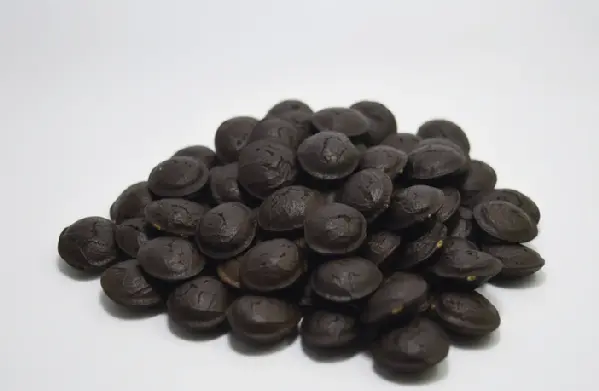
Core Supply Standards for 5-Hydroxytryptophan (5-HTP) Powder Suppliers
For brands in the nutritional health and dietary supplement sectors, a supplier's supply standards directly determine the quality, regulatory compliance, and market competitiveness of the final product. Therefore, it is essential to prioritize the assessment of five core dimensions: "purity, impurity control, certification credentials, manufacturing expertise, and supply capacity." The specific standards are outlined below:
(I) Core Quality Indicators
1. Purity: The core standard is ≥98%. For mid-to-high-end dietary supplements, it is recommended to select high-purity raw materials with a purity level of ≥99%. This must be verified via HPLC testing to ensure compliance and prevent compromised product efficacy resulting from insufficient purity. For instance, GuanJie Bio's 5-Hydroxytryptophan (5-HTP) powder boasts a purity level of 99.2%—far exceeding basic industry standards—and is accompanied by third-party testing reports for every batch, thereby meeting the specific requirements of mid-to-high-end brands.
2. Impurity Control: The content of heavy metals (Lead ≤0.5 ppm, Arsenic ≤1.5 ppm, Cadmium ≤0.5 ppm, Mercury ≤0.1 ppm), residual solvents (Methanol ≤3000 ppm), and related impurities—such as Tryptophan and 5-Hydroxyindole-3-carboxaldehyde—must comply with international regulatory guidelines. Reputable suppliers are required to provide testing reports for heavy metals, microbial contamination, and impurity levels for every batch, ensuring the raw material is safe and free of harmful residues, thereby aligning with the core positioning of dietary supplements as being "natural and safe."
3. Solubility and Stability: Water solubility should be ≥50 g/L (at 25°C) to accommodate the production of various dosage forms and minimize manufacturing waste. Under light-shielded, sealed, and dry storage conditions, the shelf life must be ≥2 years; this prevents product spoilage or diminished efficacy caused by insufficient stability. Furthermore, the raw material must maintain stable physicochemical properties throughout the manufacturing process, ensuring it does not react adversely with other compounded ingredients. In accordance with the production requirements for dietary supplement capsules, the raw material must comply with relevant standards for oral solid-dosage ingredients, specifically being free of any foreign matter visible to the naked eye [1]. (II) Core Certification Credentials
Suppliers must possess a comprehensive certification system. Key certifications include GMP (Good Manufacturing Practice), GRAS (Generally Recognized as Safe by the US FDA), and ISO 9001 (Quality Management Systems); these serve as the fundamental prerequisites for using raw materials in the production of dietary supplements. Brands focused on export markets should pay particular attention to whether a supplier holds HALAL (Islamic) and KOSHER (Jewish) certifications, ensuring alignment with market demands in regions such as Southeast Asia, the Middle East, Europe, and the Americas. For instance: Shandong Pingju’s 5-Hydroxytryptophan (5-HTP) powder has passed multiple international certifications and is favored by global dietary supplement brands such as Nestlé and Mars; Hebei Hongtao holds both HALAL certification and food-grade standards, making it suitable for export to Southeast Asian and Middle Eastern markets; and Guanjie Biology possesses a full suite of ISO, HALAL, and KOSHER certifications, catering to export requirements across multiple global regions.
(III) Production Processes and Supply Capabilities
1. Production Processes: Mainstream production methods fall into two categories—chemical synthesis and plant extraction—allowing brands to choose the method best suited to their specific product positioning:
(1) Chemical Synthesis: Characterized by high purity (98%–99.8%), stable yields, and controllable costs, this is the preferred method for mass-market dietary supplements. Utilizing L-tryptophan as the raw material, the product is generated through a multi-step reaction sequence involving enzymatic catalysis and purification. This process allows impurity levels to be controlled within 0.5%, facilitates large-scale production, and is ideal for cost-sensitive mass-market brands.
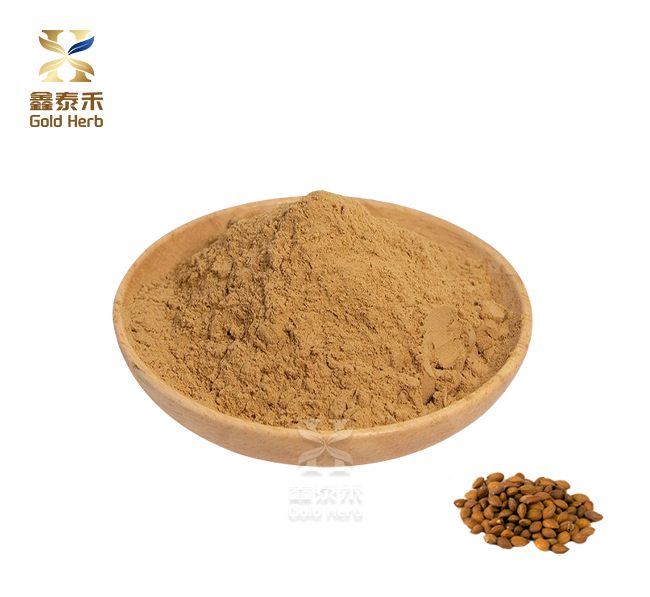
(2) Plant Extraction: Extracted from *Griffonia simplicifolia* (Ghana seed), this method yields a product of natural origin with excellent biocompatibility and a purity level of ≥98%. It is well-suited for mid-to-high-end organic dietary supplements and natural health products, effectively meeting consumer demand for "natural-source" ingredients. However, production costs are 35–45% higher than those of chemical synthesis, making this method primarily suited for collaboration with mid-to-high-end brands.
(3) Process Optimization: To address common pain points such as the inherent instability of 5-Hydroxytryptophan (5-HTP) and the poor solubility of certain dosage forms, suppliers capable of process optimization—such as microencapsulation and coating—can provide raw materials with enhanced stability and solubility. This enables brands to establish a differentiated selling point centered on "high absorption efficiency." Collaborations involving such optimized raw materials typically command a price premium of over 30% compared to standard raw materials. 2. **Supply Capacity:** Standard packaging consists of 25kg drums (featuring light-shielding, airtight, and moisture-proof export-grade packaging). Suppliers must support small-batch trial orders (1kg, 5kg, 10kg) to meet the pilot production needs of new brand products. Furthermore, suppliers must possess large-scale production capabilities to ensure stable, high-volume delivery. Mass-market brands typically require suppliers capable of a monthly supply exceeding 10 tons, while mid-to-high-end brands require suppliers capable of supporting customized packaging specifications and rapid prototyping (within 5–10 days).
(IV) Ancillary Service Capabilities
High-quality suppliers must possess comprehensive, end-to-end ancillary service capabilities that align closely with the production and market demands of dietary supplement brands:
1. Compliance and Testing Services:Assist brands in completing compliance registrations for target markets (e.g., China's "Blue Hat" certification, the US NDI notification process, and EU EFSA approval). Provide guidance on label design and efficacy claims to ensure compliance, thereby mitigating regulatory risks associated with exaggerated claims or medicalized language. Offer raw material traceability services to ensure full transparency—covering production batches, test reports, and raw material origins—thereby enhancing consumer trust in the final product.
2. Customization Services: Based on a brand's product positioning, provide customized services regarding purity levels (e.g., 98% or 99%), compound ingredient blends (e.g., 5-Hydroxytryptophan (5-HTP) + GABA + Vitamin B6; 5-Hydroxytryptophan (5-HTP) + Melatonin + L-Theanine), and packaging specifications, thereby streamlining the brand's formula development process. Furthermore, by leveraging insights into how gut microbiota influence 5-Hydroxytryptophan (5-HTP) synthesis, suppliers can offer compound formulation solutions combining 5-Hydroxytryptophan (5-HTP) with probiotics, creating integrated dietary supplements that provide synergistic support for "Mood + Sleep + Gut Health" [2].
3. Technical and Marketing Support: Provide technical guidance regarding raw material processing parameters and production integration, assisting brands in resolving any raw material compatibility issues encountered during the manufacturing process. Offer support in interpreting scientific research data, crafting efficacy-focused marketing copy, and creating educational content; this helps brands effectively communicate core product values—such as "serotonin precursor," "gentle sleep aid," and "mood regulation"—to consumers, thereby boosting product acceptance and recognition.
Core Collaboration Models for Dietary Supplement Brands and Suppliers
Tailored to specific brand positioning and requirements, we recommend four highly efficient collaboration models designed to foster a win-win partnership between brands and suppliers, suitable for dietary supplement brands of varying scales and market positions:
(I) Bulk Raw Material Procurement Model
Core of Collaboration: The brand directly purchases raw 5-Hydroxytryptophan (5-HTP) powder materials and independently handles product manufacturing and formula development. The supplier provides a stable supply, basic testing reports, and technical guidance to facilitate production integration. This model is ideal for mass-market dietary supplement brands that possess in-house manufacturing capabilities and prioritize cost control. The primary focus of this collaboration is to lock in pricing and production capacity—typically through long-term supply agreements—to mitigate risks associated with raw material price fluctuations and shortages. Additionally, the brand requires the supplier to provide batch-specific testing reports to ensure consistent raw material quality.
(II) Customized Raw Material Collaboration Model
Core of Collaboration: Based on their specific product positioning, the brand commissions the supplier to customize raw materials in terms of purity, processing techniques (e.g., microencapsulation), or complex formulations. The supplier provides customized production services, process optimization, and efficacy data support. This model is best suited for mid-to-high-end brands that specialize in differentiated, premium-quality single-ingredient products. For instance, a mid-to-high-end sleep aid brand might request a supplier to provide a "5-Hydroxytryptophan (5-HTP) + GABA + Vitamin B6" premix powder, utilizing microencapsulation technology to enhance absorption efficiency and establish a core selling point centered on "highly effective sleep support with no risk of dependency." Alternatively, brands could customize a blended raw material combining 5-Hydroxytryptophan (5-HTP) with probiotics to address gut health needs, thereby aligning with consumer demands for holistic wellness solutions [2].
(III) Cross-Border Supply Chain Collaboration Model
Core of Collaboration: The supplier provides comprehensive end-to-end services—including raw material sourcing, export compliance registration, customs clearance support, and multi-lingual testing reports—allowing the brand to focus exclusively on market promotion and sales. This model is ideal for dietary supplement brands that prioritize cross-border e-commerce or export sales to international markets. The primary objective of this collaboration is to ensure that raw materials fully comply with the regulatory requirements of the target market—such as the EU Novel Foods authorization or US NDI notifications. The supplier is responsible for assisting the brand in completing the necessary regulatory filings to mitigate cross-border compliance risks, while simultaneously ensuring timely logistics and raw material stability.
(IV) One-Stop OEM/ODM Collaboration Model
Core of Collaboration: The supplier provides a comprehensive, one-stop service package encompassing raw material sourcing, formula design, manufacturing and processing, packaging design, and regulatory compliance registration. The brand simply needs to articulate its product positioning and requirements, thereby eliminating the need to invest its own resources in R&D or manufacturing infrastructure. This model is particularly well-suited for small-to-medium-sized brands and startup teams that currently lack in-house R&D or manufacturing capabilities. The primary focus of the collaboration is to clearly define the product's dosage form, specifications, and functional positioning. This entails requiring the supplier to provide samples for confirmation—thereby ensuring product quality and regulatory compliance—while simultaneously controlling OEM costs and delivery lead times.
For brands specializing in nutritional supplements and dietary aids, a high-quality supplier of 5-Hydroxytryptophan (5-HTP) powder serves as far more than a mere provider of raw materials; they are a pivotal partner essential for crafting differentiated products, mitigating regulatory compliance risks, and achieving rapid business expansion. As the market for sleep aids and mood regulators continues to gain momentum, the demand for 5-Hydroxytryptophan (5-HTP) powder is projected to rise steadily; consequently, a supplier's product quality, regulatory compliance capabilities, and comprehensive support services have emerged as the primary criteria brands consider during the selection process.
When selecting a supplier, brands must align their choice with their specific market positioning—whether mass-market, premium/mid-to-high-end, or export-oriented—as well as their production capacity and current market demand. By precisely matching a supplier's core strengths with their own needs, brands can identify partners characterized by "assured quality, comprehensive compliance, stable supply, and impeccable service." Furthermore, by adopting appropriate collaborative models, they can foster mutual resource complementarity and achieve mutually beneficial growth. For suppliers, the imperative is to focus keenly on the core requirements of dietary supplement brands, uphold uncompromising quality standards, optimize production processes, and enhance support services. Only by cultivating such differentiated competitive advantages can they truly stand out amidst the fierce competition of the marketplace.
Looking ahead, as consumer demand for sleep and emotional wellness continues to evolve and regulatory frameworks become increasingly sophisticated, 5-Hydroxytryptophan (5-HTP) powder is poised to become a cornerstone ingredient within the dietary supplement sector. Deep-seated collaboration between high-quality suppliers and brands will drive the industry toward a future defined by products that are "natural, safe, effective, and differentiated." This collective effort will not only provide consumers with superior sleep aids and mood-regulating products but also generate significant commercial value for every stakeholder across the entire industry value chain.
Partner with Gold Herb for Premium 5-Hydroxytryptophan (5-HTP) Supply
You can trust Gold Herb to give you good 5-Hydroxytryptophan (5-HTP) because they use advanced extraction methods and strict quality control checks. There are documents from the FDA, ISO9001, HACCP, Halal, and Kosher that back up these extracts. We've been in business for over three years and have helped over 200 people in 30 different countries. We always have more than a ton of things on hand so that we can ship your order right away, within 24 hours of getting it. We will always be able to come up with new ideas and make better goods because we work together with Academician Li Xiaokun's study team. Email info@newgoldherb.com to tell us about your specific needs, get samples, or find out more about our full customization services, which will save you a lot of money on your recipe needs.

Send Inquiry

Related Industry Knowledge
- Natural Resveratrol powder for Anti-Aging Formulations
- What Is Centella Asiatica Extract? Benefits, Uses, and Skin Effects
- Ergothioneine vs Resveratrol: Best Longevity Ingredient Compared
- Blue Matcha Butterfly Pea Flower Powder vs Gardenia Blue: Which to Choose
- Fisetin for Anti-Aging: Science, Benefits, and Supplement Trends
- Fisetin Powder Manufacturing Process & Purity Standards
- What is senna leaf extract?
- Fisetin Benefits for Brain Health and Longevity
- Fisetin in Dietary Supplements: Science, Benefits, and Industry Opportunities
- GMP Fisetin Powder for Pharmaceutical R&D Use