
5-Hydroxytryptophan(5-HTP)vs L-Tryptophan: Which Ingredient Is Better for Supplement Formulas?
Mar 16, 2026
In the realm of mood and sleep supplements, 5-hydroxytryptophan (5-HTP) and L-tryptophan stand out as two core active ingredients. Both function by facilitating the synthesis of the neurotransmitter 5-hydroxytryptamine (serotonin), making them popular choices for alleviating anxiety and improving sleep. However, significant differences exist between the two regarding ingredient characteristics, mechanisms of action, formulation compatibility, and safety profiles—factors that directly determine their specific applications and advantages within supplement formulations. For supplement manufacturers, selecting an ingredient that best aligns with their product's positioning and meets the specific needs of their target demographic is crucial for establishing a foothold in the market and achieving competitive differentiation. This article offers a multi-dimensional comparison of 5-hydroxytryptophan (5-HTP) and L-tryptophan, providing an in-depth analysis of which ingredient is better suited for supplement formulations, thereby offering a scientific reference for both product developers and consumers.
First, let us clarify the core relationship and fundamental distinctions between the two: L-tryptophan is an essential amino acid that the human body cannot synthesize on its own; it must be obtained through diet or supplementation and serves as the "raw material" for serotonin synthesis. Conversely, 5-hydroxytryptophan (5-HTP) is a direct metabolite of L-tryptophan—an "intermediate product" in the synthesis pathway—that can bypass a key rate-limiting step to be converted directly into serotonin. While the ultimate objective of both substances is to elevate serotonin concentrations in the brain—thereby regulating mood and sleep—differences in metabolic pathways, bioavailability, and other factors result in vastly different levels of suitability for use in supplement formulations.
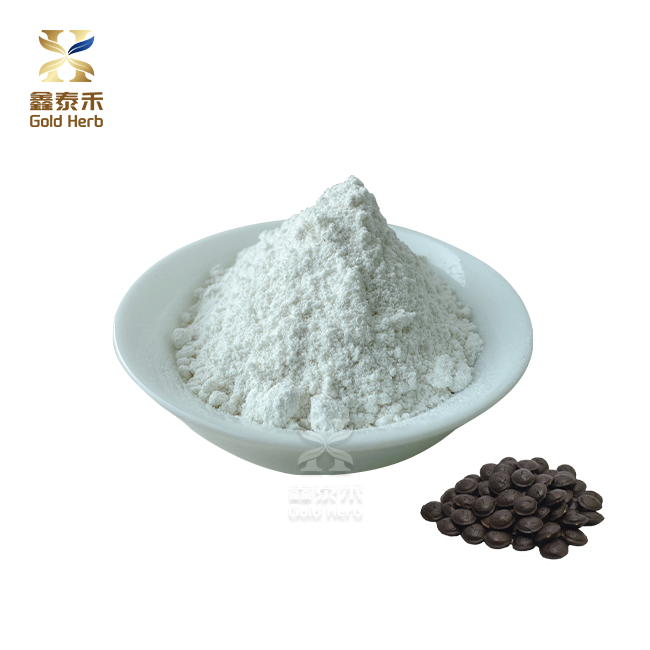
Key Differences Between 5-hydroxytryptophan (5-HTP) and L-Tryptophan
To determine which ingredient is better suited for a dietary supplement formulation, a comprehensive comparison across core dimensions—including ingredient characteristics, mechanisms of action, bioavailability, and safety—is essential. Only by clearly identifying the respective strengths and limitations of both substances can one make a rational choice aligned with the specific positioning of the supplement formula.
(I) Ingredient Characteristics and Metabolic Pathways: Raw Material vs. Intermediate Product—Significant Differences in Efficiency
As an essential amino acid for the human body, L-tryptophan serves as the initial raw material for the synthesis of serotonin. Its metabolic pathway proceeds in two steps: First, under the action of the enzyme tryptophan hydroxylase, L-tryptophan is converted into 5-hydroxytryptophan (5-HTP); second, under the action of decarboxylase, 5-hydroxytryptophan (5-HTP) is ultimately converted into serotonin. In this process, tryptophan hydroxylase acts as the "rate-limiting enzyme"—its limited activity restricts the efficiency of the conversion of L-tryptophan into 5-HTP. Consequently, the majority of ingested L-tryptophan cannot be utilized for serotonin synthesis; instead, it is metabolized into other substances—such as niacin and kynurenine—resulting in a wasteful loss of the ingredient.
As a direct metabolic product of L-tryptophan, 5-hydroxytryptophan (5-HTP) effectively bypasses the rate-limiting step involving tryptophan hydroxylase. It requires no complex metabolic processing and can directly cross the blood-brain barrier, where it is rapidly converted into serotonin under the action of decarboxylase. This "direct-route" metabolic pathway allows 5-hydroxytryptophan (5-HTP) to circumvent the conversion bottleneck associated with L-tryptophan, thereby boosting serotonin concentrations in the brain with greater efficiency. This constitutes the most fundamental difference between the two substances—a factor that directly determines their efficacy and efficiency within dietary supplement formulations.
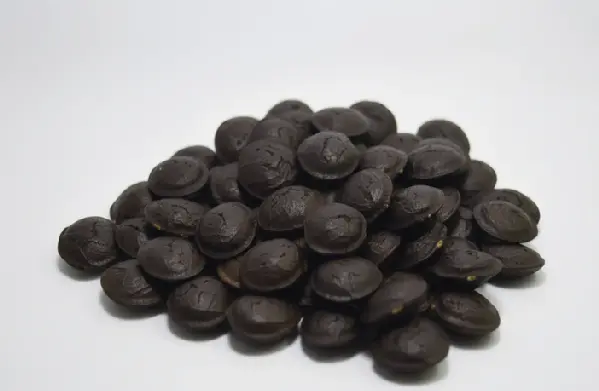
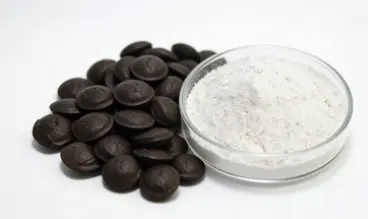
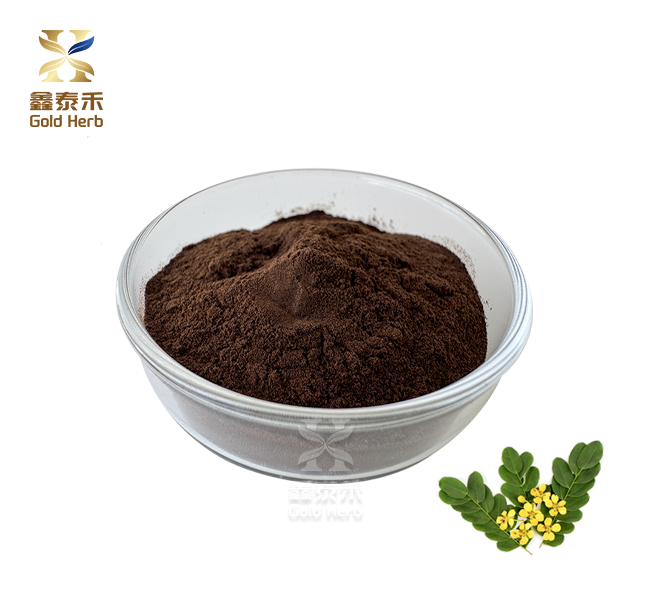
Furthermore, the sources of these two substances also differ: L-tryptophan is widely found in natural foods such as meat, eggs, and legumes; the L-tryptophan used in dietary supplements is typically obtained through microbial fermentation or chemical synthesis. In contrast, 5-hydroxytryptophan (5-HTP) is primarily derived from the seeds of the African plant *Griffonia simplicifolia* (Ghana seed); it is predominantly produced through natural extraction or biosynthesis, thereby emphasizing its natural attributes and aligning more closely with current consumer demand for "natural ingredients."
(II) Bioavailability: 5-hydroxytryptophan (5-HTP) Offers Superior Advantages and Higher Formulation Efficiency
Bioavailability is a central consideration in the design of dietary supplement formulations; the extent to which an ingredient can be effectively absorbed and utilized by the human body directly determines a product's efficacy and the cost-effectiveness of its formulation. The bioavailability of L-tryptophan is constrained by multiple factors, placing it at a disadvantage within supplement formulations.
On one hand, upon entering the body, L-tryptophan must compete with other neutral amino acids—such as leucine and isoleucine—for intestinal absorption pathways and transport across the blood-brain barrier. Since these competing amino acids are abundant in the daily diet, they significantly hinder the absorption efficiency of L-tryptophan. Consequently, the actual amount of L-tryptophan that successfully enters the brain to be utilized for serotonin synthesis remains extremely low. Studies indicate that when L-tryptophan is supplemented in isolation, only approximately 5% to 10% is ultimately converted into serotonin; the majority is wasted, resulting in low formulation efficiency.
On the other hand, 5-hydroxytryptophan (5-HTP) does not need to compete with other amino acids for absorption pathways. Furthermore, it exhibits strong lipophilicity; when combined with advanced formulation technologies—such as microencapsulation or liposomal encapsulation—it can be rapidly absorbed by the intestines. Its efficiency in crossing the blood-brain barrier is 3 to 5 times greater than that of L-tryptophan. Clinical data demonstrate that following 5-hydroxytryptophan (5-HTP) supplementation, serotonin concentrations in the brain can increase significantly within 1 to 2 hours. In contrast, L-tryptophan requires 4 to 6 hours to manifest any effects, and the magnitude of the increase is substantially lower than that achieved by 5-hydroxytryptophan (5-HTP). From the perspective of supplement formulation, higher bioavailability translates to lower required dosages, superior cost-effectiveness in terms of efficacy, reduced ingredient waste, and ultimately, lower product manufacturing costs.
(III) Targeted Efficacy: 5-hydroxytryptophan (5-HTP) Offers Precise and High-Efficiency Action, While L-Tryptophan Focuses on Basic Nutritional Support
The fundamental principle of supplement formulation lies in "precisely matching specific needs." The distinct differences in the efficacy profiles of these two compounds dictate that they are best suited for vastly different formulation positioning and target demographics.
The efficacy of 5-hydroxytryptophan (5-HTP) is characterized by greater precision and higher efficiency, with its core focus centered on the "bidirectional regulation of mood and sleep." Due to its ability to rapidly elevate serotonin levels, it not only alleviates negative emotions—such as anxiety and low mood—but also regulates circadian rhythms by promoting melatonin synthesis. This helps resolve issues like difficulty falling asleep and shallow sleep, thereby establishing a virtuous cycle of "mood improvement leading to enhanced sleep." This dual-action regulatory efficacy makes it particularly well-suited for "mood + sleep" dual-benefit supplement formulations. The target demographic primarily consists of working professionals and middle-to-older-aged individuals experiencing high stress, anxiety, irritability, and accompanying insomnia, as well as consumers suffering from mood-related sleep disturbances; thus, it precisely addresses the core health pain points of modern individuals.
The efficacy of L-tryptophan, conversely, places a greater emphasis on "basic nutritional supplementation," with effects that are relatively mild and gradual. As an essential amino acid, L-tryptophan participates in various physiological processes—including protein synthesis and niacin metabolism—in addition to serotonin synthesis. Consequently, L-tryptophan supplementation is primarily intended to compensate for dietary deficiencies and to sustain fundamental physiological functions. Its impact on improving mood and sleep is relatively mild, making it better suited as an "ancillary ingredient" within basic nutritional supplement formulations. Its target audience consists mainly of individuals with unbalanced diets or insufficient intake of high-quality protein, as well as sensitive individuals requiring gentle physiological support who may not be suitable candidates for potent active ingredients.
(IV) Safety and Tolerability: Both Are Safe, but 5-hydroxytryptophan (5-HTP) Offers Easier Dosage Control
The safety of a supplement formulation constitutes the absolute baseline requirement; both substances in question possess a high safety profile, though they differ in terms of tolerability and ease of dosage control.
The safety of L-tryptophan has been extensively validated over time; as a naturally occurring compound found in everyday foods, moderate long-term supplementation (1–5 grams per day) is associated with no significant side effects and demonstrates excellent tolerability. Only when consumed in extremely high doses (exceeding 10 grams per day) may mild symptoms—such as gastrointestinal discomfort or dizziness—occur; notably, these symptoms typically resolve rapidly upon discontinuation of use. However, a cautionary note is warranted: kynurenine—a metabolic byproduct of L-tryptophan—may, if allowed to accumulate in excess, exert potential adverse effects on neuronal cells. Therefore, strict dosage control is imperative when formulating supplements containing L-tryptophan to avoid the risks associated with long-term, high-dose inclusion. The safety profile of 5-hydroxytryptophan (5-HTP) is equally impressive; as an intermediate metabolite in the human body, it is highly compatible with human physiological mechanisms. It does not require hepatic metabolism, and its metabolic byproducts are excreted via urine. Long-term supplementation (at daily doses of 100–300 mg) is associated with no significant side effects and demonstrates excellent tolerability. Only a small minority of individuals may experience mild gastrointestinal discomfort—such as nausea or bloating—which typically occurs upon initial intake or when the dosage is excessive, and can be alleviated by adjusting the dose. Furthermore, there is a clear correlation between the dosage of 5-hydroxytryptophan (5-HTP) and its efficacy; this allows for precise control over the added dosage in product formulations based on the target demographic, thereby mitigating the risk of overdose. Compared to L-tryptophan, the management of 5-hydroxytryptophan (5-HTP) dosage is both simpler and safer.
It is crucial to note that both substances may interact with medications such as antidepressants and antipsychotics; consequently, they should not be consumed by pregnant or breastfeeding women. Specifically, 5-hydroxytryptophan (5-HTP) must not be taken concurrently with monoamine oxidase inhibitors (MAOIs), as doing so may precipitate serotonin syndrome. Accordingly, relevant contraindications must be clearly and explicitly stated in both product formulations and accompanying product instructions.
Which Ingredient Is Better Suited for Your Formulation?
Based on the comparisons outlined above, 5-hydroxytryptophan (5-HTP) and L-tryptophan are not a matter of "either/or"; rather, they cater to different positioning strategies and target demographics within the dietary supplement market. Companies must select the ingredient that best aligns with their specific product requirements—or employ a scientifically sound combination strategy—to maximize efficacy.
(I) Formulation Scenarios Best Suited for 5-hydroxytryptophan (5-HTP)
1. Dual-Action Mood and Sleep Support Formulations:This represents the core application scenario for 5-hydroxytryptophan (5-HTP), emphasizing "precision and high efficiency." The target demographic consists of individuals experiencing high stress levels, anxiety, irritability, difficulty falling asleep, or light sleep—particularly those whose sleep issues are accompanied by mood disturbances (e.g., working professionals, middle-aged and elderly individuals, and students preparing for exams). In such formulations, 5-hydroxytryptophan (5-HTP) serves as the core ingredient—typically dosed at 100–300 mg per day—and is combined with synergistic co-ingredients such as Vitamin B6 (acting as a coenzyme to facilitate the conversion of 5-hydroxytryptophan (5-HTP) into serotonin), magnesium, and GABA. This approach enhances overall efficacy, creates a differentiated dual-action product, and allows brands to avoid the "red ocean" of intense competition dominated by standalone melatonin or GABA products.
2. Targeted Formulations for High-Efficacy Anti-Anxiety and Sleep Support:Designed for individuals with pronounced mood issues or severe insomnia, these formulations focus specifically on the core benefits of 5-hydroxytryptophan (5-HTP) while minimizing extraneous ingredients. By utilizing high-purity 5-hydroxytryptophan (5-HTP) (≥98% purity) in conjunction with a small amount of melatonin (at a low dose of 0.5–1 mg per day), these products achieve the dual effect of "rapid mood relief and gentle sleep support." This strategy is ideally suited for premium, targeted supplements, thereby enhancing the product's perceived value and market premium.
3. Convenient and Cost-Effective Formulations:Given 5-hydroxytryptophan (5-HTP)'s high bioavailability, the required dosage in a formulation is relatively low, allowing for effective cost control during production. Furthermore, 5-hydroxytryptophan (5-HTP) is compatible with a wide variety of dosage forms—including capsules, tablets, and oral liquids. This makes it particularly well-suited for convenient, mass-market supplement products that cater to consumers' daily needs for quick and effective physiological and emotional regulation.
(II) Formulation Scenarios Best Suited for L-Tryptophan
1. Foundational Nutritional Supplement Formulations:These products emphasize a "comprehensive and gentle" approach. The target demographic includes individuals with unbalanced diets, those lacking sufficient intake of high-quality protein (e.g., vegetarians or individuals on restrictive diets), and anyone seeking general foundational support for their physiological well-being. In such formulations, L-tryptophan can be incorporated as an auxiliary ingredient, with a dosage controlled between 1–3g per day. When combined with other amino acids, vitamins, and minerals, it creates a comprehensive foundational nutritional supplement that addresses both general nutritional needs and the gentle regulation of mood and sleep.
2. Gentle Regulatory Formulas for Sensitive Individuals:For those with sensitive constitutions who cannot tolerate potent ingredients—or those requiring gentle, long-term regulation (such as adolescents or individuals with frail health)—the mild nature of L-tryptophan offers distinct advantages. In these formulations, L-tryptophan can be added either as a standalone ingredient or in combination with small amounts of GABA and B-complex vitamins. This approach gently elevates serotonin levels while avoiding the potential irritation associated with more potent ingredients, thereby effectively meeting the specific regulatory needs of sensitive populations.
3. Auxiliary Ingredients in Comprehensive Wellness Formulas:In multi-functional supplements designed to address mood, sleep, and overall systemic wellness simultaneously, L-tryptophan serves as a valuable auxiliary ingredient. It can be synergistically combined with compounds such as 5-hydroxytryptophan (5-HTP), PQQ, and ergothioneine. On one hand, this combination compensates for any nutritional gaps inherent in 5-hydroxytryptophan (5-HTP) supplementation; on the other, by leveraging the synergy between the "raw precursor" and the "intermediate metabolite," it further enhances the efficiency of serotonin synthesis, thereby achieving the dual objective of "foundational supplementation plus high-efficiency regulation."
(III) Scientific Blending: A "1+1 > 2" Formulation Strategy
For supplement formulations aiming for comprehensive efficacy, a strict "either/or" choice is unnecessary; instead, a blended strategy combining "5-hydroxytryptophan (5-HTP) + L-tryptophan" can be adopted to balance both high potency and gentle action. For instance, a formula might feature 5-hydroxytryptophan (5-HTP) as its core component (at a daily dosage of 100–200 mg), tasked with rapidly elevating serotonin levels to facilitate precise regulation of mood and sleep. This is paired with a smaller amount of L-tryptophan (500–1000 mg daily), which acts as a foundational precursor to provide sustained support for 5-hydroxytryptophan (5-HTP) synthesis while simultaneously supplying essential amino acids—thereby addressing both immediate nutritional needs and long-term physiological regulation. This blended approach effectively mitigates the limitations associated with single-ingredient supplements, caters to a broader demographic, and significantly enhances the product's competitiveness within the market.
The Core Logic Behind Ingredient Selection
Overall, the suitability of 5-hydroxytryptophan (5-HTP) versus L-tryptophan within a supplement formulation hinges primarily on three factors: the product's positioning, its target demographic, and its intended functional benefits.
If a product is positioned as a "dual-action, high-efficacy remedy for mood and sleep"—targeting individuals specifically troubled by anxiety or insomnia, and prioritizing high bioavailability, cost-effectiveness, and market differentiation—then 5-hydroxytryptophan (5-HTP) is the more suitable choice as the core ingredient. Its advantages—including direct metabolic conversion, precise dual-action effects, and ease of dosage control—enable it to rapidly address consumers' core needs, thereby helping the product stand out amidst fierce market competition.
Conversely, if a product is positioned as a "foundational nutritional supplement for gentle support"—targeting individuals with unbalanced diets, sensitive constitutions, or those requiring long-term basic maintenance, and prioritizing gentleness and comprehensive support—then L-tryptophan is better suited as a supporting ingredient. Its status as an essential amino acid, combined with its high tolerability, allows it to fulfill basic nutritional requirements while gently improving both mood and sleep; this makes it an ideal fit for mass-market, foundational supplement formulations.
Looking ahead, as the supplement market evolves toward greater precision and diversification, two major trends will emerge: "deep specialization in single ingredients" and "synergistic blending of multiple ingredients." Leveraging its advantages of high efficacy and precision, 5-hydroxytryptophan (5-HTP) will continue to serve as a core ingredient in supplements targeting mood and sleep; meanwhile, L-tryptophan will play a vital role in the realm of foundational nutritional support. Through scientifically formulated combinations, these two ingredients can offer complementary benefits, providing consumers with more comprehensive and precise solutions for their well-being. For supplement manufacturers, accurately grasping the distinct differences between these two ingredients—and aligning that understanding with their own product positioning and target audience needs—is the key to selecting the most appropriate ingredients and creating products that are both functionally effective and highly competitive in the marketplace.
Partner with Gold Herb for Premium 5-hydroxytryptophan (5-HTP) Supply
You can trust Gold Herb to give you good 5-hydroxytryptophan (5-HTP) because they use advanced extraction methods and strict quality control checks. There are documents from the FDA, ISO9001, HACCP, Halal, and Kosher that back up these extracts. We've been in business for over three years and have helped over 200 people in 30 different countries. We always have more than a ton of things on hand so that we can ship your order right away, within 24 hours of getting it. We will always be able to come up with new ideas and make better goods because we work together with Academician Li Xiaokun's study team. Email info@newgoldherb.com to tell us about your specific needs, get samples, or find out more about our full customization services, which will save you a lot of money on your recipe needs.

Send Inquiry
Related Industry Knowledge
- What is berberine powder used for?
- What Is Sodium Copper Chlorophyllin Powder Used For?
- Sodium Copper Chlorophyllin Benefits for Skin, Detox & Health
- How to Choose the Best EGCG Green Tea Extract for Supplements?
- 5-Hydroxytryptophan Benefits for Sleep, Mood, and Stress Relief
- GMP Gardenia Blue Color for Industrial Food Processing
- Fisetin Ingredient for Anti-Aging, Brain Health, and Antioxidant Supplements
- 5-Hydroxytryptophan (5-HTP): Benefits, Applications, and Market Opportunities
- Best Fisetin Powder for Senolytic Research in 2026
- GMP Fisetin Powder for Pharmaceutical R&D Use