
Best Ashwagandha Ingredients for Supplement and Wellness Brands
May 26, 2026
I. Brief Introduction of Ashwagandha
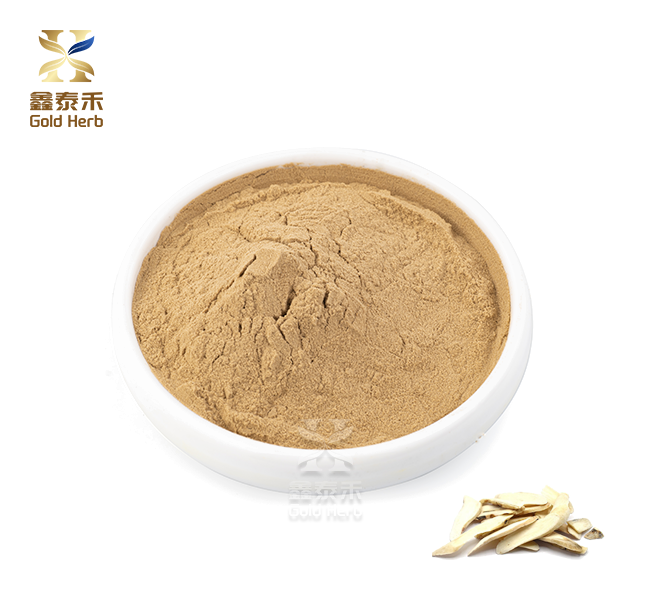
Ashwagandha (Withania somnifera), also known as Indian ginseng, is a classic adaptogenic herb in traditional Ayurvedic medicine. Its main bioactive components are withanolides (withaferin A, withanolide A), alkaloids, flavonoids and saponins. Standardized ashwagandha extract is widely used in health care, food, cosmetics and pharmaceutical industries for anti‑stress, anti‑fatigue, sleep‑improving and immune‑regulating functions.

II. Manufacturing Process of Ashwagandha Extract
The whole production follows raw material selection → pretreatment → extraction → separation & purification → concentration → drying → formulation → packaging, with strict quality control on active ingredient content.
1. Raw Material Selection & Inspection
- Use mature, dried ashwagandha roots (the main medicinal part); stems and leaves are less commonly used.
- Screen out moldy, rotten, foreign‑mixed raw materials; test heavy metals, pesticide residues, microbial indicators to meet global standards (USDA Organic, EU ECOCERT, GMP).
2. Pretreatment
- Cleaning: Remove soil, sand and impurities with clean water.
- Drying: Air‑dry or low‑temperature dry to control moisture below 10%.
- Crushing: Grind roots into coarse powder (20–40 mesh) to increase extraction efficiency.
3. Extraction (Core Step)
Common extraction methods for industrial production:
- Solvent Extraction (Mainstream)
- Use ethanol‑water solution (30%–70% ethanol) or purified water as solvent.
- Reflux extraction at 50–70 °C for 2–3 times, combine extracting solutions. Ethanol extraction has higher withanolide yield and less impurity.
- Supercritical CO₂ Extraction (High‑grade Extract)
- Low‑temperature, no organic solvent residue, retains heat‑sensitive active substances; used for high‑purity pharmaceutical‑grade extract.
- Ultrasonic‑assisted / Microwave‑assisted Extraction
- Shorten extraction time, improve efficiency, suitable for large‑scale continuous production.
4. Separation & Purification
- Filtration: Filter extract liquid through plate‑and‑frame filter or membrane filtration to remove solid residues.
- Purification: Use macroporous adsorption resin to adsorb withanolides, elute with ethanol solution, remove sugar, protein and other impurities, greatly improve extract purity.
5. Concentration
- Concentrate purified liquid with vacuum concentrator under low temperature (40–60 °C) to obtain ashwagandha extract liquid, avoid high‑temperature damage to active ingredients.
6. Drying
- Spray Drying: Most common for food/health care grade; turn liquid into fine powder with good fluidity.
- Freeze Drying: For high‑value products, maintain complete activity of withanolides, high cost. Get standardized powder extract (common specifications: 1%, 2%, 5% withanolides).
7. Post‑processing & Packaging
- Sieving, mixing, moisture control, microbial re‑inspection.
- Vacuum/aluminum foil packaging, store in cool and dry environment.

Ashwagandha
III. Main Industry Applications
1. Dietary Supplements & Functional Food (Largest Market)
- Core functions: Relieve stress and anxiety, improve sleep quality, enhance immunity, regulate endocrine, boost male vitality, anti‑fatigue.
- Product forms: Capsules, tablets, oral liquids, gummies, energy powder, protein powder, plant‑based functional beverages.
- Target crowds: Office workers under pressure, insomniacs, sub‑health population, fitness enthusiasts.
2. Cosmetics & Personal Care
- Effects: Antioxidation, anti‑aging, soothe sensitive skin, reduce fine lines, anti‑inflammatory, improve skin barrier.
- Applications: Anti‑aging serums, facial creams, soothing masks, body care products, hair care formulas to relieve scalp stress.
3. Pharmaceutical Industry
- Used in traditional herbal preparations and adjuvant drugs for nervous regulation, anti‑inflammation, anti‑tumor auxiliary research.
- High‑purity withanolide monomers are used in pharmaceutical research and clinical trials.
4. Pet Health Products
- Added to pet functional snacks and nutritional supplements to relieve pet anxiety, improve immunity and physical vitality.
5. Food Additives & Plant‑based Health Ingredients
- Added to plant‑based foods, probiotic formulas, adaptogen compound raw materials, matching rhodiola, maca, ashwagandha compound extracts for multi‑functional health products.

Ashwagandha
IV. Market Advantages & Development Trend
- Ashwagandha is recognized as a mainstream adaptogen globally, with growing demand in North America, Europe and Southeast Asia.
- Standardized extract (withanolide ≥2%) is the mainstream commodity specification, organic and non‑GMO grades have higher premium.
- Compound plant extracts combining ashwagandha with other adaptogens become a hot trend in health product formulation.
Contact our team at info@newgoldherb.com or visit newgoldherb.com to explore how our Ashwagandha supplier services can enhance your product portfolio and accelerate market success.

Send Inquiry
Related Industry Knowledge
- What is natural astaxanthin powder?
- Fenugreek Research: Health Benefits, Applications & Safety Guide
- How long does it take for Berberine Hydrochloride to lower cholesterol?
- How Silymarin Supports Liver Function Naturally
- OEM Fisetin Powder Supply for Anti-Aging Brands
- Astaxanthin vs Collagen: Which Is Better for Skin Health?
- What Is Astaxanthin? Benefits, Uses, and Side Effects Explained
- Fisetin for Anti-Aging: Science, Benefits, and Supplement Trends
- Sodium Copper Chlorophyllin Powder: A Versatile Ingredient for Detox, Skin Health, and Functional Formulations
- 5-Hydroxytryptophan(5-HTP): A Natural Solution for Mood, Sleep, and Stress Support