
What Is Astaxanthin? Benefits, Uses, and Side Effects Explained
Apr 16, 2026
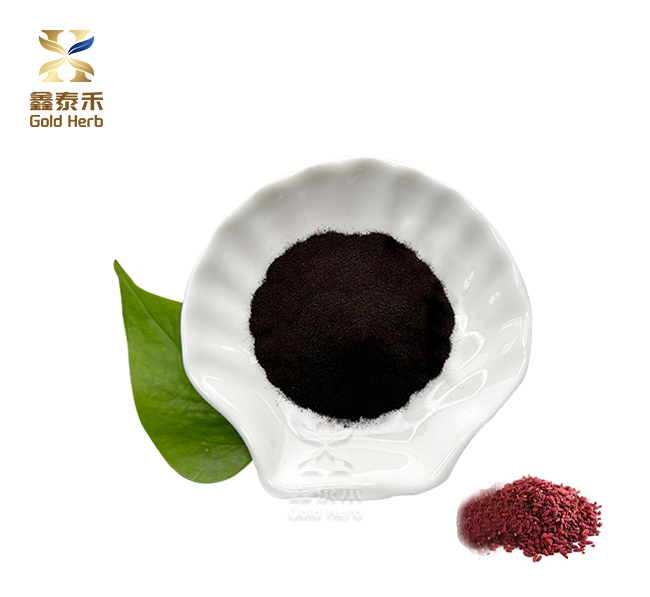
Astaxanthin is a naturally occurring keto-carotenoid characterized by its deep pink hue; it is hailed as "one of nature's most powerful antioxidants." It is produced by microalgae (such as *Haematococcus pluvialis*) under conditions of environmental stress and accumulates through the food chain within marine organisms—such as krill, salmon, lobsters, and crabs—imparting to them their distinctive orange-red coloration. In recent years, astaxanthin has rapidly gained popularity as both a dietary supplement and a skincare ingredient, as its unique molecular structure endows it with biological activity far exceeding that of ordinary antioxidants.
What is Astaxanthin?
Astaxanthin belongs to the lutein family of carotenoids; however, its chemical structure features an additional oxygen atom (in the form of a ketone group and a hydroxyl group) at each of its two ends. This structural feature grants it several extraordinary properties:
Spanning the Cell Membrane Bilayer: Its molecular structure allows it to embed simultaneously within both the inner and outer layers of the cell membrane, thereby providing comprehensive antioxidant protection.
Exceptional Antioxidant Potency: Its capacity to quench singlet oxygen is 550 times greater than that of Vitamin E and 11 times greater than that of beta-carotene, leading to its frequent designation as "Super Vitamin E."
"Intelligent" Antioxidant Action: Unlike certain other antioxidants, astaxanthin does not transform into a pro-oxidant itself after neutralizing free radicals, making it exceptionally stable and safe.

Core Health Benefits
1. Extraordinary Antioxidant and Anti-Inflammatory Effects
Astaxanthin effectively neutralizes various free radicals (such as singlet oxygen and hydroxyl radicals) and inhibits key inflammatory pathways—such as NF-κB—thereby reducing levels of inflammatory markers like C-reactive protein (CRP) and Interleukin-6 (IL-6). This dual mechanism of action positions it as a potentially powerful tool in the fight against chronic inflammation and diseases associated with oxidative stress.
2. Protecting Skin Health and Combating Photoaging
Internal Intake: Clinical studies have demonstrated that a daily oral intake of 4–6 mg of astaxanthin, sustained over a period of 6–8 weeks, can significantly improve skin parameters such as wrinkle depth, elasticity, moisture content, and texture. It acts to protect skin fibroblasts from ultraviolet (UV) radiation damage and mitigates the UV-induced breakdown of collagen by matrix metalloproteinases (MMPs). Topical Application: As a skincare ingredient, astaxanthin helps reduce oxidative damage and brightens the complexion; it is often formulated in combination with Vitamin C and Vitamin E to enhance photoprotective effects.
3. Alleviating Eye Fatigue and Supporting Eye Health
Astaxanthin is capable of crossing the blood-retinal barrier to act directly on the eyes. Numerous studies indicate that a daily supplement of 6–12 mg can effectively alleviate visual fatigue, improve accommodative function, and reduce symptoms of dry eyes and blurred vision—benefits that are particularly valuable for individuals who spend extended periods using digital devices. It may also help lower the risk of age-related macular degeneration (AMD).
4. Enhancing Athletic Performance and Recovery
Astaxanthin helps mitigate exercise-induced oxidative damage and inflammation, thereby delaying muscle fatigue, improving endurance, and accelerating post-exercise recovery. Some studies suggest that it can increase fat utilization efficiency and boost both strength and endurance output.
5. Supporting Brain and Cardiovascular Health
Neuroprotection: Its potent antioxidant and anti-inflammatory properties may help protect neurons, potentially lowering the risk of neurodegenerative diseases such as Alzheimer's disease.
Cardiovascular Benefits: Astaxanthin can improve lipid profiles (e.g., by increasing HDL cholesterol and lowering triglycerides), inhibit LDL oxidation, and enhance vascular endothelial function, thereby supporting overall cardiovascular health.
6. Enhancing Immune Regulation
Research indicates that astaxanthin can boost the activity of immune cells (such as natural killer cells and T cells) and increase immunoglobulin levels, thereby potentially enhancing the body's immune defense capabilities.

Primary Applications
Dietary Supplements: Available in forms such as softgels (often taken with dietary fats to optimize absorption) or powders, used for antioxidant support, anti-inflammatory effects, eye care, skincare, and athletic support.
Functional Foods and Beverages: Added to drinks and dairy products to provide health benefits and impart a natural color.
Premium Skincare Products: Included as a key active ingredient in serums, creams, and sunscreens, targeting anti-aging, skin repair, and radiance.
Aquaculture and Animal Feed: Used as an additive to improve the coloration, health, and nutritional value of farmed aquatic species (such as salmon).

Side Effects and Safety Information
Safety Overview
Astaxanthin is generally considered safe and well-tolerated. Naturally sourced astaxanthin (extracted from *Haematococcus pluvialis*) is typically preferred over synthetic versions.
Common Side Effects
At recommended dosages, side effects are rare and mild; they may include:
Orange-red discoloration of stool (harmless, as the pigment is not fully absorbed)
Stomach discomfort
Slight yellowing of the skin or palms (occurs at very high doses and is reversible)
Precautions for Use
Recommended Dosage: The standard daily dosage for general health maintenance is typically 4–12 mg. Studies utilizing higher doses (e.g., up to 40 mg per day) have also demonstrated good tolerability; however, data regarding the long-term safety of extremely high doses remain limited.
Special Populations: Pregnant women, breastfeeding mothers, children, and individuals with specific medical conditions should consult a physician prior to use.
Drug Interactions: Due to its potential anticoagulant properties, concurrent use with anticoagulant medications (such as Warfarin) may increase the risk of bleeding and requires close medical monitoring.
Optimizing Absorption: As astaxanthin is fat-soluble, it is recommended to take it with a meal (specifically one containing dietary fats) to significantly enhance its bioavailability.

Key Considerations and Selection Advice
Source Matters: Prioritize astaxanthin derived from natural *Haematococcus pluvialis* sources, as its biological activity and safety profile are generally superior to those of synthetic versions (which are primarily derived from petrochemicals).
Manage Expectations: While promising, many potential health benefits (such as cancer prevention or significant improvement in chronic diseases) still require further large-scale, long-term human clinical trials for definitive confirmation.
Synergistic Effects: Astaxanthin is frequently combined with other antioxidants—such as Omega-3 fatty acids (e.g., from krill oil), Vitamin C, and Vitamin E—to create synergistic effects that enhance overall efficacy.
Conclusion
With its unique molecular structure and powerful dual properties as both an antioxidant and an anti-inflammatory agent, astaxanthin demonstrates immense potential across the fields of health maintenance, sports nutrition, and skincare. As a natural essence extracted from resilient microalgae, it offers an effective tool for combating the ubiquitous oxidative stress inherent in modern life. When considering its use, selecting a high-quality, naturally sourced product, adhering to recommended dosages, and paying attention to your body's feedback are the keys to safely and effectively harnessing the benefits of this "natural ruby." For individuals with specific health conditions or those currently taking medication, consulting a healthcare professional is always a wise first step.
Contact our team at info@newgoldherb.com or visit newgoldherb.com to explore how our astaxanthin powder supplier services can enhance your product portfolio and accelerate market success.

Send Inquiry
Related Industry Knowledge
- Tongkat Ali for Men: Natural Testosterone & Libido Booster
- Kava Root Extract: A Natural Solution for Anxiety and Relaxation
- Top Urolithin A Benefits for Muscle, Energy, and Anti-Aging
- How Fisetin Supports Cellular Senescence and Aging
- How 5-Hydroxytryptophan Supports Better Sleep and Emotional Balance
- What Is Centella Asiatica Extract? Benefits, Uses, and Skin Effects
- Ergothioneine vs CoQ10: Which Supports Cellular Energy Better?
- Fisetin Powder: The "Cellular Scavenger" in Anti-Aging Supplements
- Urolithin A Powder: Benefits, Applications, and B2B Supply Opportunities
- Ergothioneine: Unlocking B2B Opportunities in the Functional Nutrition Market