
Can Resveratrol Be Used in Functional Beverages?
Mar 09, 2026
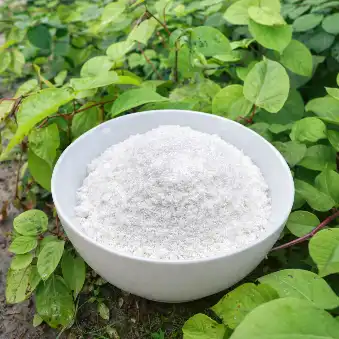
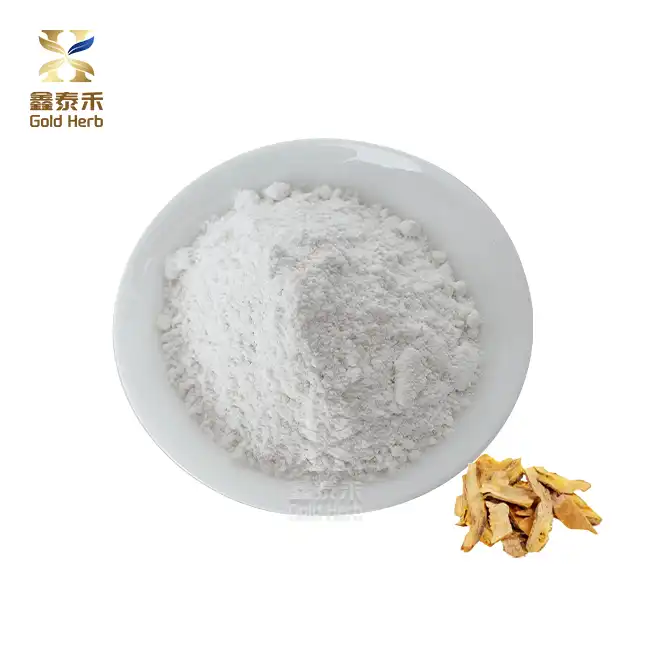
Yes, resveratrol can be used in functional drinks. Pure Resveratrol Powder has become the most popular form for beverage makers who want to make sure the quality is uniform and the absorption is high. It is usually made by fermenting yeast or extracting this high-purity polyphenolic substance from Japanese knotweed roots. It has amazing antioxidant properties that make it perfect for health-focused beverage recipes. Modern processing methods have solved the problems that used to make it hard for substances to dissolve, making it possible for them to be easily mixed into a wide range of drinks while still staying stable and effective over time.
Understanding Pure Resveratrol Powder and Its Application in Functional Beverages
The development of Pure Resveratrol Powder is a big step forward for nutrition products. It gives beverage makers a very concentrated source of trans-resveratrol that is at least 98% pure. Unlike crude extracts, which only have 50% active substances, this refined powder gets rid of unpleasant contaminants like emodin and polycyclic aromatic hydrocarbons while keeping the quality the same from batch to batch.
Chemical Properties and Bioavailability Enhancement
The resveratrol (C14H12O3) chemical shape makes making drinks both harder and easier in some ways. Usually lipophilic and not very water-soluble, new processing methods have made water-soluble versions with 10% resveratrol and highly concentrated ethanol-soluble versions that are 98% pure. This two-specification method lets formulators pick the best form based on the needs of their individual beverage grid.
Modern micronization methods lower particle size to less than 10 microns, which greatly speeds up breakdown and gets around the compound's natural Class II BCS problems. Because of this higher bioavailability, the end product has more beneficial health benefits, and manufacturers can make health claims with smaller doses than with traditional extracts.
Integration Challenges and Solutions
When adding resveratrol powder to drinks, makers have to deal with several recipe issues, especially when it comes to how the drinks taste and stay stable. Because the substance is sensitive to UV light and an alkaline pH, the conditions of storage and handling need to be carefully thought out. However, new packaging technologies like beta-cyclodextrin complexation and nano-emulsification have been able to solve these issues while hiding the naturally bitter taste.
Strategic pH buffering and antioxidant synergy systems have been used to improve temperature stability during scalding processes. These improvements in composition make sure that functional drinks keep their resveratrol levels high for as long as they should while still having appealing taste profiles for customers.
Selecting the Right Type and Quality of Resveratrol for Beverage Production
When buying resveratrol powder, it's important to carefully look at the purity standards, extraction methods, and quality approvals. In the beverage business, ingredients have to meet strict safety standards and work reliably in a wide range of product formulas.
Purity Specifications and Quality Markers
Pure Resveratrol Powder of a higher quality has certain technical features that set it apart from lower-quality options. The amount of trans-isomer must be higher than 99% because this is the biologically active form that is good for you. Levels of contamination, especially emodin content below 1 ppm and benzopyrene levels below 2 ppb, are important signs that the cleaning process is working right.
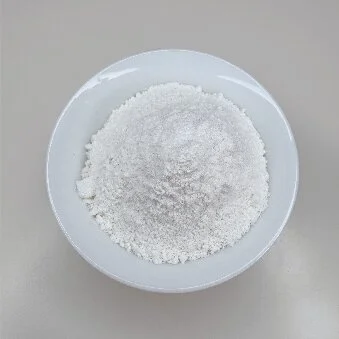
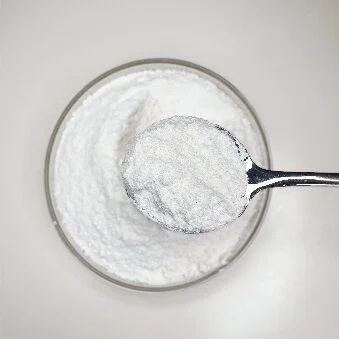
Certificates of Analysis should show proof of HPLC testing, which verifies that the substance is pure and doesn't contain any dangerous substances. Powders of real good quality vary in color from white to off-white. This is different from extracts of lower purity, which have a brownish color. Melting point requirements between 253°C and 255°C add to the proof of solid stability and authenticity.
Supply Chain Reliability and Certification Standards
When going after certain market groups, beverage companies need suppliers with a wide range of certifications, such as FDA approval, ISO9001 quality management, HACCP food safety routines, and religious certifications like Halal and Kosher. These certifications help with global marketing plans and make sure that products follow international rules.
When evaluating a supplier, you should look at their production capacity, their ability to handle supplies, and their availability of expert help. Most of the time, leading sellers keep more than one ton of standard specs in stock, which lets them quickly fill orders within 24 hours. Customization services with response times of 7–15 working days give you options for making formulations that fit your specific needs.
How to Use Pure Resveratrol Powder in Functional Beverage Formulations?
To use resveratrol powder effectively in beverages, you need to know the best dose levels, how to process the powder, and how to meet regulatory standards. Formulations that work well strike a balance between safety and effectiveness, while also meeting customer standards for taste and usefulness.
Dosage Optimization and Regulatory Compliance
Resveratrol levels in functional drinks usually range from 5 mg to 50 mg per dose, based on the health claims and rules set by the government. The Food and Drug Administration (FDA) says that resveratrol is generally recognized as safe (GRAS) for use in food, but the recommended dose depends on the use and the group being targeted.
The European legal guidelines, which are based on EFSA advice, give market-specific formulations more things to think about. Labeling rules must correctly show how much resveratrol is in the product without making any false health claims. Comprehensive safety studies back daily intake levels of up to 150 mg for healthy adults. However, lower doses are usually used in beverage formulations to make sure that most people will like them.
Processing Stability and Synergistic Combinations
To keep resveratrol stable while making drinks, the pH level needs to be carefully controlled. Usually, it should stay between 3.5 and 6.0 to keep breakdown to a minimum. Antioxidant synergists, like vitamin E and ascorbic acid, make things more stable while also offering health benefits that work well together to improve product marketing.
Rapid heating and cooling cycles can be used to get the most out of the temperature exposure during pasteurization processes. This keeps thermal damage to a minimum. Lightproof wrapping, like amber or opaque cases, keeps the medicine's effectiveness while it's being shipped and shown in stores. These handling issues make sure that finished drinks keep the same amount of resveratrol throughout their shelf life.
Flavor Masking and Sensory Enhancement
Because Pure Resveratrol Powder is naturally bitter and acidic, it needs to be carefully flavor system designed to make it taste good to people. Fruit-based drinks, especially ones made from berries and grapes, have natural flavors that go well with other foods and support the antioxidant stance. Using natural options like stevia or monk fruit in sweetening systems works well to hide sharpness without going against clean label goals.
Changes in carbonation levels and flavor can make the taste and smell even better while helping the resveratrol dissolve. With these formulation techniques, beverage makers can add useful benefits without lowering the quality of the taste or making customers unhappy.
Procurement Insights: Where and How to Buy Pure Resveratrol Powder in Bulk?
To strategically source resveratrol powder, you need to know about global supply lines, how prices change, and what your suppliers can do. A good procurement process strikes a balance between lowering costs and ensuring quality, all while making sure that there is a steady supply for large-scale industrial output.
Supplier Evaluation and Risk Management
Direct connections with manufacturers have many benefits over distributor channels, such as lower costs, easier access to expert help, and more openness in the supply chain. Leading providers, like those that work out of well-known production hubs, provide a lot of paperwork, such as records of how the raw materials were processed and data on how the final products were tested.
Risk-reduction plans should look at the financial security of the supplier, their past of following the rules, and their ability to increase or decrease production capacity. Multiple seller qualification lowers the risk of dependence and gives you more bargaining power for price deals based on volume. As part of the due diligence process, manufacturing licenses, quality system methods, and intellectual property compliance must all be checked.
Cost Optimization and Contract Structures
In most cases, bulk buying deals lead to big price cuts. For example, when you buy 100 kg or more, you get access to better pricing levels. Annual contract designs keep prices stable and make sure that supply is distributed evenly when market demand changes. In foreign deals, payment terms and currency hedging techniques help protect against financial risk.
Using strategic warehousing and combined shipping to improve logistics cuts down on total delivery costs and speeds up order processing. Suppliers with regional delivery hubs, especially in the US, give their customers a competitive edge by cutting down on shipping times and making the customs process easier.
Quality Assurance and Testing Protocols
Protocols for checking incoming materials should check important quality factors like levels of purity, moisture content, microbiological safety, and heavy metal amounts. Third-party laboratory verification gives independent confirmation of Certificates of Analysis given by suppliers and helps with regulatory compliance paperwork.
The product performance of Pure Resveratrol Powder is tracked by stability testing tools that speed up the aging process. This makes sure that the formulations work well together and that the shelf life forecasts are accurate. These investments in quality assurance help protect the brand's image, keep customers safe, and make sure that rules are followed in a wide range of foreign markets.
Case Studies and Future Trends in Using Resveratrol for Functional Beverages
Resveratrol-containing functional drinks have had a lot of success, with yearly growth rates of over 8%. This is because people want health solutions that are backed by science. These changes in the market are helpful information for companies that are thinking about adding resveratrol, and they also show new ways to make their products stand out.
Market Success Examples and Consumer Response
Premium beverage companies have successfully released resveratrol-rich goods that are aimed at anti-aging and heart health markets. People who are health-conscious and want to get the benefits of resveratrol without drinking alcohol, like wine alternatives with high amounts of resveratrol. Combining resveratrol with fluids and amino acids in sports recovery drinks shows that the category can grow beyond its standard antioxidant standing.
Consumer study shows that people are very likely to buy drinks that contain ingredients that have been carefully tested and have been shown to be safe. Resveratrol's link to the health benefits of the Mediterranean diet and studies on living longer is especially appealing to wealthy people who are willing to pay more for useful drinks.
Innovation Opportunities and Technology Advances
New methods of delivery for Pure Resveratrol Powder, like liposomal encapsulation and nano-emulsion systems, offer better solubility and the ability to make new types of products. Traditional powder-based systems are more difficult to make, but ready-to-drink versions are more stable and easier to make.
Plant-based beverage grids are in line with sustainability trends and have natural flavors that go well with the plants that resveratrol comes from. Personalized nutrition uses resveratrol's genetic reaction differences to make it possible to make products for specific groups of people based on their metabolic profiles.
As time goes on, regulations are becoming more open to claims about structure-function that are backed up by strong clinical proof. This trend prefers well-known ingredients like resveratrol that have been studied a lot. This gives early market players in new beverage categories a competitive edge.
Conclusion
Pure Resveratrol Powder is a great chance for companies that make functional drinks to set their products apart by adding health ingredients that are backed by science. The chemical is an antioxidant, and new formulation technologies make it possible for it to be successfully added to a wide range of drinks while still meeting strict quality and legal standards. Strategic relationships between suppliers and qualified makers guarantee steady access to high-purity materials that help meet production goals on a large scale. As the market moves toward natural, clinically-studied ingredients, resveratrol becomes an advantage for companies that want to attract health-conscious customers willing to spend money on functional nutrition solutions.
FAQ
Q1: What is the optimal resveratrol dosage for functional beverages?
Functional drinks usually have 5 to 50 mg of resveratrol per dose, and most store-bought ones aim for 10 to 25 mg to get the best mix of effectiveness and price. This dosage level is in line with a clinical study that shows antioxidants are helpful, and it also meets the rules for all foreign markets.
Q2: How does resveratrol powder stability affect beverage shelf life?
When made correctly with the right pH buffers and antioxidant systems, high-quality Pure Resveratrol Powder stays stable for 18 to 24 months. Light-resistant packing and temperature control during shipping keep the strength, so finished drinks stay true to what they say on the label for the whole time they're supposed to last.
Q3: What certifications should suppliers provide for beverage-grade resveratrol?
Some important certifications are FDA approval, ISO9001 quality management, HACCP food safety standards, and religious certifications like Kosher and Halal. Third-party testing verification and full Certificates of Analysis give business products even more quality assurance.
Q4: Can resveratrol powder be combined with other functional ingredients?
Indeed, resveratrol works very well with vitamins, minerals, amino acids, and other plant products. Combining antioxidants like vitamin C and E in a way that works well together makes the product more stable and gives it extra health benefits that make it stand out and appeal to customers.
Partner with Gold Herb for Premium Pure Resveratrol Powder Supply
Gold Herb can help you make useful drinks by giving you pharmaceutical-grade Pure Resveratrol Powder that is made under strict quality controls and has a lot of certifications, such as FDA, ISO9001, and HACCP approvals. Our technical knowledge, gained through smart relationships with top research institutions, makes sure that the ingredients in your formulations work at their best. We keep a lot of inventory on hand, so we can quickly fill orders with standard specifications—within 24 hours—while our customization options allow us to offer unique solutions in 7–15 working days. As a reliable Pure Resveratrol Powder provider with more than 200 clients in 30 countries, we offer reasonable prices, dependable shipping support, and full technical support as you create your product. Email our team at info@newgoldherb.com to talk about your particular needs and ask for samples to test.
References
1. Baur, J.A., & Sinclair, D.A. (2006). Therapeutic potential of resveratrol: the in vivo evidence. Nature Reviews Drug Discovery, 5(6), 493-506.
2. Cottart, C.H., Nivet-Antoine, V., & Beaudeux, J.L. (2014). Review of recent data on the metabolism, biological effects, and toxicity of resveratrol in humans. Molecular Nutrition & Food Research, 58(1), 7-21.
3. Nunes, S., Danesi, F., Del Rio, D., & Silva, P. (2018). Resveratrol and inflammatory bowel disease: the evidence so far. Nutrition Research Reviews, 31(1), 85-97.
4. Poulsen, M.M., Vestergaard, P.F., Clasen, B.F., Radko, Y., Christensen, L.P., Stødkilde-Jørgensen, H., ... & Jessen, N. (2013). High-dose resveratrol supplementation in obese men: an investigator-initiated, randomized, placebo-controlled clinical trial of substrate metabolism, insulin sensitivity, and body composition. Diabetes, 62(4), 1186-1195.
5. Smoliga, J.M., Baur, J.A., & Hausenblas, H.A. (2011). Resveratrol and health–a comprehensive review of human clinical trials. Molecular Nutrition & Food Research, 55(8), 1129-1141.
6. Walle, T. (2011). Bioavailability of resveratrol. Annals of the New York Academy of Sciences, 1215(1), 9-15.

Send Inquiry

Related Industry Knowledge
- Is fulvic acid hard on the liver?
- Blue Spirulina Phycocyanin Price Guide for Global Buyers
- Maca Powder Types: Red vs Black vs Yellow Compared
- What is maca powder extract?
- Astaxanthin vs Collagen: Which Is Better for Skin Health?
- Fisetin Benefits for Brain Health and Longevity Explained
- Is berberine bark powder good for diabetics?
- What is the use of garcinia cambogia powder?
- Ergothioneine Powder: A Powerful Antioxidant for Cellular Protection
- Is Gardenia Blue Color Approved in EU & USA Markets?