
Is Gardenia Blue Color Approved in EU & USA Markets?
Mar 10, 2026
Gardenia Blue Color made from Gardenia jasminoides Ellis can be used in many different types of businesses in both the EU and the USA. Because it comes from plants and is safe, this natural blue dye has been approved by the government. In the US, the Food and Drug Administration (FDA) says that gardenia blue can be used as a color ingredient in certain food, cosmetic, and drug products. In the same way, the European Union lets it be used through the EFSA approval process, mostly in cosmetics and food. Because it has been approved, gardenia blue is a good option to synthetic colorants for companies that want to use clean labels and stay in line with regulations in these big markets.
Understanding Gardenia Blue Color and Its Market Relevance
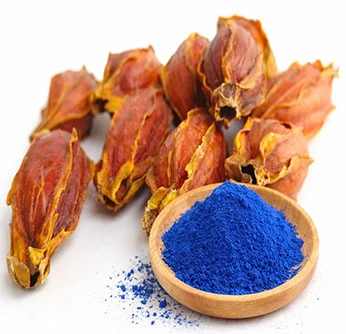
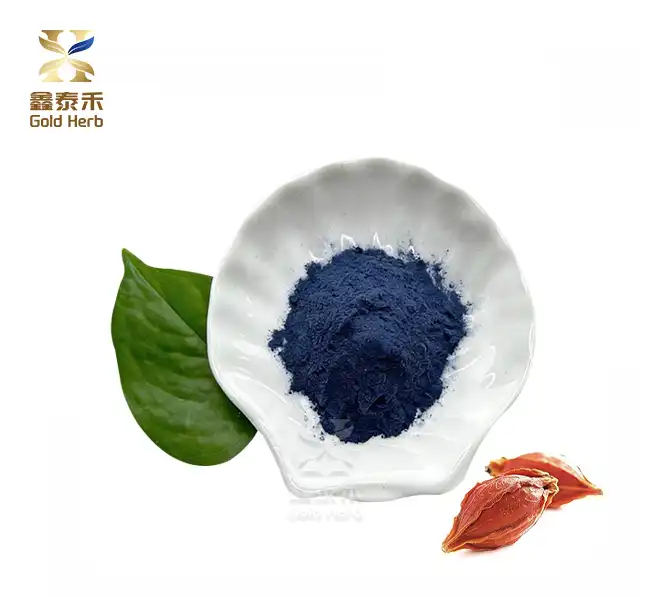
With enzymes, the Gardenia jasminoides Ellis plant gives us Gardenia blue, a new natural color that is a big step forward in color science. This unique colorant has a powdery look that ranges from dark blue to purple-blue, and it is very stable, keeping it different from other blue pigments. The CAS number 106441-42-3 makes it easy to identify the molecule for legal and purchasing reasons.
Chemical Properties and Specifications
The scientific details of gardenia blue show that it performs better than other colors. This natural pigment has an E-value between 30 and 200, which means it has a very strong color and can be used in many commercial settings. Using HPLC and UV analysis in testing methods makes sure that quality and purity standards are always met to meet foreign standards.
Because the chemical is photosensitive, storage requirements stress keeping it out of light by putting it in cases that are tightly sealed. These requirements are the same as those for handling pharmaceutical-grade materials, so gardenia blue can be used in a wide range of sensitive situations.
Industrial Applications Across Sectors
Gardenia Blue Color is in high demand from many different businesses that want natural options to synthetic colorants. This color is used in the food and beverage industry to give drinks, sweets, and other specialty items appealing blue tints. Cosmetic companies use gardenia blue in formulas that need natural coloring agents that are steady and still work well in a range of pH conditions.
The compound has bioactive qualities that go beyond just coloring and can be used in pharmaceuticals. The antioxidant properties of gardenia blue help keep the mixture stable and add to the health benefits of nutraceutical goods.
Regulatory Framework for Color Approvals in the EU and the USA
To fully understand the rules that govern color agents, you need to know a lot about both the European and American approval processes. These guidelines lay the groundwork for getting gardenia blue goods on the market and say what kinds of uses they are allowed for.
European Union Regulatory Pathways
Through strict evaluation methods, the European Food Safety Authority (EFSA) keeps an eye on color additive approvals in the EU market. The classification of Gardenia Blue Color as a natural extract means that it has a shorter approval process than manufactured options. The EU Cosmetic Regulation sets more rules about how they can be used in personal care goods. It needs full safety tests and a list of ingredients.
REACH compliance is another important part of entering the EU market. Manufacturers must show profiles of environmental safety and give thorough data on chemical analysis. The registration process keeps buyer safety standards high and makes sure that goods can be tracked all the way through the supply chain.
United States Approval Mechanisms
The FDA is in charge of approving color additives in the US. It does this through a number of different governing groups. Code of Federal Regulations Title 21 sets the limits on how much can be used and how labels must be made for food uses. Different rules apply to different cosmetic uses, which gives formulators more freedom while still making sure safety standards are met.
The Generally Recognized as Safe (GRAS) method is an alternative way to get approval for natural ingredients whose safety ratings have already been established. Gardenia blue comes from plants and has been used in many ways in the past, which supports its GRAS classification in many situations and speeds up the process for approved makers to get into the market.
Certification and Testing Requirements
In both areas, a lot of proof is needed to show that the product is safe and works. Protocols for analytical tests must prove chemical makeup, purity levels, and the presence of any possible contaminants. Stability studies check how well a product works in different weather conditions, making sure that the quality stays the same over the course of its lifecycle.
Some of the things that are needed to get a certificate are FDA registration, ISO9001 quality management systems, HACCP food safety routines, and special licenses like Halal and Kosher labels. These licenses give you entry to markets and meet the needs of a wide range of customers around the world.
Market Analysis: Is Gardenia Blue Color Approved?
A recent study of the market shows that gardenia blue is legal in both the EU and the USA, and its uses are growing in many different industries. As governments become more aware of the benefits of natural options to manmade colorants, the approval process keeps changing.
Approved Product Categories
The biggest approved market group for Gardenia Blue Color is food and drink applications. Within certain concentration levels, regulatory officials allow it to be used in sweets, drinks, dairy products, and baked goods. The natural origin gives clean-label benefits that customers and brand makers are increasingly looking for.
Skin care, color makeup, and personal care items are all approved as cosmetics. The compound's stability profile makes it good for products that need to keep their color for a long time, even when they are stored in a variety of circumstances. Dietary supplements and functional foods are examples of pharmaceutical uses where natural coloring helps place the product.
Regulatory Challenges and Limitations
Even though there is a broad approval status, some applications are still limited or need more paperwork. Depending on the market, high-concentration use may lead to specific marking rules or limits on how it can be used. Some specialized uses need to be looked at on a case-by-case basis through petition methods.
Concerns about cross-border trade include problems with bringing EU and US standards into line with each other. When planning product sales in more than one market, manufacturers have to deal with different paperwork needs and approval timelines. These difficulties show how important it is to work with government partners who have a lot of experience.
Market Penetration Success Stories
Leading makers have successfully added Gardenia Blue Color to several different product lines, showing that the color is both marketable and acceptable to customers. Sports nutrition companies use the dye to make unique blue drinks that stand out in a market full of other options. Candy companies use gardenia blue in their high-end lines of products for health-conscious customers.
Gardenia blue is used in cosmetics for natural skin care lines that focus on using plant-based chemicals and getting them in a way that doesn't harm the environment. These success stories show that natural pigments can be used in the real world and show possible buyers that they can be used.
How to Source and Procure Gardenia Blue Color Compliantly?
To successfully buy gardenia blue that is legal, you need to evaluate suppliers and check their paperwork in a planned way. Because foreign rules are so complicated, certification standards and quality assurance methods need to be carefully thought out.
Supplier Selection Criteria
Qualified providers must show that they fully follow all regulations by providing written certification programs. Some important certifications are FDA registration, ISO9001 quality systems, HACCP application, and any related certifications for organic or natural products. Third-party checks of the supplier's factories should be done on a regular basis to maintain their approval status.
Another important thing to look at when judging someone is their technical skills. Suppliers must give full results of scientific tests, information on stability, and formulation support services. Customizing specifications and providing technical paperwork speeds up the product creation process and makes sure that all regulations are followed.
Geographic factors include how close the business is to its target markets, its ability to handle logistics, and its knowledge of the rules and regulations that apply in those markets. Suppliers with established regulatory affairs teams and delivery networks add value by making it easier for new customers to get into the market.
Documentation and Compliance Verification
Every Gardenia Blue Color shipment must come with a full set of paperwork to make sure it clears customs and follows all the rules. Certificates of analysis, safety data sheets, letters of approval from regulators, and test reports from a third party are all papers that are needed. The paperwork has to be up-to-date with the latest rules and include all the languages needed for foreign shipping.
Traceability tools make the whole supply chain visible, from where the raw materials come from to where the finished product is delivered. Blockchain-based tracking systems make things clearer and meet government standards for verifying plant ingredients.
Best Practices for Procurement Teams
Risk-reduction steps that deal with possible supply chain breakdowns are part of successful buying strategies. Dual-sourcing plans make sure that things don't stop and keep prices low. Long-term supply deals keep prices stable and make sure that supplies will be available for important production plans.
As part of quality control methods, arriving inspections, proof of analytical tests, and tracking of storage conditions should all be included. Regular checks of suppliers keep relationships in good shape and look for ways to make things better.
Strategic Value of Gardenia Blue Color in Global B2B Markets
Adopting gardenia blue has strategic effects that go beyond following the rules. They include chances to differentiate the brand and place it in the market. By understanding these strategic aspects, buying teams can get the best return on investment while also helping the business reach its larger goals.
Brand Positioning and Consumer Appeal
Clean-label marketing techniques are becoming more and more important in all consumer markets, and natural colorants like gardenia blue help them. The story of how the plant got its name appeals to people who care about the environment and supports premium price tactics. Market study shows that people are becoming more ready to pay more for goods that contain natural ingredients.
There is a visual difference in busy market areas thanks to the unique blue color. Product designers can make colors that people associate with certain companies. This helps customers remember those brands and stay loyal to them over time. The stable features make sure that the brand looks the same even when stored and used in different ways.
Emerging Market Opportunities
The functional food and nutritional markets are growing areas where Gardenia Blue Color can be used. The compound's antioxidant properties work well with the coloring's benefits, making them two-in-one ingredients that help make the mixture work better. More people are learning about oxidative stress and age, which is driving the market for items that look good and do good.
There are chances to grow your international market in places where the middle class is growing, and people are becoming more health-aware. Asia-Pacific markets have a lot of potential because people there are used to using plant ingredients, and their spending incomes are rising, which supports high-end product categories.
Competitive Advantages Through Natural Ingredients
Companies that use natural colorants have an edge over their competitors because they can position their products differently and are less likely to be affected by legal risks. When compared to manufactured options, natural ingredients are less limited by regulations and are more popular with consumers. This branding helps with long-term plans to keep the company alive and grow the market.
Adopting natural ingredients can also help your business's supply line stay strong. Botanical sources give us a wider range of options and make us less reliant on manufactured replacements made from petrochemicals. Diversification helps protect supplies and is in line with environmental promises that are becoming more important to business stakeholders.
Conclusion
Gardenia Blue Color is allowed for use in both the EU and USA markets. This gives producers legal certainty for a wide range of uses in the pharmaceutical, cosmetic, and food industries. Natural origin and a safety profile that has been proven support a clean-label stance while meeting strict regulatory requirements. To buy right, you need to carefully choose your suppliers, keep detailed records, and keep an eye on compliance all the time. The strategy benefits go beyond following the rules; they also include chances to set your brand apart and find a good place in the market, which are both good for long-term business growth.
FAQ
Q1: What is the regulatory status of Gardenia Blue Color in food applications?
Under the natural color additive rules, Gardenia Blue Color is allowed for use in food in both the EU and the USA. The FDA says it's a safe color agent for many types of food, and the EFSA says it's safe for use in the European market. The amount of use must follow set rules that are unique to each type of product.
Q2: How does gardenia blue compare to synthetic blue colorants in terms of stability?
When it comes to heat and pH stability, natural gardenia blue is better than many manufactured options. The compound keeps its color even when heated to 120°C for processing and works well in pH ranges from 4.0 to 8.0 of the solution. This stable trait works for uses that need to be heated up or have a longer shelf life.
Q3: What certifications are required for importing Gardenia Blue Color?
Different markets have different import rules, but they usually need certificates of analysis, safety data sheets, and proof that the goods are safe. It may be necessary to get extra approvals, like organic, Halal, or Kosher, based on the end use. To meet the needs of a wide range of markets, suppliers should keep a full collection of certifications.
Q4: Can gardenia blue be used in cosmetic formulations without restrictions?
There aren't as many rules about cosmetic uses as there are about food uses, but there may be limits on concentrations based on the type of product and the market it's aimed at. The safety of the substance makes it suitable for use in a wide range of cosmetics, such as color cosmetics, skin care products, and personal care items. Manufacturers should check the exact needs of the users they want to make them for.
Q5: What are the typical shelf life and storage requirements for Gardenia Blue Color?
If you store food properly in cases that keep light out and close tightly, it will usually last longer than 24 months. The temperature and humidity should stay the same during storage, and light should not be allowed to reach the items because it can weaken the colors. Based on how the package is set up, suppliers should give clear instructions on how to store the goods and when they go bad.
Partner with Gold Herb for Premium Gardenia Blue Color Solutions
If you need to buy Gardenia Blue Color, Gold Herb is ready to help you with its extensive technical knowledge and guarantee of regulatory compliance. Our natural color solutions are certified by the FDA, ISO9001, HACCP, Halal, and Kosher, and they give your products the security and purity they need. As a well-known maker of Gardenia Blue Color, we keep a large stock ready to ship right away and can also develop products to your exact specifications.
We have experience with the global supply chain for more than 200 customers in 30+ countries. We have strategic relationships with top research institutions and fixed warehouses in the U.S. that guarantee fast delivery within 3–5 business days. Get in touch with our technical team at info@newgoldherb.com to find out how our premium gardenia blue options can help you meet strict legal standards while also making your product line better.
References
1. European Food Safety Authority Guidelines for the Evaluation and Approval Processes for Natural Color Additives, 2023.
2. FDA Code of Federal Regulations Title 21 - Color Additives and Natural Pigment Classifications, 2024.
3. International Journal of Food Science and Technology - Stability Characteristics of Plant-Derived Blue Pigments in Food Applications, 2023.
4. Regulatory Affairs Professionals Society Handbook on Global Color Additive Regulations and Compliance Requirements, 2024.
5. Natural Product Research and Development - Commercial Applications and Market Analysis of Gardenia-Derived Colorants, 2023.
6/ Journal of Applied Food Chemistry - Comparative Analysis of Natural versus Synthetic Blue Colorants in Industrial Applications, 2024.

Send Inquiry

Related Industry Knowledge
- Fenugreek for Men: Natural Testosterone & Libido Booster
- What Is Sodium Copper Chlorophyllin Powder Used For?
- The Key Health Benefits of Urolithin A You Should Know
- GMP Dihydromyricetin powder for Dietary Supplement Development
- How Phycocyanin Powder Is Used in Clean Label Foods
- What Is Sodium Copper Chlorophyllin? Benefits, Uses & Bulk Supply
- What Is Blue Matcha Butterfly Pea Flower Powder Used For in Food R&D?
- Urolithin A in Anti-Aging Supplements: Market Trends and B2B Opportunities
- Why Ergothioneine Is a Trending Ingredient in Longevity and Antioxidant Supplements
- Why 5-Hydroxytryptophan(5-HTP) Is a Popular Ingredient in Mood and Sleep Supplements