
Fisetin: Benefits, Dosage, and Safety Guide
Apr 30, 2026
In today's pursuit of healthy aging, scientific exploration into the nature of "aging" has moved beyond mere surface-level observations to delve deep into the cellular realm. Amidst this process, a flavonoid compound naturally found in strawberries, apples, and onions—Fisetin—is emerging as a shining star in the field of anti-aging, thanks to its remarkable ability to "clear out zombie cells."
But what exactly are the concrete benefits that Fisetin offers the human body? Given its extremely low natural bioavailability, how should we approach its supplementation scientifically? And does it harbor any potential risks that are easily overlooked? This comprehensive guide will break down these questions for you, one by one.
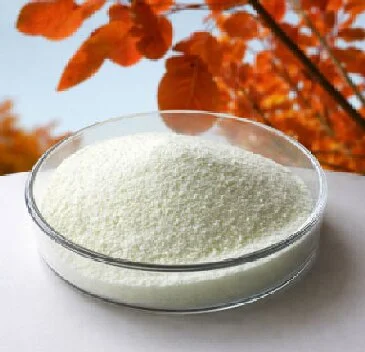
The Core Benefits of Fisetin: Beyond Mere "Antioxidant" Action
Fisetin has garnered such significant attention not merely because of its ability to neutralize free radicals, but—more importantly—because it intervenes in the human aging process across multiple dimensions.
1. Precisely Targeting and Eliminating "Zombie Cells" (Senolytic Activity)
The human body harbors a type of "senescent cell" (colloquially known as "zombie cells")—cells that have ceased dividing yet stubbornly refuse to die. These cells do not merely take up space without performing their duties; they also continuously secrete inflammatory factors that poison the surrounding healthy cells. Fisetin is currently recognized as one of the most potent natural agents for clearing out these senescent cells. It precisely disrupts the "anti-apoptotic pathways" within senescent cells (for instance, by downregulating proteins such as BCL-2 and BCL-xL), thereby inducing these harmful zombie cells to self-destruct and significantly reducing the body's chronic inflammatory burden.
2. Building a Neurological Defense: Safeguarding Brain Youthfulness
Fisetin possesses excellent lipid solubility, allowing it to easily cross the blood-brain barrier. Once inside the brain, it promotes the expression of Brain-Derived Neurotrophic Factor (BDNF), accelerates the proliferation of neural stem cells in the hippocampus, and helps clear away the beta-amyloid protein deposits implicated in Alzheimer's disease. Preclinical studies indicate that, in addition to improving cognitive function, Fisetin holds immense potential for the prevention of neurodegenerative diseases. 3. Metabolic Remodeling and Multi-Organ Protection
Liver and Blood Glucose: Fisetin improves insulin sensitivity and modulates the Akt/GSK-3β signaling pathway. In animal models, it has not only successfully restored blood glucose levels in diabetic mice to healthy ranges but also significantly alleviated non-alcoholic fatty liver disease.
Cardiovascular System: It exerts anti-atherosclerotic effects by activating the eNOS enzyme to increase nitric oxide (NO) production—thereby improving vascular endothelial function—while simultaneously inhibiting the formation of foam cells.

Dosage and Administration Strategies: Breaking the "Taking It for Nothing" Curse
If Fisetin has one critical weakness, it is its extremely low bioavailability (typically less than 10%). Due to limitations in intestinal absorption and the hepatic first-pass effect, simply swallowing a standard Fisetin capsule at random means that the majority of the dose may never actually enter the bloodstream to exert its therapeutic effects.
To ensure Fisetin delivers tangible results, a strategic approach is essential:
1. Scientific Dosage Guidelines
Daily Maintenance and Neuroprotection (100 mg – 200 mg/day): Suitable for younger individuals or for use as a daily regimen for antioxidant and anti-inflammatory support.
Anti-Aging and Metabolic Support (200 mg – 500 mg/day): Suitable for middle-aged and older adults, or for individuals with mild metabolic issues.
"Pulsed" Senescent Cell Clearance Protocol (500 mg – 1000 mg/day, taken for 2–3 consecutive days, then discontinued): This high-dose regimen is inspired by senescent cell clearance research conducted at the Mayo Clinic (approximately 20 mg/kg/day). It aims to concentrate the elimination of accumulated "zombie cells" (senescent cells) within the body through a short-term, high-intensity dosing schedule. This method is typically repeated once per month or once per quarter.
2. "Cutting-Edge" Techniques and Tips for Enhancing Absorption
Take with Meals: Fisetin is fat-soluble; therefore, it must be taken immediately after a full meal containing dietary fats (e.g., paired with avocado, eggs, or olive oil). This relies on bile-mediated emulsification to significantly boost its absorption rate. Seeking Advanced Formulations: To avoid inefficiency, it is recommended to opt for high-end supplements that utilize advanced delivery systems—such as liposomes, phytosomes, or nanoparticle technology. These carriers can significantly boost the bioavailability of fisetin, increasing its absorption and efficacy several-fold.

Safety & Cautionary Guide: Who Needs to Be Vigilant?
The good news is that fisetin, as a natural plant extract, demonstrates excellent short- and long-term tolerability at recommended dosages and rarely triggers serious side effects. However, we must not let our guard down; here are several key precautions to keep in mind:
1. Mild, Common Reactions
A small minority of individuals may experience mild stomach discomfort, nausea, or slight headaches and fatigue when first starting supplementation. These reactions are typically temporary and can often be alleviated by taking the supplement with food or by lowering the initial dosage.
2. Drug Interactions (High-Risk Warning)
Anticoagulants/Antiplatelet Medications (e.g., Warfarin, Clopidogrel): Fisetin itself possesses mild blood-thinning properties; taking it concurrently with these medications may increase the risk of bleeding. It is imperative to use fisetin only under the guidance of a physician.
Blood Glucose-Lowering Medications: Since fisetin has inherent blood glucose-lowering effects, taking it alongside antidiabetic medications may lead to hypoglycemia (low blood sugar). Diabetic patients must closely monitor their blood glucose levels.
Medications Metabolized by the Liver: Fisetin inhibits the liver's CYP450 enzyme system (specifically CYP3A4). This interference can disrupt the metabolism of certain prescription drugs—such as specific antihypertensives, antidepressants, and chemotherapy agents—potentially leading to altered or abnormal drug efficacy.
3. Contraindications for Specific Populations
Pregnant and Breastfeeding Women: Currently, there is insufficient safety data available regarding these groups. For the safety and well-being of the baby, the use of fisetin is strongly discouraged.
Individuals Recently Undergoing Major Surgery: Due to its anti-inflammatory and anticoagulant properties, it is recommended to discontinue fisetin use at least two weeks prior to surgery to avoid interfering with wound healing and blood clotting functions.

A Final Note:
Fisetin is undoubtedly an "anti-aging key" gifted to humanity. However, in reality, it cannot serve as a substitute for the three fundamental pillars of health: a healthy diet, regular exercise, and high-quality sleep. If you decide to try fisetin supplements, be sure to choose a high-quality brand that has undergone third-party testing; start with a low dose to gauge your tolerance, and pay close attention to your body's genuine feedback.
Contact our team at info@newgoldherb.com or visit newgoldherb.com to explore how our Fisetin powder supplier services can enhance your product portfolio and accelerate market success.

Send Inquiry
Related Industry Knowledge
- Garcinia Cambogia Extract - Why You Should Try It
- Astaxanthin for Skin Health: Anti-Aging Explained
- Sodium Copper Chlorophyllin Benefits for Skin, Detox & Health
- Urolithin A vs. NMN: A Comprehensive Comparison of Anti-Aging Rising Stars
- How Ergothioneine Supports Cellular Health and Anti-Aging
- Urolithin A Manufacturer: Premium Anti-Aging Ingredient for Supplements
- Can Fisetin Be Used in Functional Foods? Formulation Tips
- Fisetin Powder: The "Cellular Scavenger" in Anti-Aging Supplements
- Top Applications of Urolithin A in Nutraceutical and Cosmetic Formulations
- Fisetin vs Quercetin: Which Flavonoid for Longevity Products?