
Fisetin in Dietary Supplements: Science, Benefits, and Industry Opportunities
Mar 17, 2026
As the global dietary supplement market undergoes a transformation toward "precision care, natural empowerment, and enhanced healthspan," accelerated aging and cognitive decline—such as memory loss and diminished cognitive function—have emerged as prevalent health concerns for modern individuals. This trend has catalyzed the growth of two core market segments: anti-aging and brain health. Fisetin (CAS 528-48-3), a natural flavonoid compound, offers a dual-action approach to wellness—combining anti-aging effects with neuroprotection—through a unique mechanism as a "natural senolytic" (a compound that clears senescent cells). Backed by robust scientific evidence and characterized by its natural safety profile, Fisetin has rapidly transitioned from the research laboratory to the mass dietary supplement market. It has become a high-value emerging ingredient, enabling brands to break through the challenges of product homogenization and capture market share within high-end, niche segments. Approaching this subject from the perspective of the dietary supplement industry, this article focuses on Fisetin’s scientific foundation, core efficacy, product applications, industry landscape, and regulatory compliance. By integrating the latest market data, processing technologies, and regulatory requirements for 2026, it offers an in-depth analysis of Fisetin’s commercial value and practical implementation strategies, providing actionable guidance for dietary supplement brands.
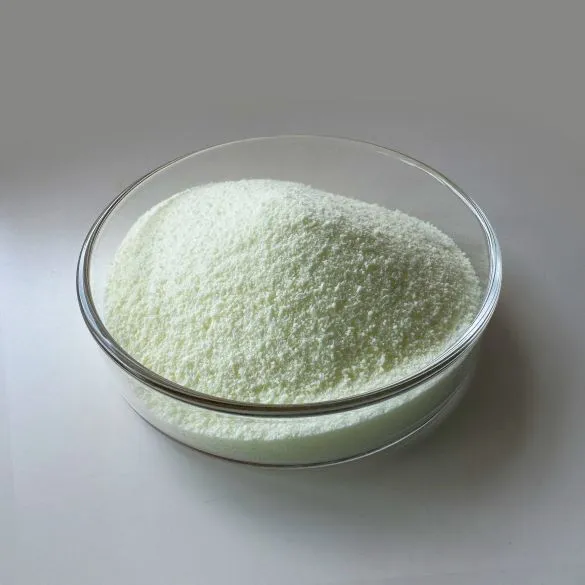
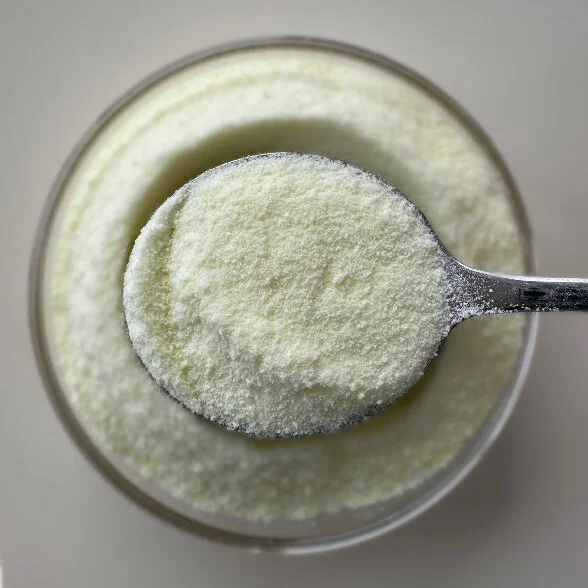
Fisetin is a natural flavonoid compound with the molecular formula C₁₅H₁₀O₆ and a relative molecular mass of 286.24 (significantly lower than the 500-Dalton threshold, allowing it to easily cross the blood-brain barrier). Under standard temperature and pressure, it presents as a yellow, needle-like crystalline powder. It is readily soluble in organic solvents such as methanol, ethanol, and acetone; slightly soluble in hot water; and sparingly soluble in cold water and non-polar solvents like diethyl ether. Exhibiting moderate stability, Fisetin can be stored for extended periods under light-shielded, sealed, and dry conditions. It presents a moderate level of difficulty for formulation and is compatible with the mainstream dosage forms utilized in dietary supplements. Its unique appeal lies in its widespread natural occurrence—found in plants such as strawberries, onions, apple peels, and sumac—designating it as an "exogenous natural active ingredient." Fisetin boasts excellent biocompatibility and is free from significant dependency risks or adverse side effects, thereby aligning perfectly with current consumer trends in the dietary supplement market, which prioritize products that are "natural, gentle, and long-acting." Notably, the human body cannot synthesize fisetin on its own, and dietary intake is typically negligible—making it difficult to meet specific wellness needs through diet alone. Consequently, exogenous supplementation—primarily through dietary supplements—has emerged as the dominant method for harnessing its benefits, thereby providing a clear market entry point for supplement brands. Furthermore, fisetin offers a multi-targeted approach to wellness, encompassing the clearance of senescent cells as well as antioxidant and anti-inflammatory effects. Unlike traditional anti-aging ingredients that typically offer only a single function, fisetin stands out for its comprehensive restorative value, which further enhances its market competitiveness within the dietary supplement sector.
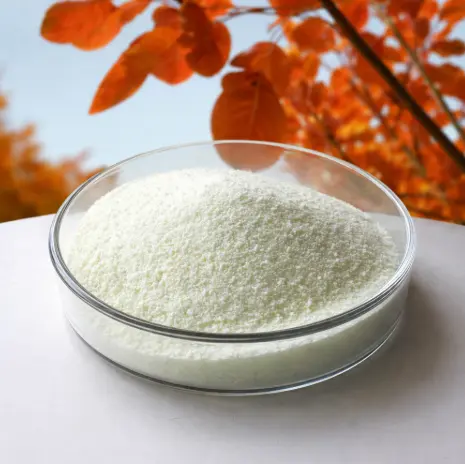
Core Characteristics and Scientific Support for Fisetin
The value of Fisetin within the dietary supplement sector stems fundamentally from its well-defined mechanism of action and robust scientific validation. Unlike traditional dietary supplement ingredients—which typically focus on "singular nutrient supplementation"—Fisetin centers on a core strategy of multi-target synergistic regulation. Every claimed benefit is substantiated by clinical data; this approach not only aligns with consumer demand for "science-backed wellness" but also provides a solid foundation for brands to engage in compliant marketing and mitigate regulatory risks—factors critical to its emergence as a pivotal, cutting-edge ingredient.
(I) Basic Physicochemical Properties and Sources
Fisetin's physicochemical properties determine its suitability for use in dietary supplements: it possesses a low molecular weight and the ability to cross the blood-brain barrier, allowing it to precisely target key pathways associated with anti-aging and brain health. Its solubility and stability make it compatible with mainstream dietary supplement dosage forms—such as capsules, oral liquids, and chewable tablets. Furthermore, through microencapsulation techniques, its bioavailability and storage stability can be significantly enhanced, thereby simplifying the formulation process. Its sources are broadly categorized into two types, catering to dietary supplement products with distinct market positioning:
1. Natural Extraction Method: This method utilizes natural plant materials—such as *Rhus* species (smoke tree), blueberries, and apple peels—as raw inputs. The compound is obtained through a process involving pulverization, extraction, and purification (utilizing techniques such as chromatographic separation and membrane filtration). Products derived via this method exhibit strong natural attributes, excellent biocompatibility, and are free from chemical residues; consequently, they are ideally suited for mid-to-high-end dietary supplement positioning and currently represent the industry's dominant production method. As extraction technologies continue to advance and optimize, production costs are gradually decreasing, making this the preferred choice for the majority of brands.
2. Chemical Synthesis Method: This method involves the synthesis of Fisetin through chemical reactions. It offers high production efficiency and lower costs, with purity levels capable of exceeding 98%. This approach is well-suited for mass-market dietary supplements, effectively meeting basic requirements for anti-aging and brain health maintenance. However, strict controls must be implemented to manage reaction byproducts and residual solvents, thereby ensuring full compliance with dietary supplement safety standards; currently, this method accounts for a relatively smaller share of the market application landscape.
(II) Core Mechanisms of Action
Fisetin’s core competitive advantage lies in its "multi-target synergistic regulation"—a feature that precisely aligns with the emerging trend of "precision care" in the dietary supplement sector. This mechanism distinguishes it from traditional antioxidant and nutritional supplement ingredients; its specific mechanisms are outlined below:
1. Senolytic Activity (Senolytic): By inhibiting pathways such as p53/p21 and mTOR, Fisetin selectively induces apoptosis (programmed cell death) in senescent cells—often referred to as "zombie cells"—without causing harm to normal, healthy cells. This action fundamentally slows down the systemic aging process. This constitutes the core differentiator distinguishing Fisetin from traditional anti-aging ingredients like Vitamin C and Coenzyme Q10, and serves as the key selling point for dietary supplements aiming to achieve "anti-aging from the inside out."
2. Neuroprotection and Brain Health: Leveraging its robust ability to cross the blood-brain barrier, Fisetin activates the NRF2 antioxidant pathway and inhibits HDAC3. This reduces neuroinflammation and scavenges reactive oxygen species (ROS) within the brain, thereby protecting neurons from damage. Simultaneously, it promotes the synthesis of neurotransmitters (such as acetylcholine) and improves neural signal transmission, achieving a dual effect of "neuroprotection plus functional enhancement." This makes it ideally suited to meet the specific requirements of brain health-focused dietary supplements.
3. Antioxidant and Anti-inflammatory Effects: Possessing an antioxidant capacity more than three times that of Vitamin E, Fisetin effectively scavenges free radicals within the body and inhibits the NF-κB inflammatory pathway. This helps alleviate systemic chronic inflammation and aids in addressing metabolic issues. By working synergistically with its core efficacy mechanisms, Fisetin enriches the "care dimension" of dietary supplements and significantly enhances product competitiveness.
(III) Latest Human Clinical Studies (2024–2026)
Currently, human clinical research on Fisetin consists primarily of small-scale pilot studies. The results have been positive, providing solid support for the development of dietary supplement products and the substantiation of efficacy claims. Furthermore, these studies have established appropriate dosage levels, offering valuable guidance for brands in the formulation design process:
1. 2024 *Nature Aging* Study: In a study involving elderly women who took a daily supplement of 100–200 mg of Fisetin for eight consecutive weeks, the expression levels of p16INK4a—a key biomarker for senescent cells in peripheral blood—decreased by 41%. Additionally, levels of inflammatory cytokines were significantly reduced, thereby validating the efficacy of Fisetin’s anti-aging properties. 2. 2025 *Food Bioscience* Study: Fisetin targets HDAC3 and activates the NRF2 pathway, thereby significantly inhibiting neuroinflammation and mitigating the risk of cognitive decline; this provides direct scientific validation for dietary supplements aimed at supporting brain health.
3. 2026 Mayo Clinic Clinical Study: Following fisetin supplementation, 64% of 44 patients suffering from "Long COVID" reported improvements in symptoms such as fatigue and muscle pain; this opens up new avenues for expanding the application of dietary supplements into the realm of immune modulation.
Note: Large-scale clinical trials are currently ongoing. Efficacy claims regarding dietary supplements must focus on "supportive improvement"; the use of medicalized language is strictly prohibited in order to avoid regulatory compliance risks.
Three Key Application Scenarios for Dietary Supplements
Based on the core mechanisms of fisetin and the demands of the dietary supplement market, its application scenarios primarily focus on three high-growth sectors: anti-aging, brain health, and comprehensive wellness. These applications cater to diverse demographics, balancing the appeal of premium pricing with the potential for high-volume sales. The product formulations are designed to integrate the specific characteristics of the raw ingredients with the latest processing technologies available in 2026, allowing for immediate production implementation. Furthermore, these products prominently highlight fisetin’s core selling points: being "natural, scientifically validated, and non-habit-forming."
(I) Premium, Precision Anti-Aging Scenario
Target Audience: Middle-to-upper-income individuals aged 35–60. Their core needs include delaying systemic aging, improving skin condition, and boosting physical vitality. They prefer dietary supplements that are "natural, precise, and long-lasting," while strictly avoiding chemical additives and the risk of dependency.
Formulation Reference: Fisetin serves as the core active ingredient (with a daily dosage of 100–200 mg and a purity of ≥98%). It is combined with resveratrol, NMN, and glutathione to establish a synergistic system encompassing "senescent cell clearance + antioxidant protection + cellular energy replenishment." The preferred dosage form is microencapsulated capsules (to enhance bioavailability and minimize degradation by gastric acid). The product is marketed with key selling points such as "Natural Senolytic," "Multi-Targeted Anti-Aging," and "Clinically Validated," thereby aligning with the demands of middle-to-upper-income consumers for scientifically grounded wellness solutions. Additionally, Vitamin C and Vitamin E may be added to further enhance antioxidant efficacy and enrich the product's selling points.
(II) Brain Health & Wellness Scenario
Target Audience: Middle-aged and elderly individuals (experiencing memory decline or cognitive impairment), as well as professionals in high-stress work environments (suffering from mental fatigue or lack of concentration). Their core needs involve gently improving brain function while avoiding side effects and dependency; they prefer dietary supplements that are convenient and easy to consume.
Formulation Reference: Fisetin serves as the core active ingredient (with a daily dosage of 80–150 mg and a purity of ≥98%). It is combined with DHA, Phosphatidylserine (PS), and L-Theanine to establish a synergistic system encompassing "neuroprotection + nutritional support + stress relief." Suitable dosage forms include capsules and oral liquids (available in fruit flavors, tailored to the middle-aged and elderly demographic). The product highlights key selling points such as "natural brain nourishment," "gentle and burden-free support," and "delaying cognitive decline," thereby distinguishing itself from traditional brain-health dietary supplements and enhancing product differentiation. B-complex vitamins may also be added to support neurotransmitter synthesis and amplify the brain-nourishing effects.
(III) Anti-Aging + Brain Health: A Combined-Scenario Approach
Target Audience: Middle-aged and elderly individuals with simultaneous needs for both anti-aging and brain nourishment, as well as high-stress individuals seeking anti-aging solutions. Their core requirement is a "one-stop" solution to address these two major health pain points—saving both time and the cost associated with taking multiple supplements—making them partial to multi-functional dietary supplements.
Formulation Reference: Centered around Fisetin as the core active ingredient (with a daily dosage of 120–180 mg and a purity of ≥98%), the formula is compounded with Resveratrol, DHA, and PQQ to synergistically deliver a combined effect of "anti-aging + neuroprotection + mitochondrial repair." Capsules are the preferred dosage form, emphasizing key selling points such as "one-stop synergistic care" and "precise alignment with dual health needs." This strategy allows the product to bypass "Red Ocean" (highly saturated) market competition and establish itself as a blockbuster product within a specialized niche.
Regulatory Landscape: Compliance Requirements for Dietary Supplements Across the World's Three Major Markets
Compliance requirements for Fisetin vary significantly across different global markets. Brands of dietary supplements must tailor their market entry strategies to their specific target markets, strictly adhering to local regulatory mandates to mitigate compliance risks and ensure the lawful market entry of their products. Drawing upon the latest regulatory policies for 2026, this analysis outlines the key compliance requirements for the three core markets: China, the United States, and the European Union.
(I) The Chinese Market
1. Regulatory Classification: China does not have a statutory category specifically designated as "Dietary Supplements." Consequently, Fisetin products must be filed or registered under the categories of either "General Food" or "Health Food" (colloquially known as "Blue Hat" products); the compliance requirements for these two categories differ substantially.
2. Key Compliance Points:
(1) Classification as "General Food":It is strictly prohibited to make claims regarding specific health functions. Labels may only display ingredient lists and nutritional information. This classification is suitable for retail imports via cross-border e-commerce channels (intended for personal use). Labels must include core information such as the product name, ingredient list, net weight, production date, shelf life, and country of origin.
(2) Classification as "Health Food" (Blue Hat): Products must undergo a filing process based on a catalog of 24 approved health functions (e.g., "Antioxidant" or "Assisting in Memory Improvement"). This requires the submission of safety assessment reports and data verifying efficacy claims. Once approved, brands may lawfully make specific claims regarding these auxiliary health benefits. Labels must clearly identify populations for whom the product is unsuitable (e.g., caution advised for pregnant women, nursing mothers, and children; caution also advised for individuals currently taking anticoagulant medications). The recommended daily dosage should not exceed 200 mg.
(3) Testing Requirements: Products must comply with food hygiene standards. Key testing parameters focus on heavy metals, microbial contaminants, pesticide residues, and solvent residues to ensure product safety.
(II) The U.S. Market
1. Regulatory Classification: Products are regulated as "Dietary Supplements" in accordance with the *Dietary Supplement Health and Education Act* (DSHEA). The regulatory focus centers primarily on ingredient safety, labeling compliance, and marketing/claims compliance.
2. Key Compliance Points:
(1) Ingredient Compliance: As Fisetin is classified as a "New Dietary Ingredient" (NDI)—defined as an ingredient introduced into the U.S. market after October 15, 1994—manufacturers must submit a "New Dietary Ingredient" notification to the FDA at least 75 days prior to the product's market launch, accompanied by supporting safety documentation. Priority should be given to sourcing ingredients that have obtained SA-GRAS (Self-Affirmed Generally Recognized as Safe) certification (e.g., BeFisetin®), as their safety has received official recognition, thereby helping to mitigate compliance risks. (2) Enterprise and Production Compliance: Food manufacturing, processing, and packaging facilities must complete FDA registration and update their registration information by December 31st of every even-numbered year. Production processes must adhere to cGMP (Current Good Manufacturing Practice) guidelines to ensure consistent product quality.
(3) Labeling and Claims: Labels must clearly display the phrase "Dietary Supplement," an ingredient list, net quantity, country of origin, importer information, and a disclaimer stating: "This product is not intended to diagnose, treat, cure, or prevent any disease." Making claims regarding medical efficacy is strictly prohibited; doing so may result in penalties such as product detention or fines.
(4) Testing Requirements: Products must undergo third-party testing accredited by the FDA, with a primary focus on indicators such as heavy metals (lead, arsenic), microorganisms (Salmonella, E. coli), and pesticide residues.
(III) European Union Market
1. Regulatory Classification: Regulated as "Food Supplements" in accordance with Directive 2002/46/EC. The core requirements focus on raw material safety, compliance of health claims, and labeling compliance.
2. Key Compliance Points:
(1) Raw Material Compliance: Raw materials must be notified to the food safety authorities of the respective Member States (e.g., France's DGCCRF) and undergo safety assessments by the European Food Safety Authority (EFSA) before they can be utilized in the production of food supplements.
(2) Packaging and Testing: Food-contact materials must pass Germany's LFGB certification (considered the most authoritative food-grade certification) to verify that the migration levels of harmful substances remain within safe limits. Products must also comply with EU food hygiene regulations and undergo testing for indicators such as heavy metals and microorganisms.
(3) Labeling and Claims: Labels must list all ingredients, provide instructions for use, and include necessary warning statements; the text must be provided in the official language(s) of the respective Member State. Allergens (e.g., nuts, milk) must be clearly indicated, and any health claims made on the product must be authorized by the EFSA. Exaggerating product efficacy is strictly prohibited.
Practical Tip: If a product is intended for export to both the United States and the European Union, consider utilizing a laboratory that holds accreditation for both FDA and LFGB testing standards. This allows for comprehensive testing to be completed in a single batch, thereby saving both time and costs. Ensure that all relevant documentation—such as certification reports and test reports—is retained for a minimum of five years to facilitate any potential regulatory inspections.
Amidst the wave of transformation sweeping the dietary supplement market—shifting toward a focus on "science, precision, and naturalness"—Fisetin has emerged as a pivotal new ingredient in the anti-aging and brain health sectors. Backed by three core advantages—a natural senolytic mechanism, dual-action benefits for both anti-aging and brain health, and robust scientific validation—its market potential continues to unfold. For dietary supplement brands, Fisetin’s core value lies in enabling "differentiated competition." Unlike traditional single-function ingredients, it empowers brands to break free from the trap of product homogenization, capture market share in high-end niche segments, and simultaneously align with consumers' fundamental demands for "science-backed, burden-free wellness."
To seize the market opportunities presented by Fisetin, brands must anchor their strategies on four pillars: "Science as the Foundation, Compliance as the Framework, Quality as the Core, and Marketing as the Wings." This entails precisely targeting three key application scenarios to create differentiated blockbuster products; rigorously controlling raw material quality and formulation processes to ensure consistent efficacy; strictly adhering to global regulatory requirements to mitigate compliance risks; and leveraging science-education marketing to enhance consumer awareness and cultivate market demand. As scientific evidence continues to accumulate, preparation techniques undergo continuous optimization, and consumer health consciousness rises, Fisetin is poised to evolve from a "niche, emerging ingredient" into a mainstream core component within the anti-aging and brain health segments of the dietary supplement industry.
Looking ahead, competition within the dietary supplement market will increasingly center on "ingredient innovation, quality compliance, and precise application scenarios." As an emerging ingredient possessing both scientific merit and commercial potential, Fisetin will serve as a critical lever for brands seeking to achieve significant growth breakthroughs. By engaging in proactive strategic planning and applying focused effort—leveraging Fisetin’s unique advantages to craft differentiated products—brands are certain to secure a substantial share of the multi-billion-dollar dietary supplement market, while simultaneously delivering superior, more precise anti-aging and brain health solutions to consumers.
Partner with Gold Herb for Premium Fisetin Supply
You can trust Gold Herb to give you good Fisetin because they use advanced extraction methods and strict quality control checks. There are documents from the FDA, ISO9001, HACCP, Halal, and Kosher that back up these extracts. We've been in business for over three years and have helped over 200 people in 30 different countries. We always have more than a ton of things on hand so that we can ship your order right away, within 24 hours of getting it. We will always be able to come up with new ideas and make better goods because we work together with Academician Li Xiaokun's study team. Email info@newgoldherb.com to tell us about your specific needs, get samples, or find out more about our full customization services, which will save you a lot of money on your recipe needs.

Send Inquiry
Related Industry Knowledge
- Top Benefits of Fenugreek Extract for Energy, Hormones & Metabolism
- Is fulvic acid hard on the liver?
- Kava Extract Benefits: Natural Stress Relief, Anxiety Support & Better Sleep
- Urolithin A Ingredient for Anti-Aging & Muscle Health Products
- What Is Sodium Copper Chlorophyllin Powder Used For?
- Astaxanthin: The Secret Behind Glowing Skin and Eye Health
- Urolithin A: The Next-Generation Mitochondrial Health Ingredient for Longevity
- Fisetin Powder: The "Cellular Scavenger" in Anti-Aging Supplements
- 5-Hydroxytryptophan(5-HTP)vs L-Tryptophan: Which Ingredient Is Better for Supplement Formulas?
- How Dihydromyricetin Is Used in Anti-Oxidant Formulations?