
Fisetin Powder Factory Guide: How to Choose a Reliable OEM Supplier
Aug 19, 2026
To find the best OEM provider for Fisetin Powder in bulk, you need to carefully consider their technical skills, ability to follow regulations, and the dependability of their supply chain. This naturally occurring flavonoid, which is a yellow crystalline powder that has been tested and found to be 98% pure using HPLC (CAS 528-48-3), has become an important ingredient for health products, cosmetics, and functional foods. To find partnerships that make products stand out and meet clean-label trends, procurement pros have to figure out how to verify purity, make sure batches are consistent, and meet global certification standards. If you know how to check a supplier's qualifications, you can protect your investment and make sure that the anti-inflammatory, senolytic, and antioxidant qualities your recipes need stay the same during production cycles.
Product Specifications
|
Item |
Specification |
|
Product Name |
Fisetin Powder |
|
Assay |
≥98% (HPLC) |
|
Botanical Source |
Rhus succedanea L. |
|
Appearance |
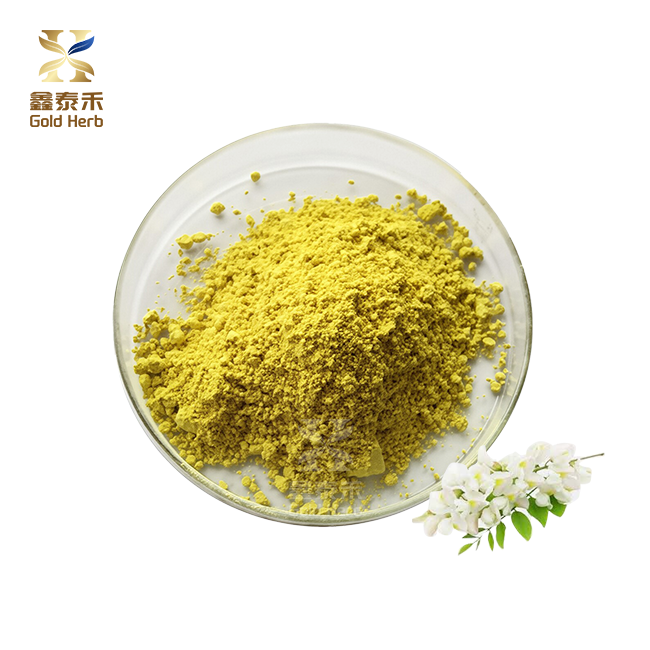
Yellow to orange-yellow fine powder |
|
CAS Number |
528-48-3 |
|
Molecular Formula |
C15H10O6 |
|
Molecular Weight |
286.24 |
|
Test Method |
HPLC |
|
Solubility |
Slightly soluble in water |
|
Shelf Life |
24 Months |
|
Storage |
Cool and dry place |
|
Packaging |
1 kg aluminum foil bag / 25 kg fiber drum |
Customized specifications, packaging solutions, and documentation packages can be discussed according to customer requirements.
Quality Assurance
Certificate of Analysis (COA) for Fisetin Powder [Request COA]

Understanding Fisetin Powder and Market Requirements
The need for this naturally occurring flavonoid keeps growing in many different fields around the world. The substance meets important customer goals in healthy ageing and preventive fitness. It has been scientifically proven to help with brain function, cellular health, and life. Supplement makers, makeup formulators, and functional drink makers are using this ingredient more and more to meet market demands for natural actives backed by research.
Current Market Dynamics and Procurement Challenges
When procurement teams try to get a lot of plant products, they run into certain problems. It is still very important to keep the quality of each production batch the same, since differences have a direct effect on the security of the mixture and the effectiveness of the final product. Different countries have very different rules and laws. For example, FDA rules in the US, EU Novel Food rules, and country-specific supplement standards all require a lot of paperwork. Logistics for transportation make things more difficult, especially when it comes to ingredients that need to be stored in controlled conditions, like sealed spaces kept below 25°C with relative humidity below 60% to protect the purity of the molecules.
Industry-Specific Quality Benchmarks
Pharmaceutical companies require HPLC-verified purity levels of at least 98% to make sure that dosages are correct and that label claims are true. Cosmetic companies need more stability tests to show that their products work with emulsion systems and stay fresh when exposed to UV light. Functional food makers need forms that can dissolve in water and mix easily with beverages so that no precipitation happens. Because of these different needs, a supplier's expert ability is an important factor in choosing them, in addition to price.

Core Criteria to Evaluate When Choosing a Fisetin Powder OEM Supplier
A thorough evaluation of a Fisetin Powder provider starts with checking their critical skills and collection of certifications. For manufacturing partnerships to last for years, your quality standards and their operating structures must be in sync.
Analytical Testing and Purity Verification
High-Performance Liquid Chromatography is the gold standard for measuring the concentration of active compounds and is used by reputable suppliers. With the level of accuracy needed for pharmaceutical-grade uses, this method sorts, labels, and counts fisetin content. To check for consistency, ask for Certificates of Analysis from more than one production batch. Pay attention to more than just the percentage of purity. Heavy metal screening using ICP-MS, bacteria pollution limits, and residue solvent analysis are all signs of thorough quality control. When evaluating suppliers, those who offer third-party test proof show openness that is worth putting first.
Regulatory Compliance and Certification Portfolio
Quality management methods that are known all over the world are needed to enter global markets. Getting ISO 9001 approval proves that you follow organised working processes and standards for ongoing growth. Systematic risk analysis is done throughout production, which is especially important for food-grade uses, as shown by HACCP approval. FDA registration shows that the product is ready for the needs of the U.S. market, and HALAL and Kosher approvals increase the number of people who can buy the product. Check to see if your providers follow the latest Good Manufacturing Practice guidelines and can give you paperwork that matches the rules in the market you want to sell to. You can speed up the process of registering your product and get it on the market faster if you can provide region-specific legal paperwork.
Manufacturing Capacity and Customization Flexibility
For scaling partnerships to work, you need suppliers whose production infrastructure matches the rate at which your business is growing. Check your stock management strategy against the minimum order quantities. Some manufacturers keep over a tonne of standard specifications in stock, which lets them quickly fill orders within 24 hours of confirmation. In addition to bulk supply, customisation options include formula development, different delivery formats (microencapsulated, water-dispersible, or lipid-based matrices), and private label packaging. When a new product comes out, suppliers that offer OEM/ODM services with creation processes of less than 20 days give companies a competitive edge. Check to see if they can handle urgent small-batch orders through faster channels that deliver within 5 to 7 days for market opportunities that need to be met quickly.

Evaluating Supplier Reliability: Methods and Tools
To build trust in long-term partnerships, operational credibility and market standing must be regularly checked.
Credential Verification and Third-Party Validation
Authenticating documents is the first step in doing your due research. Ask for full certification packages that include reports on quality system audits, export registrations, and licenses to make things. Verification by a third party, such as through SGS, Intertek, or Bureau Veritas, gives independent proof of promised skills. Referrals and case studies from past customers can show how well you've done in long-term relationships. Ask for feedback about things like consistency from batch to batch, how quickly you respond to problems with supplies, and how well you work together to solve problems when formulating.
Factory Audit Considerations
Direct building inspection, either in person or through virtual walks, shows how marketing claims really work. Follow the rules for storing raw materials, maintaining extraction tools, and controlling the air in working areas. Professional manufacturing practices are shown by clean-room classifications, temperature tracking systems, and written cleaning validations. Production equipment ability and wait times should match up; differences suggest that promises may have been made too soon. Pay close attention to quality control labs; check the calibration records for analytical instruments, the standard operating procedures for testing protocols, and the credentials of the technical staff who do the analyses.
Communication Infrastructure and Technical Support
Respondent's teamwork with a Natural Extract Manufacturer keeps small problems from turning into delays that cost a lot of money. Check to see if the suppliers offer dedicated account management with experience in the area of your application. Formulation optimisation and troubleshooting are made possible by strong research and development teams and technical support. Companies that have stores in the U.S. and contact support for people in the same time zone show that they are committed to foreign markets by investing in infrastructure rather than just selling goods abroad. Speaking and knowing more than one language makes it easier to have clear talks about specifications and avoids misunderstandings of technical standards.
Comparative Insights on Fisetin Powder Suppliers and Products
When making strategic buying choices, it helps to know how the different source options affect the success of the recipe and its place in the market.
Source Material and Extraction Method Variations
Chemically similar molecules are made in two ways: naturally from plant sources or synthetically. However, the market sees them differently. Natural sourcing fits with the clean-label movement and with what people want in terms of products that come from plants, but it usually costs more than manufactured options. The method used for extraction affects the properties of the final product. For example, solvent extraction can leave behind small amounts of residue that need extra steps to be cleaned up, while supercritical CO2 processes produce cleaner profiles but cost more to make. Spray-drying methods change the spread of particle sizes and how easily they flow, which in turn changes how tablets work and how well capsules are filled during the next step in the manufacturing process.
Cost-Quality Balance and Pricing Transparency
Price changes between suppliers are caused by factors other than just trading commodities. Higher levels of purity come with higher prices—specifications for 98% purity cost a lot more than specifications for 90% purity because they require more steps of processing and produce less. Certification packages are valuable because they lower legal risk and open up more markets. When you buy a lot of something, you can get discounts on the price without lowering the quality. Pricing models that are clear make it easy to see the base costs, testing fees, custom packaging charges, and shipping costs. Avoid sellers who offer prices that are much lower than the market average without giving a good reason. This is usually a sign that the quality has been lowered, testing has not been done properly, or the supply will not be reliable.
Partnership Case Studies and Success Indicators
When choosing a source, it's helpful to look at what other successful partnerships have in common. A North American supplement brand teamed up with a recognised maker that kept constant U.S. inventory. This cut the time it took to restock from 45 days to less than a week and made sure that products would always be available when demand rose during peak seasons. A European makeup business used the research and development (R&D) skills of a source to create a water-dispersible format that made it possible for clear serum formulas. This helped them stand out in a crowded market with their product line. These examples show that strategic supplier relationships are more than just buying things. They also involve working together to come up with new ideas that give a business an edge over its competitors.

Best Practices for Streamlined Procurement and Risk Mitigation
Systematic approaches to supplier engagement protect investments and establish foundations for enduring business relationships.
Structured Procurement Workflow
Effective sourcing follows a planned order that maximises the gathering of information while minimising the risk of failure. When making the first inquiry, you should ask for full product details, certificates that are available, normal wait times, and minimum order amounts. Sample evaluation is a big investment, so don't just depend on the COAs that the seller gives you; do full testing that matches your end-use requirements as well. To check for stability, look at several samples from different production runs side by side. When negotiating a contract, the parties should talk about quality standards, acceptance criteria, dispute resolution procedures for tests, payment terms, delivery schedules, and provisions for "force majeure." Set clear requirements for batch traceability so that you can act quickly during quality investigations.
International Logistics and Customs Management
Buying ingredients across international borders adds legal and practical challenges that need to be managed carefully. Make sure that the suppliers know what the import rules are for the destination country, such as the paperwork that needs to be done, the rules for labelling, and the customs classification codes. For items that need to be stored below 25°C, temperature-controlled shipping is necessary. Check with the provider to see what tracking systems they have in place to keep temperatures from changing while they're in transit. When suppliers work with well-known logistics companies like DHL, FedEx, or SF Express, they show that they have the infrastructure to deliver goods internationally reliably. Companies that keep stores abroad avoid delays caused by customs and can use just-in-time stocking methods, which lower their working capital needs.
Contract Terms for Quality Assurance and After-Sales Support
Comprehensive agreements set standards for success and protect both sides. Include guidelines for retesting methods when results don't meet the acceptance standards. These should say which lab does the testing and how the costs are split. The warranty should cover replacing or refunding materials that don't meet the standards, and there should be clear deadlines for filing claims. Technical support clauses after the sale make sure that customers can get help with formulation and troubleshooting throughout the lifecycle of the product. Storage suggestions and sharing of stability data make it possible to manage inventory and predict shelf life more effectively. These parts of the contract turn relationships with suppliers from one-way transactions to partnerships where both parties benefit.
Conclusion
Finding a trustworthy OEM supplier for Fisetin Powder means finding a balance between technical skills, regulatory compliance, and operational dependability. Professionals in procurement have to check the scientific testing methods, look at certification packages that include FDA, ISO9001, HACCP, HALAL, and Kosher standards, and look at the production infrastructure that allows for customisation and expansion. Identifying suppliers' dependability by checking their credentials, inspecting their factories, and checking their communication systems lowers the risks in the supply chain. Strategic buying choices can be made by understanding how cost and quality change over time, how source materials vary, and what makes a relationship work. Setting up structured procurement workflows, being proactive about managing international logistics, and negotiating thorough contracts are all ways to protect investments and build the basis for long-term collaboration. These steps make sure that you can always get high-quality ingredients that give your formulations the anti-inflammatory, senolytic, and antioxidant effects they need in today's global markets.
FAQ
1. What purity level should I specify for supplement formulations?
Pharmaceutical-grade applications typically require 98% purity verified through HPLC testing, ensuring accurate dosage and label claim substantiation. This specification minimizes inactive compounds that could affect stability or bioavailability. Lower purity grades may suffice for certain applications but require careful evaluation of impurity profiles and potential interactions with other formulation components.
2. How can I verify authenticity before committing to large orders?
Request samples from multiple production batches and conduct independent third-party laboratory testing beyond reviewing supplier-provided Certificates of Analysis. Verify HPLC chromatograms match expected retention times and peak profiles. Screen for heavy metals, microbial contamination, and residual solvents. Comparing results across batches reveals consistency, while discrepancies between independent testing and supplier claims signal potential quality concerns warranting deeper investigation.
3. What minimum order quantities do OEM suppliers typically require?
Requirements vary significantly based on supplier scale and product customization level. Standard specifications maintained in inventory may have minimums as low as 1 kilogram for sampling purposes, while custom formulations or private label packaging often require 25-100 kilogram minimums to justify production setup. Discussing your volume projections and growth timeline during initial conversations helps identify suppliers whose operational model aligns with your purchasing capacity.

Partner with Gold Herb for Premium Fisetin Powder Supply
Gold Herb stands as your trusted Fisetin Powder manufacturer, combining cutting-edge biotech innovation with global supply chain excellence. Our 98% HPLC-verified yellow crystalline powder meets the stringent requirements of nutraceutical formulators, cosmetic developers, and functional food manufacturers across 30+ countries. Backed by strategic collaboration with Academician Li Xiaokun's research team and Wenzhou University's R&D resources, we deliver anti-inflammatory and senolytic ingredients with batch-to-batch consistency you can depend on. Our FDA, ISO9001, HACCP, HALAL, and Kosher certifications ensure compliance across diverse regulatory landscapes, while U.S. warehouse inventory enables 3-5 day fulfillment, eliminating lengthy international shipping delays. We maintain over one ton of standard specifications in stock, with customization services completed within 7-15 business days and emergency orders expedited through our green channel in just 5-7 days. Request your complimentary sample today and experience technical support from industry-leading experts committed to your formulation success. Contact us at info@newgoldherb.com to discuss how our OEM capabilities and flexible minimum orders accelerate your product development timeline.
References
1. Pal, H.C., et al. (2016). "Fisetin and Its Role in Chronic Diseases." Advances in Experimental Medicine and Biology, Vol. 928, pp. 213-244.
2. Khan, N., et al. (2013). "Fisetin: A Dietary Antioxidant for Health Promotion." Antioxidants & Redox Signaling, Vol. 19, No. 2, pp. 151-162.
3. Currais, A., et al. (2018). "Elevating Senolytic Activity through Flavonoid Compounds in Aging Research." Journals of Gerontology: Biological Sciences, Vol. 73, No. 8, pp. 1010-1017.
4. Maher, P. (2017). "Protective Effects of Fisetin and Related Flavonoids in Neurological Function." Free Radical Biology and Medicine, Vol. 112, pp. 36-46.
5. Thuong, P.T., et al. (2015). "Quality Control and Standardization Methods for Natural Flavonoid Extracts in Pharmaceutical Applications." Journal of Pharmaceutical and Biomedical Analysis, Vol. 107, pp. 243-256.
6. Yousefzadeh, M.J., et al. (2018). "Fisetin as a Senotherapeutic Agent: Translation from Preclinical Models to Human Applications." EBioMedicine, Vol. 36, pp. 18-28.

Send Inquiry
Related Industry Knowledge
- Phosphatidylserine (PS) Memory: The Supplement Over 55s Need to Know
- What are the uses of Centella asiatica extract? What are the benefits of Centella asiatica extract for facial skin?
- Standardized Fenugreek Extract for Nutraceutical Products
- Tongkat Ali Root Benefits for Endurance and Daily Vitality
- How does garcinia cambogia extract work?
- Best Green Tea Extract: Complete Guide to Quality & Safety
- Why Is Centella Asiatica Extract Everywhere in Skincare?
- Can Red Beet Powder Be Used as Natural Colorant?
- Fisetin as a Senolytic: How It Supports Healthy Aging
- What Is Ergothioneine? Benefits, Antioxidant Power & Bulk Supply