
Phosphatidylserine (PS) Memory: The Supplement Over 55s Need to Know
Jul 10, 2026
At Gold Herb, we supply premium-quality Phosphatidylserine (PS) Powder for manufacturers of cognitive health, healthy aging, and brain wellness supplements worldwide. Phosphatidylserine (PS) is a naturally occurring phospholipid that plays an essential role in maintaining neuronal membrane integrity and supporting normal cognitive function. As demand for healthy aging products continues to grow, Phosphatidylserine (PS) has become a preferred ingredient in memory support, focus, and senior nutrition formulations. Manufactured under strict GMP and ISO quality standards, Gold Herb provides high-purity Phosphatidylserine (PS) with comprehensive quality documentation, including COA and third-party testing reports. With stable bulk supply, flexible packaging, customized specifications, and OEM/ODM services, we help dietary supplement brands and contract manufacturers develop reliable, science-backed cognitive health products for global markets.
Product Specifications
|
Parameter |
Specification |
|
Product Name |
Phosphatidylserine (PS) |
|
Appearance |
Off-white to Light Yellow Powder |
|
Purity Options |
20%, 50%, 60%, 70% |
|
CAS Number |
51446-62-9 |
|
Specific Rotation |
+20.0° to +22.0° |
|
pH Range |
7.5 to 8.5 |
|
Peroxide Value |
<5.0 meq/kg |
|
Particle Size |
>98.0% pass 40 mesh |
|
Loss on Drying |
<2.0% |
|
Tap Density |
0.4-0.7 g/ml |
|
Loose Density |
0.3-0.6 g/ml |
|
Solubility |
Soluble in chloroform, n-hexane; Insoluble in water, ethanol |
Quality Assurance
Certificate of Analysis (COA) for Phosphatidylserine (PS) Powder [Request COA]
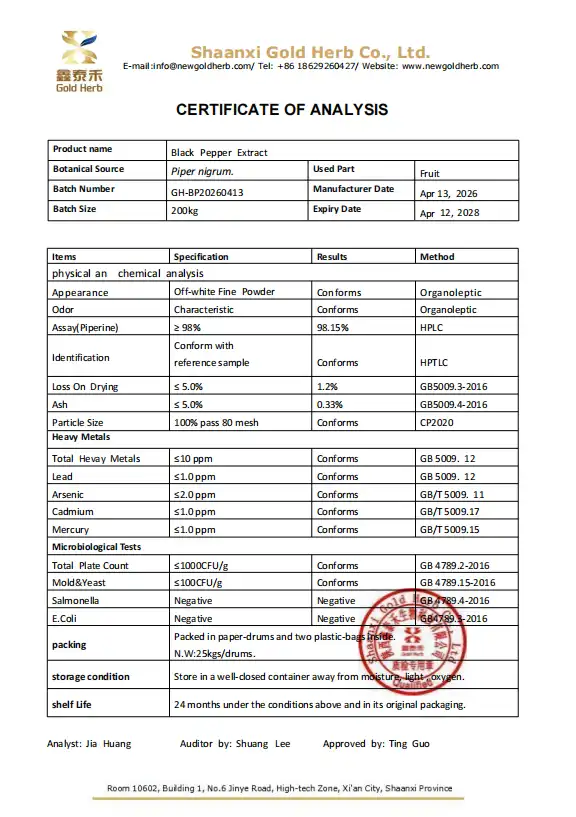
If your team needs help reviewing test results, verifying batch quality, or understanding supplier documentation before making a bulk purchasing decision, Gold Herbcan provide technical support and detailed quality information. Contact our team at info@newgoldherb.com to request a sample Certificate of Analysis and discuss your specific sourcing requirements.
Understanding Phosphatidylserine (PS) and Its Role in Brain Health
About fifteen percent of the brain's phospholipid pool is made up of phosphatidylserine, a special kind of phospholipid. Grey matter regions responsible for thinking and memory are the most common locations to find it. Among PS's many functions in cell membranes is maintaining the fluidity essential for efficient signal transduction between neurons and receptors.
The Science Behind PS and Cognitive Function
Acetylcholine is a neurotransmitter critical for learning and memory, and this molecule's unusual shape aids brain cells in using glucose. Our natural PS levels gradually decrease with age, coinciding with the apparent decline in our cognitive capacities. Taking supplements can help normalize these levels, which in turn enhances metabolic efficiency and neuronal transmission.
Clinical Evidence Supporting PS Efficacy
Several studies that were reviewed by experts agree that PS is good for older people's brains. An important Italian study with 494 people aged 65 to 93 showed that memory and learning skills got better after 12 weeks of nutrition. Another study that looked at memory loss that comes with getting older found that PS helped with name-face recognition tasks, which can be hard for seniors who are having mild cognitive decline.
How PS Works at the Cellular Level
PS does more than just support membranes; it also turns on protein kinase C, an enzyme that is needed for memory consolidation and neuroplasticity. This activity encourages the creation of new neural connections, which basically help the brain change and keep working well even as it ages. The phospholipid also helps the mitochondria work, which makes sure that neurons get enough energy to do their best.
Key Benefits of Phosphatidylserine (PS) for the Over-55s
Supplementing with Phosphatidylserine (PS) has specific benefits that are especially helpful for adults over 55 who are going through physical changes. Knowing about these benefits helps companies that make and sell health goods for seniors place their products in the right senior health markets.
Enhanced Memory and Cognitive Performance
Taking extra PS improves neural connections, which makes it easier for the brain to store and recall memories. Studies show that taking between 300 and 400 mg every day can improve your ability to learn, your alertness, and your ability to focus. The chemical speeds up the breakdown of glucose in brain tissue, which makes sure that neurons have enough energy to do difficult mental tasks. When neural signals are sent more efficiently, they are processed faster, and executive function is better during daily activities.
Stress Hormone Regulation and Mental Fatigue Relief
Cortisol levels that are too high are a big problem for older people because they can make memory loss and mood problems worse. PS changes the hypothalamic-pituitary-adrenal system in a way that stops the production of too much cortisol during stress reactions. The regulation helps keep emotions in check and keeps the mind from getting too tired. It's especially helpful for people who have a lot of responsibilities or are retiring and making changes to their lifestyle.
Neuroprotection and Brain Cell Maintenance
PS helps brain tissue grow by turning on important enzymes that help cells repair themselves. The compound helps get rid of harmful oxidative substances that build up with age, which keeps neurons from getting hurt. As an important part of cell walls all over the brain, PS keeps the structure strong, which is important for keeping your brain from getting worse with age. This safeguarding feature makes it useful for people looking for ways to avoid neural problems.
Mood Enhancement and Behavioral Balance
The phospholipid controls the chemical systems that affect emotions, which helps lower bad feelings and keep moods stable. This trait isn't just about brain function; it also affects quality of life factors that are important to seniors, like their ability to live on their own and interact with others.
Safety and Dosage Considerations
PS has a great safety profile when taken in the recommended daily amounts of 100 to 400 mg, as shown in clinical trials. The ingredient doesn't seem to interact much with common supplements, but people who are taking anticholinergic compounds should talk to their doctor. Long-term tests that last six months show that PS has no negative effects, making it a good choice for long-term supplementation plans.

Comparing Phosphatidylserine (PS) to Other Popular Brain Supplements
When purchasing brain health ingredients, it's helpful for procurement workers to know how PS stacks up against other nootropics that are often found in formulations for seniors.
PS Versus Omega-3 Fatty Acids
Omega-3s (EPA and DHA) help brain health by reducing inflammation and keeping membranes fluid. PS, on the other hand, works directly on neurotransmitter systems and stress hormone regulation. The two ingredients don't work against each other; PS helps with brain thinking, and omega-3s help with structural support. Combining these two chemicals in formulas gives the brain a lot of health benefits, which appeals to people who want more than one way to help their health.
PS Versus Ginkgo Biloba
Ginkgo mainly improves blood flow to the brain, which brings more oxygen and nutrients to brain cells. PS works in a different way by directly supporting the integrity of membranes and the communication between cells. There is more evidence that ginkgo improves circulation, which is linked to cognitive benefits. On the other hand, PS is better at improving memory and lowering stress levels. The choice of materials is based on how the product is positioned and what the target customer wants.
PS Versus Bacopa Monnieri
An Ayurvedic herb called bacopa helps memory by changing neurotransmitters and acting as an antioxidant. It usually takes longer (12 weeks) of supplementation to show effects. PS shows faster brain gains, which usually happen in 6 to 8 weeks. For sensitive people, bacopa may cause mild stomach pain. PS, on the other hand, has almost no digestive side effects, so it is safe for a wider range of people.
Sourcing Considerations: Plant-Based Versus Soy-Derived PS
With today's enzyme-based technology, PS can be made from either soy or sunflower lecithin. Sunflower-derived PS gets rid of the allergen worries that come with soy, making it appealing to people who want clean labels and don't want to eat genetically modified organisms. When made correctly, both sources give the same amount of bioactivity, though options made from sunflowers usually cost more because they have to be processed in a certain way. To make sure the source documents are real, procurement teams should test them with 31P-NMR spectroscopy.
Product Format Selection: Powders Versus Capsules
Formulation options are flexible with bulk powders, so they can be used in a variety of useful foods, drinks, and meal replacements. For supplement lines, encapsulated forms make doses easier and more accurate. Powders need to be handled carefully so they don't go bad, but capsules can stay fresh for longer. When a product is being developed, the style should be chosen based on how it will be distributed and what the target consumers want.
Procurement and Bulk Buying Guide for B2B Clients
To find high-qualityPhosphatidylserine (PS) bulk powder, you have to pay attention to a lot of technical and legal factors that have an immediate effect on how well the product works and how well it meets market requirements.
Evaluating Supplier Credentials and Quality Standards
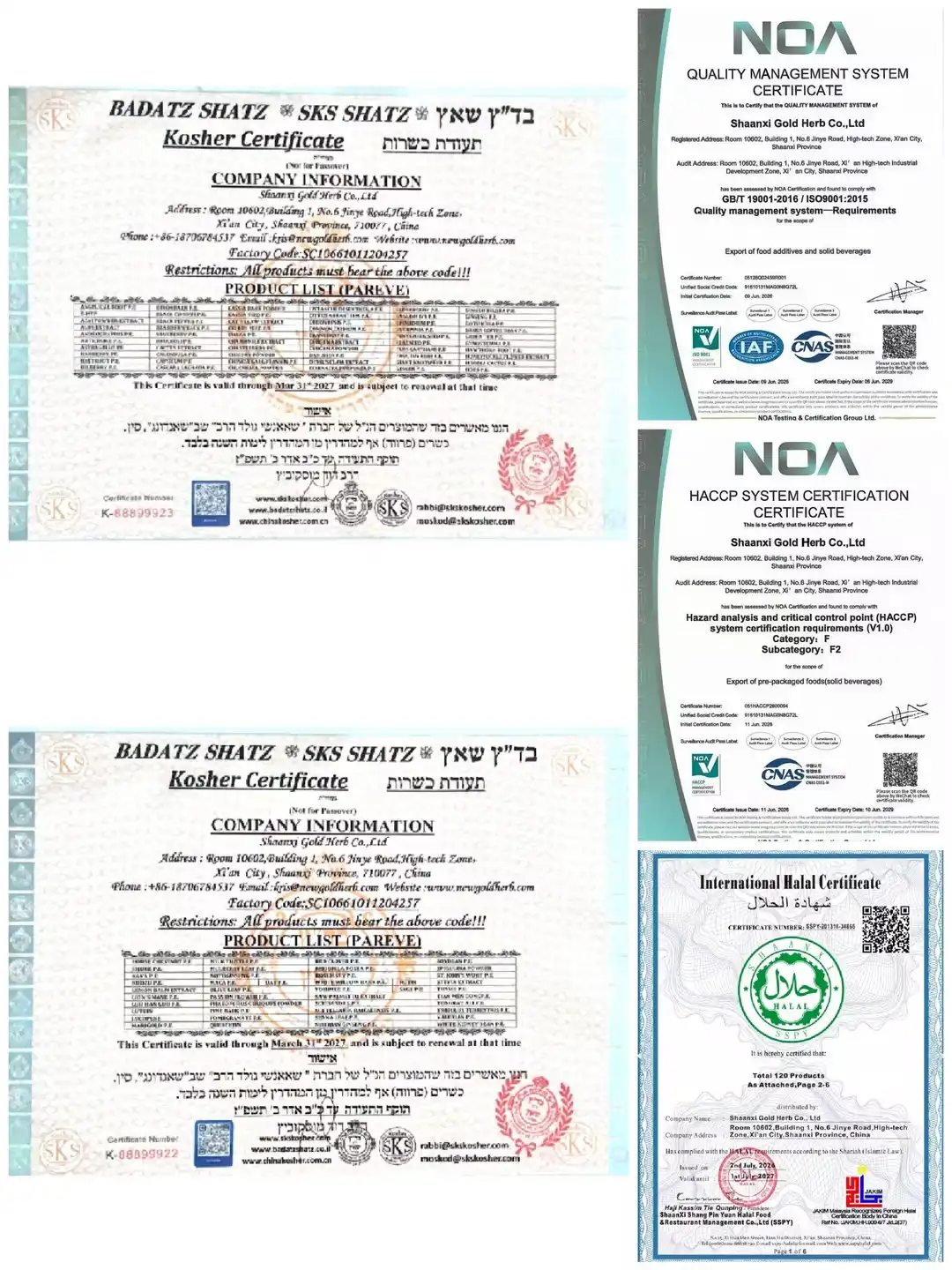
Reliable providers keep a lot of different certifications, such as FDA registration, ISO9001 quality management systems, HACCP food safety routines, and religious compliance certificates like Halal and Kosher, so they can reach a wide range of customers. For verification, you should look at audit reports from a third party and ask for records of analysis that show the accuracy of the Phosphatidylserine (PS) level using HPLC. Suppliers who offer specifications ranging from 20% to 70% PS concentration give formulators more options for making products that are used in different ways and cost different amounts.
Critical Quality Control Parameters
In addition to checking the PS content, buying teams must also check for peroxide levels below 5 meq/kg to make sure that the product stays stable during its shelf life. Testing for acid value shows the right way to store and handle things. Total plate counts, yeast, and mould testing for microbes make sure that ingredients meet safety standards for making finished goods. Heavy metal screening and solvent residue analysis stop pollution problems before they happen, which could harm user safety or regulatory compliance.
Supply Chain Reliability and Lead Times
Established sellers keep more than a ton of standard specs in stock, so orders can be shipped within 24 hours of being confirmed. Customised specifications usually need 7–15 business days to produce, but shorter timelines may be possible to meet urgent needs. Partnerships with global transportation providers guarantee reliable delivery times. Suppliers with regional warehouses in markets like North America can fill orders within 3–5 business days, which saves buyers money on the cost of keeping inventory.
Pricing Structures and Minimum Order Quantities
The price of bulk Phosphatidylserine (PS) depends on the concentration needed, the source materials used, and the amount of the order. By knowing the standards of the market, you can negotiate more effectively and make sure that quality isn't sacrificed to save money. Suppliers who offer samples let you test the formulation before placing a larger order, which lowers the development risks for new product launches.
Documentation and Regulatory Support
In target markets, regulatory applications are easier when there is a lot of technical paperwork, such as spec sheets, safety data sheets, allergen statements, and GMO status declarations. It's helpful to work with suppliers who know about local rules like EU Novel Food regulations, FDA GRAS decisions, and Health Canada natural health product regulations. Batch-specific certificates of analysis make it possible to track products all the way through the supply chain, which is important for quality checks and consumer protection efforts.

Why Phosphatidylserine (PS) is a Smart Choice for Your Product Portfolio
The market is moving more toward brain health ingredients that meet the needs of an ageing population. This makes PS a smart addition to supplement and functional food products.
Growing Market Demand for Brain Health Solutions
Developed markets are seeing a rise in the number of seniors, which is causing a steady need for ingredients that support cognitive function based on proof. Brain health supplements are growing at double-digit rates every year, which shows that people are becoming more aware of ways to stay healthy. PS's FDA-qualified health claim status regarding brain function gives it marketing benefits that other products with less-supported ingredients can't match.
Differentiation Through Scientific Credibility
In a crowded market, products with ingredients that have been proven to work by doctors stand out. PS has done a lot of research that lets brands talk about how effective their products are, using evidence-based language that educated consumers and doctors who recommend supplements can understand. The ingredient's special way of working on multiple brain paths opens up more formulation options than single-action options.
Complementary Formulation Potential
PS works well with various nootropics, adaptogens, and nutritional ingredients, which allows scientists to make complex mixtures that help brain health in many ways. When B vitamins, antioxidants, or omega-3 fatty acids are mixed together, they have synergistic effects that make the benefits of each ingredient even greater. Because of this, brands can make unique product profiles for different groups of customers, from busy adults to people who are having trouble thinking because of worry.
Building Brand Trust Through Quality Partnerships
Brand reputations are improved when companies work with providers that show they have technical know-how, open quality systems, and reliable supply lines for Phosphatidylserine. As more consumers look into where ingredients come from and how they are made, supplier qualifications become an extension of company values. Partners that offer full technical support, regulatory advice, and the ability to customise products help them get to market faster and more successfully.
Conclusion
Phosphatidylserine (PS) is an ingredient in brain health products that has been proven to help people over 55 keep their minds clear and improve their memory. It is unique in the brain health group because it supports neuronal activity, the stress reaction, and cellular maintenance in many ways. Knowing about PS's biochemistry, clinical proof, source issues, and place in the market helps buyers make smart choices that meet legal needs and customer demand trends. The ingredient's safety profile, ability to be used in a variety of formulations, and growing popularity among healthcare professionals make it an important part for companies that want to make effective wellness products for seniors.
FAQ
Q1: What dosage of Phosphatidylserine (PS) supports memory in older adults?
Clinical studies show that adults over 55 who take between 300 and 400 mg of this drug every day can improve their brain function. Most studies that showed memory gain spread out 300 mg over several meals to make sure it was absorbed better. Starting with 100 mg a day lets you see how well you can handle it before you increase it to a beneficial level. For measurable cognitive improvements, supplementation must be done regularly for at least eight weeks.
Q2: Are there side effects associated with long-term PS use?
Long-term safety tests that lasted six months show that the suggested doses have no major side effects. Mild digestive pain happens very rarely and usually goes away when you change the times you eat. Compared to pharmaceutical cognitive drugs, PS has very good tolerability ratings. People who are taking anticholinergic drugs should talk to their doctors before taking supplements because they might combine with acetylcholine.
Q3: How do plant-based and soy-derived PS supplements compare?
When made using the right enzyme conversion processes, bioactivity from both sunflower and soy sources is the same. PS made from sunflowers gets rid of worries about soy allergens, which is good for people who like clean labels. Quality differences are caused by how the goods are made, not by the materials used. Analytical testing confirms purity, no matter where the plants come from, which makes seller quality systems more important than source selection.
Partner with Gold Herb for Premium Phosphatidylserine (PS) bulk powder
Gold Herb offers pharmaceutical-grade Phosphatidylserine (PS) bulk powder manufacturer options for supplement sellers who work with older people, businesses that make functional foods, and nutraceutical companies. Our off-white to light yellow powder comes in a range of concentrations, from 20% to 70% PS. It can be used in a wide range of formulations and is of stable quality, as proven by our FDA, ISO9001, HACCP, Halal, and Kosher approvals. We make sure that the ingredients work by using our strategic partnerships with Ankeyin Biotech and Academician Li Xiaokun's research team to do thorough quality control tests like HPLC content verification and stability testing. Our U.S. warehouse network lets us send urgent orders in 3–5 days, and our customisation services help with different product creation timelines. Get in touch with our technical team at info@newgoldherb.com to get sample packs, competitive bulk prices, and all the regulatory paperwork you need to make it easier to get into the market.
References
1. Glade, M.J. and Smith, K. (2015). "Phosphatidylserine (PS) and the Human Brain." Nutrition, vol. 31, no. 6, pp. 781-786.
2. Cenacchi, T., et al. (1993). "Cognitive Decline in the Elderly: A Double-Blind, Placebo-Controlled Multicenter Study on Efficacy of Phosphatidylserine (PS) Administration." Aging Clinical and Experimental Research, vol. 5, no. 2, pp. 123-133.
3. Crook, T.H., et al. (1991). "Effects of Phosphatidylserine (PS) in Age-Associated Memory Impairment." Neurology, vol. 41, no. 5, pp. 644-649.
4. Kato-Kataoka, A., et al. (2010). "Soybean-Derived Phosphatidylserine (PS) Improves Memory Function of the Elderly Japanese Subjects with Memory Complaints." Journal of Clinical Biochemistry and Nutrition, vol. 47, no. 3, pp. 246-255.
5. Kingsley, M. (2006). "Effects of Phosphatidylserine (PS)e on Exercise Capacity During Cycling in Active Males." Medicine and Science in Sports and Exercise, vol. 38, no. 1, pp. 64-71.
6. Starks, M.A., et al. (2008). "The Effects of Phosphatidylserine (PS) on Endocrine Response to Moderate Intensity Exercise." Journal of the International Society of Sports Nutrition, vol. 5, no. 11, pp. 1-6.

Send Inquiry
Related Industry Knowledge
- Black Pepper Extract Powder: The Secret Weapon in Your Spice Rack (and Food Science Lab)
- How long does echinacea extract last unopened?
- Echinacea Extract: Active Compounds, Benefits and Market Trends
- Cistanche Tubulosa Extract Research: Benefits for Brain and Body Health
- Maca Extract : Properties in Herbal Medicine, Benefits and Uses of the Peruvian Root
- Piperine extract: Black Pepper Powder as a Key Ingredient in Supplements
- How 5-Hydroxytryptophan Improves Sleep, Mood, and Anxiety Naturally
- Fisetin Benefits for Brain Health and Longevity Explained
- Berberine Hydrochloride for weight loss: Benefits, and what you need to know
- What Is Urolithin A? Benefits, Uses, and Scientific Insights