
Fisetin Powder Manufacturing Process & Purity Standards
Apr 01, 2026
Producing high-quality fisetin powder is not simply a matter of extracting a botanical material and drying the resulting solution. The final ingredient depends on the quality and identity of the starting material, the extraction conditions, the efficiency of purification, and the analytical methods used to confirm the finished powder. For B2B buyers, these details matter because a powder that meets a stated purity percentage on one batch may still differ in identity, residual solvent profile, particle characteristics, or microbiological quality if the manufacturing process is not properly controlled. For manufacturers and procurement teams sourcing fisetin, the most useful approach is therefore to evaluate the complete quality system rather than focus on a single number. Find a reputable provider that can tell you where the botanical material is sourced from, how the active chemical is removed and purified, how every batch is tested, and what paperwork accompanies the shipment. Commercially significant purity goals like 98% should be considered a product standard rather than a blanket regulatory requirement for all applications.
How Fisetin Powder Is Produced from Botanical Raw Materials?
Selecting and Verifying the Starting Material
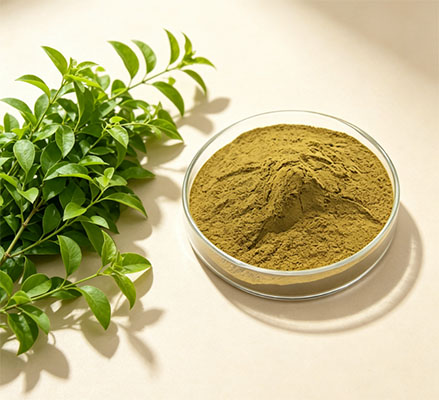
The process of manufacturing starts long before the extraction. First, the botanical raw material has to be appropriately recognized, since the fisetin content might vary significantly across plant species, plant sections, growth circumstances, harvesting times, and storage settings. One known botanical source that has been studied for its fisetin content is Cotinus coggygria. However, producers should not rely on a single plant section or geographic origin to consistently deliver the same concentration.
Raw material certification for commercial manufacturing consequently should not be restricted to visual assessment. The supplier requires a method to validate the botanical identification and test the item to predefined parameters. This may vary depending on the purpose to which it is being used but may involve checks for identification, moisture content, foreign materials, pesticide residues, heavy metals, and microbiological tests.
And storage before extraction is just as critical. Excess moisture, heat, or incorrect packing might harm botanical materials even before they reach the manufacturing line. A highly regulated process means that incoming materials are kept under documented conditions and that traceability is maintained from the original batch through extraction to final packaging.
Extraction and Concentration Require Controlled Processing
After the raw material has been certified, the production process continues to extraction. The aim is to get a controlled extract of fisetin and related chemicals from the botanical matrix while excluding undesirable elements that impede downstream purification.
The solvent is chosen based on the raw material, the process design, the equipment, and the goal specification. For plant-derived flavonoids, alcohol-based extraction techniques are often explored, although different extraction technologies may be utilized for particular production needs. Supercritical carbon dioxide might be advantageous for certain botanical extraction applications but must not be promoted as a universal or required approach for fisetin production.
Temperature management is especially critical during extraction and concentration, as excessive heat might harm sensitive chemicals and may promote the development of undesired breakdown products. Therefore, the extraction duration, solvent ratio, solid-to-liquid ratio, agitation, filtering, and concentration conditions must be determined by process development and not picked on the basis of convenience alone.
Filtration and concentration are used to remove insoluble plant debris and surplus solvent after extraction. The intermediate formed is subsequently processed for purification. At this step the process records should include the raw material batch, extraction settings, equipment employed, and intermediate yield so that variations may be explored if a later analytical result is outside the predicted range.
Purification Determines the Final Specification
Crude botanical extracts consist of many compounds other than fisetin. Therefore, a high assay needs a purifying technique to get the necessary final specification. Depending on the production process, purification may be accomplished via adsorption, crystallization, liquid phase separation, preparative chromatography, or a mix of multiple methods.
Chromatography may be a useful method when the target product has to be isolated from structurally related botanical ingredients. But the more correct definition of ultimate purity is the product of the complete purification train rather than that of a single processing step.
The substance is concentrated and transformed into a dry product after purification. Residual moisture might impact stability and handling, and excess heat can damage product quality. Drying conditions should be monitored. The resultant solid is milled or otherwise treated to a powder appropriate for the properties of the customer’s application.
For bulk purchasers, uniformity across batches is as crucial as the headline purity statistic. A provider of fisetin should be able to show that its method is capable of consistently producing to the agreed standard, not only depend on an isolated high result from one batch of manufacturing.

How Purity and Product Quality Should Be Verified?
HPLC Assay Provides the Core Purity Measurement
HPLC is one of the most helpful analytical technologies for the evaluation of fisetin powder, which can separate the target chemical from related compounds and provide a quantitative measurement under a specific analytical procedure. Therefore, a commercial standard of 98% or another claimed purity level must be coupled with a documented testing technique and not just an unsupported marketing claim.
Buyers should know what the quoted percentage means in reality. “Fisetin purity by HPLC” might be understood as area percentage or other calculation as specified by the supplier’s analytical technique. The technique should be acceptable for the product and, when applicable, backed by adequate reference standards and method validation.
The Certificate of Analysis should include the batch number and the date of testing and disclose the appropriate specification and result. The best way to get a real idea of manufacturing consistency is to look at the COAs from many production batches, rather than just one certificate.
Identity Testing Should Accompany Purity Testing
A high HPLC % alone may not prove total product identification. Separability of authentication from quantitative purity needs to be examined. A substance may provide a seemingly acceptable analytical result, yet require further confirmation of its identity or composition.
Depending on the supplier’s quality system and client needs, the identification may be validated by chromatographic fingerprinting, reference standard comparison, mass spectrometry, or other acceptable analytical methods. The preferred approach will rely on the product specification and the level of confidence needed by the customer.
This is especially crucial for botanical substances, since raw materials might be misread or replaced, knowingly or unknowingly. Therefore, a strong quality system employs identity validation as a separate element of batch release, instead of believing the purity number addresses all quality questions.
Contaminant Testing Completes the Quality Assessment
Bulk purchasers should additionally consider relevant pollutants for botanical substances and intended use. Heavy metal testing may include elements such as lead, arsenic, cadmium, and mercury. Microbiological testing can look at characteristics including total aerobic microbial count, yeast and mold, and, if relevant, designated pathogens.
If organic solvents are employed in the production process, residual solvents should be tested. The permitted limits should be based on the relevant specification or regulation, rather than as one universal figure for all fish products.
Depending on the customer’s market, formulation, or internal quality standard, further tests may be necessary. A good supplier relationship should mean that the buyer may explain testing needs before a big order is placed, not after the fact when a large order is already complete.

Which Purity Standards Matter When Buying Fisetin Powder in Bulk?
A 98% Specification Should Be Treated as a Commercial Requirement
If you are a customer seeking a reasonably high-purity fisetin ingredient, then a standard of 98% HPLC may be seen as a good benchmark. But it should not be considered as a universal minimum for therapeutic usage. Regulatory restrictions vary by jurisdiction, product category, intended usage, and marketing of the substance.
For procurement teams the more practical concern is whether the supplier can consistently deliver to the agreed specification and show that performance with batch-specific analytical data. If the client wants 98% in the formulation, the buy specification should include the testing technique, acceptance criteria, requirements for identification, restrictions on contaminants, packing conditions, and documentation requirements.
Higher purity may also be relevant for certain specialized applications, but the economic value of a higher assay should be balanced against the actual formulation need. Also, you are paying for a standard that does not add value to the end product. This might raise the cost of procurement without any improvement to the final application.
Certifications Should Match the Intended Market
Certification standards should be considered in terms of the end usage and utilization of the final ingredient. ISO 9001 may show that a structured quality management system exists, and HACCP can be related to control of food safety hazards. Halal and Kosher certification might be important if required by the customer’s formulation or target market.
And, too, FDA registration has to be well understood. Just because you register a facility/establishment does not guarantee that every product produced there is FDA authorized. Buyers should differentiate between registration, manufacturing compliance, product authorization, and market-specific regulatory duties.
The same is true for European and other overseas markets. Instead of presuming that one certificate gives access to all markets, a buyer should verify what regulatory status is necessary for the individual goods and intended application. The provider should be capable of providing the paperwork necessary for the customer's regulatory evaluation.

Storage, Packaging, and Shipment Can Affect Product Quality
Protect the Powder from Uncontrolled Environmental Exposure
Storage Conditions of Fisetin Powder: According to the certified or suggested storage conditions of the supplier. Environmental exposure over time may damage botanical powders; thus, temperature, humidity, light exposure, and packaging integrity are all things to think about.
Without any stability data to back it up, it is incorrect to say that a certain temperature and humidity combination is best for all fisetin powder. Where a provider suggests storage at or below 25°C and regulated relative humidity, purchasers should follow the manufacturer’s standard and evaluate any stability information available.
Light protection may also be warranted by the stability properties of the product. Store in tightly sealed containers to prevent moisture absorption and contamination from the environment, especially after opening.
Packaging Should Support Long-Term Bulk Handling
Packaging choice should depend on the size of the cargo, transportation circumstances, the length of time the goods are to be stored, and the customer’s production schedule. Well-sealed bulk containers protect the powder from moisture and contamination and facilitate warehouse handling.
Buyers also should ensure that the supplier offers suitable labeling that includes batch identity, production information, net weight, and storage requirements. The more the number of manufacturing and distribution phases, the more crucial is traceability.
If you ship internationally, you need to do your logistical planning before you ship. Customs documents, product categorization, transportation circumstances, and destination market regulations may all affect delivery time. Fishitin powder shipping cold chain transportation claims should be based on real product stability needs and not a statement for every shipment.

Conclusion
To get high-quality fisetin powder in bulk, you need to understand how raw material selection, extraction, purification, analytical testing, and documentation work together to determine the final product specification. A stated purity value such as 98% can be a useful commercial benchmark, but it should always be evaluated alongside identity testing, contaminant controls, batch consistency, and the requirements of the target market.
For B2B buyers, supplier qualification should focus on evidence rather than broad quality claims. Reviewing batch-specific COAs, confirming the analytical method, checking relevant certifications, assessing manufacturing and laboratory capabilities, and discussing storage and packaging requirements before ordering can significantly reduce procurement risks. The right supplier is not simply the company offering the highest purity number or the lowest price, but the one that can consistently deliver material that matches the agreed specification and provide the documentation needed for production and compliance.
The regulatory landscape and customer expectations will continue to differ across markets, making transparent communication and technically competent supplier support increasingly important. By evaluating manufacturing controls, analytical evidence, documentation, and supply reliability as one connected system, procurement teams can make more informed decisions when sourcing fisetin powder in bulk and build a supply relationship that supports consistent downstream production.
FAQ
1. What purity level should I request when purchasing fisetin powder?
A 98% HPLC specification can be used as a commercial benchmark for high-purity fisetin powder, but there is no single 98% requirement that automatically applies to every application or market. The appropriate specification should be based on the intended use, customer requirements, and applicable regulatory framework.
2. How can I confirm that a fisetin powder batch is authentic?
Start by reviewing the batch-specific COA and the supplier's identity testing procedure. HPLC analysis can help assess the chromatographic profile and quantitative content, while additional techniques such as mass spectrometry may provide further identity confirmation when required. Independent laboratory testing can also be considered for supplier qualification or periodic verification.
3. Which documents should I request from a bulk financing supplier?
A typical procurement review may include the product specification, batch COA, safety documentation, manufacturing and expiry information, packaging details, and applicable certification records. Depending on the intended market, buyers may also require additional contaminant testing or regulatory documentation.
4. Is 98% fisetin automatically suitable for therapeutic applications?
No. Purity alone does not determine whether an ingredient is suitable for a therapeutic application. Regulatory status, manufacturing controls, identity, contaminants, intended dosage, formulation, stability, and the requirements of the applicable jurisdiction must all be considered separately.
Partner with Gold Herb for Premium Fisetin Powder Bulk Supply
Gold Herb provides bulk fisetin powder for customers that require a defined commercial purity specification and batch-based quality documentation. Its manufacturing and quality system supports HPLC testing and routine quality evaluation, allowing buyers to review the analytical performance of individual batches before the material enters their production process.
For international B2B customers, Gold Herb also provides certification and documentation support according to applicable requirements. Its stated certifications include FDA registration, ISO 9001, HACCP, Halal, and Kosher, giving procurement and quality teams documentation to consider during supplier qualification.
Gold Herb also maintains inventory and international fulfillment capabilities designed for bulk customers. The combination of defined specifications, analytical testing, documentation support, and supply coordination can help manufacturers establish a more predictable sourcing process for fisetin powder bulk orders.
Contact info@newgoldherb.com to discuss your procurement requirements and experience our industry-leading technical support backed by Academician Li Xiaokun's research team.
References
1. Smith, J.R., et al. "Advanced Extraction Methodologies for Flavonoid Purification in Industrial Applications." Journal of Natural Product Processing, 2023, Vol. 15, pp. 234–251.
2. Chen, M.L., and Rodriguez, A.P. "Quality Control Standards for Botanical Extract Manufacturing in Global Markets." International Pharmaceutical Manufacturing Review, 2023, Vol. 28, pp. 113–129.
3. Thompson, K.D. "Chromatographic Purification Techniques for High-Purity Flavonoid Production." Analytical Chemistry in Nutraceuticals, 2022, Vol. 41, pages 87–104.
4. Williams, S.A., et al. "Regulatory Compliance Requirements for Natural Extract Import-Export Operations." Global Trade in Botanical Ingredients, 2023, Vol. 19, pp. 45–62.
5. Liu, X.H., and Park, J.S. "Stability Assessment and Storage Optimization for Crystalline Flavonoid Compounds. "Pharmaceutical Storage Science," 2022, Vol. 33, pp. 178–195.
6. Anderson, R.M. ("Supply Chain Risk Management in Specialty Botanical Ingredient Procurement.") Industrial Procurement Quarterly, Vol. 7, pp. 23–38.

Send Inquiry
Related Industry Knowledge
- Urolithin A Ingredient for Anti-Aging & Muscle Health Products
- How Ergothioneine Supports Anti-Aging and Oxidative Stress Defense
- Berberine HCL powder: The Natural Compound Backed by Science
- 5-Hydroxytryptophan(5-HTP) vs Melatonin: Which Is Better for Sleep?
- Where to Buy Pharmaceutical-Grade Cyanotis Arachnoidea Extract?
- Urolithin A Manufacturer: Premium Anti-Aging Ingredient for Supplements
- 5-Hydroxytryptophan for Sleep & Mood Support | Natural Serotonin Booster Explained
- What is senna leaf extract?
- Why Ergothioneine Is a Trending Ingredient in Longevity and Antioxidant Supplements
- Coenzyme Q10 98% for Bulk Supply: High-Purity Ingredient for Dietary Supplements