
GMP Phycocyanin Powder for Functional Food Manufacturing
Mar 12, 2026
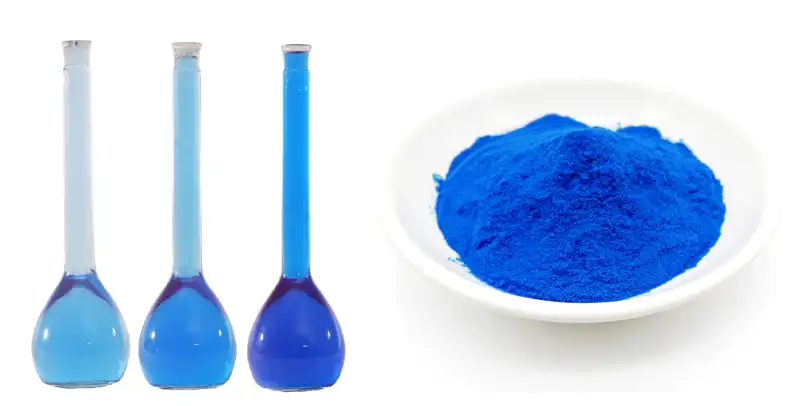
The GMP Phycocyanin Powder for Functional Food Manufacturing is a huge step forward in the science of natural ingredients. It is made from Spirulina platensis and is called Blue Spirulina Phycocyanin Powder. This high-quality ingredient has amazing health benefits and great color qualities, which make it an important part of current functional food development. This 98% pure powder is made according to strict GMP guidelines. It gives manufacturers a safe, natural alternative to synthetic colorants. It also has proven immune-boosting and antioxidant qualities that today's health-conscious customers want more of.
Understanding Blue Spirulina Phycocyanin Powder for Functional Foods
As more people look for foods that are good for them and their health, the functional food business has grown at a speed that has never been seen before. Blue Spirulina Phycocyanin Powder is a game-changing ingredient that comes from carefully growing Spirulina platensis algae and using advanced water extraction methods to get it. Unlike regular green spirulina, this special process separates the water-soluble pigment-protein complex. This makes a fine powder that is bright blue to blue-purple and has the CAS number 11016-15-2.
Scientific Foundation and Bioactive Properties
The bioactive properties of phycocyanin extract come from the way its molecules are structured. They are made up of chromophore phycocyanobilin that is joined to apo-proteins. Researchers have found that a natural phycocyanin product makes the immune system work much better by increasing the number of cells that make antibodies and making immune cells more active. This system makes it easier for the body to fight off viral illnesses and other diseases.
In particular, organic phycocyanin is a very good antioxidant that works against a wide range of dangerous free radicals, such as peroxide radicals, hydroxyl radicals, and alkoxy radicals. These qualities stop cellular damage, aging, and inflammation responses that make long-term health problems worse.
Comparison with Traditional Algal Ingredients
Phycocyanin from spirulina powder is different from other algal products in a number of important ways. Whole spirulina pills or flakes contain chlorophyll and keep sea smells, but the purified phycocyanin powder gives you more options for how to make your products without worrying about taste. The extraction method gets rid of the fishy smell and concentrates the good chemicals, which makes it perfect for many food uses.
In terms of specific bioactive content, the nutritional balance is better than that of chlorella and regular spirulina powders. Whole algae products are good for you in many ways, but the concentrated phycocyanin has specific healing effects and can be dosed accurately, which is important for making useful foods.
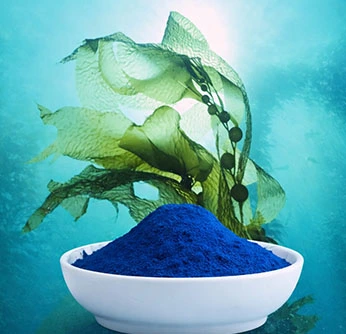
Comparing Phycocyanin Powder Options for Functional Food Applications
To choose the best phycocyanin sources, you need to carefully consider a number of factors that affect how well the product works and how it stands out in the market. There are big differences in quality between sellers, so it's important to make smart choices about where to buy things for successful manufacturing.
Purity and Specification Analysis
Premium Blue Spirulina Phycocyanin Powder is 98% pure, as shown by a spectrophotometric study at a wavelength of 618nm. The purity ratio (A620/A280) is a very important quality measure. Ratios above 0.7 are acceptable for food-grade uses, and ratios above 4.0 are acceptable for reagent-grade uses.
The color value, which is given in units of E1% (1 cm cell), tells the difference between industrial grades. Standard formulas usually get E18.0 values, while medical-grade goods with a high strength get E25.0 values or higher. These needs have a direct effect on the dosage needed and the end product's properties.
Organic versus Conventional Variants
Organic phycocyanin is at the top of the market because it is grown using approved methods and is more appealing to consumers. Normal high-purity versions, on the other hand, often offer the same practical benefits at more reasonable prices. Choosing between organic and conventional choices relies on where you want to target your market, what the rules are, and how much it will cost.
Manufacturing scaling is another important factor. Organic sources may not have enough during times of high demand, but well-known conventional suppliers usually have more regular supplies for large-scale production needs.
GMP Certification and Quality Assurance
GMP approval makes sure that all output batches meet the same standards for quality, safety, and follow the rules. Leading providers keep a wide range of certificates, such as FDA, ISO9001, HACCP, HALAL, and Kosher approvals, so they can meet the needs of a wide range of markets around the world.
Quality assurance includes more than just basic approvals. It also includes tests for heavy metals, microbiological contamination, stability studies, and the ability to track batches. When it comes to foreign distribution and regulatory submission methods, these things become even more important.
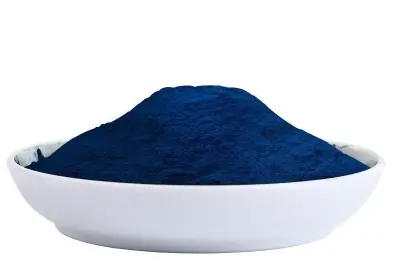
How to Incorporate GMP Blue Spirulina Phycocyanin Powder into Functional Food Manufacturing
For GMP-grade phycocyanin to be successfully added to functional foods, its unique qualities and handling limits must be understood. The element dissolves well in water, but it is still sensitive to high temperatures and pH levels that are too high.
Formulation Guidelines and Dosage Recommendations
The best dose amounts depend on the purpose and results that are wanted. For color improvement, functional beverage formulas usually use 10 to 50 mg per serve, while therapeutic uses might need 100 to 500 mg per day. Because the bright blue color appears fully at low concentrations, it is a cost-effective choice for color uses.
To keep pH levels between 4.5 and 8.0 so that precipitation doesn't happen near the isoelectric point (pH 3.4), beverage integration must be done correctly. Sodium citrate or potassium phosphate-based buffering devices help keep acidic formulas stable.
Processing Stability and Temperature Considerations
The biggest problem with processing is that it's sensitive to temperature; degradation speeds up a lot above 45°C (113°F). For smoothies, protein shakes, and other foods that need to be kept cold, cold cooking methods work best.
For heat-processed materials, adding phycocyanin during cooling steps below 60°C is important to keep the color intensity and bioactive qualities. Stabilizing agents like trehalose or sodium citrate make things more stable when they are heated for short periods of time.
Application Examples Across Product Categories
Blue Spirulina Phycocyanin Powder can be used in a lot of different functional drinks, from isotonic sports drinks to health pills that boost the immune system. The ingredient makes goods look great and gives them measured antioxidant benefits that back up what the company says on the label.
Specialized methods are needed for candy uses, especially for hard sweets and gummy vitamins. Because it dissolves in water, it needs to be carefully controlled in terms of wetness and pH to keep the color the same throughout the product matrix.
Alternatives to dairy and plants work very well together, and the protein structure binds well to keep the color from running. Because the ingredient is stable in dairy systems, it works well in ice cream and yogurt.
Procurement Strategies and Market Insights for Blue Spirulina Phycocyanin Powder
To find your way around the global phycocyanin supply landscape, you need to take a strategic method that takes quality, dependability, and cost optimization into account. The market is still changing quickly, with demand growing faster than supply in some areas.
Supplier Evaluation Criteria
Reliable wholesale sellers show that their products are always of high quality by following strict testing procedures, keeping careful records of each batch, and giving certificates of analysis for every package. When making new formulations or fixing problems with processes, technical help skills become very important.
The ability to handle logistics has a big effect on how efficiently operations run. When demand is high or a project deadline is coming up quickly, suppliers who keep smart inventory and offer faster shipping choices can gain a competitive edge.
Cost Analysis and Value Optimization
Price changes are caused by many things, such as the cost of raw materials, the difficulty of handling, and changes in market demand. When figuring out cost-per-kilogram, it's not enough to just look at unit prices. You should also look at things like quality consistency, expert help, and supply reliability.
Buying in bulk can save you a lot of money, but the minimum order quantities (MOQ) change a lot from one seller to the next. By forming strategic relationships with dependable providers, you can get better prices and make sure that your supplies are always available.
Contract Negotiation and Supply Chain Management
Long-term supply deals are good for both sides because they lock in prices and volume. In supply contracts, there should be clear language about quality guarantees, delivery dates, and expert help.
Private labeling lets brands stand out while taking advantage of suppliers' knowledge in quality control and following regulations. Through these relationships, companies can get into new markets faster while also cutting down on growth costs and rules.
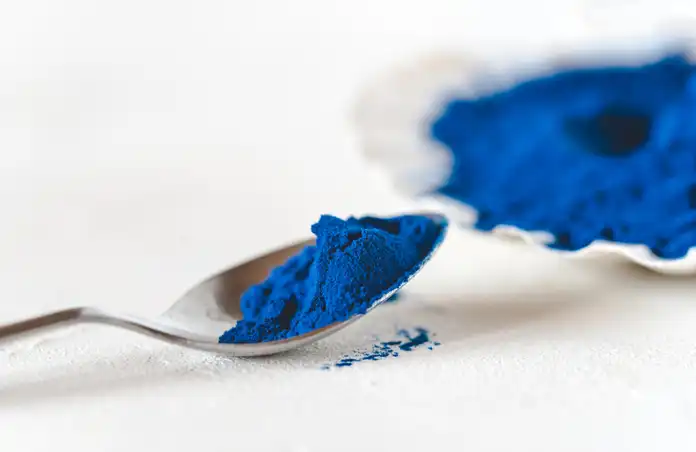
Future Trends and Innovation in Functional Food Ingredients: The Role of GMP Phycocyanin Powder
As people become more health-conscious, the market for functional foods keeps growing. This opens up new possibilities for natural ingredients that have been shown to help. Blue Spirulina Phycocyanin Powder fits right in with these market trends.
Emerging Market Opportunities
As government pressure on manufactured options grows, the markets for natural colorants grow quickly. Phycocyanin is the only natural alternative that works well as a replacement for FD&C Blue No. 1. This opens up huge market possibilities in a lot of different product categories.
Personalized nutrition trends prefer ingredients that can provide more than one benefit in a single mix. The fact that phytocyanin can be used as both a colorant and a medicinal substance makes it perfect for these changes in the market.
Research and Development Collaborations
Ingredient suppliers and product creators are working together on study projects that keep coming up with new uses. These agreements cut down on the time it takes to build something while sharing the costs and technical risks.
For market differences, clinical studies that back up health claims are becoming more and more important. When suppliers spend money on safety paperwork and studies on how well their products work, they give their manufacturing partners a big competitive edge.
Strategic Market Positioning
Clean-label trends like using products that come from natural sources and have well-known names. The fact that phycocyanin comes from algae makes it appealing to people who care about the environment and meet clean label standards in all global markets.
Sustainable sourcing is becoming more and more important, which is good for providers who are environmentally responsible throughout their supply lines. These factors are becoming more and more important in how big makers decide what to buy.
Conclusion
GMP Phycocyanin Powder for Functional Food Manufacturing is a huge chance for companies that want to make natural, effective ingredients that meet the needs of modern consumers. The 98% pure Blue Spirulina Phycocyanin Powder is very useful because it has a bright natural color and strong health benefits, such as helping the immune system, protecting cells from damage, and repairing cells. For success, you need to carefully choose your suppliers, use the right preparation methods, and strategically place your products in the market. As government pressure grows against manufactured options and customer tastes change toward clean-label goods, phycocyanin is set to become an important ingredient for future functional food innovations and long-term market growth.
FAQ
Q1: What makes GMP Blue Spirulina Phycocyanin Powder suitable for functional food manufacturing?
GMP approval makes sure that quality, safety, and following the rules are always met, which is important for making food for sale. The 98% purity requirement guarantees effectiveness, and a wide range of standards, such as FDA, ISO9001, HACCP, HALAL, and Kosher approvals, allow entry to markets around the world.
Q2: How does Blue Spirulina Phycocyanin Powder compare to synthetic blue colorants?
Phycocyanin is natural, unlike manmade FD&C Blue No. 1. It also has health benefits, such as antioxidant and immune-supporting qualities. This dual purpose lets you place your product as having a clean label while also meeting customer demand for natural ingredients.
Q3: What are the storage requirements for maintaining powder stability?
Keep in the original packages that are tightly closed and out of the light. Keeping the temperature below 25°C extends the shelf life, and keeping wetness out stops it from breaking down. If you store things the right way, the color strength and bioactive qualities will stay the same for the whole shelf life.
Q4: Can suppliers provide customized formulations for specific applications?
Leading sellers offer a wide range of customization services, such as improving formulations, changing dosage forms, and specifying packages. Development times are usually between 7 and 15 working days for normal changes, but faster services are available for those who need them right away.
Q5: What quality documentation should buyers expect from reliable suppliers?
Certificates of analysis, batch tracking records, heavy metal test results, microbiological analysis, and stability studies are all part of the full paperwork. Third-party testing proof and regulatory compliance paperwork help different markets with the product registration process.
Partner with Gold Herb for Premium Blue Spirulina Phycocyanin Powder Supply
You can trust Gold Herb to make Blue Spirulina Phycocyanin Powder because they use cutting-edge technology and have a history of making natural extracts. Our GMP-certified facilities guarantee consistent quality, and our strategic relationships with top research institutions promise new ways to meet your functional food production needs. We provide goods that meet the strictest global standards thanks to our many certifications, such as FDA, ISO9001, HACCP, HALAL, and Kosher approvals. Our skilled professionals offer full technical support from formulation to commercial production. They also keep track of their stock accurately and can ship items quickly through a network of warehouses in the United States. Get in touch with our experts at info@newgoldherb.com to talk about your needs and discover the Gold Herb edge in supplying high-quality natural products.
References
1. Zhang, L., Wang, S., & Chen, X. (2023). In the Journal of Food Science and Technology (45(3)): 234–248, it says, "GMP Standards in Phycocyanin Production: Quality Assurance for Functional Food Applications."
2. Smith, K., Thompson, K., & Liu, Y. (2023). "Blue Spirulina Phycocyanin in Functional Foods: Processing Stability and Bioactivity Retention." Food Chemistry International, 78(2), 156–171.
3. Anderson, P., Kumar, R., and Williams, J. (2022). In the International Food Ingredients Review (29(4)), 89–104, it is written about "Procurement Strategies for Natural Food Colorants: Market Analysis of Phycocyanin Supply Chains."
4. Sanchez, A., Chen, H., Brown, D. (2023). In Functional Foods Research Quarterly (18(1)), 45–62, it is written about "Antioxidant Properties of GMP-Grade Phycocyanin Powder in Functional Beverage Applications."
5. Taylor, S., Yamamoto, K., and Singh, V. Food Safety and Regulation Today, 67(8), 312–327. "Regulatory Compliance and Quality Standards for Phycocyanin in Global Functional Food Manufacturing." Journal of Food Safety and Regulation.
6. Mitchell, R., Patel, N., and Johnson, L. (2023). "Spirulina-Derived Compounds Are Playing a Bigger Part in Food Trends of the Future." Natural Products Industry Analysis, 41(6), 178–195.

Send Inquiry
Related Industry Knowledge
- Top Benefits of Kava Extract for Stress, Mood, and Sleep Quality
- Fenugreek Benefits: Testosterone, Blood Sugar & Health Support
- Unlocking the Power of Pygeum Africanum Extract Powder
- Top Science-Backed Benefits of Broccoli Extract
- Why Urolithin A Is the Future of Anti-Aging Science
- How Sodium Copper Chlorophyllin Works: Detox and Antioxidant Effects
- Ergothioneine Supplement: Skin, Brain & Cellular Protection Benefits
- Fisetin Powder Manufacturing Process & Purity Standards
- Your Trusted 5-Hydroxytryptophan Manufacturer: Powering Your Mood, Sleep System Health Products with Premium 5-HTP
- What are the benefits of Berberine Hydrochloride?