
HMB Powder Manufacturing Guide for Sports Nutrition Brands
Aug 27, 2026
In the last twenty years, HMB Powder (beta-hydroxy-beta-methylbutyrate) has changed the way sports nutrition is made. It is a leucine precursor. We sell ingredients directly to businesses and work with many sports nutrition brands around the world. We know that to find high-purity HMB, manufacturers need to find the best mix between how hard it is to make and how well it dissolves in different products. In this guide, procurement managers and R&D directors learn about the most important steps from synthesis to shelf. These steps include issues with stability, legal frameworks, and recipe optimisation that directly affect how well a product works and how unique a brand is in a crowded market.
Understanding HMB and Its Role in Sports Nutrition
When the body breaks down leucine, it makes beta-hydroxy-beta-methylbutyrate. Leucine is one of three branched-chain amino acids that muscles need to stay fit. This chemical can only be made by our bodies from about 5% of the leucine we eat. Because of this, athletes who want to keep their muscles during times of low-calorie diets or hard exercise may be interested in direct supplements.
Biochemical Mechanisms Behind Muscle Support
The chemical plays a part in cellular processes that decide how proteins are changed. The ubiquitin-proteasome pathway is blocked by supplements, which slows down the breakdown of muscle proteins, according to a study in the Journal of Applied Physiology. When the body is stressed, this system breaks down proteins that are broken down. At the same time, it starts the mTOR pathway, which makes protein for muscles. This two-step process creates an environment that is anti-catabolic, which is very helpful when the body is healing.
Applications Across User Demographics
Strength training is often done by players who want to get bigger and stronger. Tests have shown that taking supplements and doing progressive overload training together are better at building lean muscle than training alone. Endurance players heal faster between workouts when there are fewer signs of muscle damage caused by exercise. The older population is a market group that is growing. Studies show that the chemical keeps muscles strong even when people don't work out hard. This helps fight sarcopenia.
Regulatory Landscape and Safety Profiles
Beta-hydroxy-beta-methylbutyrate is a new NDI that has been approved by the FDA. In other words, the people who make it need to show that it is safe by showing the right papers. Over several doses, most people take between 1.5 and 3 grams of the drug every day to keep the amount in their blood steady. Side effects are still pretty low at the amounts that are suggested. Getting more than 6 grams has only been linked to stomach pain. Businesses that buy from other businesses should make sure that suppliers follow NDI rules and give Certificates of Analysis that show purity is above 99%. This protects them from regulatory scrutiny and backs up claims of clean labels.
Manufacturing Processes and Quality Benchmarks
Exact science and strict checks for contamination are needed to make HMB Powder that can be used in medicine. Teams in charge of buying things can use these steps to figure out what suppliers can do and how much it will cost.
Synthetic Pathways and Raw Material Sourcing
For business purposes, there are two main ways to synthesise. The calcium salt form (HMB-Ca), which is a solid crystalline material with about 13% calcium, is made by adding beta-hydroxy-beta-methylbutyric acid to calcium hydroxide. It takes less time to take the free acid form (HMB-FA) because it goes through esterification and then hydrolysis. This turns it into a liquid that is often enclosed or sprayed dry to make powder. It is bioavailable in different ways for each form. For instance, it takes 30 minutes for free acid to reach its highest level in the blood, but 120 minutes for calcium salt to do the same. This changes the suggested times for formulation.
Critical Manufacturing Stages
The first step in synthesis is for molecular building blocks to respond in tanks that are kept at a fixed temperature. Crystallisation or precipitation separates the active substance from the leftovers of the process. Then, centrifugation and several wash cycles get rid of the impurities. During the drying steps, Hoover or spray drying is used to get the moisture level below 0.5%. This keeps germs from spreading and lets the powder move. Atoms of objects are broken up into pieces 50 to 200 microns wide by jet milling. This speeds up the rate at which they dissolve and makes the mixing in finished goods more consistent.
High-Performance Liquid Chromatography (HPLC) checks the strength of the active ingredient, ICP-MS checks for heavy metals, and bacterial testing makes sure there are no bugs. All of these tests are done by high-quality labs. Rules like ISO 9001 and GMP make sure that quality management is done in a planned way. Another level of trust is added by third-party checks from NSF or Informed-Sport. This is very important for brands that want to sell to professional athletes.
Comparative Market Positioning
The people who make sports nutrition goods need to find ways to make their products stand out because the market is full of them. When you compare beta-hydroxy-beta-methylbutyrate to well-known goods, you can see where it might fit in strategically.
Functional Comparisons with Leading Ingredients
Phosphocreatine levels go up when you take creatine monohydrate. This gives you a lot of power quickly. This makes it great for tasks that last only a short time. BHB helps with this by protecting muscle mass during weight loss or times when you're not working out as hard. With branched-chain amino acids, you can get leucine right away, but the product has more targeted anti-catabolic effects when used in smaller amounts. Whey protein has all the amino acids your body needs to heal, but leucine protein only stops protein breakdown, which is good for people who want to protect their muscles the most.
Format Considerations for Brand Development
Contract makers who work with private-label brands like HMB Powder use bulk powder forms because they are the most cost-effective and give formulators the most freedom. People who want ease of use over mixing styles choose capsules, even though they cost more. The fact that tablets don't bind well means that they often need a lot of extra ingredients that make them less useful. The fastest way to get the most out of liquid shots with free acid is to take them before you work out.
When you mix beta-hydroxy-beta-methylbutyrate with things that go well together, you get a synergistic mixture. It helps restore energy and protect muscles when mixed with creatine. Adding vitamin D3 makes muscles work better in people who might not be getting enough of it. These combos make goods stand out in crowded markets, and they help customers with more than one issue with a single item.
Strategic Procurement Approaches
You need to carefully look at and manage your relationships with suppliers if you want to find good food sources at prices that are competitive. Buying things changes how much a product makes, when it comes out, and how good it is all the time.
Supplier Assessment Criteria
The first step in checking providers is to make sure that their certifications are correct. Ask for up-to-date GMP licenses, audit reports from a third party, and licenses of analysis that are unique to each batch and show the full results of all the tests that were done. It is important to know if the prices you see on quotes include freight, insurance, and tax. Plans don't go over price because of this. Moving from 25 kg to 1,000 kg as a minimum order quantity (MOQ) changes how much working capital is needed and how fast the product is moved.
Navigating Pricing Dynamics
Prices on the market change based on how much raw materials cost, how well production capacity is being used, and how much people want to buy. Calcium salt costs about $45 to $65 a kilogram when bought in bulk. Free acid, on the other hand, costs about $70 to $90 a kilogram because it needs to be prepared in more steps. Most of the time, agreements to buy in bulk save 8–15%. It is possible for supply to become inconsistent with fixed-yearly contracts, though, if demand predictions turn out to be wrong. One more choice is to get things from more than one source, keep a safety stock that meets production needs for 60 to 90 days, and buy things on the spot market when prices drop.
One of the vitamin brands we worked with went from buying from one source to buying from two sources. They agreed to buy a certain amount from one partner and kept a second relationship for supply security. Because of increased competition, this method lowered unit costs by 12% and lowered the risk of damage when the main seller had to delay production.
Formulation Best Practices
You need to know about dosing science, compatibility issues, and stability requirements that keep the product working over time in order to turn raw materials into products that are ready to sell.
Evidence-Based Dosing Protocols
Studies in humans show that to keep plasma levels high, you should eat 1.5 to 3 grams of it every day, spread out over two or three meals. Three-gram practices are best for athletes who are in the growth phase and want to put on muscle. Those who are in the cutting or balancing phase should use 1.5 to 2 grams. You should take different kinds at different times. Calcium salt works the same whether you take it with food or on an empty stomach. Free acid, on the other hand, works best when taken 30 to 45 minutes before a workout.
Addressing Formulation Challenges
Calcium salt is naturally salty, so it needs a flavour that hides that well. Chocolate, fruit, and lemon tastes work best to cover up the off-note. On the other hand, vanilla and plain bases don't work well without a lot of sugar. Another issue is that the material doesn't dissolve; it just floats around. For it to dissolve, you need to mix it with strong shaking or chemicals that spread it out, like gum arabic or sunflower lecithin.
Most of the time, reactions between ingredients don't go badly, but in very acidic places, the substance may break down over time. To keep the end product safe for 24 months, keep its pH between 5.5 and 7.5 and store it below 25°C in a container that keeps water out. You can find out how well something will work in real life and any problems that might happen before it goes on sale by trying it quickly at 40°C and 75% relative humidity for 6 months.
The rules for supplement labels say that they need to be easy to read and include the right warnings, dose amounts, and daily value percentages (if known). You can still use the structure-function claim "supports muscle protein synthesis" as an example. To follow FDA rules, it's important to avoid using wording that treats diseases.
Conclusion
To make HMB Powder beta-hydroxy-beta-methylbutyrate, it is important to be precise in the synthesis process, keep pollution under control, and ensure absorption. To be good at procurement, you need to carefully choose your suppliers, be smart about how you deal with them, and know how to work costs so that quality and market positioning are aligned. If you want to be good at making, you need to know how to use stable ways to keep the product's quality and base doses on proof. The sports nutrition market is moving toward more specialised performance solutions. To stay ahead of the competition, companies that use pure ingredients and smart sourcing strategies will be able to stay ahead.
Frequently Asked Questions About HMB Powder
1. What daily intake provides optimal muscle support?
Clinical research establishes 3 grams daily as the most effective dosage for athletes engaged in intensive training. This amount typically divides into two 1.5-gram servings or three 1-gram servings distributed throughout the day to maintain plasma concentrations.
2. Can this ingredient combine safely with creatine and protein supplements?
Yes, combining these ingredients creates complementary mechanisms without adverse interactions. Creatine supports energy regeneration, protein provides amino acid building blocks, and the leucine metabolite reduces breakdown, together supporting comprehensive muscle development.
3. How do I verify supplier authenticity and purity?
Request batch-specific Certificates of Analysis showing HPLC purity testing above 99%, heavy metal screening results below USP limits, and microbiological testing confirming pathogen absence. Third-party certifications from NSF or Informed-Sport provide additional verification.
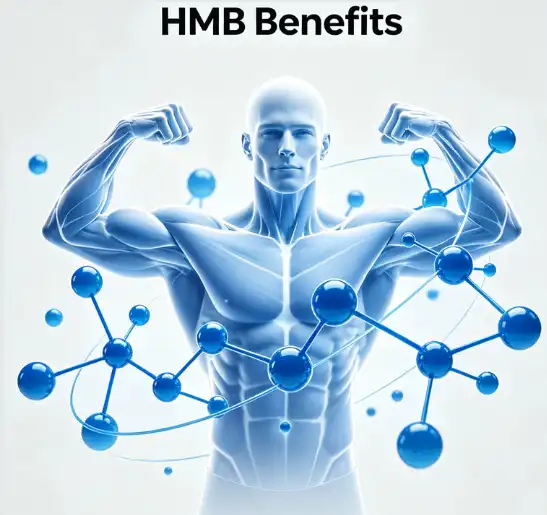
Partner with Gold Herb for Premium HMB Powder Supply
Gold Herb stands ready to support your sports nutrition formulation needs with pharmaceutical-grade beta-hydroxy-beta-methylbutyrate backed by comprehensive quality documentation. Our established global supply chain ensures consistent availability, while our technical team—drawing on industry-academia research partnerships—provides formulation guidance addressing your specific product development challenges. We maintain permanent US warehouse inventory, enabling 3-5 business day delivery, eliminating lengthy import delays that disrupt production schedules. Our FDA, ISO9001, HACCP, Halal, and Kosher certifications demonstrate commitment to meeting diverse regulatory requirements across international markets. Whether you need bulk HMB Powder for contract manufacturing or customized specifications supporting proprietary formulations, our procurement specialists deliver transparent pricing, flexible order quantities, and responsive communication. Contact our team at info@newgoldherb.com to discuss how our reliable HMB powder supply partnerships can strengthen your brand's competitive position and accelerate time-to-market for innovative sports nutrition products.
References
1. Wilson, J.M., et al. (2013). "International Society of Sports Nutrition Position Stand: Beta-hydroxy-beta-methylbutyrate (HMB)." Journal of the International Society of Sports Nutrition, 10(1), 6-15.
2. Nissen, S.L., and Sharp, R.L. (2003). "Effect of Dietary Supplements on Lean Mass and Strength Gains with Resistance Exercise: A Meta-Analysis." Journal of Applied Physiology, 94(2), 651-659.
3. Durkalec-Michalski, K., and Jeszka, J. (2016). "The Effect of Beta-Hydroxy-Beta-Methylbutyrate on Aerobic Capacity and Body Composition in Trained Athletes." Journal of Strength and Conditioning Research, 30(9), 2617-2626.
4. Wilkinson, D.J., et al. (2013). "Effects of Leucine and its Metabolite Beta-Hydroxy-Beta-Methylbutyrate on Human Skeletal Muscle Protein Metabolism." Journal of Physiology, 591(11), 2911-2923.
5. Portal, S., et al. (2011). "The Effect of HMB Supplementation on Body Composition, Fitness, Hormonal and Inflammatory Mediators in Elite Adolescent Volleyball Players." European Journal of Applied Physiology, 111(9), 2261-2269.
6. Zanchi, N.E., et al. (2011). "HMB Supplementation: Clinical and Athletic Performance-Related Effects and Mechanisms of Action." Amino Acids, 40(4), 1015-1025.

Send Inquiry
Related Industry Knowledge
- Curcumin Powder Benefits and Applications in Nutraceutical Products
- What Is Dihydromyricetin Powder? Dihydromyricetin (DHM) Explained
- Which is better, leucine or HMB?
- When to take 5-hydroxytryptophan?
- Where is phosphatidylserine (PS) synthesized?
- Ashwagandha vs Kava: Which Is Better for Relaxation?
- Why Ashwagandha Is Popular in Modern Wellness Supplements
- Urolithin A: The Next-Generation Mitochondrial Health Ingredient for Longevity
- Why Ergothioneine Is a Trending Ingredient in Longevity and Antioxidant Supplements
- OEM Phycocyanin Powder Solutions for Brand Owners