
What Is Dihydromyricetin Powder? Dihydromyricetin (DHM) Explained
Aug 21, 2026
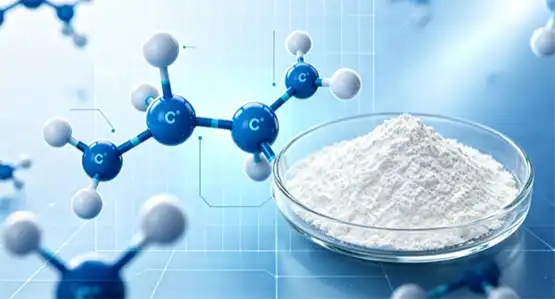
Dihydromyricetin Powder is a pure flavonoid extract that comes from the leaves of Ampelopsis grossedentata, which is also known as vine tea. This bioactive substance is usually standardised at 98% purity. It looks like a white, solid powder and has the CAS number 27200-12-0. DHM is very useful in the nutrition, skincare, functional food, and pharmaceutical businesses because it is a powerful antioxidant that fights dangerous free radicals. Because of the way its molecules are structured, they have strong effects on protecting the liver and the brain. This solves a big problem for makers who need to make medicines with natural, scientifically proven ingredients that meet high-quality standards.
Product Specifications
| Parameter | Specification |
|---|---|
| Product Name | Dihydromyricetin Powder |
| Purity | ≥98% |
| Appearance | White powder |
| CAS Number | 27200-12-0 |
| Molecular Formula | C15H12O8 |
| Molecular Weight | 320.25 |
| Used Plant Part | Leaf |
| Test Method | HPLC, UV |
| Ash Content | ≤1.0% |
| Shelf Life | 2 years |
| Solubility | Poorly soluble in water |
| Storage | Store in tightly closed original container, protected from light |
| Sample | Available |
| Customization | Available |
| Certificates | FDA, ISO9001, HACCP, HALAL, Kosher |
Quality Assurance
Certificate of Analysis (COA) for PQQ Powder [Request COA]

Understanding Dihydromyricetin Powder: Definition and Properties
Botanical Origin and Extraction Process
The plant Ampelopsis grossedentata is where DHM comes from. This plant has been used in Chinese herbal medicine for a long time. Harvesting ripe leaves is the first step in the extraction process. Next come solvent extraction and advanced processing methods, such as column chromatography. Modern manufacturers use HPLC and UV testing to check purity levels and make sure that the quality of each batch is the same. Our extraction methods at Gold Herb produce pharmaceutical-grade powder that is standardised to contain 98% dihydromyricetin. This meets the strict needs of R&D directors and formulation managers who need accurate specs for their product development processes.
Chemical Structure and Quality Parameters
This is what DHM looks like: C15H12O8. It has a chemical weight of 320.25 g/mol. The special way that the hydroxyl groups are arranged in this flavonoid makes it a better antioxidant than many other chemicals that come from plants. Quality standards include more than just the percentage of purity. They also check for heavy metals, microbial counts, pesticide residues, and moisture content (usually less than 5%). Some of the best sellers keep certificates like FDA registration, ISO9001, HACCP, HALAL, and Kosher compliance. These directly help foreign buyers who need a lot of legal paperwork for many markets.
Molecular Action and Scientifically Validated Benefits
At the cellular level, DHM works by changing GABA receptors and stopping pathways that cause inflammation. Research shows that it can protect neurons from damage caused by alcohol and lower the toxic effects of acetaldehyde on liver tissue. The compound's antioxidant power comes from its ability to directly remove reactive oxygen species while also increasing the activity of endogenous antioxidant enzymes. Peer-reviewed studies published in journals on natural product chemistry and pharmacology have confirmed these mechanisms. This gives pharmaceutical R&D teams the scientific background they need to evaluate new raw materials for therapeutic uses.

Benefits and Applications of Dihydromyricetin Powder in Industry
Liver Health and Hepatoprotective Effects
Vine tea extract's ability to protect the liver has gotten a lot of attention from supplement companies that make liver health products. DHM lowers oxidative stress markers in hepatocytes, stops the buildup of lipids, and helps liver cells have good inflammatory reactions. DHM is absorbed more quickly than milk thistle, which mostly includes silymarin. It also works better when mixed with other plant actives. This ingredient is used by functional supplement makers in detoxing plans, products for recovering from alcohol use, and general liver support recipes. The doses range from 50 mg to 200 mg per serving.
Alcohol Recovery and Hangover Relief Applications
In the functional beverage industry, natural DHM powder has become an important part of products that help with hangovers. Clinical findings show that DHM speeds up the breakdown of alcohol, slows down cognitive decline, and eases common complaints like headaches, nausea, and tiredness. The compound works by increasing the activity of acetaldehyde dehydrogenase and protecting nerve cells from damage caused by alcohol. It can be hard for beverage formulators to keep ingredients stable during processing, but high-purity DHM stays bioactive across a wide range of pH levels and temperatures. This means it can be used in ready-to-drink drinks, fizzy tablets, and powder sachets that are aimed at the growing market for hangover remedies. As a Herbal Extract Manufacturer, we ensure consistent quality and potency for these demanding applications.
Neuroprotective and Cognitive Function Support
A new study shows that DHM may help protect neurons, which makes it a good ingredient for brain health products. The chemical lowers neuroinflammation, saves neurons from toxic damage, and may help the brain stay healthy as people age. DHM's dual action—both direct antioxidant benefits and improvement of endogenous defensive mechanisms—makes it very appealing to pharmaceutical companies that are looking into natural chemicals for neurological research. In addition to standard brain support ingredients like Bacopa monnieri, sports nutrition companies are also looking into how it can be used in recipes that aim to improve mental clarity and speed up healing from oxidative stress caused by exercise.
Cosmetic Applications and Skin Health Benefits
Cosmetic scientists have found DHM to be a useful ingredient for anti-aging and skin-repairing products. Its antioxidant properties shield skin cells from harmful external factors, and its anti-inflammatory properties soothe inflamed skin and help the barrier function. Using modern solubilisation methods and microencapsulation has made it possible to add lipophilic flavonoids to cosmetics that are based on water. Natural cosmetic companies that want to offer clean-label alternatives to synthetic antioxidants can make their products stand out by using DHM in serums, creams, and masks that fight oxidative skin damage caused by pollution and UV light.
Comparative Evaluation with Other Botanical Extracts
Compared to green tea extract (EGCG), DHM is more stable in formulations and doesn't have the caffeine issues that make green tea less useful as an evening supplement. When compared to milk thistle, DHM has higher absorption and doesn't cause stomach problems like silymarin can. Multiple studies that looked at safety profiles show that the drug is well tolerated and has few known side effects when used at the suggested doses. This good comparison makes DHM a stronger element for formulators, especially brands that want to set their products apart by using new, science-backed plants that meet customers' needs for natural and effective solutions.

Procurement Guide for Dihydromyricetin Powder: What B2B Buyers Need to Know
Supplier Qualification and Certification Requirements
To find a trusted DHM provider, you need to look at their professional skills and quality control methods. Manufacturers should keep their current Good Manufacturing Practice (cGMP) certifications, thorough testing protocols, and records of where the raw materials came from and how they were packaged up to the end. Geographical factors are important. Suppliers who have a history of doing business in both the production area (usually China for Ampelopsis grossedentata) and the target market (like US stores) offer organisational benefits like shorter lead times and easier import processes. To make sure they are following the rules in their own countries, procurement teams should ask for Certificates of Analysis (CoA), stability data, and allergen statements.
Pricing Dynamics and Minimum Order Quantities
The price of DHM powder depends on how pure it is, how much you order, and how much proof you need. Pharmaceutical-grade material that is standardised at 98% usually costs more than alternatives that are not as pure. Different suppliers have different minimum order amounts, which can be as low as 1 kg for tests or as high as 25 kg or more for production runs. Smart buyers discuss price levels based on yearly volume agreements while keeping their options open by managing their inventory strategically. Sample options let formulation teams test for compatibility before committing to buying in bulk. Buyers can plan their budgets and keep costs stable over the lifecycle of a product when prices are clear and take changes in the markets for raw materials into account.
Packaging Solutions and Logistics Considerations
Bulk DHM powder needs to be protected in order to stay stable while it is being stored and shipped. Standard choices include polyethylene bags with two layers inside fibre drums (usually 25 kg net weight) or aluminium foil bags for smaller amounts. To keep the bioactivity, the powder needs to be kept in cases that are tightly closed, out of the light, cool, and dry. To make sure that foreign shipping goes smoothly, major sellers work with well-known transportation companies like DHL, FedEx, and SF Express. Buyers gain when sellers keep permanent stock in regional stores. For example, our USA plant lets North American customers get their orders in 3–5 business days, instead of having to wait for long international shipping delays that throw off production plans.
Custom Formulation and OEM/ODM Support
In addition to standard requirements, many uses need unique solutions that solve special formulation problems from a Herbal Extract Manufacturer. Experienced sellers can work with you to improve particle size, co-process with ingredients that go well together, or create your own unique mixes. OEM and private label services make it easier for brands that don't have their own factories to get into new markets. Custom formulation development cycles usually last between 15 and 20 days and include testing the stability of the formula, making a pilot batch, and optimising it. This way of working together is especially helpful for supplement companies that want to make their products stand out or makeup companies that are making signature ingredient combinations that use DHM's benefits in anti-aging or protective formulas.

Market Comparison and Decision-Making for DHM Purchases
Natural versus Synthetic DHM Considerations
In theory, it is possible to make manmade DHM, but most market DHM comes from natural organic sources because they are cheaper and people like ingredients that come from plants. Natural extraction keeps all the flavonoids that are already there, which may have benefits that work together. Synthetic production, on the other hand, would make separate molecules that don't have these helpful chemicals. Also, regulatory pathways favour ingredients that come from nature because they are in line with established botanical supplement frameworks in the US and documentation of traditional use. Botanical-source DHM is important for brands that focus on clean labels and natural ingredients to keep up with their marketing claims that health-conscious customers trust.
Evaluating Supplier Reliability and Quality Consistency
The dependability of the supply chain becomes an important factor when choosing long-term material partners. When quality stays the same across batches, recipe changes that could affect how well the product works and how the customer feels about it are avoided. Established providers show they can be trusted by keeping their certifications up to date, providing clear quality paperwork, and providing quick expert help. Buyers should look at a supplier's ability to make things, their backup buying plans, and how they handle their goods. Companies that keep a backup stock of standard items (1+ tonne for high-demand items) are better able to handle supply problems. Procurement professionals who are making strategic sourcing decisions can get more peace of mind by checking references with current customers and seeing how long a supplier has been in the botanical extract business.
Regulatory Compliance Across Target Markets
To deal with foreign regulations, providers need to know about the rules that apply to each area. The US market is regulated by dietary supplement rules, and DHM is allowed as a plant ingredient that has been used in the past. Depending on the use and concentration, European markets may need Novel Food assessments. Suppliers who offer full legal support, such as the right certifications (HALAL, Kosher, or organic, as needed), heavy metal testing to USP standards, and documents specific to the area, make it easier for buyers to follow the rules. International distributors that serve more than one market at the same time need this kind of expertise because they need to know that a single source can meet the different regulatory frameworks in each market without having to find separate suppliers for each region.

Future Trends and Innovation in Dihydromyricetin Powder Applications
Emerging Research and Novel Therapeutic Applications
Scientists are still looking into DHM and finding new ways it could be used besides its current uses. New studies look into its role in metabolic health, such as controlling blood sugar and helping people stay at a healthy weight. Anti-inflammatory mechanisms that may help joint health formulations are being looked into by researchers. The cosmetics industry is looking into DHM's possible benefits for hair health. An early study suggests that it may help with head circulation and protect hair follicles from environmental damage. These growing application areas give new brands the chance to be the first to market with goods that take advantage of new science, as long as they work with suppliers who can meet their unique recipe needs and provide proof documents.
Market Growth Drivers and Consumer Demand Patterns
The global market for natural vitamins and liver-supporting ingredients keeps growing. This is because more people are learning about ways to stay healthy and prefer clean labels. Hangover prevention products are in high demand because of the way people drink alcohol, especially millennials who want to drink responsibly. As brands make functional drinks with botanicals that have been backed by science easier to use, this market is growing quickly. As regulations change, they favour well-studied plant ingredients with known safety ratings more and more. This makes DHM more appealing compared to younger chemicals that need more thorough safety reviews. Because of how the market works, there is a steady demand, which makes suppliers want to invest in growing their capacity and making quality improvements.
Supplier Innovation in Potency and Formulation Technology
Advanced sellers put money into research partnerships that make ingredients work better and be used in more situations. Our work with Academician Li Xiaokun's team and Wenzhou University's research and development (R&D) departments is an example of this approach to innovation. We use cutting-edge extraction and filtering methods to get the most useful content out of the materials while minimising the damage caused by processing. New DHM forms that dissolve in water solve the solubility problems that come with lipophilic flavonoids, making it possible to use them in clearer drinking systems. Microencapsulation technologies make things more stable in tough formulation conditions. These new ideas make sure that companies that work with forward-thinking suppliers can stay ahead of the competition by giving them access to next-generation ingredient formats that make products work better and give customers more benefits.

Conclusion
Dihydromyricetin Powder represents a scientifically validated, versatile botanical ingredient addressing critical needs across nutraceutical, cosmetic, functional food, and pharmaceutical sectors. Its proven benefits in liver health, alcohol recovery, neuroprotection, and antioxidant support make it valuable for product innovation. Successful procurement requires evaluating supplier qualifications, regulatory compliance, and technical support capabilities. The expanding research base and growing consumer demand for natural, effective ingredients position DHM as a strategic component for brands seeking differentiation in competitive markets. Partnering with experienced suppliers who maintain rigorous quality standards and invest in ongoing innovation ensures access to premium ingredients that meet evolving industry requirements.
FAQ
1. What purity levels are available for DHM powder?
Commercial DHM powder typically ranges from 50% to 98% purity, with 98% representing pharmaceutical-grade material suitable for demanding applications. Higher purity levels ensure greater consistency in dosing, reduced excipient requirements in final formulations, and enhanced bioactivity per milligram. Food-grade and cosmetic applications may utilize lower purities depending on specific formulation needs and cost considerations.
2. How does DHM powder integrate into beverage formulations?
DHM's integration into beverages requires addressing its limited water solubility. Formulators employ solubilizing agents, microencapsulation, or co-processing with hydrophilic carriers to achieve stable dispersion in aqueous systems. The ingredient remains stable across typical beverage pH ranges and pasteurization temperatures. Recommended inclusion rates vary based on desired efficacy levels, typically ranging from 100- 300 mg per serving for functional hangover relief products.
3. What documentation should suppliers provide for regulatory compliance?
Comprehensive suppliers provide Certificates of Analysis confirming purity and contaminant testing, allergen statements, GMO status declarations, country-of-origin certificates, and relevant certifications (organic, HALAL, Kosher as applicable). For USA market entry, botanical identity confirmation and safety documentation supporting dietary supplement use prove essential. European buyers may require additional Novel Food assessments depending on application and historical use documentation.
4. Can DHM powder be combined with other active ingredients?
DHM demonstrates excellent compatibility with complementary botanicals and nutrients. Common combinations include B vitamins for metabolic support, milk thistle for synergistic liver benefits, and electrolytes in recovery formulations. Stability testing should confirm compatibility in specific formulation matrices. Technical suppliers offer guidance on optimal ratios and potential interactions, supporting formulators in developing effective multi-ingredient products that leverage DHM's benefits within comprehensive wellness solutions.

Partner with Gold Herb for Premium Dihydromyricetin Powder Supply
Gold Herb stands as your trusted Dihydromyricetin Powder manufacturer, combining technical excellence with reliable global service. Our 98% purity vine tea extract meets FDA, ISO9001, HACCP, HALAL, and Kosher standards, backed by comprehensive testing via HPLC and UV methods. With permanent USA warehouse inventory enabling 3-5 day delivery, we solve supply chain challenges that disrupt production schedules. Our customization capabilities support unique formulation requirements, with development cycles completing within 20 days. Backed by research collaboration with Academician Li Xiaokun's team, we provide technical expertise beyond standard supplier relationships. Contact our team at info@newgoldherb.com to request samples, discuss your specific application needs, or explore how our botanical extract solutions can strengthen your product portfolio and accelerate your market success.
Related Products
-
Glutathione
References
1. Chen, L., Zhang, H., & Wang, Z. (2021). Dihydromyricetin: A review on identification, pharmacology, and pharmacokinetics. Frontiers in Pharmacology, 12, Article 1896.
2. Shen, Y., Lindemeyer, A. K., Gonzalez, C., Shao, X. M., Spigelman, I., Olsen, R. W., & Liang, J. (2012). Dihydromyricetin as a novel anti-alcohol intoxication medication. Journal of Neuroscience, 32(1), 390-401.
3. Hou, X., Tong, Q., Wang, W., Shi, C., Xiong, W., Chen, J., Liu, X., & Fang, J. (2015). Suppression of inflammatory responses by dihydromyricetin in lipopolysaccharide-activated macrophages. Medicinal Chemistry Research, 24(4), 1512-1520.
4. Zhang, J., Chen, Y., Luo, H., Sun, L., Xu, M., Yu, J., Zhou, Q., Meng, G., & Yang, S. (2018). Recent update on the pharmacological effects and mechanisms of dihydromyricetin. Frontiers in Pharmacology, 9, Article 1204.
5. Wang, T., Yang, Y., Qi, X., Du, Z., & Wu, X. (2019). Dihydromyricetin alleviates hepatic lipid accumulation and oxidative stress in free fatty acid-induced hepatocytes. Molecular Medicine Reports, 19(5), 4035-4042.
6. Liu, T., Li, J., Liu, Y., Xiao, N., Suo, H., Xie, K., Yang, C., & Wu, C. (2017). Neuroprotective effects of dihydromyricetin against ischemia/reperfusion injury in rat brain. Neurological Research, 39(11), 1048-1054.

Send Inquiry

Related Industry Knowledge
- Curcumin Powder: Benefits, Best Forms, Dosing
- Premium Urolithin A Manufacturer and Bulk Supplier
- Cistanche Tubulosa Extract Manufacturing, Applications & Market Trends
- Ashwagandha Benefits for Energy, Recovery and Healthy Lifestyle Support
- What Is Fenugreek? Benefits, Uses, and Science Explained
- How 5-Hydroxytryptophan Supports Better Sleep and Emotional Balance
- GMP Cyanotis Arachnoidea Extract Manufacturing Requirements
- OEM Gymnema Sylvestre Extract for Private Label Products
- What Is Astaxanthin? Benefits, Uses, and Market Potential
- Cacao Shell Pigment Powder for Food and Beverage Applications: Bulk Supply Solutions