
MCT Oil: The Science Behind Its 7 Biggest Health Claims
Mar 23, 2026
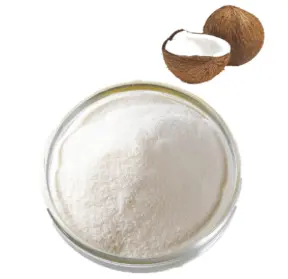
Medium-chain triglycerides (MCTs) are a new and exciting ingredient in the health and fitness business. Multiple therapeutic effects have been proven by scientific study. Out of all the different kinds of MCT that are out there, coconut MCT oil powder is the best one for makers and product creators. This microencapsulated powder form has all the health benefits of liquid MCT oil, plus it is more stable, works better with more formulations, and stays fresh longer. This makes it a great choice for supplement brands, functional food companies, and nutraceutical companies that want to cash in on the growing MCT market.
Understanding MCT Oil Powder and Its Health Benefits
Medium-chain triglycerides taken only from coconut oil are microencapsulated within carrier matrices like acacia gum or sodium caseinate to make coconut MCT oil powder, a complex functional lipid solution produced through advanced spray-drying technology. MCTs don't go through the lymphatic system like other long-chain fats do. Instead, they go straight to the liver, where they are quickly turned into ketogenic energy.
Enhanced Cognitive Function and Mental Clarity
Study after study shows that eating MCTs makes it easier to think and remember things. Clinical studies show that MCTs can cross the blood-brain barrier and give brain cells an alternative energy source. This is especially helpful for people whose glucose metabolism is slowing down. Ketones are a good fuel for the brain that are made when MCTs are broken down. They help with memory formation, attention, and general mental clarity. Supplementing with MCT has been shown to improve cognitive performance in both healthy adults and older adults who are suffering age-related cognitive decline.
Weight Management Through Metabolic Enhancement
MCTs have special burning qualities that help people who are trying to lose weight. Medium-chain triglycerides are different from other fats in that they make you burn more calories and fat. According to research, eating MCTs makes you feel fuller, which means you eat fewer calories throughout the day. MCTs quickly turn into ketones, which helps control hunger hormones. This makes them useful for formulas that aim to lose weight and improve digestive health.
Exercise Performance and Energy Optimization
Taking MCT supplements can help your athletic performance because they provide quick energy and lower the buildup of lactate during exercise. Studies show that eating a modest amount of MCT before exercise lowers the amount of lactate that builds up in the blood during moderate-intensity exercise and increases the length of time that high-intensity exercise lasts. Because MCT powder blends help the metabolism, sports nutrition companies that make pre-workout supplements and endurance goods are very interested in them.

How to Use Coconut MCT Oil Powder Effectively in B2B Settings
There are many industrial uses for coconut MCT oil powder, and each one needs a different recipe to get the best results and keep the product stable. The powder form gets rid of the usual problems that come with working with liquid oils, but the bioactive qualities that make MCTs useful are still there.
Nutraceutical and Supplement Applications
When it comes to making supplements, MCT oil powder works perfectly with protein powders, capsules, and meal replacements. The suggested amount varies from 5 to 15 grams per meal, based on the health benefit desired and the person's tolerance. Formulation teams like how stable the powder is during high-shear mixing and how well it works with other useful ingredients like minerals, vitamins, and plant extracts.
Functional Food and Beverage Integration
MCT oil powder is used by beverage companies to make ready-to-drink health drinks, protein shakes, and creamers for ketogenic coffee. The powder doesn't become unstable in acidic settings (pH 4.5–6.0), and it has a smooth mouthfeel without the oily separation that happens with liquid MCTs. The powder's ability to bind water and fat helps bakeries keep the texture of their goods while adding useful nutrition benefits.
Pharmaceutical and Medical Food Applications
Pharmaceutical-grade MCT powder that meets strict quality standards is needed to make medical foods. These apps are usually made for people who have problems absorbing fat or brain diseases that need ketogenic support. When compared to liquid forms, powder ensures uniform doses and better patient compliance.

Comparing Coconut MCT Oil Powder with Other Products
When comparing coconut MCT oil powder to other functional ingredients and different MCT forms, market research shows that it has big benefits. Knowing these differences helps buying teams make smart decisions about where to get things.
Powder vs. Liquid MCT Oil Comparison
Liquid MCT oils are hard to work with because they change easily with temperature, are hard to package, and can't be made in all the ways that are needed for dry blend uses. These worries are gone with the powder form, which gives the same absorption. Testing for oxidative stability shows that powders stay active for a lot longer than liquids, especially when stored at room temperature.
Coconut vs. Palm-Derived MCT Sources
MCTs from coconut usually have better fatty acid profiles, with higher amounts of caprylic (C8) and capric (C10) acids, which are the most biologically active medium-chain triglycerides. Sustainability measures support coconut sources, which is in line with what consumers want: ingredients that are good for the environment. Coconut-based goods often have better supply chain tracking, which supports clean-label efforts.
Competitive Analysis Against Alternative Functional Fats
Compared to other useful ingredients like collagen peptides, whey protein, or coconut flour, MCT oil powder has its own biological benefits. MCTs are different from other energy sources because they produce ketones quickly. They also have a neutral taste, which gives you more recipe options than many plant-based choices.
Procurement Guide for Coconut MCT Oil Powder in Global B2B Markets
For buying plans to work, suppliers' skills, quality certifications, and the stability of the supply chain must all be carefully looked at. There are a lot of choices in the global MCT market, but it's important to tell the difference between cheap sellers and high-quality makers to keep product quality high and follow all the rules.
Quality Certification and Testing Standards
Top providers keep a full list of certifications, such as FDA, ISO9001, HACCP, HALAL, and Kosher approvals. In addition to heavy metal screening, microbiological testing, and residue solvent analysis, testing techniques should include HPLC and UV analysis methods to check the MCT content (which is usually between 50 and 80% concentration). Documentation of batch-to-batch uniformity adds to the quality guarantee.
Supplier Evaluation Criteria
Reliable providers show their technical know-how by helping with customized formulations and giving customers a choice of carrier options and particle size specs. Production capacity should match projected demand, and transportation choices include storage that keeps things at the right temperature and fast shipping. Suppliers that have been around for a while keep safety stock levels to avoid supply problems.
Cost Optimization Strategies
Comparing prices from different sellers helps you figure out where you stand in the market, but you should also think about the total cost of ownership, which is more than just unit prices. Overall procurement value is affected by things like freight prices, minimum order amounts, payment terms, and the consistency of quality. When there are supply problems, long-term business deals often lead to more stable prices and better distribution of resources.

Making the Right Decision: Why Choose Coconut MCT Oil Powder for Your Business?
As customer demand for ketogenic and clean-label goods keeps growing, the market is strongly favoring coconut MCT oil powder. Analysts predict that the functional food and nutrition industries will continue to grow. This is because more people are becoming health aware, and scientists have proven that MCT has health benefits.
Market Positioning and Consumer Trends
The ketogenic diet trend has made health-conscious customers more aware of MCTs, which has opened up new markets for a number of different types of products. Clean-label trends prefer chemicals that come from natural sources, like MCTs that come from coconut, over synthetic ones. Premium positioning tactics use the scientific support and health benefits that MCT oil powder offers.
Risk Mitigation and Supply Chain Security
Choosing providers that have been around for a while and have a good track record lowers the risks of buying and ensures that products are always available. Quality sellers keep in touch with more than one source of raw materials, which protects the supply chain in case the market goes down. Full paperwork and help from regulators make it easier to start products and grow markets.
Conclusion
The health benefits of MCT oil are strongly backed up by science. For business-to-business uses, coconut MCT oil powder is the most useful form. Product makers can use the seven main benefits—improving cognitive function, managing weight, improving exercise performance, therapeutic possibilities, and general health support—to make their products more appealing. The powder form solves important production problems while keeping the bioactive strength, which makes it the best choice for use in functional foods and nutraceuticals.
FAQ
1. What makes coconut MCT oil powder suitable for ketogenic formulations?
Coconut MCT oil powder is mostly made up of C8 and C10 fatty acids, which quickly turn into ketones and give you energy right away without changing your blood sugar levels. The powder form ensures constant doses and gets rid of the stomach issues that can happen with liquid MCT oils.
2. How does the MCT fatty acid profile vary among different suppliers?
A good provider will give you a full fatty acid study that shows the C8:C10 ratios, typically ranging from 60:40 to 70:30. Higher levels of C8 usually mean that ketone bodies are formed faster, while C10 means that energy is released slowly over time. Controlled fractionation methods help reputable makers keep profiles uniform.
3. What certifications are essential for pharmaceutical-grade MCT oil powder?
For pharmaceutical uses, you need GMP approval, USP-grade purity standards, and full testing for microbiological toxins, heavy metals, and solvents that are still present. Depending on the market and government rules, you may need to get extra approvals like organic, non-GMO, and allergen-free status.

Partner with Gold Herb for Premium Coconut MCT Oil Powder Solutions
Gold Herb is ready to help you with your product creation projects with our premium coconut MCT oil powder, which has a 50–80% MCT concentration and has been tested using HPLC and UV methods to prove it. Our wide range of certifications, which includes FDA, ISO9001, HACCP, HALAL, and Kosher approvals, ensures that we follow all the rules in all global markets. We have been making specialized plant extracts for more than three years and have relationships with more than 200 customers in 30 countries. We provide steady quality and dependable supply chain support. Our technical team can help you make formulations that are exactly what you need, and our U.S. warehouses make it possible for fast delivery within 3–5 business days. Gold Herb is a reliable source for coconut MCT oil powder for both current formulas and new product development. They combine technical know-how with excellent supply chain management. Get in touch with our team at doris@newgoldherb.com to talk about your needs and find out how our services can help your product line.
References
1. Henderson, S. T., Vogel, J. L., Barr, L. J., Garvin, F., Jones, J. J., & Costantini, L. C. (2009). Study of the ketogenic agent AC-1202 in mild to moderate Alzheimer's disease: a randomized, double-blind, placebo-controlled, multicenter trial. Nutrition & Metabolism, 6(1), 31.
2. Mumme, K., & Stonehouse, W. (2015). Effects of medium-chain triglycerides on weight loss and body composition: a meta-analysis of randomized controlled trials. Journal of the Academy of Nutrition and Dietetics, 115(2), 249-263.
3. Nosaka, N., Suzuki, Y., Nagatoishi, A., Kasai, M., Wu, J., & Taguchi, M. (2009). Effect of ingestion of medium-chain triacylglycerols on moderate- and high-intensity exercise in recreational athletes. Journal of Nutritional Science and Vitaminology, 55(2), 120-125.
4. Rial, S. A., Karelis, A. D., Bergeron, K. F., & Mounier, C. (2016). Gut microbiota and metabolic health: the potential beneficial effects of a medium-chain triglyceride diet in obese individuals. Nutrients, 8(5), 281.
5. Augustin, K., Khabbush, A., Williams, S., Eaton, S., Orford, M., Cross, J. H., ... & Williams, R. S. (2018). Mechanisms of action for the medium-chain triglyceride ketogenic diet in neurological and metabolic disorders. The Lancet Neurology, 17(1), 84-93.
6. St-Onge, M. P., & Jones, P. J. (2002). Physiological effects of medium-chain triglycerides: potential agents in the prevention of obesity. The Journal of Nutrition, 132(3), 329-332.

Send Inquiry
Related Industry Knowledge
- Cyanotis Arachnoidea Extract for Ecdysterone Supplement Development
- What Does Astaxanthin Do for Your Body?
- Fisetin for Anti-Aging: Senolytic Power Explained for B2B Buyers
- Where to Buy Natural Gardenia Blue Color Powder?
- What is senna leaf extract?
- Fisetin: A Powerful Senolytic for Anti-Aging and Brain Health
- How to Use MCT Oil Powder for Weight Loss
- OEM Cyanotis Arachnoidea Extract Solutions for Performance Brands
- Best Fisetin Powder for Senolytic Research in 2026
- How Resveratrol Powder Is Used in Anti-Aging R&D