
Milk thistle extract: Benefits, Best Forms, Dosing
May 28, 2026
Milk thistle has earned its reputation as one of nature's most effective liver-supporting botanicals, and when standardized to milk thistle extract 80 silymarin, it delivers a concentrated dose of flavonolignans known for hepatoprotective and antioxidant properties. Derived from Silybum marianum seeds, this extract contains a minimum 80% silymarin complex—including silybin, silychristin, and silydianin—measured via UV spectrophotometry to ensure consistency and potency. Whether you're formulating nutraceuticals, functional foods, or cosmeceuticals, understanding the benefits, optimal forms, and dosing of this powerful ingredient is essential for creating products that meet both efficacy expectations and regulatory standards.

Understanding Milk Thistle Extract 80 Silymarin
Milk thistle juice is one of the best plant ingredients for liver health, and for good reason. This extract, which is guaranteed to have milk thistle extract 80 silymarin, is an advanced botanical preparation that goes through strict extraction steps to separate and concentrate the active chemicals that give it its health benefits.
What Makes Silymarin 80% Special
There are several flavonolignans in the silymarin complex, but silybin is the most physically active one. High-quality extracts usually have 30 to 50 percent silybin in them, which is directly related to their healing ability. Standardization to 80% makes sure that each batch is the same, which is very important for R&D directors and recipe managers who are making goods that need to work in a certain way. This uniformity gets rid of the differences that can be found in raw herb powders and makes the active ingredients measurable, which backs up claims of effectiveness.
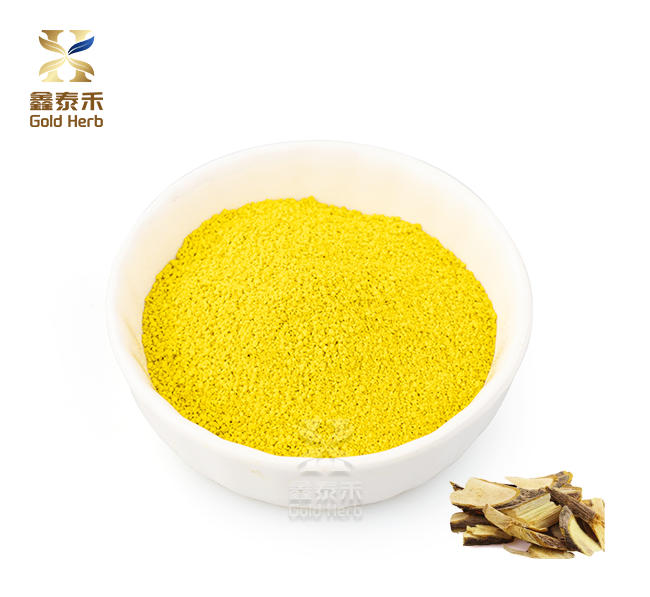
The way the oil is extracted has a big effect on both the quality and safety ratings. Ethanol-based extraction is now the most popular way to make dietary supplements because it fits with the move toward clean labels and lowers worries about solvents that might be left behind. Some companies still use acetone extraction, which can produce higher amounts of silybin but needs very careful quality control to make sure that leftover levels are safe. Standardized silymarin extract is usually a fine, light yellow to brownish-yellow powder that has a bitter taste and is kept in containers with tight lids out of the light to keep it stable.
Core Mechanisms and Health Benefits
The liver-protecting benefits of silymarin work through several biological processes. The chemical stabilizes membranes and stops toxins from getting into liver cells. At the same time, it boosts protein production to help liver tissue grow back. It is a powerful antioxidant that fights free radicals that damage cells. This makes it useful for protecting cells in general and the liver in particular.
Research shows that silymarin helps the body get rid of poisons. This makes it especially useful for people who are exposed to environmental toxins, alcohol, or drug chemicals that make liver function harder. In addition to protecting the liver, new studies show that it may also be good for heart health by controlling lipids and having anti-inflammatory effects that may help the immune system work better. There is even some evidence that it may help control blood sugar, which means it can be used in more types of functional supplements.
Comparing Milk Thistle Extract 80 Silymarin with Alternatives
To pick the correct milk thistle extract 80 silymarin standard, you need to know how different forms and amounts affect the performance of the formulation and the effectiveness of the finished product.
Concentration Differences: 80% vs. 70% Silymarin
It may not seem like a big deal, but the difference between standardizing silymarin at 80% and 70% might have a big effect on how much to use and where to put the product. Because higher strength extracts allow for smaller serving amounts, more people will take them, and fewer capsules will be needed per dose. When it comes to buying, the price difference between 70% and 80% extracts often makes the investment worth it when you think about how much better the recipe is and how much better the marketing is for a stronger product.
The testing method is an important technical thing to think about. Most commercial products that say they contain 80% silymarin use UV spectrophotometry to find out how much of the total phenolic chemicals they contain. When you use HPLC to sort different isomers, you usually get numbers that are closer to 50–60% for the same material. To make sure that comparisons between sellers are correct, people who work in procurement should always check the analytical method used in Certificates of Analysis.
Comparison with Other Botanical Liver Supports
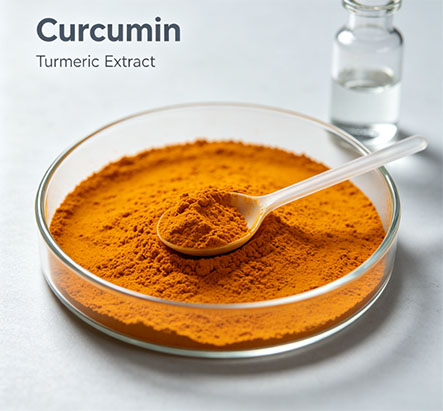
Turmeric (curcumin) and artichoke extract can also help the liver work better, but milk thistle has its own special benefits. Curcumin is great at reducing inflammation, and silymarin's ability to directly stabilize membranes and stop toxins works well with it. A lot of formulators put these ingredients together because they work better together to make the product stand out and provide more healing benefits.
Artichoke extract helps the liver make bile and digest food, which makes it great for liver-digestive products that work on the whole. Milk thistle, on the other hand, protects cells and helps them grow back. Knowing these differences in how things work helps product makers place their products carefully in markets that are already competitive.
Form Considerations: Powder vs. Capsule vs. Water-Soluble Grades
Standard milk thistle extract doesn't mix well with water because it is lipophilic, which means it can't be used in drinks or liquid supplements. This isn't a problem for powder-based vitamins and pills, but companies that make functional drinks need water-soluble grades that have been changed physically or chemically to stop them from settling to the bottom.
Powder forms are the most customizable and cost-effective way to buy in bulk, especially for private name brands and contract makers. Capsule-ready granulations may have extra ingredients in them to help them flow better and pack down more tightly. Which of these kinds to use rests on the format of the final product, what customers want, and how well the product can be made.

Optimal Dosing and Usage Guidelines
By setting up the right dose guidelines, you can make sure that the drug is safe and effective, and you can also help different markets follow the rules.
Typical Dosage Ranges for Different Applications
Clinical study shows that doses of 200 to 420 mg of silymarin per day, spread out over two or three treatments, are most helpful for general liver support. This is equal to about 250 to 525 mg of total extract per day when using milk thistle extract 80 silymarin. The higher end of this dose range is often used in sports nutrition products that help with detoxification, while smaller amounts may be used in upkeep health products along with antioxidants.
Managers of formulas have to think about how to serve people and make sure they follow the rules. Single-capsule dosing works better, but it needs extracts with higher concentrations or capsules that are bigger. Multi-capsule systems give you more options, but they might make customers less happy.
Safety Considerations and Special Populations
In clinical tests, milk thistle is very safe. The only side effects that have been reported are mild stomach pain in sensitive people. Product designers should note that milk thistle is not a good choice for people who are allergic to ragweed because it is in the same family as those plants and can cause allergic reactions in some people.
For women who are pregnant or breastfeeding, there isn't enough clinical data to prove safety, so it's best to stick to safe labeling guidelines. Quality providers give detailed information about these things, which helps with making labels that are legal.
Enhancing Bioavailability Through Formulation Strategies
Due to its lipophilic features, silymarin can be made more bioavailable by using certain preparation methods. When given with healthy fats, intake is improved, which is why suggesting meal times is a useful way to teach people. New technologies like liposomal delivery systems and phosphatidylcholine complexes (like silymarin phytosome) show much higher bioavailability. This means that smaller amounts are needed to get the same results for consumers.
Product makers who are making high-end recipes might look at these advanced delivery systems as a way to support higher prices and stronger claims of effectiveness, especially in markets where competition is high, and buyers choose products based on how they differ from others.
Procurement Insights for Milk Thistle Extract 80 Silymarin
To get reliable, high-quality milk thistle extract 80 silymarin, you need to carefully evaluate your suppliers and set up strong quality control methods.
Supplier Evaluation and Certification Requirements
Quality approvals are the basis for trusting a seller. Look for companies that are registered with the FDA, have ISO9001 quality management certification, follow HACCP food safety rules, and, if they want to sell to certain groups, have Halal and Kosher certificates. These qualifications show that they have a method for quality control and follow the rules, which lowers the risk in your supply chain.
Check the technical skills of providers, not just their certificates. Do they offer testing by a third party through separate labs? Can they give you Certificates of Analysis that are special to each batch and show the amount of silymarin, heavy metals, microbes, and herbicide residues that were found? When suppliers spend money on detailed quality paperwork, it shows that they are reliable and honest.
Bulk Purchasing Strategies and Pricing Optimization
The price of milk thistle extract depends on how much silymarin is in it, how it is tested, what liquid is used for extraction, and how much is ordered. Most of the time, buying in bulk gets you a deal, but procurement teams have to weigh the price benefits against the costs of keeping supplies. Suppliers who keep standard specs in stock all the time can fill orders faster, and some even offer 24-hour shipping for orders over a ton.
Production lead times are usually between 7 and 15 business days for special orders that need specific silybin ratios or particle sizes. Orders that are emergencies can get faster handling, but it generally costs more.
Quality Verification and Authentication Protocols
Botanical extract markets are always at risk of being tampered with. To keep costs down, low-cost providers may mix lower-concentration material with fillers or use fake dyes to make the yellow color look like the real thing. Verification using Thin Layer Chromatography (TLC) or High-Performance TLC (HPTLC) fingerprinting and comparing them to plant reference standards proves identity and finds fakes.
Reliable sellers will give you this paperwork on request and welcome checks by a third party. Building relationships with sellers who are open about where their materials come from, how they're extracted, and how they test for quality protects your brand's image and makes sure that your products always work well.

Leveraging Milk Thistle Extract 80 Silymarin in Your Product Line
Adding high-quality milk thistle extract 80 silymarin to a product can help it stand out and get a better place in the market.
Application Opportunities Across Product Categories
Nutraceutical brands gain from silymarin's well-known reputation and the large amount of clinical studies that back up claims that it is good for liver health. Putting goods in front of people who are worried about drinking too much, being exposed to toxins in the environment, or liver stress caused by drugs takes advantage of people's growing knowledge of health issues. Companies that make sports nutrition are adding more and more liver-supporting ingredients to detox and recovery products because they know that healthy metabolism is key to good athletic performance.
The anti-inflammatory and antioxidant qualities of silymarin are used in cosmetics to protect the skin and slow down the aging process. Manufacturers of functional foods and drinks can make liver-health shots, enhanced teas, and wellness drinks that are in line with clean-label trends by using water-soluble grades.
Market Trends Driving Silymarin Demand
As people have learned more about digestive health, alcohol-related problems, and environmental toxins, their interest in natural liver support has grown. The market for liver-health supplements in dietary supplements around the world is growing quickly. Formulations based on silymarin are at the top of the list because they have been proven to work by a lot of studies.
Clean label tastes drive demand for solvent-free, ethanol-extracted Milk thistle extract 80 silymarin grades, while organic certifications add value for brands that want to reach health-conscious customers who are willing to pay more for natural products that have been checked out. Product makers who make sure their formulas follow these trends have an edge in markets where competition is high.
Building Product Differentiation Through Premium Sourcing
Finding high-quality silymarin extract from providers who offer full paperwork, consistent batch quality, and expert support will help your goods stand out in a crowded market. Labels that list standardization rates, testing methods, and licenses help consumers trust the product and back up strategies for charging higher prices.
Real-life case studies show that brands that invest in better raw materials get a better response from the market, get fewer complaints about quality, and keep more customers. In the end, they get a better return on their investment, even though the ingredients cost a little more.

Conclusion
Milk thistle extract 80 silymarin is a plant ingredient that has been scientifically proven to work and can be sold in stores. It meets the growing demand from customers for natural liver support and antioxidant protection. Product makers can make effective, unique nutraceutical, cosmeceutical, and functional food products by understanding the technical specs, ideal dosing methods, and formulation factors. Strategically choosing suppliers and focusing on quality standards and thorough testing helps protect the brand's image and makes sure that products always work well. As the market continues to favor clean-label, naturally-sourced products backed by clinical research, adding expensive silymarin extract gives brands a way to grow and stay ahead of the competition.
FAQ
Q1: What is the difference between UV 80% and HPLC testing methods?
Total phenolic chemicals are measured by UV spectrophotometry, which usually shows that commercial products have an 80% silymarin content. HPLC is better at telling the difference between certain isomers, so readings for the same material are usually closer to 50–60%. When comparing sources, always check the Certificates of Analysis to see which testing method is listed. This has a big effect on the real potency.
Q2: Can milk thistle extract be used during pregnancy?
There isn't enough clinical data to say for sure that it is safe during pregnancy and breastfeeding. Labels for conservative products should say that people should talk to their doctors before using them during these times. Quality providers offer thorough safety information to help with the creation of labels that meet the requirements for controlled markets.
Q3: How do I verify authentic Silybum marianum extract?
Ask for HPTLC fingerprinting to be compared to botanical reference standards. This will prove the identity of the plant material and find any signs of adulteration. Third-party Certificates of Analysis that show tests for heavy metals, microbial limits, and herbicide residues are another way to prove the quality. When suppliers agree to independent checks, it shows that they are honest and trustworthy.
Q4: What is the shelf life of silymarin extract powder?
Standardized milk thistle extract stays stable for 36 months if it is kept in the right way, in cases with tight lids and away from light and moisture. When stored correctly, flavonolignans don't oxidize, and their strength stays the same over the course of the shelf life.
Partner with Gold Herb for Premium Milk Thistle Extract 80 Silymarin
Gold Herb has pharmaceutical-grade milk thistle extract that is ready to help you with your manufacturing needs. This extract is backed by several certifications, such as FDA, ISO9001, HACCP, Halal, and Kosher. Our normal 80% silymarin extract goes through strict UV and TLC tests to make sure it always has the same high quality that meets world standards. We keep more than a ton of stock ready to ship right away. We also offer customization services, and production takes 7–15 business days. Our partnerships with top research institutions give us access to cutting-edge anti-aging technologies and networks for sourcing high-quality raw materials around the world. With permanent stock in our U.S. warehouses that allows shipping in 3–5 days and full technical help from our team of experts, we offer reliability that makes your supply chain stronger. Contact info@newgoldherb.com today to get your free sample and find out why over 200 customers in 30+ countries trust Gold Herb as their source for milk thistle extract 80 silymarin.
References
1. Abenavoli, L., Capasso, R., Milic, N., & Capasso, F. (2010). Milk thistle in liver diseases: past, present, future. Phytotherapy Research, 24(10), 1423-1432.
2. Flora, K., Hahn, M., Rosen, H., & Benner, K. (1998). Milk thistle (Silybum marianum) for the therapy of liver disease. American Journal of Gastroenterology, 93(2), 139-143.
3. Polyak, S. J., Morishima, C., Lohmann, V., Pal, S., Lee, D. Y., Liu, Y., ... & Ferenci, P. (2010). Identification of hepatoprotective flavonolignans from silymarin. Proceedings of the National Academy of Sciences, 107(13), 5995-5999.
4. Pradhan, S. C., & Girish, C. (2006). Hepatoprotective herbal drug, silymarin from experimental pharmacology to clinical medicine. Indian Journal of Medical Research, 124(5), 491-504.
5. Wellington, K., & Jarvis, B. (2001). Silymarin: a review of its clinical properties in the management of hepatic disorders. BioDrugs, 15(7), 465-489.
6. Zhao, J., & Agarwal, R. (1999). Tissue distribution of silibinin, the major active constituent of silymarin, in mice and its association with enhancement of phase II enzymes. Carcinogenesis, 20(11), 2101-2108.

Send Inquiry
Related Industry Knowledge
- Kava Extract Powder: Uses in Supplements, Sleep & Mood Support
- Silymarin Benefits: Liver Support, Detox & Antioxidant Effects
- How Sodium Copper Chlorophyllin Works: Detox and Antioxidant Effects
- Where to Buy Pharmaceutical-Grade Cyanotis Arachnoidea Extract?
- Ergothioneine Powder: A Premium Antioxidant for Cellular Protection and Anti-Aging Solutions
- Urolithin A: The Next-Generation Mitochondrial Health Ingredient for Longevity
- Bulk Urolithin A Powder for Sale | High Purity Raw Material Supplier
- Berberine Hydrochloride for weight loss: Benefits, and what you need to know
- OEM Ginkgo Biloba Leaf Extract Powder Solutions for Brand Owners
- How Dihydromyricetin Is Used in Anti-Oxidant Formulations?