
PQQ Powder: Benefits, Forms, Dosing
Aug 05, 2026
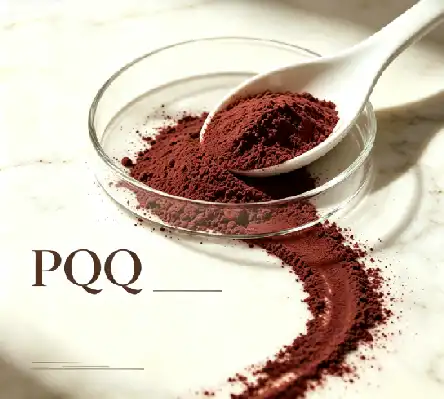
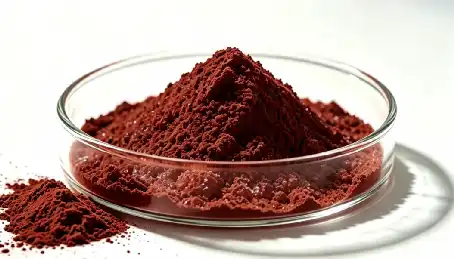
PQQ Powder, commonly recognized by its abbreviated form, represents a breakthrough in cellular energy and cognitive support ingredients. This dark red crystalline compound functions as a redox cofactor, driving mitochondrial biogenesis and supporting nerve growth factor synthesis at the cellular level. With a purity specification of ≥98% and CAS Number 122628-50-6, pyrroloquinoline quinone disodium salt has emerged as a strategic raw material for formulators seeking scientifically validated, clean-label actives. Its applications span cognitive health supplements, sports nutrition, cosmeceuticals, and functional foods, addressing the core needs of brands aiming to differentiate through efficacy-backed natural compounds.
Product Specifications
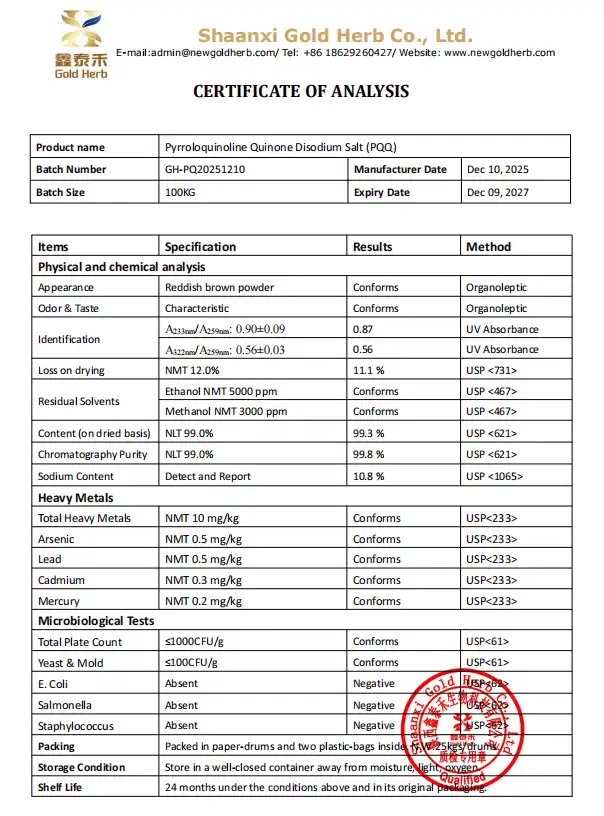
| Parameter | Specification |
|---|---|
| Appearance | Dark red powder |
| Assay | ≥98.0% |
| Molecular Formula | C₁₄H₄N₂Na₂O₈ |
| Molecular Weight | 374.17 |
| CAS Number | 122628-50-6 |
| pH | 7.0-9.0 |
| Melting Point | >300℃ |
| Water Solubility | 3g/L at 25℃ |
| Loss on Drying | ≤12.0% |
| Particle Size | ≥99.0% through 20 Mesh |
| Storage | Tightly closed container, protected from light |
| Certificates | FDA, ISO9001, HACCP, HALAL, Kosher |
Quality Assurance
Certificate of Analysis (COA) for PQQ Powder [Request COA]
Understanding PQQ Powder: Definition and Core Benefits
Biochemistry researchers think that pyrroloquinoline quinone disodium salt might be the "14th vitamin" because it is a new type of redox cofactor that is different from traditional B vitamins. This bioactive molecule speeds up a continuous redox cycle, which means it can carry out thousands of electron transfer processes without running out of electrons. This makes it much more effective than antioxidants that are only used once, like ascorbic acid or tocopherols.
What Makes Pyrroloquinoline Quinone Unique
The substance fixes a major problem with known ingredients that help the mitochondria. It does more than just protect cellular powerhouses from oxidative stress; it also actively encourages the formation of new mitochondria by turning on the PGC-1α signalling pathway. In this biogenesis process, energy is produced continuously at the cellular level. This makes it different from stimulant-based energy solutions that work for a short time and then crash.
Most of the commercial-grade material comes from specific microbial fermentation methods that use Hyphomicrobium denitrificans. This makes sure that the structure is bio-identical and that it is easily bioavailable. When compared to synthetic options, this production method ensures stability in molecular structure, which is a very important factor for formulators who are trying to reach high-end customers.
Validated Health Applications
The compound is very flexible and works in a lot of different body systems. Supporting brain health is one of its main uses; it improves cognitive function and short-term memory retention. Clinical findings suggest that it might help stop memory loss that comes with getting older and help nerve cells heal after a cerebrovascular event. The process involves nerve growth factor stimulation, which helps neurones grow back, and synapses change shape.
Optimising myocardial energy and protecting against free radicals are the main cardiovascular applications of PQQ Powder. Researchers have found that people who have had a heart attack or stroke heal faster and their infarctions are smaller. The chemical helps blood flow well and supports heart muscle performance by making ATP production higher.
Hepatic protection is another benefit that has been shown to be true. The ingredient speeds up the metabolism of fat in the liver, which helps break down fat and turn it into energy. Researchers have shown that changing the way lipids are processed in the liver can help reverse both short-term and long-term liver diseases, such as fatty liver.
Because it improves cellular energy in more than one organ system, Pyrroloquinoline Quinone is a very useful ingredient for sports nutrition products. Maintaining high levels of natural energy production without using stimulants is possible, providing a safe option for long-term performance and endurance uses.
Applications for skin renewal use its ability to regenerate cells. The chemical helps skin cells grow back, supports healthy tissue repair, and makes the stratum corneum thicker. The ingredient has been shown to reduce wrinkles and change the colour of skin, making it a multifunctional anti-aging substance that can be used topically or eaten.
Forms of PQQ Powder: Choosing the Right Type for Your Business Needs
Knowing the different forms that are available and how they work technically helps you make smart purchasing decisions that meet the needs of your formulation and the tastes of your target market.
Disodium Salt Versus Free Acid
The stabilised market standard is the disodium salt form, which is much better at mixing with water and staying stable over time than the free acid version. This stabilisation is very important for keeping the product's effectiveness during production, storage, and its entire existence. The better solubility profile makes it easier to use in a variety of delivery forms, such as hard pills and isotonic drinks, as long as the pH stays between 3.0 and 7.0 to avoid precipitation.
When making goods that need to last longer on the shelf or be delivered through water, procurement professionals should put disodium salt requirements at the top of their list. Even though the free acid form is biochemically active, it is hard to formulate because it is sensitive to wetness and doesn't dissolve well, which limits its usefulness.
Fermented Versus Synthetic Production
The best PQQ Powder comes from a special kind of bacterial fermentation that creates chemical structures that are bio-identical to those found in nature. This way of making things addresses concerns about bioavailability and fits with clean-label positioning strategies that consumers are asking for more and more. Fermentation-derived materials usually cost more, but they work better, so brands that want to reach people who care about effectiveness should make the effort.
There are ways to make synthetic materials, but they might introduce structural changes that change biological activity and regulatory positioning. When buying natural products for markets that have strict rules, like organic certification or "nature-identical" claims, procurement teams should check the production method by looking at paperwork from suppliers and following third-party testing procedures.
Purity Specifications and Quality Indicators
Industry-standard requirements for purity call for an assay of at least 98% using HPLC analysis. This level makes sure that there is enough active ingredient while also limiting the amount of possible contaminants that could change the stability of the mixture or make it harder to follow the rules. Bulk material is usually a dark red powder with a crystalline structure that dissolves easily in water at neutral pH but not so easily in ethanol or most other organic solvents.
Purity numbers are not the only important quality factors. Because the compound is hygroscopic, it is important to keep a close eye on the moisture level. Too much humidity can start degradation pathways. Because UV light can damage some things, they need to be protected with amber or opaque containers. Standard pasteurisation processes can work with temperature stability, but products should not be exposed to high temperatures for long periods of time during industrial processes.
Supply Chain and Storage Considerations
Minimum order numbers vary a lot from one provider to the next, but they are usually between 1 kg and 25 kg for production runs and initial trials. Buying in bulk every 100 kilograms often lets you get better prices, but the storage equipment has to be able to meet the needs of the property.
Things should be kept in their original, tightly sealed cases, out of direct sunlight, and in places with controlled humidity. When handled properly, these conditions keep the molecular structure for the standard 24-month shelf life. For foreign packages that go through more than one climate zone, procurement managers should make sure that suppliers can handle the cold chain.
Optimal Dosing of PQQ Powder: Guidelines and Recommendations
To find the right dosage guidelines, you have to balance clinical data, legal frameworks, and how you want the product to be positioned across all potential markets.
Clinical Dosage Ranges
The recommended daily dose for adults is always between 10 and 20 milligrams, according to both scientific literature and regulatory filings. This range has been shown to work for improving cognitive function and supporting mitochondria without any known side effects in healthy people. Effective at micro-dose levels, the relatively low dosage requirement allows for small formulation sizes and good cost-in-use economics for finished products.
Formulations for cognitive health usually use 10 milligrams as a starting dose, while goods for intense mitochondrial support or sports performance may use the higher 20-milligram level. Because the compound can continuously redox cycle, small doses can keep working for a long time. This makes it different from ingredients that need higher concentrations or to be given more than once a day.
Safety Considerations and Regulatory Compliance
In tests that have been recorded, the compound has been shown to be safe, with few side effects happening at the suggested doses. Professionals in procurement must make sure that suppliers follow foreign rules that are right for the target markets. Shipped items should come with lots of paperwork, like Certificates of Analysis that prove they are pure, results of microbial tests, heavy metal screening, and leftover liquid analyses.
Suppliers of goods for North American markets should keep their FDA license up to date and follow Good Manufacturing Practice standards. When Novel Food is sold in Europe, it must follow the rules set by the European Union. For markets that need Halal or Kosher products, the right certificates from reputable bodies are needed.
Synergistic Formulation Strategies
It has been shown that PQQ Powder works better when mixed with certain chemicals that work well together. The mixture of Pyrroloquinoline Quinone and Coenzyme Q10 has been studied the most. Pyrroloquinoline Quinone changes how well mitochondria work, and Coenzyme Q10 helps the electron transport chain work. This combination shows strong performance in formulations for cardiovascular health.
New research looks at how nicotinamide mononucleotide can be used together to improve NAD+ pathways, making full systems that help cells get energy. Formulators can use these synergistic methods to make unique goods for educated customer groups that want multi-mechanism answers backed by science.
Evaluating and Procurement Tips: How to Source High-Quality PQQ Powder
To find trusted suppliers, you need to carefully look at a lot of factors that affect the overall cost of ownership, the quality of the products you buy, and how consistent your suppliers are.
Certification Standards and Traceability
Reliable sellers keep a full set of certifications, such as ISO9001 quality management systems, HACCP food safety routines, and industry-specific credentials like NSF or Informed Sport registrations. These certifications show that the companies can control quality in a planned way, which goes beyond testing individual batches and includes checking the whole production system.
Protocols for traceability should allow tracking from the raw fermentation base all the way through to purification, crystallisation, and final packing. Suppliers who can provide full chain-of-custody documentation lower supply chain risks and back brand transparency efforts that retailers and end consumers are asking for more and more.
Batch Testing and Analytical Capabilities
As part of the procurement requirements, each output lot should have a Certificate of Analysis document that confirms its purity through HPLC, lack of microbe contamination, compliance with heavy metal standards, and screening for pesticide residues. Advanced sellers give extra tests, such as particle size distribution analysis, which changes how fast ingredients dissolve and how the formulation acts.
Leading providers are different from middlemen because they can do analysis on-site. Modern chromatography systems, spectroscopy equipment, and microbiological testing infrastructure in facilities show that they are technically skilled and committed to quality. Site audits or GMP certifications from a third party are other ways to confirm that the capabilities claimed are real.
Pricing Structures and Value Considerations
The prices on the market depend on many things, such as the amount being produced, the purity standards, the certification needs, and the number of orders. Bulk price benefits usually show up at 100-kilogram levels, but the exact levels change from seller to seller. When you negotiate a purchase order, you should talk about more than just the unit price. You should also talk about payment terms, lead times, logistics arrangements, and who is responsible for freight.
Value assessment is more than just figuring out how much something costs. It also looks at things like expert support services, formulation advice, providing regulatory paperwork, and making sure that supplies are reliable. Brands that are coming up with new product ideas can get more value from suppliers that offer applications labs, stability testing services, or custom formulation development.
Logistics and Supply Reliability
When it comes to lead times, minimum order amounts, and optimising freight, global supply lines make things more complicated. Strategic inventory positions held by suppliers, especially those with warehouses in North America, allow orders to be filled faster, usually within three to five business days for stocked requirements. This infrastructure is especially helpful for brands that use just-in-time manufacturing or that want to test how the market will react with small initial production runs.
In emergency situations where goods need to be bought, sellers who offer faster processing routes are helpful. Some advanced suppliers offer "green channel" services that can deliver small orders within five to seven days. These services help with rapid prototyping or handling sudden increases in demand.
Market Trends and Future Outlook for PQQ Powder in B2B Procurement
Procurement professionals can predict changes in demand and find strategic sourcing opportunities if they understand how markets work and what new applications are being developed.
Expanding Application Sectors
The main market for nutritional supplements is well-established, but the markets for cosmetics and useful foods are growing quickly. More and more anti-aging skin care products use this ingredient because it helps cells grow back and is an antioxidant. When applied topically, it can neutralise free radicals and protect keratinocytes, as long as the formulations are kept stable with UV-blocking packaging.
Developers of functional drinks are looking into adding it to isotonic drinks, nootropic shots, and healing formulas for athletes. The compound's clean energy profile—which doesn't have any stimulant side effects—aligns with changing customer tastes for long-lasting performance support without jitters or crashes after consumption.
Formulation Innovation and Bioavailability Enhancement
As research into improving delivery systems keeps going, encapsulation technologies and complexation strategies show better absorption profiles. Liposomal preparations and microcapsule forms keep the substance safe while it moves through the stomach and improve its uptake by cells. These new developments allow for more targeted product positioning and could help brands that focus on bioavailability set higher prices.
Combination goods that use synergistic processes are another area of innovation on the cutting edge. When it comes to competitive replication, multi-ingredient formulations that focus on mitochondrial health, cognitive ability, or cellular longevity are harder to replicate than single-ingredient formulas.
Sustainability and Sourcing Considerations
Environmental awareness is becoming more and more important in purchasing decisions for all types of health ingredients. Fermentation-based production methods are more environmentally friendly than plant-based extraction methods that need a lot of farming inputs. Suppliers who keep records of their efforts to reduce their carbon footprint, minimise waste, and use renewable energy are in line with corporate responsibility goals that are becoming more popular in the industry as a whole.
Long-term strategic relationships with technically advanced sellers have benefits that go beyond saving money on purchases right away. When people work together, they can get early access to new ways of making things, special treatment when supplies are low, and personalised help with development for their own formulas.
Conclusion
Pyrroloquinoline quinone disodium salt is a flexible ingredient that has been proven to work in a number of high-growth markets, ranging from brain health to improving cellular energy. It stands out from other supplements because it promotes mitochondrial biogenesis instead of just protecting cells from damage caused by free radicals. To be good at buying, you need to know the important differences between fermented and synthetic production, know that some types of disodium salt are more stable than others, and be able to judge sellers on a lot of different quality factors, not just price. As the uses grow to include cosmetics and functional foods, being able to compete in markets that are changing quickly and need proof of effectiveness and clean labels will depend on having strategic sourcing relationships with certified, technically skilled suppliers.
FAQ
1. What differentiates pyrroloquinoline quinone from standard antioxidants?
Unlike most antioxidants, which lose their effectiveness after a single reaction, this substance continuously cycles redox, transferring thousands of electrons before it runs out. This feature makes each molecule exponentially more effective, which means that lower doses are needed to keep strong antioxidant activity for longer amounts of time.
2. How does fermentation-derived material compare to synthetic alternatives?
Using special bacteria in fermentation creates molecular structures that are bio-identical to naturally occurring forms. This improves bioavailability and helps with clean label positioning. For high-end formulations, fermentation-derived specifications are better because synthetic routes can introduce structural changes that affect biological activity and regulatory classification.
3. What storage conditions maintain material stability?
It is important to keep the substance safe from light, water, and high temperatures. When stored in tightly sealed, opaque cases in controlled humidity settings, the potency stays the same for the usual 24 months. Because it absorbs water, hygroscopic materials need extra care to stay intact during tropical shipments or in humid warehouses.
4. Can the ingredient be combined with other nutritional compounds?
Combinations that work well together have been shown to be effective in the lab. One example is Coenzyme Q10 for heart health, and a new study is showing that nicotinamide mononucleotide can help cells in many ways. Stability tests should be used to make sure that the formulations work well together. This is especially important in water-based systems where pH levels can change how the ingredients dissolve and form crystals.
Partner with Gold Herb for Premium Pyrroloquinoline Quinone Supply
Shaanxi Gold Herb Co., Ltd. sells pyrroloquinoline quinone disodium salt that is pharmaceutical-grade and ≥98% pure. They have a lot of certifications, such as FDA, ISO9001, HACCP, HALAL, and Kosher approvals. Our fermentation-derived material has a molecular structure that is bio-identical, which makes it more bioavailable for your formulations. As a well-known provider of PQQ Powder with strategically placed warehouses in the U.S., we can guarantee fast fulfilment within three to five business days for standard specifications while still allowing for customisation for proprietary blends. Our expert team, which is backed by cutting-edge research partnerships, helps you with formulation, stability testing, and all the regulatory paperwork you need to reach your product development goals. Email info@newgoldherb.com to get analytical samples, talk about prices for large purchases, or look into OEM customisation options. We keep more than a tonne of stock on hand so that orders can be shipped right away. We also have fast processing routes that can send small-batch orders within seven days when development schedules require it.
References
1. Rucker R, Chowanadisai W, Nakano M. "Potential physiological importance of pyrroloquinoline quinone." Alternative Medicine Review 14.3 (2009): 268-277.
2. Stites T, Storms D, Bauerly K, et al. "Pyrroloquinoline quinone modulates mitochondrial quantity and function in mice." Journal of Nutrition 136.2 (2006): 390-396.
3. Nakano M, Yamamoto T, Okamura H, Tsuda A, Kowatari Y. "Effects of oral supplementation with pyrroloquinoline quinone on stress, fatigue, and sleep." Functional Foods in Health and Disease 2.8 (2012): 307-324.
4. Harris CB, Chowanadisai W, Mishchuk DO, Satre MA, Slupsky CM, Rucker RB. "Dietary pyrroloquinoline quinone alters indicators of inflammation and mitochondrial-related metabolism in human subjects." Journal of Nutritional Biochemistry 24.12 (2013): 2076-2084.
5. Ohwada K, Takeda H, Yamazaki M, et al. "Pyrroloquinoline quinone stimulates epithelial cell proliferation by activating epidermal growth factor receptor through redox cycling." Free Radical Biology and Medicine 44.4 (2008): 1566-1573.
6. Zhang Y, Feustel PJ, Kimelberg HK. "Neuroprotection by pyrroloquinoline quinone in reversible middle cerebral artery occlusion in the adult rodent." Brain Research 1094.1 (2006): 200-206.

Send Inquiry
Related Industry Knowledge
- Resveratrol Bulk Powder: Pure, Organic, and Extract
- Urolithin A: Benefits, Uses and Mitochondrial Health Support
- Urolithin A Explained: Specifications, Uses and Industry Insights
- How to Process Green Coffee Bean Extract? And Its Benefits
- What Is KWhat Is Kava Extract? Uses, Benefits, Dosage & Safety Guideava Extract? Uses, Benefits, Dosage & Safety Guide
- Silymarin Benefits: The Best Natural Liver Support Supplement
- Why Silymarin Is the #1 Natural Liver Support Ingredient
- Urolithin A: The Next-Generation Mitochondrial Health Ingredient for Longevity
- Why B2B Partners Choose Our Fisetin: Premium Fisetin, Professional Service, and Sustainable Value
- What Is Astaxanthin? Benefits, Uses, and Market Potential