
Resveratrol Bulk Powder: Pure, Organic, and Extract
Jul 01, 2026
When purchasing managers look at high-quality plant extracts, Resveratrol Bulk Powder is always one of the most-wanted products in the cosmetics, nutraceutical, and functional food businesses. This polyphenolic substance is mostly taken from the root of Polygonum cuspidatum. It is a powerful antioxidant that helps keep formulations stable and meets the demand for clean labels from today's customers. To get a lot of pure, organic, and standardised resveratrol, you need to know about purity metrics, testing methods, and the abilities of your suppliers. This will help your goods stand out in a market that is already very competitive.

Understanding Resveratrol Powder: Purity, Types, and Benefits
What Is Resveratrol and Why Does It Matter for Your Formulations
Resveratrol is a phytoalexin, which is a plant defence chemical against microbes. It is a non-flavonoid polyphenolic stilbene. It's a fine, white to off-white powder that has a freezing point between 253°C and 255°C. Because it is lipophilic, it doesn't dissolve well in water (below 0.03 mg/mL) but works well with ethanol and other organic solvents. This makes it perfect for capsule technologies and makeup matrices that are based on oils.
For B2B buyers, it's very important to understand the two main criteria. Resveratrol that dissolves in water at a dose of 10% works well in drinks and mouth supplements, where it needs to be easy to mix in. The ethanol-soluble grades, which are 98% pure, are used in high-end skin care serums, sports nutrition pills, and heart health recipes. The CAS Number 501-36-0 can be used to identify any substance in any governmental database around the world.
Natural Versus Synthetic: Sourcing Considerations
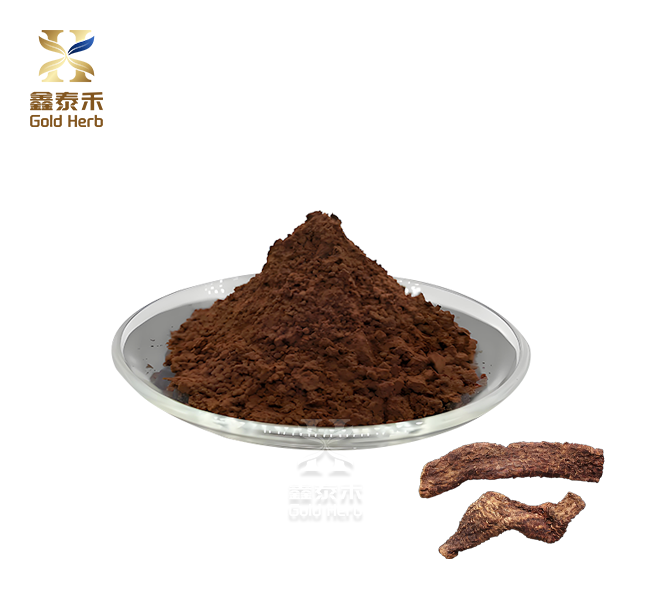
Most of the resveratrol used in commerce comes from extracting the roots of Polygonum cuspidatum. This method is more flexible and available all year, unlike sources from grape skin, which change with the seasons. Using modified yeast types for fermentation-based production is a new option that is becoming popular, especially for brands that want to show their biotechnology credentials. Each way of getting has an effect on how much something costs, how it can be tracked, and whether it is eligible for organic certification.
When providers use strict quality controls, natural extraction from Japanese knotweed root gives consistent results from batch to batch. Even though synthetic production is theoretically possible, it is hard for consumers to accept in markets that value plant identity. To make sure the brand's positioning is consistent, R&D leaders should make sure that suppliers are clear about where the plants come from, what solvents are used for extraction, and how residue testing is done.
Purity Standards and Testing Protocols That Protect Your Brand
High-Performance Liquid Chromatography (HPLC) testing is the best way to check the amount of Resveratrol Bulk Powder and the makeup of its isomers. trans-resveratrol amounts above 98% are required for premium grades because this geometric isomer has better bioactivity than its cis cousin. The trans structure makes it possible for SIRT1 pathways related to studies into living longer to get through cell membranes and start working.
Heavy metal pollution standards (lead, arsenic, mercury, cadmium), microbial counts, pesticide residues, and solvent residues should all be listed on quality papers from approved labs. Getting FDA, ISO9001, HACCP, HALAL, and Kosher licenses is a good way to make sure that a production facility meets foreign safety standards. Instead of just using general specification sheets, procurement teams should ask for Certificates of Analysis for each production lot.
Scientifically Supported Applications Across Industries
Researchers have found that resveratrol is an antioxidant because it has a high ORAC number and can get rid of free radicals. Cosmetic scientists put it in anti-ageing serums to make fine lines less noticeable, protect against oxidative stress caused by UV light, and help the skin's repair systems work better. The low molecular weight of the substance makes it easier for it to get into the skin when combined with the right delivery methods.
Nutraceutical formulators like resveratrol for its cardiovascular support uses. Studies show that it can help keep blood pressure in a healthy range and improve cholesterol profiles. Sports supplement companies use it to help heal from exercise by lowering the oxidative stress that comes from it. Functional drink makers put it in energy drinks and health shots to take advantage of the fact that people know polyphenols are good for them.

Comparing Resveratrol Powder Options: Choosing the Right Product for Your Needs
Bulk Powder Versus Extract: Concentration and Cost Analysis
Figuring out the difference between bulk powder and pure extract has a direct effect on the cost of preparation. A 98% trans-resveratrol extract has the highest strength per unit weight, which means that smaller amounts can be used in pills and tablets. This is important for brands that need to keep cost-per-serving ratios low. This percentage works well for high-end supplement lines that use standard milligram doses for their label claims.
On the other hand, 10% water-soluble resveratrol can be used in functional beverages where solubility problems have long made it hard to add polyphenols. This form goes through changes that make it easier to disperse, so it doesn't get cloudy or settle to the bottom as regular resveratrol does in water-based systems. Product designers should think about whether the extra cost for higher-concentration grades is worth it based on the type of product, the recommended dose, and the price point at sale.
Trans-Resveratrol Versus Standard Grades: Stability and Bioavailability
The shape of Resveratrol Bulk Powder resveratrol molecules has a big impact on how stable they are and how biologically active they are. The naturally occurring and medically important isomer is trans-resveratrol. On the other hand, cis-resveratrol is made when plants are exposed to light and has less bioactivity. Reliable providers give isomer makeup data and use proven HPLC methods to confirm trans-resveratrol percentages.
Photosensitivity is still an important factor all the way through the supply chain. For safe handling, it needs to be kept in amber glass cases, packaged in a way that blocks light, and stored in a temperature-controlled area below 25°C. Formulation scientists have to think about how isomerisation might happen during industrial processes that use heat or UV light. They can do this by adding stabilising agents or choosing encapsulation technologies that protect the active chemical.
Organic Versus Conventional: Certification and Market Positioning
Organic approval raises the profile of ingredients for brands that want to reach natural product stores and health-conscious customers. For resveratrol to be certified organic, the plants that it comes from must be grown without using manmade fertilisers or pesticides, and the extraction method must follow the rules for organic solvents. The certification path goes from audits of farms to checks of processing facilities, making it possible to follow the food all the way back to its source.
According to market studies, organic-certified ingredients cost 20–40% more than standard grades. Managers of procurement should decide if the investment is worth it based on the goal distribution routes and consumer demographics. Some markets, like speciality health shops and high-end cosmetics, strongly prefer organic products, while others put more emphasis on strength and testing than on growing methods. Strategic sourcing finds the right mix between the costs of licensing and the chances to stand out from the competition.
Supplier Evaluation: Quality Audits and Reliability Metrics
To find reliable partners, you need to look at more than just marketing materials when judging production skills. GMP compliance, quality control infrastructure, and paperwork systems are checked through site visits or checks by a third party. Suppliers who keep constant inventory stocks show that they are committed to a steady supply of goods. This is especially important for well-known product lines where changes in formulation can cause problems with regulations and marketing.
The ability to provide technical help is what sets exceptional providers apart from average ones. Having access to formulation guidelines, stability data, and legal paperwork speeds up the process of making new products. Being flexible with minimum order amounts, custom blending services, and private labelling choices helps OEM makers and new brands that are growing by letting them increase production volumes.

How to Use and Dosage Guidelines for Resveratrol Bulk Powder
Recommended Dosages Across Application Categories
Nutraceutical supplement formulas usually have 50 mg to 500 mg of resveratrol per serving. Daily amounts ranging from 150 mg for general health to 500 mg for specific cardiovascular uses have been studied in clinical trials. Sports nutrition items are usually at the higher end of this range, with stories that focus on helping with healing and performance. When setting evidence-based dosage promises, formulation teams should look at written clinical literature.
For cosmetics, much smaller amounts of Resveratrol Bulk Powder resveratrol are used, usually between 0.5 and 2% in finished products. At these amounts, resveratrol works as an antioxidant without making it hard to make medicines or causing skin inflammation. When cosmetic chemists make water-based goods, they have to think about how lipophilic the ingredient is. To get stable dispersion, they may need to use solubilisers or nano-encapsulation methods.
Handling and Storage Best Practices for Stability Maintenance
Resveratrol stays effective for a long time if it is stored correctly. Light, heat, wetness, and oxygen can break down and isomerise the substance quickly, so it needs to be kept away from these things. The original cases should be kept tightly closed, in a cool place (below 25°C), and away from sources of humidity. Once the package is opened, keeping the quality high by limiting air contact with nitrogen blankets or smaller working amounts transfers is helpful.
Safety Considerations and Quality Controls
When used within the recommended limits, high-quality resveratrol from reputable sources doesn't pose many safety issues. A lot of chemical data backs up its safety rating in a wide range of settings. Some of the quality controls that keep risks to a minimum are heavy metal analysis that follows ICH Q3D guidelines, microbial testing (total plate count, yeast, mould, and pathogens), and residue solvent testing that follows pharmacopeial standards.
For batch-to-batch accuracy, suppliers must have strong quality systems that keep track of important factors from the time they receive the raw materials until they are packaged. Certificates of Analysis should show that the identification, purity, strength, and contaminants meet the requirements. To protect your production schedules and brand image, procurement agreements should include testing methods, acceptance criteria, and ways to fix results that don't meet specifications.
Strategic Procurement of Resveratrol Bulk Powder for B2B Buyers
Supplier Selection Checklist for Procurement Professionals
Systematically evaluating suppliers in a number of different areas is the first step in building reliable supply lines. While it's important to be competitive on price, the cheapest option isn't always the best when it comes to quality, documentation, and professional help. To make comparisons that make sense, ask for detailed quotes that include the purity grade, testing methods, wait times, payment terms, and shipping plans.
Minimum order number rules have a big effect on managing supplies and cash flow. Suppliers who keep standard types in stock allow for smaller initial purchases, which lowers the risk of launching a new product. Samples are available so that formulations can be developed and stable tests can be done before committing to large quantities. Reliable partners give real samples that match the production requirements instead of fake samples that are improved to make people think more than they are.
Shipping reliability is more than just travel time. Product purity is maintained by using food-grade materials for packing, the right amount of cushioning, and temperature control while in transit. Suppliers who have established logistics partnerships show that they know about foreign shipping rules, required paperwork, and customs processes. This means that production plans are less likely to be thrown off by delays.
Price Analysis: Investment Versus Value Optimisation
Understanding how prices work for different types of Resveratrol Bulk Powder resveratrol helps make the best use of budgets for buying things. Standard 98% trans-resveratrol from Polygonum cuspidatum is the starting point, and organic approval raises the bar. The prices of water-soluble changed forms are higher because they require more processing steps and new technology. Depending on how much is made, fermentation-derived resveratrol may have a price range between manufactured and natural plant extraction.
The volume reduction usually starts at 100 kg lots, with big breaks at 500 kg and 1000 kg. Long-term supply deals with guaranteed volume forecasts let you get better prices and make sure you get your share when supply is limited. OEM makers and wholesalers should make models of the cost-per-finished-unit in different purchasing situations, taking into account things like minimum order amounts, carrying costs, and shelf life.
Value-Added Services: Customisation and Private Labelling
Advanced providers offer formulation support services that shorten the time it takes to make a new product. Custom mixing makes unique ingredient complexes that mix resveratrol with active ingredients that work well together, like curcumin to help with inflammation, coenzyme Q10 for heart health, or hyaluronic acid for skin care. These pre-blended solutions make manufacturing easier, cut down on the time it takes to handle ingredients, and protect secret formulas.
Private labelling services let brand owners put out finished goods without having to buy production tools or learn how to follow regulations. Comprehensive programs include creating new formulations, testing their stability, designing packages, and making regulatory paperwork. This fixed method is especially helpful for companies that are entering new markets or for brands that want to add more products to their lines without having to build up their own capabilities.

Conclusion
To buy resveratrol, you have to find a balance between purity requirements, supplier skills, and application needs. This way, you can get goods that meet regulatory standards and goals for effectiveness. Knowing the differences between concentration grades, testing processes, and sourcing methods helps you make smart choices that protect your brand's image and your profits. Strategic relationships with highly skilled suppliers give businesses a competitive edge by ensuring uniform quality, a steady supply chain, and formulation support that speeds up product development and entry into new markets.
FAQ
1. How can procurement teams verify resveratrol purity claims?
Ask recognised labs for Certificates of Analysis that show the results of HPLC tests and chromatogram data that prove the trans-resveratrol percentage. Check that the testing methods are the same as the USP or EP pharmacopoeial methods. Testing by independent labs of a third party adds to the confidence. Check for heavy metals, bacteria numbers, and pesticides to get a full picture of the quality as a whole.
2. What minimum order quantities should buyers expect?
Standard grades usually need at least 25 to 50 kg of orders from reputable sources who keep stock on hand. For custom recipes, the minimum order size may be 100 to 500 kg, which justifies specialised production runs. Sample sizes between 100g and 500g allow for recipe development before making a business commitment. Suppliers with stock in U.S. warehouses can often take smaller initial orders, which makes testing the market easier.
3. Which certifications matter most for international markets?
FDA registration and GMP compliance give products entry to the U.S. market more authority. The ISO9001, HACCP, HALAL, and Kosher standards cover a wide range of markets and rules. European buyers should make sure that the seller is following EU Novel Food rules and REACH registration. Organic approval from the USDA or the EU gets a higher price. Full sets of paperwork that include testing results, allergen statements, and GMO releases make it easier to get goods through customs and get them approved for sale.
Partner with Gold Herb: Your Trusted Resveratrol Bulk Powder Supplier
Gold Herb uses strict quality control methods that are backed by the FDA, ISO9001, HACCP, HALAL, and Kosher standards to make sure that their resveratrol is of pharmaceutical grade. Our collaboration with Academician Li Xiaokun's study group and Wenzhou University gives you access to a wide range of professional resources to help you with your formulation problems. We keep more than a ton of standard specs ready to ship right away, and special developments are finished in 7–15 business days.
Global logistics partnerships with DHL, SF Express, and FedEx ensure reliable delivery, while permanent U.S. warehouse stock enables 3-5 day fulfilment for North American customers. Our team offers comprehensive support from formulation guidance through regulatory documentation, with same-timezone communication addressing your questions efficiently. Request your sample and personalised quotation today by contacting info@newgoldherb.com to discover how our Resveratrol Bulk Powder maker services can help you develop your products and place them in the market.
References
1. Baur JA, Sinclair DA. "Therapeutic potential of resveratrol: the in vivo evidence." Nature Reviews Drug Discovery 2006; 5(6):493-506.
2. Wenzel E, Somoza V. "Metabolism and bioavailability of trans-resveratrol." Molecular Nutrition & Food Research 2005; 49(5):472-481.
3. Smoliga JM, Baur JA, Hausenblas HA. "Resveratrol and health: a comprehensive review of human clinical trials." Molecular Nutrition & Food Research 2011; 55(8):1129-1141.
4. Walle T. "Bioavailability of resveratrol." Annals of the New York Academy of Sciences 2011; 1215:9-15.
5. Baxter RA. "Anti-aging properties of resveratrol: review and report of a potent new antioxidant skin care formulation." Journal of Cosmetic Dermatology 2008; 7(1):2-7.
6. Das S, Lin HS, Ho PC, Ng KY. "The impact of aqueous solubility and dose on the pharmacokinetic profiles of resveratrol." Pharmaceutical Research 2008; 25(11):2593-2600.

Send Inquiry
Related Industry Knowledge
- What is zeaxanthin good for?
- Kava Extract Research: Benefits for Mood, Relaxation & Sleep
- What are the benefits of fisetin?
- What Is Tongkat Ali? Benefits, Uses & Scientific Research
- Resveratrol: The Secret Behind Anti-Aging Supplements
- Does berberine hcl shrink belly fat?
- How Red Beet Powder Supports NO & Performance Formulas?
- The Truth About Garcinia Extract: The Secret To Effective Weight Loss?
- Fisetin Powder Manufacturing Process & Purity Standards
- Why Astaxanthin Is One of the Most Powerful Natural Antioxidants