
Quality Control Standards for Ginkgo Biloba Leaf Extract Powder
Mar 18, 2026
Quality Control Standards for Ginkgo biloba leaf extract powder represent the cornerstone of ensuring pharmaceutical-grade botanical ingredients meet stringent B2B procurement requirements. These comprehensive standards encompass rigorous testing protocols, standardized analytical methods, and regulatory compliance frameworks that guarantee consistent potency, purity, and safety. The Ginkgo biloba leaf extract powder must demonstrate verified concentrations of 24% flavone glycosides and 6% lactones through validated HPLC and TLC methodologies while maintaining strict limits on contaminants, including heavy metals, microbial organisms, and residual solvents, to meet international pharmacopeial specifications.
Introduction
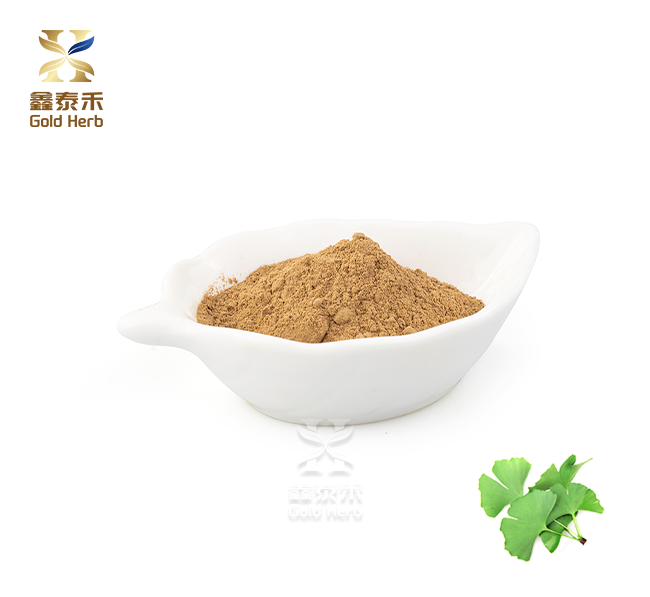
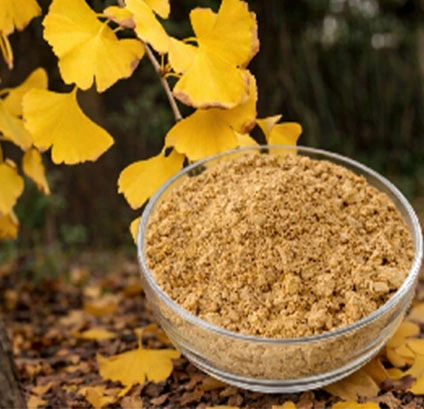
Ginkgo biloba leaf extract powder is one of the most highly valued plant products in the world. It is used a lot in the cosmetics, nutraceuticals, and pharmaceutical industries. The old Ginkgo biloba tree, which is sometimes called a "living fossil," has bioactive chemicals in its leaves that have been shown by science to improve brain function and blood flow. These good chemicals are concentrated using modern methods to make a normal brown to yellow-brown powder that has 24% flavone glycosides and 6% lactones.
B2B procurement workers are under more and more pressure to make sure that strict quality control methods are followed to make sure that products work, are safe, and follow the rules. Standardizing ginkgo extract is very hard, so it needs complicated scientific methods and full quality control systems. This guide covers everything from finding raw materials to testing the finished product, giving buying teams the information they need to make smart sourcing choices.
Understanding the details of quality control helps buyers build trust with sellers and get reliable bulk goods that meet the needs of a global market that is becoming more demanding. Multiple international standards must be met by the pharmaceutical-grade ginkgo extract market. This makes choosing a provider and checking their quality important parts of successful buying strategies.
Understanding Quality Control Challenges in Ginkgo Biloba Leaf Extract Powder
Variability in Active Compound Concentrations
There are many problems with quality control in the production of ginkgo extract that have a direct effect on the stability of the product and its healing effectiveness. The biggest problem with quality control is that the amounts of active ingredients, especially flavonoids and terpenoids, change all the time. These differences usually come from changes in when the crops are picked, where they come from, and the different ways that different makers process the crops.
The problem of standardization is made even more difficult by the fact that ginkgo biloba leaf extract powder collected from the wild may have very different amounts of medicinal chemicals than leaves grown in a garden. The phytochemical makeup of raw materials is greatly affected by things like the type of soil, the climate, and the age of the trees. Professionals in procurement need to be aware of these natural variations in order to set realistic quality standards and factors for evaluating suppliers.
Contamination Risks and Detection Methods
Heavy metals like lead, mercury, cadmium, and arsenic need to be constantly checked for in plant products because they are very dangerous. Another big problem with quality control is microbial poisoning, especially for products that are meant to be used in medicine. Pathogenic bacteria, yeast, mold, and endotoxins can make a product less safe and less in line with regulations.
Agricultural methods that leave behind pesticide leftovers make quality control even harder. Modern analysis methods have to be able to find very small amounts of hundreds of possible toxins while still meeting the strictness and accuracy standards needed by regulators. Supply chain tracking holes make these problems even worse by making it hard to find the source of contamination when quality problems happen.
Regulatory Compliance Variations
Ginkgo extracts must meet different quality norms and testing needs in each global market. Lack of clear international standards makes quality vary and makes developing products for multiple markets more difficult. European Pharmacopoeia guidelines are not the same as USP rules, and some emerging countries may not have any regulations at all.
Core Quality Control Standards and Testing Methods
Analytical Testing Methodologies
Strong quality control depends on using approved testing methods to precisely measure the amount of active chemicals present. High-Performance Liquid Chromatography (HPLC) is the best way to find out how much flavone glycosides and lactone are in ginkgo samples. This complex method separates different molecules, which lets us accurately measure the amounts of quercetin, kaempferol, isorhamnetin derivatives, ginkgolides A, B, C, and bilobalide.
Thin Layer Chromatography (TLC) can help with both recognition and figuring out how pure something is. TLC methods offer a cheap way to check someone's identity and can help find fake substances added to samples. UV spectroscopy helps these main methods by quickly judging the total amount of flavonoids and the quality of the extract as a whole.
The standard 24/6 specification (24% flavone glycosides and 6% lactones) has become the standard in the business for ginkgo biloba leaf extract powder. It is the same as the EGB761 formulation that was tested in clinical trials. To meet this standard, careful optimization and standardization methods for extraction must be used to concentrate beneficial compounds while getting rid of possibly harmful ones, such as ginkgolic acids.
Contaminant Testing Protocols
International pharmacopeial standards are met by strict tests for heavy metals, pesticides, and microbial toxins. ICP-MS, or Inductively Coupled Plasma Mass Spectrometry, is a very good way to find metal contaminants. Liquid Chromatography-Mass Spectrometry (LC-MS) and Gas Chromatography-Mass Spectrometry (GC-MS) can both analyze chemical residues in great detail.
Total aerobic counts, yeast and mold counts, and specific disease identification are all parts of microbial tests. When it comes to injectables, endotoxin testing is very important. These thorough testing methods make sure that products are safe for a wide range of uses, from food supplements to pharmaceutical preparations.
Stability and Shelf-Life Assessment
The best way to store and how long something will last for big shipping is to test its stability in different types of environments. To figure out how stable something will be in the long term, accelerated stability studies put it through high temperature and humidity conditions. Real-time stable studies give accurate information on how long something will last when stored in the right way.
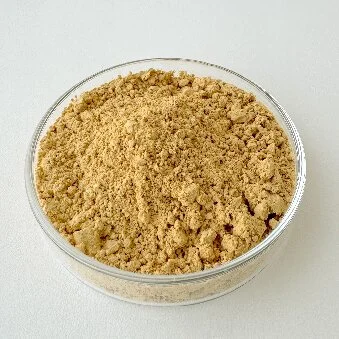
The brown to yellow-brown powder form needs to be kept out of direct sunlight to keep the flavonoids from breaking down. Moisture control stops the growth of microbes and keeps the powder's flowability. These tests of stability help choose the right packing and keeping methods to keep the quality of the extracts throughout the supply chain.
Selecting Certified and Reliable Suppliers for Bulk Procurement
Certification Requirements and Evaluation
To find trustworthy providers, you need to look closely at their certifications, quality control methods, and production abilities. Certification in Good Manufacturing Practices (GMP) shows that production standards for quality are being met. ISO 9001 quality management systems make sure that processes are always the same and that they are always getting better. HACCP approval proves that food safety management systems can be used for extra purposes.
Some types of markets may need organic certification, and Halal and Kosher licenses let you get into more niche markets. These certificates need to be up-to-date and come from a known licensing body. Audit reports and workplace visits are two more ways to make sure that a supplier is qualified and following the rules.
Procurement workers should judge providers of ginkgo biloba leaf extract powder based on how well they can analyze data, how well they can control quality, and how long they have been in compliance with regulations. Suppliers must show that they know how to use the needed testing methods and keep up with the correct plans for calibrating and maintaining analytical equipment.
Product Grade Assessment and Verification
Checking the grades of products using lab certificates and confirmed batch data makes sure that the quality and effectiveness are always the same. For each batch, suppliers should give full Certificates of Analysis (COA) that list all the test factors that need to be done. Verification by a third-party lab gives suppliers' claims more weight and gives independent proof of quality.
Batch-to-batch uniformity data shows how well a provider can control the process. Trends and possible quality problems can be found before they affect buying by using statistics to look at old data. Suppliers with strong quality systems keep thorough records on each batch, which lets you track everything from the raw materials to the finished goods.
Supply Chain Transparency Technologies
Supply chain openness is becoming more and more important for ensuring quality and following the rules. Blockchain technology allows for real-time tracking from where the raw materials come from to where they are shipped. GPS tracking systems let you check the location of packages and storage areas.
These technologies help with meeting legal standards for traceability and allow quick responses to quality problems. When verified sellers use advanced tracking systems, customers can be more sure that the products they sell are genuine and that the supply chain is safe. Procurement teams can find possible quality risks before they affect production plans with real-time tracking tools.
Best Practices for Maintaining Quality During Import and Distribution
Packaging and Storage Optimization
To keep the identity of a product while it's being shipped and stored for a long time, the packing materials and environmental controls need to be carefully chosen. The extract powder needs to be kept in cases that are tightly sealed and kept out of light, moisture, and air. Aluminum foil bags with desiccant packets are great for keeping wetness out, and dark packages keep light-sensitive flavonoids from breaking down.
Controlling the temperature is very important when things are stored for a long time or shipped across foreign borders. High temperatures speed up the breakdown of chemicals and can help microbes grow if there is more moisture in the air. Controlling the humidity stops powder from clumping together and keeps the flowability at its best, which is important for uses further down the line.
The choice of container affects how stable the product is and how well it can be handled. Food-grade materials make sure that supplements are safe, but packages made for pharmaceuticals may be needed for higher-grade products. The right-size bottle cuts down on air and oxidation potential while it's being stored.
Logistics and Transportation Considerations
When shipping things, you have to think about how to balance time, cost, and protecting the Earth. When sending large amounts of goods by sea, it can be cheaper, but the goods may have to wait longer and be exposed to changes in temperature. Air freight is faster, but it costs more and has fewer choices for controlling the temperature.
Logistics companies that are certified and have cold chain skills can better protect temperature-sensitive ginkgo biloba leaf extract powder products. The right paperwork makes sure that customs clearance goes smoothly and that regulations are followed. Insurance guards against losses caused by things like shipping delays, changes in temperature, or damage during handling.
Monitoring temperature and humidity during transport proves that the right steps were taken to handle the goods. Data loggers keep track of the surroundings during shipping, which lets you find problems that might affect the quality. This tracking info helps with insurance claims and judging how well a supplier is doing.
Quality Verification Upon Receipt
Implementing strict quality re-testing upon arrival improves quality assurance over time and protects against problems in the supply chain. Protocols for incoming inspection should check identity, strength, and other important quality characteristics. Visual inspection finds clear quality problems like color changes, damage from moisture, or problems with the structure of the container.
Fast testing methods allow for quick choices about when to send shipments that need to get there on time. Full laboratory testing gives you the most complete quality assurance, but it may take longer to hold the samples. Based on the supplier's past performance and the characteristics of the shipment, risk-based testing methods find the right mix between speed and thoroughness.
Recording the results of getting inspections makes historical records that help with evaluating suppliers and making sure they follow the rules. Trend study of arriving quality data finds new problems and helps suppliers improve their work.
Leveraging Quality Control for Competitive Advantage and Customer Trust
Building Market Reputation Through Quality Excellence
In global B2B markets, having strong quality control skills gives you a clear edge over your competitors. Clear, high-quality paperwork helps buyers feel confident and backs up strategies for charging more. Companies that consistently commit to quality build stronger relationships with customers and do better in the market.
Verified certificates and full lab results set sellers apart in markets where competition is high. Marketing tools that focus on quality show off critical skills, certifications, and records of quality accomplishments. Testimonials and case studies from satisfied customers show that the quality was good and the provider can be trusted.
Technology Integration and Future Developments
New technologies keep raising the bar for quality control of ginkgo biloba leaf extract powder and opening up chances to be at the top of your field. Detection systems that use artificial intelligence make it easier to find quality problems and risks of pollution more quickly. Machine learning systems look at huge amounts of complex analytical data to find small quality trends and make guesses about problems that might happen.
Blockchain-based tracking systems make the supply chain more open and allow for quality checks that have never been done before. Internet of Things (IoT) devices let you check on storage conditions and weather factors in real time. These improvements in technology make it possible for proactive quality control and build trust among customers.
Regulatory settings are getting stricter around the world, which is hard for providers who aren't ready and good for quality leaders. Companies that put money into new technologies and high-tech quality systems set themselves up for continued market growth and a competitive edge.
Conclusion
Quality control standards for ginkgo biloba leaf extract powder are a basic need for doing business with other businesses successfully in today's competitive market. Because standardizing plant extracts is so complicated, it requires thorough scientific skills, strong quality systems, and a deep understanding of the rules that apply to many global markets. Professionals in procurement have to judge sellers based on their qualifications, analytical skills, openness about the supply chain, and track records of consistent quality. Following the right procedures for keeping, handling, and checking protects the quality of the product throughout the entire distribution chain. This also helps with following the rules and making sure customers are happy. Spending money on strict quality control gives you a competitive edge by building customer trust, letting you charge higher prices, and setting your business apart in a global market that is becoming more quality-conscious.
FAQ
Q1: What are the critical quality benchmarks for ginkgo biloba extract powder?
The standard in the business calls for 24% flavone glycosides and 6% lactones, which can be proven by HPLC tests. There must be less than 10 parts per million of lead and less than 0.1 parts per million of mercury in the medicine. The USP says that the number of microbes should not be higher than 1000 CFU/g for total aerobic bacteria and 100 CFU/g for yeast and mold. For safety reasons, the amount of ginkgolic acid must be kept below 5 parts per million (ppm).
Q2: How can buyers differentiate between high-quality and inferior ginkgo extracts?
High-quality extracts have full COA paperwork, proper source approvals, and analytical data that are the same across multiple batches. Products that aren't as good often have inconsistent effects, missing test results, or extremely low prices. Reliable sellers offer third-party testing confirmation and keep thorough records of where the raw materials come from, all the way to the final packaging.
Q3: What certifications should reliable ginkgo extract manufacturers possess?
Good Manufacturing Practices (GMP), ISO 9001 quality management, and HACCP food safety methods are all important standards. For some areas, you may need extra certificates like FDA registration, organic status, Halal, or Kosher. Suppliers should keep their certifications up to date with reputable certification groups and be able to show proof of audits when asked.
Partner with Gold Herb for Premium Ginkgo Biloba Extract Solutions
Gold Herb stands as your trusted ginkgo biloba leaf extract powder supplier, delivering pharmaceutical-grade botanical ingredients that exceed international quality standards. Our comprehensive quality control systems ensure consistent 24% flavone and 6% lactone specifications through validated HPLC and TLC testing methodologies. With FDA, ISO9001, HACCP, HALAL, and Kosher certifications, we guarantee regulatory compliance across global markets.
Our strategic relationship with Academician Li Xiaokun's study team and Wenzhou University gives us access to cutting-edge data analysis tools and quality control know-how. We keep a constant inventory in a U.S. warehouse, which lets us send within 3–5 business days. Our customization services can meet unique formulation needs within 7–15 workdays. Get in touch with our technical team at info@newgoldherb.com to talk about your buying needs and feel the Gold Herb quality edge. We have over 200 customers in 30+ countries.
References
1. World Health Organization. "Quality Control Methods for Herbal Materials: Updated Edition of Quality Control Methods for Medicinal Plant Materials." WHO Technical Report Series, 2021.
2. European Medicines Agency. "Assessment Report on Ginkgo biloba L., folium - Committee on Herbal Medicinal Products." EMA Publication, 2020.
3. United States Pharmacopeial Convention. "Ginkgo Biloba Extract Monograph - USP-NF Standards." Official Pharmacopeial Standards, 2022.
4. International Council for Harmonisation. "ICH Q2(R1) Validation of Analytical Procedures: Text and Methodology - Guidelines for Quality Control Testing." ICH Guidelines, 2020.
5. American Herbal Products Association. "Botanical Safety Handbook: Guidelines for the Safe Use and Standardization of Herbal Extracts." AHPA Technical Standards, 2021.
6. Commission E Monographs. "Therapeutic Guide to Herbal Medicines - Quality Standards for Ginkgo biloba Preparations." Federal Institute for Drugs and Medical Devices, Germany, 2019.

Send Inquiry
Related Industry Knowledge
- Top Benefits of Fenugreek Extract for Energy, Hormones & Metabolism
- Best Pure Resveratrol Powder for EU Nutraceutical Companies
- Astaxanthin Benefits for Skin, Eyes, and Anti-Aging
- Ergothioneine Benefits for Skin, Brain, and Cellular Health
- The Key Health Benefits of Urolithin A You Should Know About
- Fisetin Benefits for Brain Health and Longevity Explained
- How Ginkgo Biloba Leaf Extract Powder Supports Cognitive Health Products
- Why B2B Partners Choose Our Fisetin: Premium Fisetin, Professional Service, and Sustainable Value
- Can Phycocyanin Be Used in Cosmetics? R&D Insights
- How Resveratrol Powder Is Used in Anti-Aging R&D