
Silymarin Powder Benefits and Applications in Dietary Supplements
Sep 07, 2026
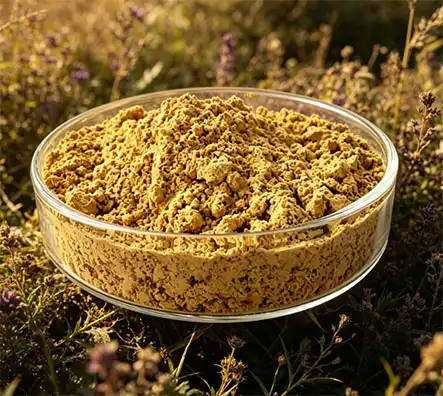
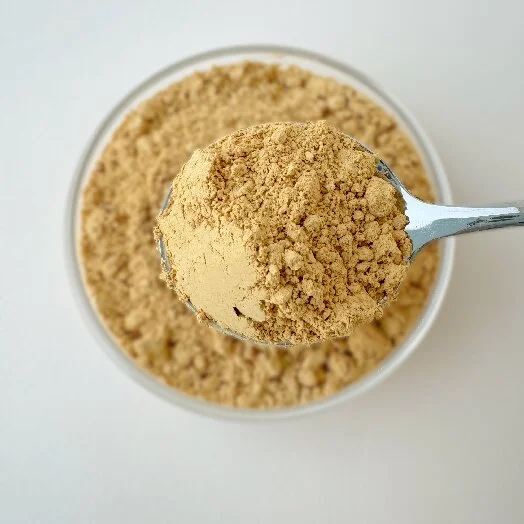
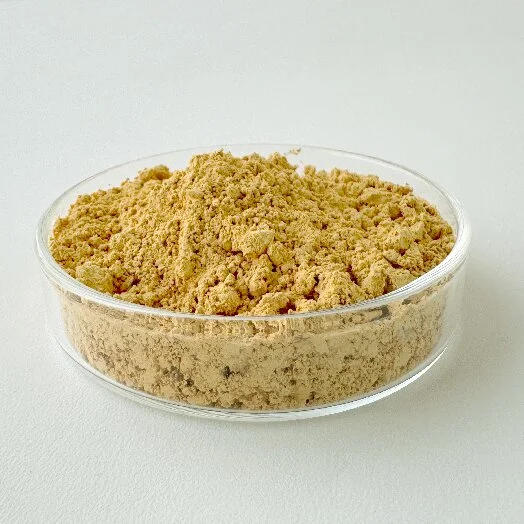
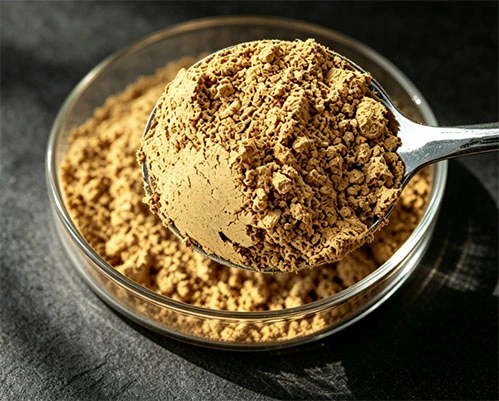
Silymarin Powder represents a cornerstone ingredient for B2B manufacturers looking to differentiate their supplement portfolios with clinically validated botanical extracts. Derived from Silybum marianum (milk thistle) seeds, this yellow powder delivers standardized 80% silymarin content through UV and TLC verification, offering nutraceutical brands a reliable hepatoprotective compound with powerful antioxidant properties. As the global market shifts toward clean-label and natural formulations, procurement teams increasingly prioritize ingredients like silymarin that combine proven efficacy with consumer-demanded transparency. With rising awareness around liver wellness, metabolic balance, and detoxification, this extract has become essential for brands aiming to address the needs of health-conscious consumers seeking natural, science-backed solutions.
Product Specifications
|
Item |
Specification |
|
Product Name |
Silymarin Powder |
|
Botanical Source |
Silybum marianum (Milk Thistle) |
|
Plant Part |
Seed |
|
Active Compound |
Silymarin |
|
Specification |
≥80% Silymarin |
|
Test Method |
HPLC |
|
Appearance |
Yellow to Brown Fine Powder |
|
CAS No. |
65666-07-1 |
|
Solubility |
Slightly Soluble in Water |
|
Shelf Life |
24 Months |
|
Packaging |
1kg Foil Bag / 25kg Fiber Drum |
Understanding Silymarin Powder: Composition, Mechanism, and Health Benefits
The Phytochemical Profile Behind the Power
The healing properties of milk thistle extract come from a complex mix of flavonolignans, which are all called silymarin. The majority of bioactive compounds in this group are silybin, which includes both A and B isomers. Other variants include silychristin, silydianin, and isosilybin. Our 80% standardized Silymarin Powder concentrates these compounds by using exact extraction ratios of 30:1 to 40:1. This makes sure that the consistency from batch to batch is something that raw herbal powders can't do. Because these molecules are lipophilic, they can easily get into cells, especially hepatocytes, where they help keep the membranes stable. This standardization solves a major problem for formulation managers who need to know the exact amount of strength for regulatory applications and accurate product labels.
How Silymarin Protects at the Cellular Level
The hepatoprotective effect of silymarin is based on multiple pathways that have been proven by decades of research. At the level of the cell membrane, it stops harmful chemicals from getting into liver cells by competing for binding sites with receptors and keeping phospholipid structures stable. Inside the cell, silymarin speeds up the production of ribosomal RNA, which is needed for cells to fix and grow again. The compound also gets rid of free radicals by directly scavenging them. This stops the chain reaction of oxidative stress that hurts cell parts. When alcohol metabolites, chemicals in the environment, or pharmaceutical compounds attack liver cells, silymarin acts as a molecular shield, lowering inflammation markers and stopping the formation of fibrotic tissue that is a sign of chronic liver conditions.
Documented Health Applications for Product Development
In addition to protecting the liver, silymarin has other benefits that give nutraceutical brands more ways to make their products. Studies in humans have shown that it can help the metabolism work better by making insulin work better and helping the body control blood sugar levels in a healthy way. This makes it useful for weight loss and metabolic wellness products. The compound reduces inflammation by stopping the production of leukotrienes and keeping mast cells stable, which is why it has been used for a long time to treat allergic reactions. It helps the heart by changing cholesterol levels and possibly lowering LDL oxidation, which is a factor in the formation of arterial plaque. Because of these different uses, research and development teams can put silymarin-based supplements in a lot of different supplement categories, such as liver detox capsules, antioxidant blends, and metabolic support formulas.
Comparing Silymarin Powder with Other Supplement Forms and Brands
Powder Versus Encapsulated and Liquid Formats
When choosing between raw Silymarin Powder and completed distribution forms, balance formulation flexibility with usability. Custom mix producers have the greatest possibilities with bulk powder. They may carefully manage the dosage and blend it with compatible products like artichoke extract or dandelion root. The particle size criterion of 95% passing through 80-mesh ensures capsule and tablet mixing. Although pre-encapsulated products eliminate manufacturing processes, formulators must utilise predetermined concentrations. While liquid solutions are readily absorbed, silymarin is susceptible to light and oxygen, making it unstable and less effective over time. Powder's bulk density of 0.45-0.55 g/ml makes it easier to deal with in automated manufacturing and facilitates high-volume manufacture without specific instruments.
Quality Benchmarks That Separate Superior Suppliers
To distinguish between regular and premium silymarin, examine the analytical specifications and compliance papers. UV spectroscopy can verify that a good powder has at least 80% total silymarin, and HPLC chromatography can verify that it includes 50–60% specific silibinin. This two-method technique eliminates matrix interference, which may inflate UV values. Residual solvent testing is crucial when ethanol, acetone, or ethyl acetate are utilised for extraction. According to USP requirements, reliable providers maintain them below detectable levels. Pharmaceutical-grade material has heavy metal levels below 10 ppm, microbiological plate counts below cGMP, and EU-compliant pesticide residue screening. For each manufacturing lot, procurement managers should request detailed Certificates of Analysis listing all these criteria. This allows FDA import warnings and international regulatory audit-compliant traceability.
Geographic and Certification Considerations for Sourcing
A supplier's selection extends beyond analytical standards to include certifications that ease market entry and consumer confidence. ISO9001 accreditation and FDA registration indicate that the firm manages quality well for U.S. goods. HACCP compliance reduces manufacturing contamination, while Halal and Kosher designations allow specific customers to purchase your goods. Gold Herb stores permanent goods in a U.S. warehouse. Instead of foreign shipping delays that disrupt production plans, we can fulfill North American orders in 3–5 days. We have technological depth that commodities brokers don't, thanks to Academician Li Xiaokun's research team and Wenzhou University. This aids formulation and stability data for our clients. These regulatory credentials, efficient logistics, and scientific expertise satisfy sophisticated supplement producers.
Practical Guidelines for Using Silymarin Powder in Dietary Supplements
Dosage Recommendations for Target Health Outcomes
You must understand clinical dosage and response settings to utilise research findings as formulation standards. For hepatoprotection, 280 to 420 mg of silymarin is used daily in two or three doses to maintain plasma levels. This implies each meal contains 350–525 mg of our 80% standardised powder. Antioxidant maintenance products with 150–250 mg of silymarin are excellent for preventative health. Sports nutrition studies have employed 700 mg before a workout to reduce exercise-induced oxidative damage. Formulators must consider the 80% standardisation factor when calculating powder amounts. For 400 mg of active silymarin, 500 mg of powder is required. These calculations are crucial to ensure the label is accurate and the product accomplishes what it promises without adding extras that increase the price.
Formulation Strategies for Enhanced Bioavailability
Silymarin is lipophilic, making it hard to absorb; however, novel formulations may assist. By imitating biological membranes, phytosome complexes of silymarin and phosphatidylcholine make absorption simpler. Standardised black pepper extract that contains piperine slows first-pass metabolism, raising plasma levels without increasing dosage. Powder mixes for tablets are simpler to absorb with tiny concentrations of medium-chain triglycerides or lecithin. Tablets dissolve better when co-processed with hydrophilic carriers. Because they balance each other, silymarin and N-acetylcysteine improve liver function. Silymarin protects membranes, while NAC replenishes glutathione for enzyme cleaning.
Safety Profile and Regulatory Compliance Insights
Thousands of clinical study participants found silymarin well-tolerated. The side effects are mainly minor stomach pain in sensitive people. Silymarin does not affect the liver, even at several times the recommended dose, unlike pharmaceutical hepatoprotectants. There are a few medication interactions; however, high doses may alter cytochrome P450 enzymes. Product labels should advise pregnant and breastfeeding women to see their physicians and that there are no long-term safety data for children. When submitting silymarin to authorities, manufacturers may cite its GRAS classification and decades of post-market monitoring data to prove its safety. Our FDA-registered facilities provide extensive quality documentation. This simplifies brand clearance for regulated markets and provides health authorities with technical dossiers for product registration evaluations.
Procurement Considerations for Bulk Purchasing of Silymarin Powder
Evaluating Supplier Credentials and Documentation
To get huge ingredients from a Plant Extract Supplier, you must study sources, not simply compare pricing. Request comprehensive production flow models that demonstrate how extraction, purification, and spray-drying affect powder qualities. Validated analytical methodologies and device tuning records indicate accurate measurements. ICH recommendations say stability studies may estimate lifespan under varied storage settings. This aids packaging and expiry choices. NSF or UL supplier audit reports verify cGMP compliance. Gold Herb has made plant extracts for over three years and has over 200 customers in 30+ countries. New enterprises entering the market can't replicate this track record. This expertise helps you anticipate manufacturing line quality issues, protecting your brand.
Understanding Pricing Structures and Lead Times
Silymarin Powder prices depend on how quickly it can be extracted from raw materials and how rigorous the standards are. Pharmaceutical-grade powder with HPLC and residual solvent testing is better than UV-verified powder. Tiered pricing is available for orders above 100 kg, saving you a lot of money. International orders delivered by container take 4–6 weeks; however, our U.S. stock collection enables us to dispatch orders immediately if they qualify. Custom requirements need 7–15 working days to schedule extraction batches and ensure quality. For urgent orders, we store over a tonne of standard products and can confirm delivery 24/7. Our green channel service puts orders at the front of our production queue and delivers unique batches in 5–7 days.
Customization Opportunities for Brand Differentiation
Value-added services provide forward-thinking businesses an advantage beyond powder. Custom blending combines silymarin with complementary botanicals like artichoke leaf or turmeric extract to create customised medicines. Micronising particles accelerates dissolving, improving bioavailability without complicating formulation. Flexible packaging includes pharmaceutical-grade double polyethylene bags in fibre drums. Other variants include customer-branded cases ready for shipment. Our OEM/ODM services include formula development. Our technical staff will help your R&D department determine the ideal ingredient ratios, evaluate stability, and produce regulatory submission papers. This full-process support in 20-day cycles accelerates your time to market and guarantees recipe success.
Maximizing Market Opportunities with Silymarin Powder Dietary Supplements
Current Market Dynamics Driving Demand
About 25% of people in affluent nations have non-alcoholic fatty liver, which is becoming increasingly well known. This is increasing the demand for liver health products. Every year after the holidays, more individuals seek natural detoxification. The regular seasonal demand patterns allow clever businesses to introduce specialised items. Clean-label organisations advise formulators to employ long-used plant-based ingredients instead of new chemicals. Due to its centuries-old usage and recent scientific success, Silymarin is a good illustration of this tendency. It mixes evidence-based medicine with traditional wisdom. More businesses that sell their products around total wellness rather than just one organ are integrating liver support as part of metabolic health, immunological function, and healthy ageing storylines that appeal to fitness fanatics and older individuals.
Regulatory Landscapes Shaping Product Claims
Knowing the differences between the U.S., EU, and developing markets helps you identify lawful marketing language. DSHEA allows structure-function statements concerning liver function without FDA clearance if there is verification and disclaimers. European EFSA has stricter evidentiary requirements. Intervention trials usually replace structural investigations. Asia and South America have various registration processes, and product dossiers must meet local pharmacopeial requirements. We have FDA registration, ISO9001, HACCP, and religious licenses, making it easy to clear customs and receive regulatory approval. We provide complete technical paper bundles including analytical procedures, stability data, and safety evaluations. These products address typical regulatory issues, making it simpler to comply and speeding up product launch.
Innovation Trajectories for Future-Focused Development
New delivery methods promise to improve silymarin's absorption rates and help it reach its full potential. Nanoencapsulation methods that use polysaccharide matrices or lipid carriers make it easier for water to mix with the particles while also protecting them from oxidative degradation. With a single daily dose, sustained-release formulations that use enteric coatings or matrix systems keep therapeutic plasma levels steady throughout the day. Gut-liver axis ideas are becoming more popular in functional medicine groups. Products that combine silymarin with probiotics address these ideas. Topical uses of silymarin's antioxidant and anti-inflammatory qualities help protect the skin, going beyond oral vitamins and into the cosmeceutical world. Working with the research team at Wenzhou University keeps us on the cutting edge of these new ideas. This makes Gold Herb your ideal partner for creating next-generation products that anticipate how the market will change instead of responding to what competitors do.
Conclusion
Silymarin Powder is the best value for nutrition companies that want to stand out by using plant ingredients that have been clinically proven to work. The standardized 80% extract meets important formulation needs for consistency in potency, regulatory compliance, and meeting consumer expectations for efficacy. Natural hepatoprotective and antioxidant solutions are becoming more popular in the market. Brands that use high-quality silymarin are in a good situation across a number of supplement categories. To make implementation go smoothly, you need to work with providers who can support your formulation goals with rigorous analysis, a reliable supply chain, and technical know-how. Rising awareness of liver health, a preference for clean labels, and new delivery technologies have come together to create unmatched opportunities for brands that are ready to act quickly in this growing market segment.
FAQ
1. What daily dosage of silymarin powder supports optimal liver function?
For hepatoprotective purposes, clinical research supports 280 to 420 mg of silymarin daily, which is about 350 to 525 mg of 80% standardized powder. To keep plasma concentrations steady, this amount is usually split into two or three doses. Lower doses of 150 to 250 mg silymarin may be used in maintenance formulas to help with antioxidants in general. Label claim substantiation standards, product positioning, and target groups should all be taken into account when deciding on a dose.
2. Are there documented contraindications or side effects?
Silymarin is very well tolerated by a wide range of people, and the only side effects that have been reported are occasional light digestive pain. In clinical trials with thousands of participants, the rate of dropping out is less than 1%. At high amounts, there are theoretical interactions with cytochrome P450 enzymes, but their clinical meaning has not yet been proven. For example, standard labeling advice tells pregnant women to talk to a doctor, even if there aren't any known reproductive risks.
3. How can procurement teams verify silymarin powder authenticity?
UV spectroscopy and HPLC chromatography are both needed for authentic proof because UV alone can't tell the difference between silymarin and other chemicals that might be present. Ask for Certificates of Analysis that show both the total amount of silymarin and the exact ratios of silibinin. Check the powder's organoleptic properties. Real powder has a yellow color and a slightly astringent taste. Trustworthy sellers offer full traceability from the botanical source to the finished powder, with third-party tests to back it up.
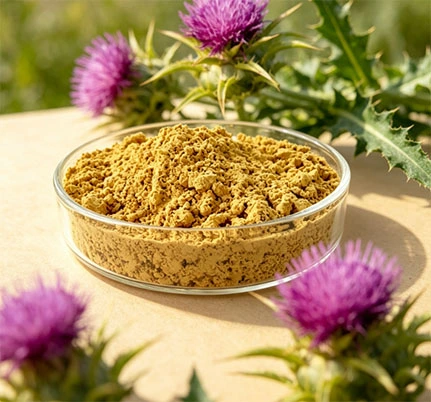
Partner with Gold Herb for Premium Silymarin Powder Supply
Gold Herb is ready to help you with your formulation projects by providing pharmaceutical-grade milk thistle extract with a constant 80% silymarin content that has been confirmed by strict UV and HPLC methods. We are a well-known supplier of Silymarin Powder, and Academician Li Xiaokun's research team and Wenzhou University's technical resources back us up. We offer more than just basic ingredients; our partnership gives you full formulation support, stability expertise, and regulatory documentation that speeds up the product development process. Our U.S. warehouse inventory guarantees delivery windows of three to five days, and we can customize your order in a number of ways, from optimizing particle size to creating your own blends, to meet your specific needs. With our FDA registration, ISO9001, HACCP, Halal, and Kosher certifications, we make it easier for you to follow the rules in all global markets. Our flexible MOQs and green channel expedited service can be used to fit your operational schedule, whether you need small amounts for initial testing or large commitments for commercial production. Get in touch with our technical team at info@newgoldherb.com to talk about your unique needs and find out how Gold Herb's experience turns high-quality ingredients into the best supplement formulas on the market.
References
1. Abenavoli, L., Capasso, R., Milic, N., & Capasso, F. (2010). Milk thistle in liver diseases: past, present, future. Phytotherapy Research, 24(10), 1423-1432.
2. Flora, K., Hahn, M., Rosen, H., & Benner, K. (1998). Milk thistle (Silybum marianum) for the therapy of liver disease. American Journal of Gastroenterology, 93(2), 139-143.
3. Hawke, R. L., Schriever, S. C., Soule, T. A., Wen, Z., Smith, P. C., Reddy, K. R., & Wahed, A. S. (2010). Silymarin ascending multiple oral dosing phase I study in noncirrhotic patients with chronic hepatitis C. Journal of Clinical Pharmacology, 50(4), 434-449.
4. Polyak, S. J., Morishima, C., Lohmann, V., Pal, S., Lee, D. Y., Liu, Y., Graf, T. N., & Oberlies, N. H. (2010). Identification of hepatoprotective flavonolignans from silymarin. Proceedings of the National Academy of Sciences, 107(13), 5995-5999.
5. Pradhan, S. C., & Girish, C. (2006). Hepatoprotective herbal drug, silymarin from experimental pharmacology to clinical medicine. Indian Journal of Medical Research, 124(5), 491-504.
6. Wellington, K., & Jarvis, B. (2001). Silymarin: a review of its clinical properties in the management of hepatic disorders. BioDrugs, 15(7), 465-489.

Send Inquiry
Related Industry Knowledge
- Black Pepper Extract: nature's secret and powerful natural Bioenhancer from black pepper
- What Does Creatine Monohydrate Do & Why You Should Use It For Muscle Growth
- What is mulberry leaf powder good for?
- Why Is Urolithin A Popular in Healthy Aging Supplements?
- Fenugreek vs Tongkat Ali: Benefits, Uses and Differences
- Ergothioneine Mushrooms: Antioxidant Gold Mines
- Ashwagandha Root Extract Explained: Benefits, Safety & Applications
- What is Tribulus Terrestris Extract good for?
- GMP Fisetin Powder for Pharmaceutical R&D Use
- Fisetin vs Quercetin: Which Flavonoid for Longevity Products?