
Black Pepper Extract: nature's secret and powerful natural Bioenhancer from black pepper
Aug 25, 2026
When you think about black pepper, you probably picture the everyday seasoning on your dining table. Yet hidden within this common spice lies one of nature's most remarkable secrets: a concentrated compound that can dramatically amplify the effectiveness of countless nutritional ingredients. Black Pepper Extract, standardized to contain high levels of piperine (typically 95% or 98%), has emerged as an indispensable ingredient across nutraceutical, cosmetic, and functional food industries. This powerful bioenhancer addresses a critical challenge that R&D teams face daily—the frustratingly low absorption rates of many active compounds. By temporarily modulating metabolic pathways, piperine transforms how our bodies utilize beneficial ingredients, turning ordinary formulations into exceptional products.
Key Product Specifications
| Parameter | Specification |
|---|---|
| Product Name | Black pepper extract powder |
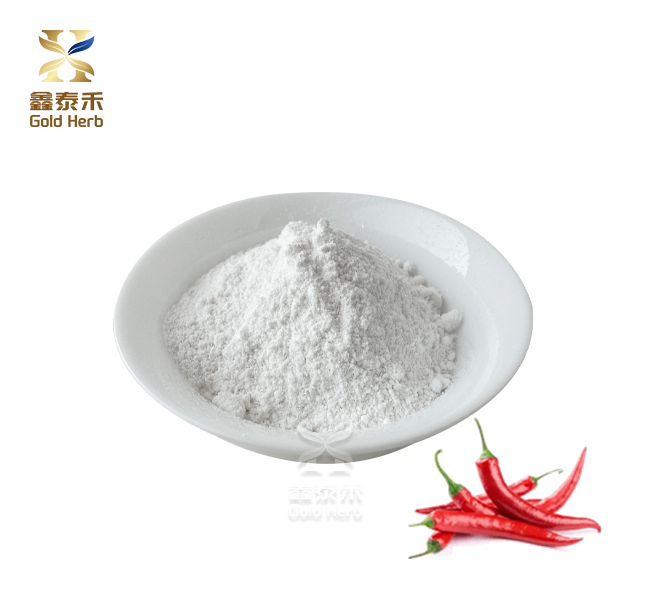
| Appearance | White powder |
| Active Content | 95%, 98% Piperine |
| CAS Number | 94-62-2 |
| Molecular Formula | C17H19NO3 |
| Molecular Weight | 285.34 |
| Part Used | Fruit |
| Test Method | HPLC |
| Mesh Size | ≥95% Pass 80 mesh |
| Loss on Drying | ≤5.0% |
| Shelf Life | 2 years |
| Storage | Tightly closed container, protected from light |
| Certifications | FDA, ISO9001, HACCP, HALAL, Kosher |
Quality Assurance
Certificate of Analysis (COA) for Black Pepper Extract [Request COA]

Understanding Black Pepper Extract: Composition, Benefits, and Uses
What Makes This Extract Different from Ground Pepper
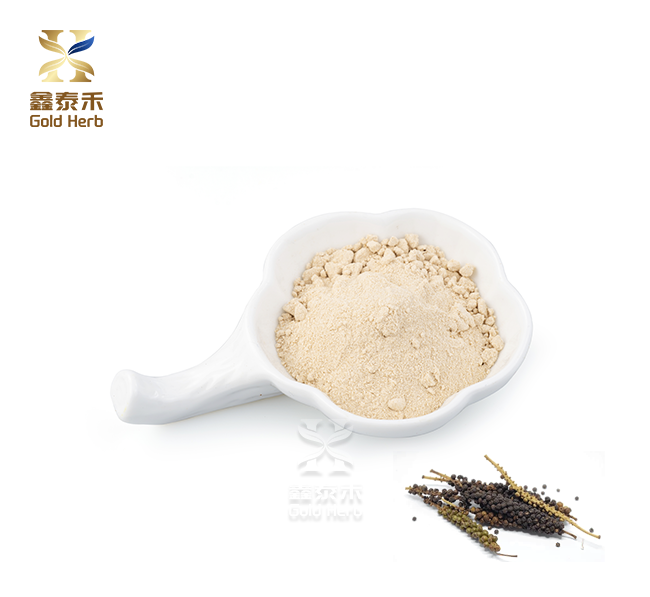
Many sourcing experts question whether this extract is crushed pepper. The solution showcases plant processing sophistication. Immature Piper nigrum fruits are dried to make black pepper extract powder. Advanced HPLC-tested extraction and standardisation methods are used. It creates a fine, crystalline, light yellow to off-white powder with the molecular formula C17H19NO3. It contains 95%–98% piperine, compared to 3-9% in whole peppercorns.
Many formulation issues are resolved by this rule. The extract has health benefits without a strong taste or smell. It attracts fat and is stable at normal production temperatures, making it suited for lipid-based delivery systems and dry powders. To achieve batch uniformity, the freezing point must be between 128°C and 130°C, and moisture must be less than 5.0%. This is crucial for organisations seeking customer trust via reliable products.
Core Functional Properties Driving Market Demand
This extract has various bioactive qualities beyond bioenhancement; however, that is its most economical usage. Understanding these processes helps formulators develop better products.
Piperine benefits the liver and intestinal wall by stopping glucuronidation and P-glycoprotein activity, making nutrients more accessible. Co-administered nutrients linger in the body longer due to metabolic changes, occasionally by 2000%. Curcumin breaks down fast, but piperine helps the body absorb it. Because of this synergy, companies may utilise fewer active ingredients without harming efficacy. This cuts expenses and improves product safety.
Support for the stomach: Piperine increases pancreatic lipase, amylase, and proteases. This enhances meal digestion and nutrient breakdown, reducing heartburn and bloating. This characteristic helps functional food firms design products that aid digestion and provide nutrients.
The extract's free radical scavenging function protects cells from oxidative stress, which accelerates ageing and worsens health issues. The antioxidant power and other plant elements in anti-aging products and health tablets provide a broad spectrum of preventive properties that health-conscious clients prefer.
Studies reveal that piperine impacts thermogenesis, which may aid metabolism and energy utilisation. Sports nutrition companies use this extract in weight control solutions. Products that follow natural health and clean label trends include it alongside other metabolically active substances.
Practical Application Guidelines for Product Development
Dosage suggestions change based on the type of application and the results that are wanted. When used as a bioenhancer, 5 to 20 mg of standardized piperine powder is usually added to each dose of a dietary supplement. For functional food applications, 10 to 50 mg may be used to find a good balance between effectiveness and taste. When working with topical applications, cosmetic chemists usually add 0.5 to 2% to formulations and carefully check to see if it is safe for the skin during stability testing.
To keep the product's potency throughout its lifecycle, it needs to be stored in containers that keep light out. This factor affects the choice of packaging, especially for names that stress quality and long-term stability on the shelf. Teams in charge of buying things should make sure that sellers give them the right technical information, like information on how to store the goods, how stable they are, and how they should be handled.

Black Pepper Extract vs. Alternatives: Making an Informed Choice
Extract Versus Whole Powder: A Critical Distinction
Your product's performance and market position depend on whether you utilise standardised extract or conventional pepper powder. Piperine levels in whole black pepper powder range from 3 to 9%, depending on the pepper variety, cultivation, and processing. Modern clients want consistency from batch to batch, yet this variability makes the recipe uncertain.
Standardised extracts eliminate doubt. A 95% piperine requirement ensures bioactive material consistency across manufacturing runs. This simplifies quality control and supports efficacy claims. Given its concentration, formulators may add therapeutic amounts without the flavour or bulk of the entire powder. This distinction is particularly advantageous for encapsulated vitamins, functional drinks, and cosmetics, where fragrance and taste directly impact consumer satisfaction.
Full-Spectrum Extracts Versus Isolated Piperine
Black pepper full-spectrum products include piperine and other phytochemicals such as essential oils, resins, and tiny alkaloids. Others sell approximately 98% pure piperine isolates. Each strategy suits distinct design methods.
Full-spectrum brands emphasise whole-plant synergy and natural complexity. Their companion chemicals may provide biological capabilities that work well together, but they also increase aspects that impact formulation stability and regulatory paperwork. Products with limited formulation space or that need accurate bioenhancement calculations benefit from isolated piperine's highest potency in the smallest quantity. R&D directors generally pick depending on product positioning. Holistic health companies may choose full-spectrum supplements, whereas science-based functional supplements may prefer isolated formulations.
Organic Certification Considerations
Organic Black Pepper Extract costs more than regular black pepper, but it lets you reach new markets that are growing. To meet certified organic standards, farming methods must be confirmed to be organic, solvent-free, or organic solvent extraction methods must be used, and full chain-of-custody documentation must be kept. When a brand wants to sell natural products, getting organic certification is often a requirement for getting into the market, not an extra that can be added.
Even though conventional extracts aren't certified organic, they still meet strict quality standards if they come from a trustworthy source. They have lower costs that help brands make more money, which is especially important for brands that work in price-sensitive, competitive areas. The choice depends on what the target market wants, how the brand is positioned, and how willing people are to spend money on high placement backed up by good marketing stories.

Procurement Guide: Sourcing High-Quality Black Pepper Extract for B2B
Essential Supplier Qualification Criteria
The correct supplier relationship affects product quality, regulatory compliance, and company security. Procurement teams should evaluate partners beyond pricing.
The foundation is quality system certifications. ISO9001 and HACCP certifications demonstrate quality management and food safety, respectively. HALAL and Kosher certifications allow you to access particular consumers, while FDA registration proves your commitment to the U.S. market. For global commerce, suppliers with several certifications demonstrate operational competence.
Supply chain transparency is growing as customers and authorities demand product tracking. Leading vendors provide detailed information on plant location, extraction, testing, and stability. They preserve steady stock levels—ideally more than one tonne for routine needs—to meet orders swiftly and avoid supply issues. Shipping within 24 hours of purchase confirmation provides you with an advantage in fast-paced product development cycles.
Procurement Models Matching Business Needs
Different firms require different purchasing methods. Distributors usually seek bulk purchasing agreements that provide the greatest per-unit cost savings and ensure they have enough goods to fulfil consumer demand. Customisation services may help formulation manufacturers change parameters, identify the appropriate particle size, and do specialised testing.
Private label and OEM collaborations provide complete solutions for brands without R&D resources. Suppliers that aid with formula formulation, regulatory guidance, and appropriate packaging may speed up product development. Gold Herb provides unique solutions in under 20 days with aid from Academician Li Xiaokun's team and Wenzhou University's R&D resources, satisfying the speed requirements of competitive product launches.
Geographic Sourcing Considerations
Each major source region offers advantages. Indian suppliers use their proximity to vast pepper-growing regions to save money and learn about plants. North American consumers get speedier shipments from U.S. vendors or facilities. From permanent U.S. inventory, Gold Herb guarantees 3-5 business days delivery. This geographical diversity reduces risk and speeds transit.
Testing and honesty are essential when assessing suppliers. Request third-party documents showing piperine, heavy metals, microorganisms, and chemical residue levels. Keep seeking a vendor if they won't offer comprehensive documents. It may indicate quality difficulties.

Enhancing Product Value: Applications and Bioenhancer Potential of Black Pepper Extract
The Science Behind Bioenhancement
The bioenhancer effect in Black Pepper Extract works in a number of ways that work together. Piperine stops glucuronidation in the liver and intestines, which is the process that gets compounds ready to be flushed out of the body. It also changes P-glycoprotein, which is an efflux transporter that actively moves compounds absorbed back into the gut. Piperine temporarily slows down these elimination pathways, which increases the time that good compounds are still available for cells to take up.
Detailed case studies show that there are amazing factors that can help with improvement. When curcumin is given with piperine, its absorption goes up by up to 2000%. Amplification effects are seen in coenzyme Q10, resveratrol, beta-carotene, and several B vitamins. This synergy lets formulators make cheaper items that give better results to customers, which leads to good reviews and repeat purchases.
Industry-Specific Applications
Nutraceutical companies use this extract in sports nutrition products, multivitamins, and supplements for specific health problems. It is possible to make mixtures where the whole is greater than the sum of its parts by improving the intake of fat-soluble vitamins and polyphenolic antioxidants.
Piperine's ability to help topical goods penetrate the skin is used in cosmetics. The extract is used in skin care products to help active botanicals get deeper into the stratum corneum, which makes anti-aging and repair products work better. The antioxidants give it extra health benefits, which go with the natural beauty style.
When making functional foods and drinks, producers have to find a way to balance taste and effectiveness, which isn't easy. Piperine can be added to fortified drinks, nutrition bars, and meal replacement products without changing the taste thanks to microencapsulation technologies. Because of their proven functional benefits, these uses allow goods to be sold at higher prices.
Emerging Market Opportunities
Being more knowledgeable about nutrition among consumers opens up more chances to make new products. In a crowded market, brands that teach customers about problems with absorption and bioenhancement solutions stand out. The worldwide trend toward natural and organic ingredients makes botanical bioenhancers more appealing than synthetic ones. This puts formulations with piperine in a good position for future growth.
The weight control sections look like they could be very useful. The metabolic support properties of some ingredients, along with the bioenhancement properties of other ingredients, make formulations that work on a lot of different pathways. As rules about man-made drugs get stricter, natural options that have been proven to work by science gain market share.

Ensuring Safety and Optimal Use: Side Effects, Dosage, and Regulatory Compliance
Safety Profile and Precautionary Guidelines
Piperine extract needs to be made in a sensible way, even though it is usually thought to be safe in the right amounts. The main thing to think about is what it's supposed to do—metabolic modulation changes drug metabolism just as well as it improves nutrient absorption. Products with piperine should have clear labels that tell people who are on prescription drugs to talk to their doctors before using the product.
Some rare side effects that have been recorded with high doses are stomach pain and possible reactions with cytochrome P450 enzyme substrates. These risks are still low at the recommended supplement doses (5–20 mg daily), but formulators should follow guidelines for serving sizes and stay away from high concentrations that don't add any benefit but raise risks.
Labels and marketing tools that teach customers the right way to use a product show good brand management. Giving clear explanations of how bioenhancements work, when they should be used, and when they shouldn't be used builds trust with customers while reducing worries about liability.
Industry-Appropriate Dosage Parameters
For bioenhancement reasons, nutraceuticals usually include 5 to 15 mg of piperine per dose. Higher doses (15–20 mg) may help the metabolism work better in weight-loss products. For cosmetic uses, much smaller amounts are used (0.5 to 2% of the total mixture weight) because they are put on the skin and need to be sensitive.
Functional foods need to strike a careful balance between how well they work and how good they taste. When made correctly, doses between 10 mg and 50 mg can back functional claims while reducing sensory effects. Flavor hiding technologies or microencapsulation can help beverage applications keep the tastes of products that make customers want to buy them.
Global Regulatory Navigation
Regulatory standards are very different between markets, which makes things harder for foreign names. In North America (the US and Canada), piperine is considered a safe food ingredient and is known as GRAS (Generally Recognized as Safe). Products must follow FDA rules for labeling supplements and not make any false disease claims.
Novel Foods rules and country-specific supplement instructions must be followed in order to sell food in Europe. Asian markets have a wide range of needs, from strict rules (like in Japan) to less rigid rules (like in Southeast Asia). To successfully enter a market, you need to work with suppliers who know how to deal with these regulatory environments and can provide the right paperwork.
Gold Herb is registered with the FDA and also has ISO9001, HACCP, HALAL, and Kosher certifications. This gives them the compliance base they need for a wide range of global markets. Our expert team can help you understand the rules that apply in different areas, which makes it easier to start your product in those places.

Conclusion
Black Pepper Extract that is high in piperine has strategic value that goes far beyond saving money by making it more bioavailable. This natural bioenhancer helps products stand out in crowded markets, supports clean-label positioning that fits with what customers want, and backs up claims of effectiveness with science. To integrate things well, you need to carefully choose your suppliers, figure out the right dosage, and make sure you follow all the rules. Brands that work with highly advanced providers get competitive benefits through unique formulations, reliable quality, and quick help throughout the lifecycle of the product.
FAQ
1. What distinguishes black pepper extract from regular ground pepper?
Standardization and concentration are what make the difference. Ground black pepper only has 3–9% piperine, and the amount varies a lot from batch to batch based on farming conditions. Black Pepper Extract, which has been processed to be standardized to 95–98% piperine, gives the same amount of bioactive substances as ground pepper without adding the strong flavor. This lets formulators get therapeutic effects in small, carefully controlled doses that work for supplements, functional foods, and makeup where taste and smell play a big role in how well people like them.
2. How does piperine actually enhance supplement absorption?
Piperine works in two ways that target the body's natural ways of getting rid of waste. It temporarily stops glucuronidation enzymes in the liver from joining compounds together so they can be flushed out of the body. This makes the compounds stay in the body longer. At the same time, it changes the activity of P-glycoproteins in the walls of the intestines, which lowers the efflux that sends nutrients back into the digestive system after they have been taken. These two actions together can increase bioavailability by more than 2000% for compounds like curcumin that aren't easily absorbed. This means that lower doses can be used while still working as well or better than before.
3. What regulatory documentation should buyers request from suppliers?
For a full evaluation of a supplier, many types of documentation are needed. Ask for third-party reports of analysis that show the amount of piperine found through HPLC, heavy metal screening, microbe testing, and pesticide residue analysis. ISO9001 and HACCP certifications for quality systems show that manufacturing standards are met. For certain areas, get the right proof of compliance, like evidence of FDA registration, EU Novel Foods compliance, or organic certifications. Suppliers who give thorough information on stability, extraction methods, and plant sources show that they have the business skills needed for long-term partnerships that are reliable.

Partner with Gold Herb for Premium Black Pepper Extract Solutions
To get steady access to pharmaceutical-grade piperine extract, you need to work with suppliers who offer technical know-how, good infrastructure, and quick service. Gold Herb is a reliable company that makes Black Pepper Extract. They have been doing this for over three years and have helped more than 200 people in over 30 countries. We can get access to cutting-edge bioenhancement research and formulation help because we work with Academician Li Xiaokun's team and Wenzhou University's R&D facilities.
We keep constant inventory in a U.S. warehouse and guarantee delivery within 3–5 days. Our customization services, which include specifications, particle sizing, and packing, can meet your specific product needs in less than 20 days. Our many certificates, such as FDA, ISO9001, HACCP, HALAL, and Kosher, make sure that we meet the standards of many global markets. Our team provides the technical support and supply reliability that successful brands need, whether you need bulk extract for mass production or custom formulations for new product development. Get in touch with us at info@newgoldherb.com to talk about how our Black Pepper Extract options can help you make your products better and give you an edge over your competitors.
References
1. Shoba, G., Joy, D., Joseph, T., Majeed, M., Rajendran, R., & Srinivas, P. S. (1998). "Influence of Piperine on the Pharmacokinetics of Curcumin in Animals and Human Volunteers." Planta Medica, 64(4), 353-356.
2. Srinivasan, K. (2007). "Black Pepper and its Pungent Principle-Piperine: A Review of Diverse Physiological Effects." Critical Reviews in Food Science and Nutrition, 47(8), 735-748.
3. Dudhatra, G. B., Mody, S. K., Awale, M. M., Patel, H. B., Modi, C. M., Kumar, A., & Kamani, D. R. (2012). "A Comprehensive Review on Pharmacotherapeutics of Herbal Bioenhancers." The Scientific World Journal, 2012, Article ID 637953.
4. Atal, C. K., Dubey, R. K., & Singh, J. (1985). "Biochemical Basis of Enhanced Drug Bioavailability by Piperine: Evidence that Piperine is a Potent Inhibitor of Drug Metabolism." Journal of Pharmacology and Experimental Therapeutics, 232(1), 258-262.
5. Wattanathorn, J., Chonpathompikunlert, P., Muchimapura, S., Priprem, A., & Tankamnerdthai, O. (2008). "Piperine, the Potential Functional Food for Mood and Cognitive Disorders." Food and Chemical Toxicology, 46(9), 3106-3110.
6. Kesarwani, K., & Gupta, R. (2013). "Bioavailability Enhancers of Herbal Origin: An Overview." Asian Pacific Journal of Tropical Biomedicine, 3(4), 253-266.

Send Inquiry
Related Industry Knowledge
- Why Is Urolithin A Popular in Healthy Aging Supplements?
- Kava Extract for Relaxation: Science, Uses & Supplement Trends
- Top Benefits of Tongkat Ali Extract for Strength, Energy & Hormones
- What Is Tongkat Ali? Uses, Benefits & Science-Backed Insights
- Why Urolithin A Is the Future of Anti-Aging Science
- How Sodium Copper Chlorophyllin Works: Detox and Antioxidant Effects
- Urolithin A Benefits for Mitochondrial Health and Longevity
- 5-Hydroxytryptophan(5-HTP) vs Melatonin: Which Is Better for Sleep?
- Cyanotis Arachnoidea Extract vs Spinach Ecdysterone Source Comparison
- Dihydromyricetin vs Green Tea Extract: Which Fits EU Supplements?