
Urolithin A for Mitochondrial Health: A High-Value Ingredient for Nutraceutical Brands
Mar 17, 2026
As the nutritional supplement industry undergoes a profound transformation toward "precision care and cellular-level anti-aging," mitochondrial health has emerged as a central focus of consumer attention. As the cell's "energy factory," declining mitochondrial function is not only a primary driver of human aging but is also directly linked to a host of prevalent health issues, including muscle loss, neurodegeneration, and metabolic disorders. Among the myriad ingredients available for mitochondrial support, Urolithin A (UA; CAS 1143-70-0) stands out as a high-value core ingredient for nutritional supplement brands seeking to enter the mitochondrial health sector and establish a distinct competitive edge. This distinction is owed to UA's unique metabolic profile within the gut, its clearly defined mechanism for activating mitochondrial autophagy, and the robust scientific validation supporting its efficacy. Unlike traditional antioxidants—which merely mitigate oxidative damage to mitochondria—Urolithin A addresses the root causes by repairing mitochondrial function and stimulating mitochondrial biogenesis. This capability precisely aligns with the modern consumer's core demands for "deep-level anti-aging and functional enhancement." The unique value of Urolithin A is underpinned by a convergence of factors—spanning biological mechanisms, clinical efficacy, manufacturing processes, and market dynamics—making it a pivotal tool for brands looking to break through market homogenization and secure a leading position in the mid-to-high-end market segments. Approaching this subject from the perspective of nutritional supplement brands, this article focuses on the intrinsic link between Urolithin A and mitochondrial health. It analyzes UA's mechanisms of action, potential product applications, and raw material quality control standards. Furthermore, by integrating the latest market data and industry trends from 2026, the article explores the commercial value and strategic opportunities associated with Urolithin A, offering brands actionable insights and practical guidance for implementation.
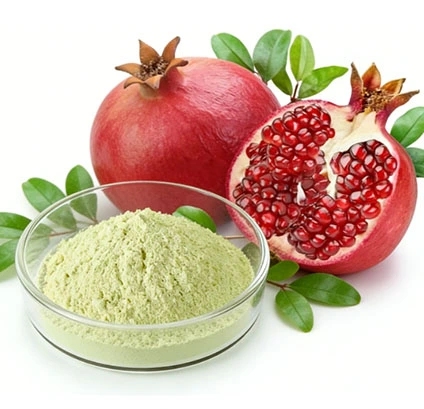
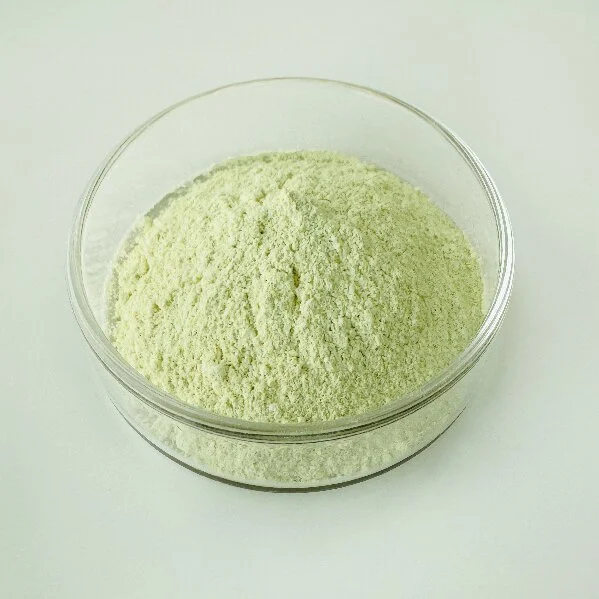
Urolithin A is a naturally occurring polyphenolic metabolite with the molecular formula C₁₃H₈O₄ and a relative molecular mass of 228.2 (well below the 500-Dalton threshold, allowing it to passively traverse cellular membranes). Under standard temperature and pressure conditions, it presents as a yellow or pale-yellow solid powder. It is readily soluble in highly polar organic solvents—such as dimethyl sulfoxide (DMSO) and N,N-dimethylformamide—yet exhibits poor solubility in water and low-polarity solvents (with a solubility of less than 2 mg/mL in ethanol and being nearly insoluble in water); this limited solubility constitutes a primary challenge in the formulation and development of Urolithin A-based products. Its unique characteristic lies in the fact that free Urolithin A is virtually non-existent in nature; rather, it is an active metabolite produced when the human gut microbiota hydrolyzes and metabolizes ellagitannins (ET) and ellagic acid (EA) found in foods such as pomegranates, strawberries, raspberries, and walnuts—thus classifying it as a "postbiotic." Notably, only about 40% of the population possesses gut microbiota containing strains (such as *Gordonibacter*) capable of efficiently converting ellagic acid into Urolithin A. Consequently, since the majority of people cannot obtain sufficient doses through a natural diet alone, exogenous supplementation has emerged as the primary method for harnessing its mitochondrial-supportive benefits—a fact that also presents a clear market entry point for nutritional and wellness brands.
Urolithin A: The "Precision Caregiver" for Mitochondrial Health
The core value that Urolithin A brings to nutritional supplement brands stems from its "holistic care" approach to mitochondrial health. Unlike other ingredients that merely offer a singular remedy for mitochondrial oxidative damage, Urolithin A restores mitochondrial function comprehensively through a closed-loop mechanism involving "clearance, activation, and regeneration." This constitutes its core competitive advantage—distinguishing it from popular ingredients such as NMN and Ergothioneine—and serves as a pivotal factor for brands seeking to craft differentiated marketing narratives. Each of these mechanisms is substantiated by robust scientific data, aligning perfectly with current consumer trends favoring "scientific and precise" solutions while simultaneously mitigating compliance risks associated with brand promotion.
(I) Core Function: Activating Mitophagy to Clear Damaged Mitochondria
During the continuous process of energy generation, mitochondria inevitably undergo aging and sustain damage. If these damaged mitochondria are not cleared in a timely manner, they accumulate within cells, leading to mitochondrial dysfunction and a decline in cellular energy metabolic efficiency. This, in turn, triggers a cascade of issues including aging, muscle weakness, and neurodegeneration. Urolithin A’s core advantage lies in its ability to specifically activate the PINK1/Parkin-mediated mitophagy pathway. Acting as a "cellular cleaner," it precisely identifies and eliminates aged and damaged mitochondria within the body, thereby creating space for the generation of new, healthy mitochondria and fundamentally halting the progression of mitochondrial decline.
A 2023 study published in *Nature Aging* by the University of Lausanne (Switzerland) confirmed that Urolithin A can significantly restore mitochondrial function in the hematopoietic stem cells of aged mice. This restoration boosts immune system vitality—bringing the functional capacity of aged cells closer to that of young cells—and demonstrates sustained long-term efficacy. Furthermore, a recent study published in 2026 in *Frontiers in Nutrition* provided additional evidence that Urolithin A enhances mitochondrial function by activating the AMPK signaling pathway in skeletal muscle and upregulating the activity of mitochondrial respiratory chain complexes, thereby improving the efficiency of mitochondrial beta-oxidation. This "precision clearance" mechanism is the key factor establishing Urolithin A as a premier ingredient for mitochondrial care, and it serves as a core selling point that enables brands to effectively differentiate their products from competitors.
(II) Synergistic Action: Activating Mitochondrial Regeneration and Enhancing Energy Production Efficiency
Urolithin A not only clears away damaged mitochondria but also synergistically activates pathways associated with mitochondrial regeneration, thereby promoting the generation of new, healthy mitochondria and establishing a closed-loop cycle of "clearance and regeneration." By upregulating the PGC-1α signaling pathway, it promotes mitochondrial biogenesis—increasing mitochondrial count and enhancing the activity of the mitochondrial respiratory chain—thereby boosting cellular energy metabolic efficiency. This mechanism directly alleviates feelings of fatigue and improves muscle endurance, effectively addressing the core needs of athletes, individuals in high-stress professional environments, and middle-to-elderly populations.
Compared to traditional mitochondrial support ingredients (such as CoQ10, which merely boosts mitochondrial energy output but cannot clear away damaged mitochondria), Urolithin A’s dual mechanism of "clearance + regeneration" achieves comprehensive mitochondrial care. Its efficacy is more holistic and precise, providing a robust mechanistic foundation for brands seeking to develop "deep mitochondrial care" products—a strategy that can effectively enhance product premiumization and market competitiveness.
(III) Auxiliary Action: Anti-Inflammatory and Antioxidant Effects, Safeguarding Mitochondrial Homeostasis
Chronic inflammation and oxidative stress are major triggers for mitochondrial damage and functional decline; inflammatory cytokines disrupt mitochondrial membrane structures, while reactive oxygen species (ROS) damage mitochondrial DNA, thereby accelerating mitochondrial aging. Urolithin A exhibits significant anti-inflammatory activity; by inhibiting the NF-κB inflammatory pathway, it reduces the expression of inflammatory cytokines—such as TNF-α, IL-6, and IL-1—thereby mitigating inflammation-induced damage to mitochondria. Furthermore, although its *in vitro* antioxidant capacity is lower than that of its precursor, ellagic acid, it possesses the strongest antioxidant potential among all urolithin-class metabolites. It effectively scavenges endogenous ROS, minimizes the destructive impact of oxidative stress on mitochondria, and safeguards mitochondrial homeostasis.
Most importantly, Urolithin A possesses a logP value ranging from 2.3 to 3.0, indicating moderate lipophilicity. This characteristic allows it to readily traverse cell membranes to enter the mitochondria without becoming trapped within the lipid matrix, thereby enabling it to target the core mitochondrial structures with precision and significantly enhance the efficiency of mitochondrial care. This synergistic interplay—combining anti-inflammatory and antioxidant effects with mitochondrial autophagy—enhances the superiority of Urolithin A’s mitochondrial-supportive properties, while also broadening the application scenarios for the brand’s products.
Product Application Scenarios Focused on Mitochondrial Care
Leveraging the core mitochondrial care benefits of Urolithin A—and addressing the prevalent health concerns associated with age-related mitochondrial decline in modern populations—nutrition and wellness brands can focus on four key scenarios. By doing so, they can develop precise, differentiated products that span popular market segments such as high-end anti-aging, muscle maintenance, cognitive health, and athletic recovery. This strategy allows brands to balance high-margin premium offerings with high-volume mass-market products, thereby achieving a diversified and comprehensive product portfolio. The following application solutions integrate the specific characteristics of the raw ingredients (such as solubility and stability) with the latest processing technologies available in 2026. These solutions are ready for immediate production implementation; moreover, they effectively highlight "mitochondrial care" as a core selling point, thereby meeting brands' specific needs for market differentiation.
(I) Premium Mitochondrial Anti-Aging Series
Target Audience: Mid-to-high-end consumers aged 35 and above, particularly those prioritizing anti-aging interventions at the cellular level. Their primary needs include delaying the aging process, improving mitochondrial function, boosting physical vitality, and addressing issues such as dull or lackluster skin. Brands can position these products around key selling points such as "comprehensive mitochondrial care" and "natural efficacy" to create premium-tier offerings and enhance brand equity.
Formulation Reference:The core ingredient is Urolithin A (added at a daily dosage of 50–100 mg, with a purity of ≥98%). This is combined with PQQ, Ergothioneine, and Spermidine to establish a "closed-loop" care system encompassing mitochondrial autophagy, mitochondrial biogenesis, and targeted antioxidant protection. Specifically, Urolithin A clears away damaged mitochondria; PQQ promotes the generation of new mitochondria; Ergothioneine provides targeted protection against oxidative damage to mitochondria; and Spermidine assists in the clearance of senescent cells. This synergistic combination enhances overall efficacy and highlights the product's unique differentiation. To address the poor water solubility of Urolithin A, manufacturers can utilize micronization techniques (yielding particle sizes of 3–30 μm) or liposomal encapsulation technology to significantly improve bioavailability. These formulations are well-suited for dosage forms such as hard capsules and softgels, and are typically positioned within the mid-to-high-end price range (priced at 299–499 RMB per bottle). Marketing efforts can incorporate promotional themes such as "clinically validated," "comprehensive mitochondrial care," and "natural metabolic product" to effectively resonate with mid-to-high-end consumers who prioritize both efficacy and quality. Additionally, it can be combined with collagen and astaxanthin to extend its application into synergistic "anti-aging + skincare" scenarios, thereby enriching the product's selling points.
(II) Muscle Maintenance and Athletic Recovery Series
Target Audience: Middle-aged and elderly individuals (seeking to prevent sarcopenia and alleviate muscle weakness—issues closely linked to the decline of core muscle and mitochondrial function); and sports enthusiasts (seeking to enhance athletic endurance and accelerate post-exercise recovery—requiring reinforced mitochondrial energy supply). The core demand is to improve mitochondrial function in order to boost muscle strength, delay muscle loss, and alleviate post-exercise fatigue. This specific market segment currently faces relatively low competition while experiencing continuously growing demand, allowing brands to rapidly capture market share.
Formulation Reference: Centered around Urolithin A as the core active ingredient (with a daily dosage of 80–120 mg), the formula is compounded with creatine, branched-chain amino acids (BCAAs), Vitamin D, and calcium to synergistically deliver muscle-maintenance benefits. Specifically, Urolithin A improves mitochondrial function within muscle cells and promotes mitochondrial biogenesis; creatine enhances muscle strength; BCAAs facilitate muscle repair; and Vitamin D and calcium assist in maintaining muscle and bone health. To cater to the specific needs of the athletic demographic, an anhydrous formulation can be adopted to prevent moisture from compromising raw material stability, while Vitamin E is added as an antioxidant to protect Urolithin A from oxidation. Compatible with various dosage forms—such as tablets, powders, and sports beverages—the product line can be segmented into a "Middle-Aged & Elderly" version (focused on preventing muscle loss) and an "Athletic" version (focused on post-exercise recovery). Priced in the mid-range (199–299 RMB per bottle/can), the products emphasize key selling points such as "Mitochondrial Empowerment," "Natural & Burden-Free," and "Precision Muscle Care." This approach distinguishes the brand from traditional sports nutrition products—which often carry an image of relying on "synthetic ingredients"—and aligns perfectly with the 2026 trends in the sports nutrition sector toward "naturalization" and "precision."
(III) Brain Health and Middle-Aged/Elderly Care Series
Target Audience: Middle-aged and elderly individuals (seeking to prevent cognitive decline and improve memory—issues directly linked to the decline of mitochondrial function within neurons); and professionals in high-stress work environments (seeking to alleviate mental fatigue and enhance focus—requiring reinforced mitochondrial energy supply for the brain). The core demand is to protect neuronal cells, boost cognitive vitality, and delay neural aging through the maintenance and support of mitochondrial function. As the population continues to age, demand within this market segment is experiencing sustained growth, presenting immense potential.
Formulation Reference: Centered on Urolithin A as the core ingredient (with a daily dosage of 60–90 mg), the formula is compounded with Phosphatidylserine (PS), DHA, Ginkgo extract, and B-complex vitamins to synergistically deliver brain health benefits—specifically, Urolithin A protects neuronal mitochondria and improves mitochondrial metabolism; PS repairs neural synapses; DHA nourishes neural tissue; and Ginkgo extract enhances cerebral blood circulation. Suitable for dosage forms such as capsules and tablets, the product highlights key selling points such as "mitochondrial brain protection" and "prevention of cognitive decline." Positioned at a mid-to-upper price point (priced at 249–399 RMB per bottle), it serves as a flagship product for brands targeting the middle-aged and elderly demographic, while simultaneously aligning with the consumer trend toward "precision wellness."
(IV) Mass-Market Mitochondrial Wellness Series
Target Audience: The general public and working professionals. Their primary needs include basic mitochondrial maintenance, fatigue relief, and combating low energy levels; they do not require complex, high-end formulations but instead prioritize high cost-effectiveness. Given the broad appeal of this use case, this product line can serve as a brand's high-volume offering, effectively expanding its market penetration.
Formulation Reference: Centered on Urolithin A as the core ingredient (with a daily dosage of 30–50 mg and a purity of ≥98%), the formula is paired with CoQ10 and B-complex vitamins. This simplified formulation helps control costs while emphasizing key selling points such as "basic mitochondrial maintenance" and "fatigue relief." To address the solubility challenges associated with Urolithin A, food-grade DMSO can be utilized as a solubilizer in conjunction with MCT oil as a carrier to enhance both solubility and bioavailability. Suitable for dosage forms such as tablets and capsules, the product features an accessible price point (99–199 RMB per bottle). By emphasizing "high value-for-money" and "daily wellness," it effectively meets the general public's fundamental needs regarding mitochondrial health, thereby boosting product repurchase rates. Additionally, it is essential to carefully control the concentration of Urolithin A (keeping it ≤0.5%) to mitigate the risk of skin discoloration and optimize the overall user experience.
Urolithin A Raw Material: Manufacturing Processes and Quality Control
For nutritional supplement and wellness brands, the purity, manufacturing processes, and quality control of raw materials are central to guaranteeing the efficacy of Urolithin A in mitochondrial support, mitigating regulatory risks, and establishing a strong brand reputation. Only high-quality raw materials can ensure the consistent delivery of mitochondrial support benefits—a critical factor that distinguishes established brands from smaller manufacturers and enhances product competitiveness. Drawing upon the latest process technologies and raw material characteristics of 2026, this overview outlines the key considerations for Urolithin A raw materials, assisting brands in selecting premium ingredients and maintaining rigorous control over product quality.
(I) Raw Material Sources and Preparation Methods
Currently, Urolithin A preparation methods fall primarily into three categories. Brands can select the most suitable raw materials based on their product positioning (e.g., premium or mass-market), balancing cost-effectiveness with quality while ensuring the consistent efficacy of the mitochondrial support benefits:
1. Natural Extraction Method: This method utilizes fruits rich in ellagitannins—such as pomegranates and strawberries—as raw materials. Urolithin A is obtained through a process involving fermentation by gut microbiota, followed by extraction and purification. This approach yields a product with strong natural attributes and excellent biocompatibility, making it ideal for premium, natural-focused anti-aging products targeting mitochondrial health. However, this method suffers from low extraction efficiency and high production costs; furthermore, the raw extracts may contain impurities, necessitating further purification via techniques such as chromatography or membrane separation. Consequently, this method sees limited application in the current market.
2. Chemical Synthesis Method: This method constructs the core structure of Urolithin A through the condensation and oxidation of phenolic intermediates. It offers high preparation efficiency and high purity levels (often exceeding 99%), with relatively lower production costs, making it the dominant manufacturing process in the industry today. However, strict control over residual catalysts and solvents (particularly methanol, toluene, etc.) is essential to ensure raw material safety. This method is suitable for both mass-market and mid-to-premium product segments, capable of meeting a range of mitochondrial support needs from basic to advanced levels.
3. Microbial Engineering Synthesis Method: This advanced technique employs gene-editing technologies to modify yeast or engineered microorganisms, enabling the targeted bioconversion of ellagic acid into Urolithin A. This method combines the advantages of natural origin with high purity (≥98%) and low solvent residues, aligning perfectly with current trends toward natural and healthy products. It represents the leading direction for future raw material preparation technologies. The cost of this process falls between that of natural extraction and chemical synthesis, making it suitable for the positioning of mid-to-high-end mitochondrial health products. It serves as a distinctive selling point for brands, highlighting the core advantage of being both "natural and highly effective."
Furthermore, to address the issues of poor water solubility and low bioavailability associated with Urolithin A, the market currently offers modified raw materials—such as micronized forms and liposome-encapsulated versions. Among these, the particle size of micronized raw materials can be customized (ranging from 3 to 30 μm), significantly enhancing bioavailability and ensuring rapid penetration of cellular barriers to act directly upon mitochondria. Liposome-encapsulated raw materials offer further improvements in water solubility and stability, while also reducing oxidative degradation. Brands are advised to prioritize these modified raw materials to maximize the efficiency and efficacy of their mitochondrial health products. Additionally, as a weakly acidic substance (with pKa values of approximately 7.2 and 9.1), Urolithin A exists in an equilibrium state at physiological pH (7.4). During product formulation, the pH can be controlled within the range of 4.5–5.5 to enhance the stability of the raw material and prevent oxidation.
(II) Key Points for Quality Control
1. Content Analysis: The purity of the raw material must be ≥98% (for mid-to-high-end mitochondrial health products, a purity of ≥99% is recommended). High-Performance Liquid Chromatography (HPLC) should be employed for testing to ensure consistent efficacy. In the finished product, the actual Urolithin A content must align with the label claims, with a permissible deviation of ≤±3%. Ultra-High-Performance Liquid Chromatography (UPLC) can be utilized to enhance detection precision, thereby ensuring the accuracy and reliability of the test results—as purity directly influences the activation of mitochondrial autophagy, it serves as the fundamental guarantee of product efficacy.
2. Safety Testing: Heavy metal content must be ≤10 ppm (tested via ICP-MS). Microbial limits must be met (Total Plate Count ≤100 CFU/g; Molds/Yeasts ≤10 CFU/g; tested according to Pharmacopoeia methods). Pesticide residues must be ≤0.01 ppm (tested via GC-MS). The product must be free of solvent residues (particularly methanol, toluene, DMSO, etc.). For chemically synthesized raw materials, additional testing for catalyst residues is required; for naturally extracted raw materials, testing for mycotoxins (such as Ochratoxin A) is mandatory. These measures ensure product safety and prevent any secondary damage to the mitochondria.
3. Stability Testing: Under conditions of ambient temperature, protection from light, and airtight sealing, the shelf life must be ≥ 24 months. During this period, the Urolithin A content decline must not exceed 5%, and no signs of oxidative degradation or spoilage should be observed. Finished dosage forms require disintegration time testing (≤ 30 minutes for capsules; ≤ 60 minutes for tablets) to ensure bioavailability. Additionally, micronized raw materials require supplementary testing for particle size stability, while liposome-encapsulated raw materials require testing for encapsulation efficiency stability, thereby preventing raw material instability from compromising mitochondrial support efficacy.
4. Other Testing: Moisture content must be ≤ 5.0% (determined via the Karl Fischer method). The pH value (of a 1% aqueous solution) must fall within the range of 4.0–6.0 to ensure formulation compatibility and raw material stability. The product must be free from artificial additives, colorants, and flavorings, aligning with the trend toward natural nutritional supplements while simultaneously preventing potential interference by additives with mitochondrial function.
Mitochondrial health has emerged as the latest frontier in the nutritional supplement industry. Urolithin A, distinguished by its unique mechanism of "activating mitochondrial autophagy," its comprehensive efficacy in mitochondrial maintenance, and its advantages of being natural, safe, and highly compatible, has become a high-value core ingredient for brands seeking to establish a presence in this sector. Compared to other mitochondrial support ingredients, Urolithin A’s core competitive advantage lies in its closed-loop mechanism of "precisely clearing damaged mitochondria while promoting the regeneration of new ones." This approach fundamentally restores mitochondrial function, precisely addressing the modern consumer's core demands for cellular-level anti-aging and functional enhancement. Simultaneously, it provides brands with a clear, differentiated selling proposition—serving as a golden opportunity to break through homogenized competition and capture market share in the mid-to-high-end segments.
For nutritional supplement brands, seizing the market opportunity presented by Urolithin A hinges on four key pillars: "precise positioning, quality control, differentiated strategy, and scientific education marketing." This entails strategically targeting niche segments—such as mitochondrial anti-aging, muscle maintenance, and athletic recovery—to create differentiated blockbuster products; strictly controlling raw material quality and formulation processes to ensure consistent efficacy in mitochondrial support; utilizing scientific educational campaigns to heighten consumer awareness regarding "mitochondrial health" and "Urolithin A," thereby cultivating market demand; and, concurrently, mitigating risks related to regulatory compliance, product quality, and market dynamics to ensure successful product launch and brand growth.
Looking ahead, driven by deepening scientific research into mitochondrial health, the continuous optimization of Urolithin A production processes (such as the widespread adoption of microbial synthesis and liposomal encapsulation technologies), and a further rise in consumer health consciousness, the application scenarios for Urolithin A are poised to expand significantly. It is expected to gradually evolve from a "niche mitochondrial support ingredient" into a "mainstream core ingredient." Nutritional supplement brands that strategically position themselves early and apply their efforts precisely—leveraging Urolithin A’s unique advantages to create differentiated mitochondrial support products—will undoubtedly gain a head start in the fierce market competition, achieve rapid brand growth, and simultaneously provide consumers with superior, more precise solutions for mitochondrial health and maintenance.
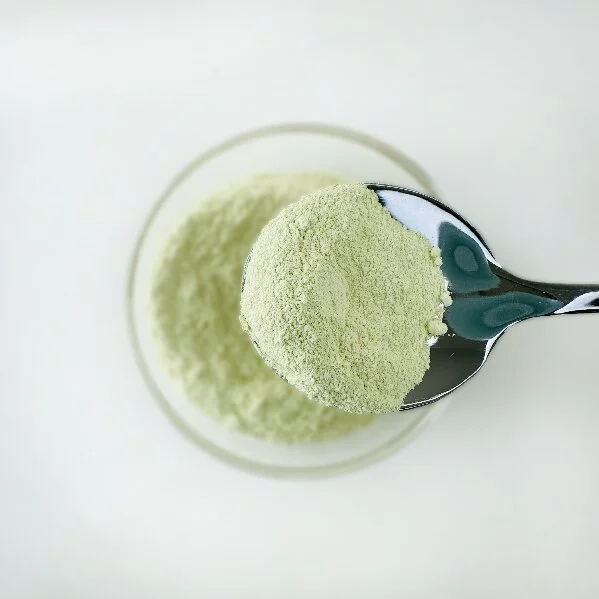
As a trusted Urolithin A supplier serving over 200 customers across 30+ countries, we provide customized solutions including formulation development, packaging specifications, and OEM/ODM support. Contact our expert team at info@newgoldherb.com to explore our complete product portfolio, request samples, and discover how our premium ingredients can enhance your formulations while meeting your sustainability and quality objectives.

Send Inquiry

Related Industry Knowledge
- The Truth About Resveratrol: Does It Really Work?
- GMP Red Beet Powder for Nutraceutical Manufacturing
- Fisetin Explained: From Antioxidant to Longevity Molecule
- Tribulus Terrestris benefits & Scientific Overview
- Sulforaphane-Rich Broccoli Seed Extract for Detox Formulations
- How Fisetin Supports Anti-Aging and Cellular Health
- Fisetin for Anti-Aging: Science, Benefits, and Supplement Trends
- High-Purity 5-Hydroxytryptophan Powder for Sleep and Mood Support Supplements
- Fisetin in Dietary Supplements: Science, Benefits, and Industry Opportunities
- Why Urolithin A Is the Next Big Ingredient in Longevity Supplements