
Urolithin A in Anti-Aging Supplements: Market Trends and B2B Opportunities
Mar 18, 2026
As the global anti-aging supplement market undergoes a profound transformation toward "precision, scientific rigor, and natural sourcing," Urolithin A (UA) has distinguished itself from a multitude of anti-aging ingredients. Leveraging its unique mechanism of "activating mitophagy," robust scientific backing, and inherent natural safety, UA has emerged as a pivotal force driving the industry's evolution. Unlike traditional antioxidant or anti-inflammatory ingredients, UA centers its core value proposition on "targeted repair of senescent cells and the delay of muscular and physiological decline." This precisely aligns with the sophisticated anti-aging demands of modern consumers—specifically, the pursuit of "healthy longevity and the postponement of functional aging." Consequently, UA has not only rapidly ignited the consumer market but has also unlocked vast opportunities for B2B collaboration. From the vantage point of the anti-aging supplement industry, this article integrates the latest market data for 2026—encompassing raw material landscapes, processing technologies, and regulatory compliance requirements—to provide an in-depth analysis of Urolithin A's market development trends. It identifies core B2B opportunities across areas such as raw material supply, product R&D, and compliance services, offering actionable collaboration guidance to industry stakeholders—including raw material suppliers, supplement brands, and manufacturers—thereby empowering enterprises to secure a commanding position within the competitive anti-aging sector.
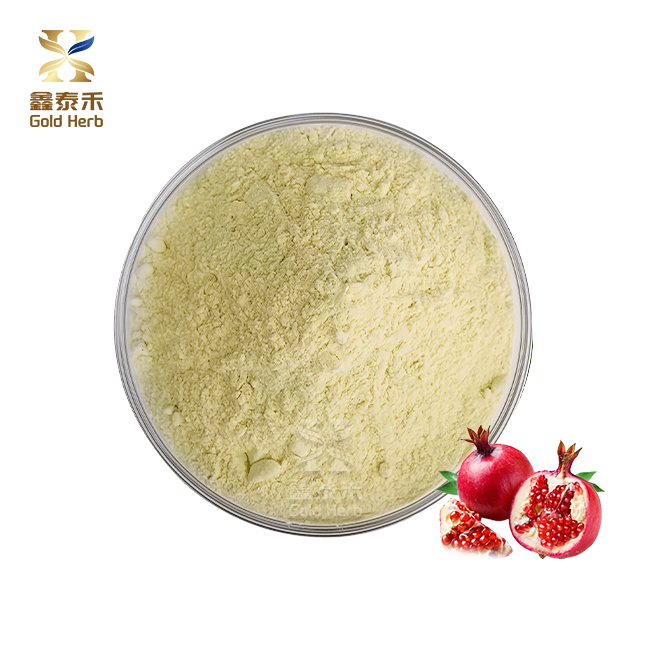
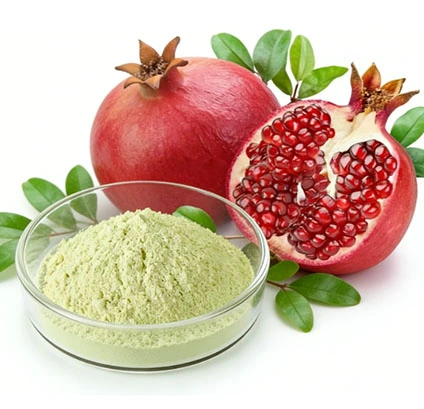
Urolithin A is a naturally active metabolite produced through the intestinal microbiota's metabolism of ellagitannins (compounds widely found in natural food sources such as pomegranates, strawberries, and raspberries). Its core value lies in its ability to specifically activate mitophagy—the selective degradation of mitochondria—thereby clearing damaged mitochondria from the body and promoting mitochondrial biogenesis. By addressing aging at the very source of cellular energy, UA effectively slows down the aging process while simultaneously delivering a multifaceted array of anti-aging benefits, including muscle repair, anti-inflammatory effects, and neuroprotection. Compared to other popular anti-aging ingredients such as NMN and Resveratrol, Urolithin A boasts distinct advantages characterized by its "natural origin, gentle action with minimal physiological burden, and adaptability across diverse application scenarios." Furthermore, its mechanism of action has been validated by numerous clinical studies worldwide; this not only resonates with consumers' fundamental desire for "natural anti-aging solutions" but also provides a robust foundation for B2B enterprises regarding product development and regulatory-compliant marketing claims. As the global anti-aging market continues to expand in 2026, market demand for Urolithin A is experiencing explosive growth; consequently, B2B collaboration opportunities across its upstream and downstream supply chain have come to the fore, positioning it as one of the most promising growth drivers within the anti-aging supplement sector.
Key Market Trends for Urolithin A in Anti-Aging Supplements
Based on the global anti-aging supplement market dynamics, shifting consumer demand, and technological advancements within the industry—all projected through 2026—the market development of Urolithin A reveals four distinct trends. These trends not only shape consumer-side (C-side) market orientation but also delineate the core strategic directions for business-side (B-side) collaborations.
(I) Market Size Continues to Expand, Leading the Growth Trajectory Among Anti-Aging Ingredients
The sustained surge in the global anti-aging supplement market has opened up vast market opportunities for Urolithin A. According to industry data, the total global market size for Urolithin A reached US$1.14 billion in 2025. It is projected to grow to US$1.27 billion in 2026, boasting a Compound Annual Growth Rate (CAGR) of 12.14%. By 2032, the market is expected to surpass US$2.55 billion—a growth rate that significantly outpaces that of traditional anti-aging ingredients. Within this landscape, the anti-aging supplement sector serves as the primary application scenario for Urolithin A, accounting for over 65% of its usage. The key driving factors include: First, the accelerating global aging of populations has triggered a surge in demand among middle-aged and elderly demographics for solutions to "delay muscle decline and boost physical vitality"—a need that Urolithin A’s unique efficacy in muscle repair and mitochondrial maintenance addresses with precision. Second, anti-aging awareness has emerged earlier among younger demographics; working professionals and fitness enthusiasts are increasingly seeking anti-aging supplements that are "natural, highly effective, and non-habit-forming," and Urolithin A’s natural origins and gentle properties align perfectly with these consumer preferences. Third, the continuous translation of scientific research findings into practical applications has further reinforced consumer recognition of Urolithin A’s anti-aging efficacy, thereby driving sustained market demand. Regionally, the Asia-Pacific area (led primarily by China and Japan) has emerged as a core growth hub for the Urolithin A market, exhibiting growth rates that exceed the global average. Notably, the Chinese market—characterized by its massive anti-aging consumer base and robust supply chain infrastructure—has become a key strategic focus area for B-side enterprises seeking to establish a market presence.
(II) Refined Efficacy Positioning: Focusing on Muscle Anti-Aging and Multi-Scenario Expansion
Currently, the anti-aging supplement market is undergoing a transformation—shifting from a focus on "generalized antioxidant effects" to "precise, function-specific anti-aging." Consequently, the efficacy positioning of Urolithin A is also evolving to reflect trends toward greater refinement and diversification. Its core positioning centers on "muscle anti-aging," addressing critical pain points such as muscle loss in the middle-aged and elderly, muscle laxity in sedentary individuals, and muscle recovery in athletes. This focus has established it as a distinct differentiator—a core label that sets it apart from other anti-aging ingredients. According to the latest clinical data from 2026, daily supplementation with 1,000 mg of Urolithin A over an eight-week period resulted in significant improvements in maximum bench press strength and muscular endurance metrics among male athletes, while also markedly boosting peak leg muscle torque in middle-aged individuals. This data serves as a pivotal foundation for B2B enterprises seeking to differentiate their products through targeted marketing. Concurrently, as scientific research deepens, the scope of Urolithin A’s efficacy continues to expand, gradually extending into fields such as neuroprotection, skin anti-aging, and gut health. Particularly in the realm of preventing cognitive decline, its excellent ability to cross the blood-brain barrier—coupled with its selective distribution within the brain—offers B2B enterprises a new avenue for developing "anti-aging + brain health" combination supplements, thereby further broadening the boundaries of product application.
(III) Upgrading Raw Material Quality: High Purity and High Bioavailability Emerge as Core Competencies
The quality of raw materials is the primary determinant of the efficacy of Urolithin A supplements. In 2026, industry standards for Urolithin A raw materials continued to rise, with "high purity, high bioavailability, and regulatory compliance" becoming the prevailing market benchmarks. Currently, the industry-accepted standard requires Urolithin A raw materials to possess a purity level of ≥90%; however, premium supplement products typically utilize raw materials with a purity of ≥98%. Furthermore, these materials must hold authoritative international certifications—such as GMP, GRAS, and NSF—to guarantee the absence of impurities such as heavy metals and pesticide residues. At the same time, Urolithin A naturally presents inherent industry challenges regarding its "poor water solubility and low bioavailability"; standard raw materials typically exhibit a bioavailability of only around 25%. However, through advanced processing techniques—such as Supraeutic® supramolecular co-crystallization enhancement—its water solubility can be boosted to 100%, and its bioavailability increased by a factor of 4.62. Consequently, such high-bioavailability raw materials have become the preferred choice for B2B brands. On the raw material supply side, the market exhibits a landscape characterized by "top-tier concentration and differentiated competition." Domestic enterprises—such as Jiangsu Caiwei, Shaanxi Chenming, and Hebei Hongtao—complement leading international raw material suppliers. Leveraging core strengths such as "molecular-level purification," "aerospace-grade production standards," and "high cost-effectiveness," these companies cater to the diverse needs of various B2B clients.
(IV) Stricter Regulatory Compliance: Standardization and Transparency Emerge as Industry Consensus
As the global market for anti-aging supplements becomes increasingly regulated, compliance requirements for Urolithin A have grown progressively stringent, thereby driving the industry toward a transformation defined by "standardization and transparency." Currently, regulatory frameworks for Urolithin A vary across key markets—including the United States, the European Union, and China—yet all share several explicit requirements: raw materials must undergo safety assessments; product labels must clearly indicate raw material purity, recommended daily dosage, and contraindications for specific populations; efficacy claims must be substantiated by scientific evidence; and the use of medicalized language is strictly prohibited. For instance, the U.S. market mandates that Urolithin A, classified as a New Dietary Ingredient (NDI), requires the submission of a notification—accompanied by safety documentation—to the FDA at least 75 days in advance. Conversely, the Chinese market requires Urolithin A to be registered either as a general food product or as a health food product (distinguished by the "Blue Hat" certification); health food products, in particular, must secure regulatory approval for specific functional claims—such as "antioxidant properties" or "support for memory improvement"—and the recommended daily dosage is advised to remain within a reasonable range. These heightened compliance requirements compel B2B enterprises to strengthen their supply chain management and refine their regulatory documentation, while simultaneously creating new collaborative opportunities for companies capable of providing specialized compliance services.
Urolithin A: Core B2B Opportunities in the Anti-Aging Supplement Sector
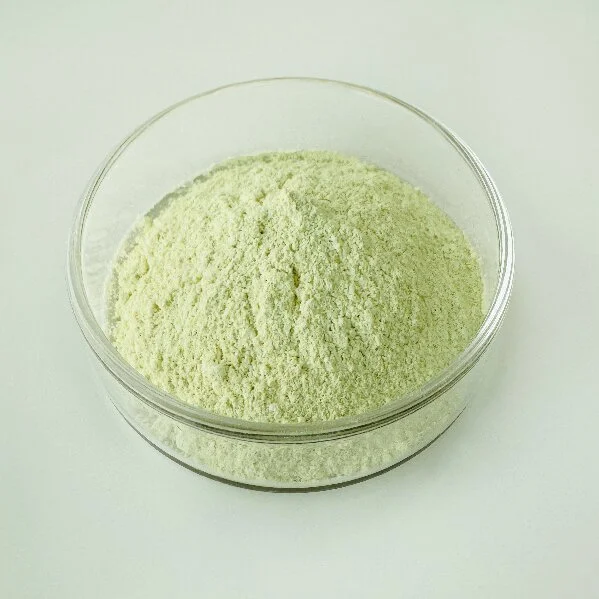
The Urolithin A market is heating up; beyond driving innovation in consumer-facing (B2C) products, it has also established a comprehensive B2B collaborative ecosystem spanning the entire value chain—from raw material supply, product R&D, and manufacturing to regulatory compliance services and channel expansion. In light of industry trends projected for 2026, B2B opportunities are primarily concentrated in four key areas—raw material supply, customized R&D, manufacturing and processing, and regulatory compliance services—covering both upstream and downstream segments of the value chain to meet the diverse collaborative needs of various enterprises.
(I) Raw Material Supply: High Purity and High Bioavailability Ingredients Take Center Stage
Raw material supply serves as the foundation for B2B collaboration involving Urolithin A and currently represents the sector with the greatest potential for partnership. As supplement brands increasingly raise their standards for ingredient quality, high-purity and high-bioavailability Urolithin A ingredients have become scarce resources in the market. Core collaborative opportunities in this domain manifest in three key areas: First, *high-end raw material supply*: targeting mid-to-high-end supplement brands, ingredient manufacturers can provide natural extracts or biosynthesized ingredients with a purity of ≥98%—certified by international standards such as GRAS and GMP—alongside compliance documentation (e.g., HPLC analysis reports and safety assessments) to satisfy brands' demands for premium quality and regulatory adherence. An example is the molecular-grade purified ingredient offered by Jiangsu Caiwei, which precisely meets the needs of B2B clients who prioritize uncompromising quality. Second, *high-bioavailability raw material supply*: leveraging advanced technologies—such as supramolecular co-crystallization enhancement and microencapsulation—suppliers address the critical challenge of Urolithin A's poor absorption, thereby creating a differentiated "highly absorbable" selling point for brand products. The process-optimized ingredients utilized by TimeBeacon, for instance, have emerged as a preferred choice for numerous brands. Third, *customized raw material supply*: suppliers offer ingredients of varying purities and specifications tailored to a B2B client's specific product positioning (mass market vs. premium) and dosage form (capsules, oral liquids, or chewable tablets). Simultaneously, they provide dosage guidance and technical process support to assist clients in optimizing their product formulations; Hubei Haijia, for instance, offers small-batch samples and customized compound ingredient blending services. Furthermore, for export-oriented supplement brands, ingredient manufacturers holding international certifications such as FDA and LFGB (e.g., Shandong Pingju) can supply materials that fully comply with the regulatory requirements of target export markets, thereby facilitating the brands' successful expansion into the global arena.
(II) Customized R&D: Focusing on Niche Scenarios to Create Differentiated Products
The current market for anti-aging supplements suffers from severe product homogenization; consequently, B2B brands face an increasingly urgent need for "differentiated product R&D." The multi-functional properties of Urolithin A offer vast potential for customized product development, with core collaboration opportunities centering on three key niche scenarios: First, the *anti-aging scenario for muscles in middle-aged and elderly populations*. Addressing pain points such as muscle loss and declining mobility in this demographic, this involves developing a compound formula of "Urolithin A + Creatine + Vitamin D." Positioned with key selling points of "muscle repair" and "delaying aging," this product is ideally suited for high-end wellness and senior healthcare channels. Collaboration with raw material suppliers and R&D institutions can facilitate the optimization of formula ratios, thereby ensuring both efficacy and safety. Second, the *anti-aging scenario for younger demographics*. Targeting working professionals and fitness enthusiasts, this entails developing a compound supplement featuring "Urolithin A + Resveratrol + PQQ." Key selling points include "natural anti-aging," "boosting vitality," and "aiding muscle recovery." The product is offered in convenient dosage forms—such as capsules or chewable tablets—to align with the consumption habits of younger consumers. Third, the *holistic anti-aging scenario*. Leveraging Urolithin A’s neuroprotective and gut health-promoting properties, this involves developing a compound formula of "Urolithin A + DHA + Probiotics." The goal is to create a differentiated product—characterized by "multi-target anti-aging" and a "holistic approach to internal and external wellness"—thereby avoiding the intense competition of a "Red Ocean" market. In terms of B2B collaboration within the R&D phase, a tripartite partnership model—involving "R&D Institutions + Raw Material Suppliers + Brands"—is highly effective. Under this model, R&D institutions provide technical support, raw material suppliers provide high-quality ingredients, and brands oversee market implementation, thereby enabling complementary strengths and mutual growth.
(III) Production and Processing: Process Upgrades and Flexible Manufacturing to Meet Diverse Needs
In the production and processing phase of Urolithin A, the core opportunities lie in "process upgrades" and "flexible manufacturing," aimed at satisfying the diverse production requirements of B2B brands. On one hand, with the growing prevalence of high-bioavailability raw materials, manufacturing enterprises equipped with advanced processing technologies—such as microencapsulation and supramolecular co-crystal enhancement—are emerging as key partners for B2B brands. These manufacturers can assist brands in transforming standard Urolithin A raw materials into highly absorbable products, thereby enhancing both product efficacy and market competitiveness, while simultaneously resolving issues related to Urolithin A’s inherent instability and extending product shelf life. For instance, leveraging its aerospace-grade cleanrooms and GMP-certified standards, Shaanxi Chenming offers flexible production services for high-purity Urolithin A. This includes supporting small-batch trial runs to meet the product iteration needs of brands launching new lines. Conversely, addressing the critical pain points faced by small and medium-sized brands—specifically "insufficient production capacity" and "outdated manufacturing processes"—manufacturers can provide comprehensive, one-stop OEM/ODM services. These services span the entire value chain—from formula optimization and raw material procurement to production processing and packaging design—thereby lowering the barrier to entry for smaller brands looking to enter the market. Furthermore, eco-friendly manufacturing has emerged as a key industry trend. Manufacturers equipped with environmental capabilities—such as wastewater recycling systems (Shaanxi Chenming, for example, boasts a wastewater recycling rate of 90%) and biodegradable packaging solutions—are better positioned to align with the ESG strategies of B2B brands, thereby enhancing their competitive edge in collaborative partnerships.
(IV) Compliance and Ancillary Services: Empowering Brands to Mitigate Risk and Achieve Efficient Market Entry
As regulatory oversight becomes increasingly stringent, B2B brands are demonstrating a growing demand for compliance-related services regarding Urolithin A supplements; consequently, these ancillary services have become a new growth driver within the B2B sector. Key opportunities in this area include: First, *Compliance Filing and Registration Services*: Providing brands with filing and registration assistance for Urolithin A supplements across various markets (e.g., China, the U.S., and the EU). This involves assisting with the preparation of compliance documentation—such as safety assessment reports, efficacy validation data, and packaging label designs—to ensure products can be legally launched. For export-oriented brands in particular, value-added services—such as streamlining customs clearance procedures and providing expert interpretation of target-market regulations—can be offered; for instance, Shandong Pingju helps brands rapidly gain access to international markets. Second, *Testing and Traceability Services*: Offering third-party testing for key parameters—including raw material purity, heavy metal content, and microbial levels—while simultaneously establishing product traceability systems. This ensures end-to-end transparency—covering raw material origins, production batch details, and testing reports—thereby significantly boosting consumer trust. For example, every bottle produced by TimeBeacon is equipped with a unique traceability code, allowing consumers to access comprehensive information regarding the entire product lifecycle. Third, *Scientific Education and Marketing Support*: Providing B2B brands with services such as the interpretation of scientific research data on Urolithin A, the optimization of marketing messaging regarding product efficacy, and the creation of educational content. These services empower brands to effectively communicate core value propositions—such as "mitochondrial autophagy" and "anti-aging for muscles"—to consumers, thereby rapidly building brand awareness and helping products successfully break into the mainstream market.
B2B Partnership: Risk Mitigation and Implementation Strategies
While seizing B2B opportunities for Urolithin A, participants across the industry value chain must simultaneously mitigate critical risks—including those related to compliance, product quality, and supply chains—to ensure efficient partnership implementation and achieve mutual success. Based on the industry landscape projected for 2026, the following implementation strategies are proposed:
(I) Strict Quality Control: Establish a Comprehensive Quality Management System
Raw material suppliers must uphold uncompromising quality standards, strictly controlling parameters such as purity, heavy metal content, and solvent residues. They must provide complete testing reports and compliance certifications to prevent raw material quality issues from jeopardizing partnerships. When selecting raw material suppliers, brand owners should conduct on-site inspections of production facilities to verify credentials and manufacturing processes, prioritizing suppliers that hold certifications such as GRAS and GMP (e.g., leading manufacturers like Jiangsu Caiwei and Shandong Pingju). Manufacturers, in turn, must optimize their production processes to ensure consistent product efficacy while establishing a batch-tracking system to effectively address quality complaints and regulatory audits.
(II) Uphold Compliance: Precisely Align with Target Market Regulations
Both parties in a B2B partnership must clearly define and understand the compliance requirements of their target markets to avoid issues—such as product delisting or shipment detention—stemming from regulatory non-compliance. For instance, products destined for the U.S. market require the completion of a New Dietary Ingredient (NDI) notification in advance; products exported to the EU must undergo safety assessments by the EFSA; and health foods intended for the Chinese market require "Blue Hat" registration. Furthermore, product labeling and efficacy claims must be strictly regulated to prohibit exaggeration or the use of medical terminology; labels must be transparent and contain complete information. Comprehensive compliance documentation must be maintained—and retained for a minimum of five years—to facilitate regulatory audits.
(III) Precise Positioning: Forge Differentiated Partnership Models
Raw material suppliers must clearly define their market positioning, focusing on core competencies (e.g., high purity, high bioavailability, export compliance) to strategically target specific clients and avoid undifferentiated competition. Brand owners should align their choice of raw materials and manufacturing partners with their own brand positioning (e.g., mass-market vs. premium, domestic vs. export focus), concentrating on specific market segments to create differentiated products rather than blindly following industry trends. R&D and manufacturing firms must prioritize technological innovation, introducing processes and products that possess core competitive advantages to enhance the added value of their partnerships.
(IV) Strengthen Synergy: Build a Stable, Collaborative Industry Ecosystem
B2B partnerships must move beyond the traditional "simple buy-and-sell" model to construct a synergistic ecosystem encompassing the entire value chain: "Raw Materials — R&D — Manufacturing — Compliance — Marketing." Raw material suppliers can collaborate with R&D institutions to continuously optimize production processes and enhance the efficacy of their ingredients; brand owners can forge deep ties with raw material suppliers and manufacturers to achieve formula optimization and secure production capacity; meanwhile, compliance service providers can coordinate stakeholders across the entire value chain to offer end-to-end regulatory support. By establishing a cooperative mechanism characterized by complementary strengths, shared risks, and mutual benefits, these parties can collectively drive the sustained and healthy development of the Urolithin A anti-aging supplement market.
Amidst the wave of transformation shifting the anti-aging supplement market toward greater precision and scientific rigor, Urolithin A has emerged as a core growth engine within the anti-aging sector. This success is driven by its unique functional advantages, robust scientific backing, and extensive market demand. Furthermore, its potential for B2B collaboration spans the entire industry value chain, offering immense promise. By 2026—fueled by continuous market expansion, the ongoing upgrading of raw material quality, and the increasing sophistication of regulatory compliance frameworks—B2B collaborations involving Urolithin A are expected to evolve along trends characterized by "refinement, diversification, and synergy." Four key domains—raw material supply, customized R&D, manufacturing and processing, and compliance services—will form the core of these collaborations, offering industry participants vast opportunities for growth and development.
For B2B enterprises, seizing the market opportunities presented by Urolithin A hinges on four core principles: "precise positioning, prioritizing quality, putting compliance first, and fostering synergistic win-win outcomes." Raw material suppliers must focus on quality and technology to cultivate core competencies; brand owners must anchor their strategies in specific application scenarios to create differentiated products; and manufacturing and compliance service providers must enhance their service capabilities to facilitate the efficient market launch of these brands. As the industry value chain continues to mature and technological innovation persists, Urolithin A is poised to evolve from a mere "emerging anti-aging ingredient" into a mainstream, core component within the anti-aging supplement landscape. Consequently, seizing B2B collaboration opportunities and establishing a stable cooperative ecosystem will prove critical for enterprises seeking to secure a leading position in the anti-aging sector and achieve sustainable growth.
As a trusted Urolithin A supplier serving over 200 customers across 30+ countries, we provide customized solutions including formulation development, packaging specifications, and OEM/ODM support. Contact our expert team at info@newgoldherb.com to explore our complete product portfolio, request samples, and discover how our premium ingredients can enhance your formulations while meeting your sustainability and quality objectives.

Send Inquiry
Related Industry Knowledge
- Gardenia Blue vs Butterfly Pea: Which Blue Colorant for Asia?
- Astaxanthin Benefits: Skin Health, Anti-Aging & Antioxidant Power
- Urolithin A Benefits for Muscle, Aging, and Cellular Energy
- Urolithin A Benefits for Mitochondrial Health and Longevity
- GMP Gardenia Blue Color for Industrial Food Processing
- Urolithin A: The Next-Generation Mitochondrial Health Ingredient for Longevity
- What Is Blue Matcha Butterfly Pea Flower Powder Used For in Food R&D?
- How Garcinia cambogia extract May Help With Weight Management
- What Is Fisetin? A Complete Guide for Supplement Manufacturers
- GMP Fisetin Powder for Pharmaceutical R&D Use