
Urolithin A Powder: Benefits, Applications, and B2B Supply Opportunities
Mar 18, 2026
As the global anti-aging industry undergoes a profound evolution toward "precision, scientific rigor, and naturalness," Urolithin A (UA) powder has distinguished itself from a multitude of anti-aging ingredients. Leveraging its unique mechanism of "activating mitochondrial autophagy," robust scientific backing, and adaptability across diverse applications, it has emerged as a core ingredient in sectors ranging from dietary supplements and skincare products to scientific research reagents. As a naturally active metabolite produced by gut microbiota—specifically through the metabolism of ellagitannins (compounds widely found in natural foods such as pomegranates, strawberries, and walnuts)—Urolithin A cannot be obtained in sufficient quantities solely through a standard daily diet; consequently, the exogenous intake of powdered raw material serves as the primary vehicle for delivering its therapeutic benefits. By 2025, the global market size for Urolithin A reached $1.14 billion; projected to grow to $1.27 billion in 2026—reflecting a compound annual growth rate (CAGR) of 12.14%—the market is expected to surpass $2.55 billion by 2032. As market enthusiasm continues to escalate, it has simultaneously catalyzed B2B collaboration opportunities spanning the entire industry value chain. This article provides a comprehensive analysis of the core efficacy and diverse application scenarios of Urolithin A powder. Furthermore, by integrating the latest industry dynamics, supplier landscape, and regulatory compliance requirements as of 2026, it delves deeply into the B2B supply value and potential collaboration pathways associated with this ingredient, offering actionable guidance for industry participants—including raw material suppliers, consumer brands, and manufacturing facilities—across the entire value chain.
Core Efficacy of Urolithin A Powder: Multi-Dimensional Anti-Aging Centered on Mitophagy
The core value of Urolithin A powder lies in its ability to specifically activate mitophagy—the selective degradation of mitochondria—thereby delaying the aging process at the very source of cellular energy. Unlike the singular effects offered by traditional antioxidant or anti-inflammatory ingredients, Urolithin A boasts a clear mechanism of action and robust scientific evidence. Furthermore, it extends into multiple health benefits, establishing itself as a core competitive advantage within the B2B market. Its core efficacy and authoritative scientific backing are outlined below:
(I) Core Efficacy: Precisely Targeting the Root Causes of Aging
1. Activating Mitophagy to Remodel the Cellular Energy System: This constitutes the most fundamental efficacy of Urolithin A. By clearing out aged and damaged mitochondria within the body and promoting the biogenesis of healthy new mitochondria, it enhances cellular energy metabolic efficiency, thereby delaying cellular aging at its source. A 2023 study published in *Nature Aging* confirmed that Urolithin A can significantly restore the function of hematopoietic stem cells in aged mice, bringing the functionality of these aging stem cells closer to that of young cells. Furthermore, the latest research from 2026 has further validated that its reparative effects on human cellular mitochondria are equally significant, providing a solid scientific endorsement for efficacy claims in consumer-facing products.
2. Muscle Anti-Aging and Repair: Catering to Diverse Demographics: Urolithin A powder improves muscle quality and contractile function, helping to delay muscle loss (sarcopenia) in middle-aged and elderly populations while simultaneously aiding muscle recovery in active individuals and athletes. A 2026 study published in *Sports Medicine*—involving real-world testing on 42 elite runners—demonstrated that after taking 1,000 mg of Urolithin A daily for four weeks, subjects experienced a 5.4% increase in maximum oxygen uptake (VO2 max). Additionally, levels of post-race muscle damage markers (such as creatine kinase) decreased significantly, and subjective fatigue levels dropped markedly. These results fully validate its efficacy in muscle repair and endurance enhancement, making it suitable for a wide range of groups, including the middle-aged and elderly, fitness enthusiasts, and athletes.
3. Immune Rejuvenation: Strengthening the Body's Defense Capabilities:It effectively reverses T-cell exhaustion, remodels the energy metabolic patterns of immune cells, and boosts both the quantity and activity of CD8+ T cells, thereby enhancing overall immune function. A 2025 randomized, double-blind, placebo-controlled trial demonstrated that a daily regimen of 1000 mg of Urolithin A, administered continuously for four weeks, resulted in an increased proportion of naive CD8+ T cells and a reduction in exhaustion markers among subjects. This makes it ideally suited for scenarios involving high-stress workplace environments and immune system enhancement in middle-aged and elderly populations.
4. Anti-inflammatory and Antioxidant Properties—Extending Value Across Multiple Applications: By inhibiting the NF-κB inflammatory pathway and reducing levels of pro-inflammatory factors such as TNF-α, Urolithin A simultaneously scavenges free radicals within the body, thereby protecting cells from oxidative damage. Numerous *in vitro* studies and clinical data have confirmed its ability to lower chronic inflammation levels and bolster cellular antioxidant capacity. This makes it suitable not only for the dietary supplement sector but also for expansion into areas such as skincare and gut health, thereby broadening the scope of B2B applications.
5. Neuroprotection—Pioneering the New Brain Health Sector: Possessing excellent permeability across the blood-brain barrier, Urolithin A can enhance neuronal mitochondrial metabolism, reduce neuroinflammation, and help prevent cognitive decline. Animal studies have demonstrated its capacity to improve cognitive function in mouse models of Alzheimer's disease and delay the progression of neurodegenerative disorders. This offers a new strategic direction for B2B enterprises seeking to develop "anti-aging + brain health" combination products.
(II) Powder Characteristics: Optimized for Large-Scale B2B Applications
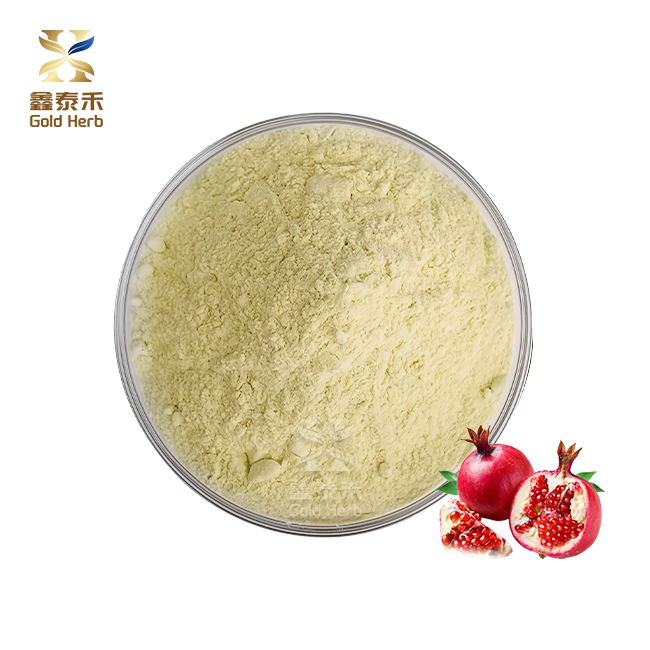
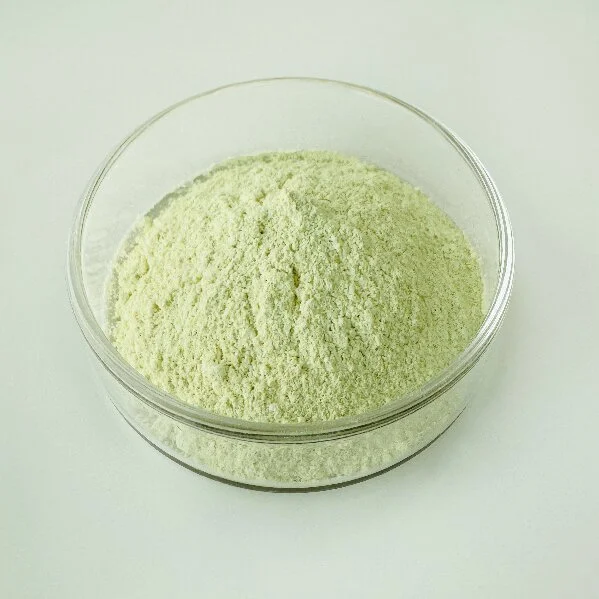
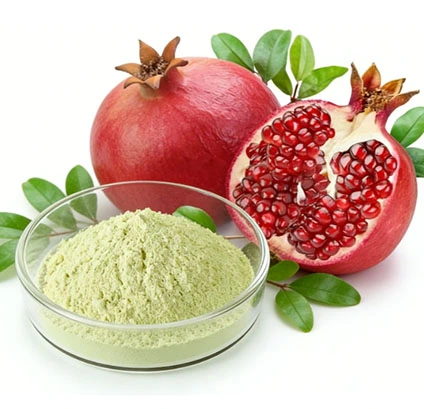
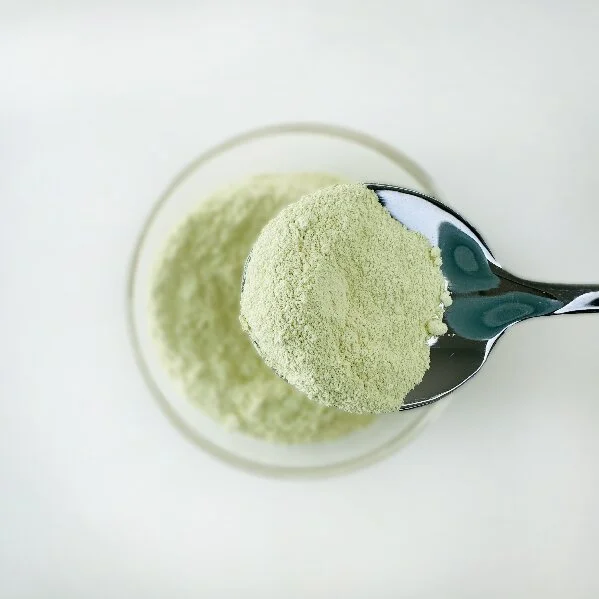
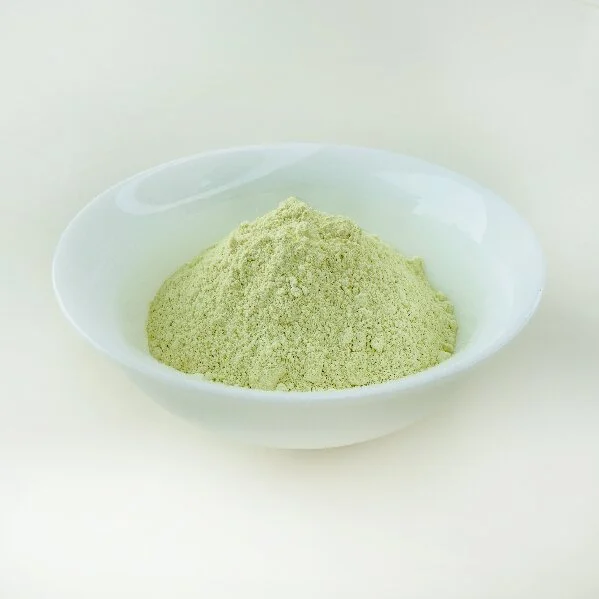
Urolithin A powder presents as a pale yellow to light beige crystalline solid. With a molecular formula of C₁₃H₈O₄ and a molecular weight of 228.2, it is soluble in highly polar solvents—such as dimethyl sulfoxide (DMSO) and DMF—though it exhibits relatively poor water solubility. This specific characteristic ensures its compatibility with the diverse processing requirements of various industries while simultaneously driving opportunities for B2B collaborations focused on process optimization. The substance boasts exceptional stability; it can be stored for extended periods under light-shielded, sealed, and dry conditions, and it demonstrates robust resistance to high temperatures as well as acidic and alkaline environments. Consequently, it is well-suited for the manufacturing processes of a wide array of products—including capsules, tablets, serums, and research reagents. Furthermore, it exhibits excellent biocompatibility, is naturally non-irritating, and presents no significant risk of dependency or adverse side effects, thereby perfectly aligning with the "natural, safe, and effective" product positioning sought by B2B brands.
The Multifaceted Application Scenarios of Urolithin A Powder: Spanning Supplements, Skincare, and Scientific Research—Unlocking B2B Opportunities Across Multiple Sectors
The physicochemical properties and multidimensional efficacy of Urolithin A powder make it ideally suited for three core sectors: dietary supplements, skincare products, and scientific research reagents. The varying demands across these distinct scenarios have generated differentiated B2B supply requirements; among these, the dietary supplement sector stands as the primary application scenario, accounting for over 65% of the market share.
(I) The Dietary Supplement Sector: The Core Application Scenario with the Most Concentrated Demand
As the leading application domain for Urolithin A powder, the dietary supplement sector focuses on three key sub-segments: "precision anti-aging," "muscle health," and "immune enhancement." B2B collaborations in this space primarily revolve around raw material supply, custom formulation, and process optimization:
1. Anti-Aging Supplements for Middle-Aged and Elderly Consumers: These products emphasize "mitochondrial repair," "muscle anti-aging," and "delaying functional decline." Common dosage forms include capsules and tablets, with a recommended daily intake of 250–1000 mg; they are well-suited for high-end wellness and senior health channels. B2B brands in this space typically opt for Urolithin A powder with a purity of ≥98%. It is frequently combined with ingredients such as NMN, resveratrol, and PQQ to create multi-target anti-aging products, thereby enhancing product premium potential.
2. Sports Nutrition Products: Targeted at fitness enthusiasts and athletes, these products focus on "muscle recovery," "endurance enhancement," and "reducing exercise-related injury." They are often formulated in combination with ingredients like creatine, Vitamin D, and L-carnitine, with capsules and portable stick packs serving as the predominant dosage forms. This category places high demands on the bioavailability of Urolithin A powder, thereby driving the demand for highly absorbable raw materials.
3. Compound Anti-Aging Formulations: Capitalizing on the multifaceted efficacy of Urolithin A, these products combine it with ingredients such as DHA, probiotics, and collagen to create compound offerings—e.g., "Anti-Aging + Brain Health," "Anti-Aging + Gut Health," or "Anti-Aging + Beauty." This strategy helps brands avoid intense "Red Ocean" competition and fulfills the B2B sector's need for differentiated market positioning. For instance, in anti-aging formulations designed for women, Urolithin A can be combined with collagen and astaxanthin to achieve a synergistic effect of "internal regulation and external nourishment."
(II) Skincare Sector: Emerging Application Scenarios with Immense Growth Potential
As anti-aging skincare evolves toward "cellular-level repair," Urolithin A powder is gradually emerging as a key ingredient in the skincare sector, thanks to its anti-inflammatory, antioxidant, and skin barrier-repairing properties. B2B collaborations in this space focus primarily on the supply of cosmetic-grade raw materials and formulation compatibility:
1. Anti-Aging Skincare Ingredients: Incorporated into products such as serums, creams, mists, and face masks, Urolithin A leverages its ability to activate mitochondrial autophagy within skin cells and promote collagen synthesis. Products featuring this ingredient are marketed with key claims such as "reducing fine lines," "strengthening the skin's foundation," and "delaying photoaging." According to the latest industry regulations updated in 2026, the maximum permissible concentration of Urolithin A in cosmetic formulations is 1%, while the minimum effective concentration is 0.5%. Furthermore, addressing the challenge of its poor water solubility has driven demand for process optimization services—such as microencapsulation and liposomal encapsulation—to enhance its efficacy and stability.
2. Skincare Products for Sensitive Skin: Thanks to its gentle and non-irritating nature, Urolithin A is ideally suited to meet the skincare needs of individuals with sensitive or compromised skin barriers. Products featuring this ingredient can highlight unique selling points such as being a "natural gut metabolite," offering "gentle anti-aging benefits," and being "non-irritating"—thereby distinguishing themselves from traditional, potentially irritating anti-aging ingredients like retinol. A randomized clinical trial conducted in 2023 demonstrated that a cream containing 1% Urolithin A significantly reduced facial wrinkle depth and improved skin hydration. Moreover, it exhibited a protective effect against UVB-mediated photodamage, reducing ultraviolet-induced erythema (redness) by approximately 14%, thereby providing skincare brands with robust, evidence-based support for their product efficacy claims.
(III) Scientific Research Reagents: A Niche Sector with High Added Value, Precisely Aligned with Research Needs
The application of Urolithin A powder within the scientific research domain primarily focuses on fields such as cell biology, aging biology, and immunology. It is tailored to meet the research requirements of universities, research institutions, and biotechnology companies. B2B collaborations in this sector are characterized by "small batches, high purity, and customization":
1. Core Application Scenarios: Urolithin A is utilized to investigate mechanisms of mitophagy, study immune cell senescence, validate models of neurodegenerative diseases, and explore the mechanisms of skin anti-aging, among other applications. These uses demand extremely high purity levels for the powder—typically ≥98%—while certain high-end research applications require purity levels exceeding 99.8%.
2. Demand Characteristics: While procurement volumes are relatively small (typically ranging from grams to kilograms), there are stringent requirements regarding product quality and analytical documentation. Suppliers must provide third-party testing reports—such as those generated via HPLC or GC—to verify purity. Furthermore, some clients require customized, research-grade powder with specific purity levels and guaranteed freedom from impurities, often demanding rapid delivery. This landscape presents high-value collaborative opportunities for enterprises possessing advanced capabilities in the production of high-end raw materials.
Core B2B Supply Standards for Urolithin A Powder: Quality, Certification, and Processing—The Determinants of Competitive Partnership
In B2B collaborations, the quality of Urolithin A powder directly dictates the efficacy, regulatory compliance, and market competitiveness of the final product. Consequently, "purity, impurity control, certification credentials, and processing expertise" have emerged as the core evaluation criteria for B2B supply—and the critical factors for identifying high-quality suppliers. Based on the latest industry regulations and the supplier landscape of 2026, the core supply standards are outlined below:
(I) Core Quality Indicators (Essential Reading)
1. Purity: The industry baseline standard is ≥90%; this standard is typically adopted for ingredients used in mass-market dietary supplements. However, mid-to-high-end supplements, skincare products, and research-grade reagents require a purity level of ≥98%. Certain research-grade products can even reach purity levels of 99.86%; these levels must be verified via HPLC testing to ensure compliance with established standards. For instance, GUANJIE Bio’s Urolithin A powder boasts a purity level of 98.9%—far exceeding the industry baseline—and has successfully passed rigorous third-party testing.
2. Impurity Control: Levels of heavy metals (Lead ≤0.5 ppm, Arsenic ≤1.5 ppm, Cadmium ≤0.5 ppm, Mercury ≤0.1 ppm), residual solvents (Methanol ≤3000 ppm), and other organic impurities must comply with international regulatory standards to prevent any adverse impact on the safety of the final product. Reputable suppliers are required to provide heavy metal and microbiological test reports for every production batch, thereby guaranteeing that the product is free from residual impurities.
3. Bioavailability: Standard Urolithin A powder typically exhibits a bioavailability of only 25%–30%, making it difficult to fully realize its therapeutic potential—a persistent pain point within the industry. However, through advanced processing techniques—such as supramolecular co-crystallization enhancement, microencapsulation, and liposomal encapsulation—bioavailability can be boosted to over 50%. Such high-bioavailability ingredients have become the preferred choice for mid-to-high-end B2B brands and represent a core strategic direction for suppliers seeking to establish a distinct competitive advantage. 4. **Certification Credentials:** In B2B collaborations, raw materials are required to hold core certifications such as GMP (Good Manufacturing Practice), GRAS (Generally Recognized as Safe by the US FDA), NSF, and ISO 9001. Additionally, certain export products may require HALAL and KOSHER certifications to meet the specific compliance requirements of diverse markets. For instance, Hebei Hongtao’s Urolithin A powder holds both HALAL certification and food-grade status, enabling its extensive export to Southeast Asia and the Middle East; Shandong Pingju’s products have passed numerous international certifications, earning the favor of major global brands such as Nestlé and Mars; meanwhile, Guanjie Biology possesses a comprehensive suite of certifications—including ISO, HALAL, and KOSHER—thereby significantly enhancing the international competitiveness of its products [6].
(II) Mainstream Production Processes and Supply Advantages
Currently, the production processes for Urolithin A powder fall primarily into three categories. Each process features distinct characteristics and is suited to different application scenarios; suppliers can leverage these variations to offer differentiated products tailored to the specific needs of their B2B clients, as detailed below:
1. Chemical Synthesis Process: Characterized by high purity (98%–99.8%), stable output, and controllable costs, this is the predominant production method for raw materials used in dietary supplements and skincare products. Utilizing 2-bromobenzoic acid as a starting material, the process involves a multi-step reaction and purification sequence that effectively limits methanol residue to within 90 ppm. This method is well-suited for large-scale supply and is ideal for B2B clients who are cost-sensitive yet prioritize high purity.
2. Microbial Fermentation Process: Distinguished by its natural origin and excellent biocompatibility, this process utilizes ellagic acid as a substrate to generate Urolithin A through anaerobic fermentation, yielding a product with a purity of ≥98%. It is particularly suitable for applications such as high-end organic supplements and research reagents, aligning closely with consumer demand for "naturally sourced" products. However, production costs are relatively high—typically 30% to 40% higher than those for conventional nutritional supplement ingredients—making this method primarily targeted at mid-to-high-end B2B clients.
3. Process Optimization and Upgrading: Designed to address the inherent challenges of Urolithin A—specifically its poor water solubility and low bioavailability—this approach employs advanced optimization techniques such as supramolecular co-crystallization and microencapsulation. These enhancements significantly boost the product's water solubility and absorption efficiency, potentially increasing its bioavailability by a factor of 4 to 5. This enables B2B brands to establish "highly efficient absorption" as a key differentiator in their product positioning; consequently, these optimized raw materials command a higher premium in the market.
(III) Packaging and Supply Specifications (Tailored to B2B Production Needs)
1. Standard Packaging: We utilize export-grade packaging that is light-shielding, hermetically sealed, and moisture-proof. The standard unit size is 25 kg per drum; however, select suppliers support small-batch trial orders—such as 10 kg, 5 kg, or 1 kg units—to accommodate the needs of B2B brands during new product pilot runs and small-scale production phases. For instance, Hubei Haijia offers small-package samples, specifically catering to the R&D and production requirements of small and medium-sized clients.
2. Customization Services: We offer tailored solutions based on a B2B client's specific product positioning and desired dosage forms. This includes adjusting packaging specifications (e.g., 1 kg bags or 5 kg drums), providing exclusive labeling services, offering customized purity levels (e.g., 90%, 95%, or 98%), and supplying compounded raw material blends. For example, Shandong Pingju provides customized formula optimization services aligned with a client's specific manufacturing processes, while Hubei Haijia offers technical support for compounding Urolithin A with other active ingredients, thereby streamlining the brand's formula development workflow.
B2B Supply Opportunities for Urolithin A Powder: Comprehensive Value Chain Coverage Tailored to Diverse B2B Client Needs
As the market for Urolithin A continues to gain momentum, B2B supply opportunities now span the entire value chain—encompassing "raw material supply, process optimization, customized services, and regulatory compliance support." This coverage extends to a diverse range of B2B clients, including dietary supplement brands, skincare manufacturers, research institutions, and contract manufacturers. Given the varying requirements of these distinct client groups, a diverse array of collaborative models has emerged. Drawing upon industry trends and supplier case studies from 2026, the core B2B supply opportunities are outlined below:
(I) Core Opportunity 1: Supply of High-Purity, High-Bioavailability Raw Materials (Foundational Collaboration)
This represents the most central B2B collaboration scenario for Urolithin A powder today, catering to the foundational requirements of various B2B clients. However, the specific supply priorities differ depending on the client type:
1. Mid-to-High-End Anti-Aging Supplement Brands: The core requirements here are high purity (≥98%), high bioavailability, and comprehensive regulatory certifications. Suppliers must provide HPLC test reports, safety assessment reports, and Certificates of Analysis (COAs) to assist brands in developing premium-tier products, while also offering guidance on appropriate dosages. Leading suppliers—such as Jiangsu Caiwei and Shandong Pingju—are capable of providing high-purity raw materials that meet international standards, thereby catering to the export ambitions and domestic high-end market strategies of premium brands.
2. Research Institutions / Biotechnology Companies: The core requirements for this sector are research-grade purity (≥98%, and in some cases ≥99%), small-batch availability, and rapid delivery. Suppliers must offer customized purity services and provide a complete suite of supporting scientific test reports. Furthermore, they must accommodate small-scale procurement orders—ranging from grams to kilograms—to align with research institutions' specific study requirements. For instance, companies like Guanjie Bio offer free samples and support rapid delivery to effectively meet the research needs of scientific institutions.
3. Skincare Manufacturers: The core requirements for this sector are cosmetic-grade raw materials that are gentle, non-irritating, and highly compatible with formulations. Suppliers must ensure that the raw materials are free from irritating impurities, support formulation integration at concentrations of up to 1%, and provide data regarding raw material stability. Additionally, they must assist in resolving common challenges—such as poor water solubility—by offering solutions like microencapsulated powder forms, thereby effectively meeting the specific formulation requirements of skincare products. 4. Mass-Market Supplement Brands: The core requirements here are high cost-effectiveness and a stable supply. Suppliers capable of providing raw materials with a purity of ≥90%—while simultaneously controlling costs and ensuring quality meets standards—are highly sought after. For instance, Hebei Hongtao, leveraging its powerful economies of scale and cost-control capabilities, has become the preferred partner for large-scale enterprises prioritizing high cost-effectiveness, enabling the reliable, high-volume supply of raw materials.
(II) Core Opportunity 2: Process Optimization and Customized Raw Material Services (Differentiated Collaboration)
As the demand for differentiated competition among B2B brands intensifies, the mere supply of raw materials is no longer sufficient to meet market needs; consequently, process optimization and customized services have emerged as new key growth drivers:
1. Customization of High-Bioavailability Raw Materials: Targeted at mid-to-high-end brands, this service provides raw materials optimized through advanced processes—such as supramolecular co-crystallization and microencapsulation—to address the critical challenge of poor Urolithin A absorption. By establishing "highly efficient absorption" as a core selling point, these optimized materials significantly enhance product competitiveness; furthermore, the collaborative premium for such optimized raw materials commands a price point more than 30% higher than that of standard raw materials.
2. Customization of Compound Raw Materials: Based on a B2B client's specific product positioning and application scenarios, Urolithin A is compounded with other anti-aging or nutritional ingredients (such as Resveratrol, Coenzyme Q10, Creatine, or DHA) to produce pre-mixed powders. This approach streamlines the brand's formulation development process and reduces R&D costs. For example, Hubei Haijia—leveraging its extensive product matrix of nutritional fortifiers—offers compounding services that combine Urolithin A with a wide array of other ingredients, thereby empowering clients to successfully expand their product lines.
3. Customization for Dosage Form Compatibility: To ensure seamless integration with manufacturing processes and minimize production waste, the parameters of Urolithin A powder—such as particle size and flowability—are adjusted to align with the client's specific dosage form requirements (e.g., capsules, tablets, liquid serums, or stick packs). For instance, Hong Kong Tiangong provides multi-dosage-form customization services compatible with capsules, gummies, powders, liquid drops, and various other formats. Furthermore, the company offers rapid prototyping services (within 5–10 days) to help brands meet their critical time-to-market objectives.
(III) Core Opportunity 3: Comprehensive Ancillary Services (Value-Added Partnerships)
As regulatory compliance standards become stricter and market competition intensifies, B2B clients’ demand for ancillary services is steadily rising. Consequently, value-added services have become a critical factor for suppliers seeking to enhance their competitiveness. Key ancillary services include:
1. Compliance Filing Support: Assisting B2B clients in completing compliance filings and registrations across various markets—such as the U.S. FDA’s NDI (New Dietary Ingredient) notifications, the EU EFSA’s safety assessments, and China’s General Food/“Blue Hat” (Health Food) registrations—while providing guidance on label design and efficacy claim compliance to mitigate regulatory risks. For instance, Shandong Pingju leverages its extensive foreign trade experience to help domestic brands boost customs clearance efficiency by 50%, effectively providing them with a “passport” to global markets. Similarly, Hong Kong Tiangong offers support for export registrations (e.g., FDA, EFSA, CFDA) and compliant label design, thereby empowering brands to successfully expand into international markets [2]. It is worth noting that the Swiss Federal Food Safety and Veterinary Office (FSVO) has classified Urolithin A as a “Novel Food”; consequently, it requires specific authorization before it can be sold within the EU and Swiss markets. Suppliers must therefore assist their clients in navigating and completing the requisite authorization procedures.
2. Testing and Traceability Services: Providing third-party testing services for key parameters—such as raw material purity, heavy metal levels, and microbial contamination—and establishing robust raw material traceability systems. This ensures end-to-end traceability covering production batches, test reports, and raw material origins, thereby enhancing trust among end consumers. For example, Guanjie Bio maintains deep collaborative partnerships with third-party testing agencies to ensure that every product batch is accompanied by a comprehensive test report, enabling full-process traceability.
3. Technical and Marketing Support: Offering B2B clients support in areas such as raw material processing parameters, efficacy messaging, scientific data interpretation, and science-based content creation. This assistance helps brands effectively communicate core value propositions—such as “mitophagy” and “anti-aging for muscles”—to consumers, thereby rapidly building brand awareness. Furthermore, in light of the relatively low level of consumer awareness regarding Urolithin A (with only 22% of dietary supplement users able to accurately describe its benefits), suppliers can assist brands in conducting market education initiatives to boost product recognition and acceptance.
Thanks to its core efficacy in "activating mitophagy," robust scientific backing, and diverse application scenarios, Urolithin A powder has emerged as a pivotal ingredient in the anti-aging sector. The market for this ingredient continues to expand, presenting significant potential and B2B supply opportunities that span the entire industry value chain. By 2026—driven by the evolving demands of consumers for anti-aging solutions, continuous improvements in manufacturing processes, and the increasing sophistication of regulatory frameworks—the application scope of Urolithin A powder is expected to broaden further. Consequently, B2B collaborations are projected to evolve toward trends characterized by "precision, diversification, and synergy," with raw material supply, process optimization, and regulatory compliance services becoming the central pillars of these partnerships.
For B2B stakeholders, suppliers must uphold rigorous quality standards, leverage their core competencies, and offer differentiated raw materials alongside value-added services to precisely align with the specific needs of various clients. Conversely, end-consumer brands, research institutions, and other clients must align their strategies with their unique market positioning to select the most suitable suppliers and collaboration models. By capitalizing on the distinct advantages of Urolithin A, these entities can develop differentiated products and secure a leading position within the competitive anti-aging landscape. Although the current market still faces challenges—such as limited consumer awareness, significant regional regulatory disparities, and relatively high production costs—the continuous maturation of the industry value chain and ongoing market education initiatives are poised to transform Urolithin A powder from a mere "emerging anti-aging ingredient" into a mainstream, core staple of the anti-aging sector. Consequently, its B2B supply market is set to unlock even greater growth potential, generating sustained commercial value for all participants across the entire industry value chain.
As a trusted Urolithin A supplier serving over 200 customers across 30+ countries, we provide customized solutions including formulation development, packaging specifications, and OEM/ODM support. Contact our expert team at info@newgoldherb.com to explore our complete product portfolio, request samples, and discover how our premium ingredients can enhance your formulations while meeting your sustainability and quality objectives.

Send Inquiry
Related Industry Knowledge
- Why Urolithin A Is the Future of Anti-Aging Science
- Why Silymarin Is the #1 Natural Liver Support Ingredient
- Sulforaphane-Rich Broccoli Seed Extract for Detox Formulations
- How 5-Hydroxytryptophan Supports Better Sleep and Emotional Balance
- Can Fisetin Be Used in Functional Foods? Formulation Tips
- Urolithin A Manufacturer | Premium Raw Material for Longevity Supplements
- OEM Boswellia Extract Powder Solutions for Supplement Brands
- OEM Gymnema Sylvestre Extract for Private Label Products
- Boswellia Extract Manufacturing Process Explained
- Ergothioneine: Synthetic biology empowers new value for multi-domain B2B collaborations