
What Buyers Should Know About High Purity Silymarin Powder?
Aug 07, 2026
A constant problem for procurement professionals is telling the difference between cheap extracts of plants and parts that actually help with therapy when they are looking for botanical actives for nutraceutical or cosmetic formulations. Buying teams, R&D leaders, and formulation managers must choose high-purity silymarin powder to meet clean-label standards and make sure the product works. The flavonolignan complex in this standardized milk thistle extract, which is made up of silybin, silychristin, and silydianin, protects the liver and fights free radicals. It usually has 80% total silymarin by UV inspection. Knowledgeable buyers who know about purity standards, supplier credentials, and quality checking methods can improve formulations, set brands apart, and follow global rules.
Product Specifications [Request COA]
| Parameter | Specification |
|---|---|
| Product Name | Milk thistle extract 80 silymarin |
| Silymarin Content | 80% minimum |
| Appearance | Fine yellow powder |
| CAS Number | 65666-07-1 |
| Molecular Formula | C25H22O10 |
| Molecular Weight | 482.44 g/mol |
| Test Method | UV, TLC |
| Moisture Content | < 5.0% |
| Ash Content | < 5.0% |
| Sieve Analysis | ≤95% Through 80 mesh |
| Solubility | Soluble in ethanol, acetone |
| Storage | Store in tightly closed container, protected from light |
| Certifications | FDA, ISO9001, HACCP, HALAL, Kosher |
Understanding High Purity Silymarin Powder: Composition and Benefits
What Defines High Purity in Milk Thistle Extract?
A standardized botanical extract from Silybum marianum seeds. A fixed quantity of active flavonolignans is present in high-purity Silymarin Powder. The "80%" represents UV spectroscopy's total silymarin content. On average, the HPLC study indicates 50–60% silibinin. It can be uniformly combined since 95% of this lipophilic extract may pass through an 80-mesh screen as a fine, light yellow to brownish-yellow powder. High-purity grades have 30:1 to 40:1 extraction ratios, solving raw plant biomass bioavailability issues. In contrast, basic herbal powders vary in strength.
Key Biochemical Components Driving Efficacy
Silymarin Powder's flavonolignan isomers are medicinal. Bioactive silybin A and B stabilize membranes and increase hepatocyte protein synthesis. Isosilybin, silychristin, and silydianin improve antioxidant potency. Toxin removal, liver cell membrane repair, and protection from hazardous chemicals are supported by this synergistic complex. Formulators of beverage or suspension solutions must account for limited water solubility when using the lipophilic ingredient.
Industrial Benefits Across Multiple Sectors
Manufacturers create liver detoxification tablets with equal doses using Silymarin Powder. Antioxidant properties destroy free radicals and protect cells in formulations targeting environmental contaminants or alcohol intake. This active protects dermal cells from UV-induced oxidative damage in anti-aging skincare products. Hepatoprotective drugs for acute liver injury and chronic inflammation employ pharma-grade silymarin as an API. Outside of hepatic usage, research supports lipid metabolism, cardiac muscle protection, inflammation reduction, and blood sugar management benefits, enhancing the ingredient's market value.
Safety and Dosage Parameters for B2B Applications
Regulatory frameworks across the United States and European markets acknowledge milk thistle extract's known safety profile when acquired from reputable vendors maintaining tight quality controls. Standard dietary supplement dose generally ranges from 140-420 mg silymarin per day for liver support applications; however, cosmetic usage may varies dependent on topical formulation composition. To ensure suppliers provide complete technical documentation, procurement professionals should check for residual solvent analysis (ethanol/acetone/ethyl acetate), heavy metal testing (< 10 ppm), and microbial limit specifications. Products fulfilling USP, EP, and DAB monograph criteria offer strict control parameters required for regulatory filings and trademark protection.

Comparing Silymarin Powder Types and Formats for Optimal Procurement
Distinguishing Between Purity Grades and Certification Levels
Globally, Silymarin Powder is sold in several quality levels that meet different production and certification standards. Most nutraceutical uses can employ 80% pure pharmaceutical-grade powder for potency without paying extra. Farming approval costs make clean-label brands that sell natural products like organic ones more expensive. Pure isolates with silybin concentrations close to 95% are beneficial for developing specialized medications but may be too costly for dietary supplements. Understanding how FDA registration, ISO9001, HACCP, Halal, and Kosher certification criteria match target market restrictions helps procurement teams balance quality and affordability.
Powder Versus Alternative Delivery Formats
Powder Silymarin offers formulation versatility unmatched by pre-encapsulated or liquid forms. Bulk powder provides unique blends with complementary botanicals, accurate dosage modifications during product development, and cost-effective large-scale manufacture. Encapsulated products minimize production stages but limit formulation inventiveness and raise unit prices. Through improved dissolution profiles, liquid extracts increase bioavailability, but stability, cold chain logistics, and international shipping compliance are issues. Powder is best for B2B buyers that want tablet, pill, beverage, and topical adaptability.
Strategic Positioning Relative to Complementary Ingredients
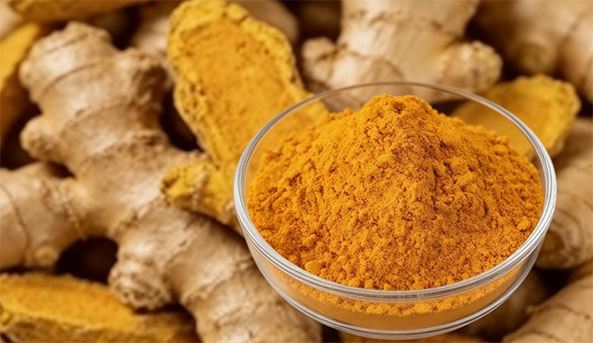
Compare Silymarin Powder to other hepatoprotective and antioxidant substances to see its distinct benefits. Pharmaceutical applications benefit from silybin isolates' targeted bioactivity but not the flavonolignan complex's synergy. Turmeric powder has anti-inflammatory properties but needs more dosing for hepatic support. NAC boosts glutathione synthesis but doesn't stabilize liver cell membranes. Its dual-action mechanism—membrane protection and antioxidant defense—makes Silymarin Powder essential for liver health formulations. This positioning supports premium pricing and addresses consumer pain points single-mechanism alternatives cannot.

How to Select the Best Supplier for High Purity Silymarin Powder
Essential Certifications and Quality Assurance Protocols
Examining supplier manufacturing certifications for international quality standards is the first step. ISO9001 accreditation verifies systematic quality management, whereas FDA facility registration verifies U.S. regulatory compliance. Accredited HACCP protocols prevent contamination during production. Halal and Kosher certifications tap religious dietary consumers. Purchasers should request extraction methodology, solvent recovery systems, and analytical testing protocols beyond baseline certifications. Companies with permanent inventory over one ton demonstrate manufacturing scale and supply chain reliability, reducing order fulfillment delays.
Evaluating Supplier Reputation and Technical Capabilities
Supplier expertise beyond commodity distribution is essential for long-term partnerships. Companies with strong research collaborations, such as university or biotech alliances, excel at ingredient innovation and quality optimization. Gold Herb's partnership with Academician Li Xiaokun's team and Wenzhou University gives customers access to cutting-edge screening and efficacy validation methods. Established nutraceutical brand customer testimonies, repeat business habits over numerous years, and geographic distribution across varied marketplaces are reputation markers. Suppliers who provide extensive formulation development technical support provide value beyond raw materials.
Pricing Strategies, MOQs, and Global Logistics
An experienced Plant Extract Supplier explains that cost modeling during product development is possible with transparent pricing structures that reflect extraction difficulty, purity criteria, and certification surcharges. Established suppliers often require 25-100 kg initial orders to justify production setup costs. Buyers should confirm if offered rates include international shipping, customs documentation, and insurance to minimize budget overruns. Supply chains with US warehouses, like Gold Herb's smart inventory positioning, cut delivery times to 3-5 working days and ease import compliance. For just-in-time production and emergency refilling, this infrastructure is vital.
Private Label and Customization Capabilities
Brand owners can differentiate themselves by customizing Silymarin Powder specifications. Advanced providers provide customized extraction ratios, particle size dispersion, and milk thistle-complementary herbal combinations. Product releases are faster with OEM/ODM services for bespoke formulation development, dosage form selection (microcapsules for controlled release, water-dispersible powders for drinks), and package specification. Operational agility like Gold Herb's 20-day bespoke project development cycle accelerates revenue for client companies. Procurement teams should consider supplier flexibility a strategic competency, not a transaction feature.

Maximizing Value: Applications and Quality Verification of Silymarin Powder
Core Application Areas Driving Market Demand
Supplement companies dominate Silymarin Powder utilization with liver cleansing, antioxidant support, and holistic wellness mixes for health-conscious consumers. The extract is used in post-alcohol recovery and occupational hazardous products due to its hepatoprotective characteristics. Standardized milk thistle extract neutralizes free radicals in sun protection, anti-aging, and skin repair products. Protein powders, nutritional bars, and encapsulated beverage systems work well with Silymarin Powder, which dissolves poorly in water.
Emerging Trends Influencing Buyer Priorities
As clean-label advocates explore ingredient sources, organic-certified Silymarin Powder sales rise. Milk thistle extract meets market demand for botanical medicines as a natural hepatoprotectant. Metabolic health links liver function to weight control and cardiovascular fitness, expanding silymarin's market beyond detoxification. Standardised botanical extracts like Silymarin Powder are being considered as lead candidates for medicinal research by pharmaceutical companies, potentially opening premium markets. Convergent trends ensure demand growth and supplier agreements that scale manufacturing.
Comprehensive Quality Verification Methodologies
Authentic high-purity Silymarin Powder requires advanced analytical testing beyond a certificate of analysis. HPLC separates flavonolignan components, allowing silybin content to be verified rather than total silymarin UV readings. Mass spectrometry measures molecular fingerprints of adulteration with cheaper fillers or synthetic compounds that mimic silymarin's spectroscopic profile. Third-party laboratory testing through independent facilities eliminates supplier bias and provides objective quality confirmation suitable for regulatory submissions. Before shipping raw materials to production lines, procurement professionals should verify identity, potency, and contaminant levels.
Real-World Impact of Supplier Selection on Product Success
A mid-sized nutraceutical brand launching a premium liver support formula found batch-to-batch variability in their initial Silymarin Powder supplier, resulting in reformulation costs and delayed market entry. Transitioning to Gold Herb's standardized extract with verified consistency provided predictable production outputs and helped the product's effective marketing as a premium efficacy-focused brand. Similarly, a cosmetic producer battling with coloring difficulties in an anti-aging serum found the problem to be residual solvent contaminants in their botanical extract. Use of pharmaceutical-grade Silymarin Powder with solvent analysis solved formulation instability and safeguarded brand reputation. These stories show how supplier quality affects product performance, consumer happiness, and business sustainability.
Conclusion
A cheap source won't guarantee high-purity Silymarin Powder. To innovate and comply with regulations, buyers must balance purity, certification, supplier technical expertise, and supply chain stability. Nutraceuticals, cosmetics, and functional foods benefit from standardized 80% milk thistle extract's hepatoprotective and antioxidant properties. Demand is driven by clean-label and wellness. HPLC, mass spectrometry, and third-party testing verify formulation performance and adulteration freedom. Acquisition of raw materials from suppliers with strong technical assistance, flexible customization, and worldwide logistical infrastructure makes a commodities transaction strategic.
FAQ
Q1: Is high purity silymarin powder safe for diverse formulation applications?
Standardized milk thistle extract demonstrates an established safety profile across dietary supplement, cosmetic, and food applications when sourced from reputable manufacturers maintaining strict quality controls. Buyers should verify suppliers provide residual solvent analysis, heavy metal testing, and microbial limit specifications meeting USP and EP standards to ensure products meet regulatory safety requirements for intended use categories of Silymarin Powder.
Q2: What certifications should procurement teams require from suppliers?
Essential certifications include FDA facility registration, ISO9001 quality management, and HACCP hazard analysis protocols. Depending on target markets, Halal and Kosher certifications expand distribution opportunities. Organic certification proves valuable for clean-label positioning but commands premium pricing that may not justify the cost differential for all applications.
Q3: How can buyers verify purity claims before committing to bulk orders?
Request detailed certificates of analysis specifying both UV total silymarin content and HPLC breakdown of individual flavonolignans. Require third-party laboratory testing documentation and consider conducting independent verification testing on pre-production samples. Reputable suppliers readily provide samples and comprehensive analytical data supporting their purity specifications for Silymarin Powder.

Partner with a Trusted Silymarin Powder Supplier
Gold Herb stands ready to support your procurement needs with pharmaceutical-grade milk thistle extract standardized to 80% silymarin content. Our collaboration with Academician Li Xiaokun's research team and Wenzhou University provides unmatched technical expertise in botanical extract quality optimization and efficacy validation. With FDA, ISO9001, HACCP, Halal, and Kosher certifications, we deliver comprehensive regulatory compliance across global markets. Our U.S. warehouse infrastructure ensures rapid 3-5 day delivery, while inventory exceeding one ton enables immediate order fulfillment for standard specifications. We offer customized extraction services, OEM/ODM formulation support, and complete technical documentation to accelerate your product development timeline. Contact our team at info@newgoldherb.com to request samples, discuss your specific formulation requirements, and discover how our standardized Silymarin Powder manufacturer capabilities can strengthen your product portfolio.
References
1. Abenavoli L, Capasso R, Milic N, Capasso F. Milk thistle in liver diseases: past, present, future. Phytotherapy Research. 2010;24(10):1423-1432.
2. Flora K, Hahn M, Rosen H, Benner K. Milk thistle (Silybum marianum) for the therapy of liver disease. American Journal of Gastroenterology. 1998;93(2):139-143.
3. Kren V, Walterova D. Silybin and silymarin—new effects and applications. Biomedical Papers. 2005;149(1):29-41.
4. Polyak SJ, Morishima C, Lohmann V, Pal S, Lee DY, Liu Y, Graf TN, Oberlies NH. Identification of hepatoprotective flavonolignans from silymarin. Proceedings of the National Academy of Sciences. 2010;107(13):5995-5999.
5. Saller R, Brignoli R, Melzer J, Meier R. An updated systematic review with meta-analysis for the clinical evidence of silymarin. Complementary Medicine Research. 2008;15(1):9-20.
6. Wellington K, Jarvis B. Silymarin: a review of its clinical properties in the management of hepatic disorders. BioDrugs. 2001;15(7):465-489.

Send Inquiry

Related Industry Knowledge
- The Anti-Aging and Longevity Benefits of Zeaxanthin
- What is natural astaxanthin powder good for?
- All you need to know about Garcinia cambogia extract powder
- How Does Echinacea Extract Support Immune Health?
- Best Cistanche Tubulosa Extract Ingredients for Modern Supplement Brands
- Gardenia Blue vs Butterfly Pea: Which Blue Colorant for Asia?
- Why Is Centella Asiatica Extract Everywhere in Skincare?
- GMP Resveratrol Powder for Pharmaceutical Applications
- 5-Hydroxytryptophan Benefits for Sleep, Mood, and Stress Relief
- Sodium Copper Chlorophyllin for Skin: Acne & Anti-Aging Benefits