
Curcumin Powder: Benefits, Best Forms, Dosing
Aug 14, 2026
When made to pharmaceutical standards, curcumin powder is a concentrated extract made from turmeric rhizomes that has been standardized to deliver a consistent curcuminoid content of 95%. Compared to regular turmeric powder, which only has about 3–5% curcuminoids, this high-potency ingredient has more bioactive compounds, which is important for making nutraceutical, cosmetic, and functional food products. Due to the compound's limited natural uptake, scientists have had to come up with new ways to give it. For example, they have used bioenhancers or improved encapsulation technologies to help with the problems of solubility and stability that come with making new products.
Product Specifications
| Parameter | Specification |
|---|---|
| Product Name | Curcumin Powder |
| Botanical Source | Curcuma longa L. |
| Active Ingredient | Curcuminoids |
| Purity | 95% Curcuminoids |
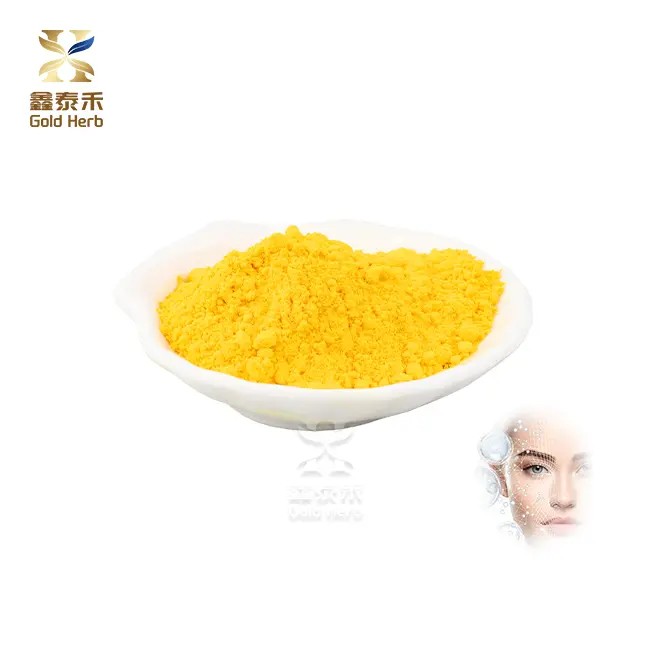
| Appearance | Yellow Orange Fine Powder |
| Test Method | HPLC |
| CAS No. | 458-37-7 |
| Solubility | Insoluble in Water |
| Shelf Life | 24 Months |
| Packaging | 1 kg Aluminum Foil Bag / 25 kg Fiber Drum |
Certificate of Analysis (COA) for Curcumin Powder [Request COA]

Understanding Curcumin Powder and Its Core Health Benefits
Curcumin's bioactive polyphenols, especially curcumin, demethoxycurcumin, and bisdemethoxycurcumin, show activity in multiple pathways, which has gotten a lot of attention from formulation teams in many businesses. These chemicals work with cell processes in ways that are in line with the clean label and natural ingredient trends that are currently popular with consumers.
Anti-Inflammatory Activity and Joint Health Applications
Products that make joints more comfortable and mobile include curcumin because it blocks inflammatory mediators. The chemical alters NF-κB pathways and reduces pro-inflammatory cytokines. This benefits sports nutrition firms creating healing products. Clinical research on rheumatoid arthritis and related conditions is extensive. The correct bioavailability augmentation procedures make curcuminoid extracts promising. Anti-inflammatory ingredients can assist R&D directors stand out in the competitive supplement industry and fulfill customer demand for botanical alternatives.
Antioxidant Protection and Cellular Health Support
Free radical elimination is another advantage. Curcuminoids reduce reactive oxygen species and increase antioxidant enzymes like superoxide dismutase and glutathione peroxidase. This two-in-one approach provides cosmetics companies solid promises for anti-aging skin care products, as oxidative stress accentuates aging. Functional food companies can exploit this feature to develop fortified beverages and snack bars for active individuals who seek more antioxidant protection than vitamins.
Cardiovascular and Metabolic Wellness Integration
Curcumin alters nitric oxide and endothelial function marker bioavailability, improving vascular endothelium health. To maintain appropriate blood pressure and platelet aggregation, the chemical is employed in heart health products. Besides cardiovascular benefits, metabolic support activities, including nutrition metabolism and energy generation pathways, allow it to be used in weight reduction and wellness products. Acquisition teams working with pharmaceutical-grade supplement companies benefit from these multi-system benefits when producing full health formulae.
Liver Function and Detoxification Support
Curcumin protects the liver by increasing liver detoxification enzyme activity and supporting healthy inflammatory responses. Companies making liver-helping or detox products like this feature. Modern vitamins based on traditional medicine benefit from the compound's influence on bile production and hepatic circulation.
Cognitive Function and Mood Balance Properties
Novel curcumin brain research has led to novel drug formulations. The substance enters the brain from the circulation and activates mood- and information-processing neuronal circuits. Standardized curcuminoid extracts are being employed in cognitive supplements, which are typically procured from a reliable Functional Food Ingredients Supplier. Pharmaceutical-grade and nootropic products require high-purity raw ingredients to achieve their demanding quality criteria.

Comparing Forms and Evaluating Quality Standards
When product developers have to choose between the different curcumin formats that are available, they have to make important decisions. Each format has its own benefits for different uses and markets.
Standard Extract Versus Enhanced Bioavailability Formats
Native curcumin is lipophilic and breaks down fast, so the body can't absorb it. This prompted new transportation options. Standard 95% curcuminoid products are cheap basic ingredients in conventional tablet compositions, where high dosages compensate for low absorption. Phospholipid complexes, nanoparticles, and cyclodextrin encapsulation improve bioavailability at greater costs. Formulation managers must compare ingredient costs against claims of efficacy when selecting ingredient grades for new products.
Water-soluble kinds employ gamma-cyclodextrin or emulsification systems to combine with water. For transparent beverages and powdered drink mixes, suspending particles and making the mix visible is crucial to client approval. Food technologists creating functional drinks should test prototypes for dissolution, color intensity, and flavor.
Organic Certification and Sourcing Transparency
European and American buyers appreciate organic certificates and supply chain tracking. USDA Organic and EU-compliant materials cost extra but promote "clean labels." Verifying non-GMO, gluten-free, and allergy declarations helps health-conscious consumers choose companies. Buyers should need country-of-origin certifications, pesticide residue testing, and heavy metal analysis reports when assessing suppliers.
Piperine Enhancement and Absorption Strategies
The most popular bioenhancer is black pepper extract standardized to 95% piperine, which blocks liver glucuronidation pathways and may boost curcuminoid absorption. Curcumin-to-piperine ratios are commonly between 100:5 and 100:1; however, the best depend on medication delivery and target population. Piperine can upset some people's stomachs; hence, businesses are exploring lipid-based delivery and nanoformulations without black pepper derivatives.
Practical Dosing Guidelines and Formulation Considerations
Dosage factors that work rely on the application, the bioavailability format, and the rules that apply to the target market.
Typical Dosage Ranges for Various Applications
Standard curcumin extracts are found in supplements at doses of 500 mg to 2000 mg per day, which are often split up into several servings to improve absorption. Enhanced absorption forms lower the daily dose needed to 200–500 mg while keeping the same level of systemic exposure. Higher acute doses may be used in sports nutrition products that help with healing after exercise, while moderate, steady dosing regimens are preferred for daily health formulas.
Functional food and drink applications have to deal with dilution limits that mean they need to improve potency. When making drinks with water-soluble versions, drink makers have to find the right dose for effectiveness while also meeting the needs for color strength and flavor masking. Usually, they end up with 50–200 mg per serving, which gives the body a reasonable amount of bioactive exposure without changing the way the drink tastes.
Stability and Shelf-Life Management
Because curcumin breaks down easily in neutral pH, UV light, and oxidative environments, it needs to be carefully designed in the mixture. Manufacturers should choose opaque or amber packaging materials that don't let light through and have oxygen scavengers or nitrogen flushing built in for when the bottles are being filled. Enteric coating technologies keep the stomach's pH from dropping while slowing release at places in the intestines where it can be absorbed.
Testing for temperature stability under accelerated conditions can help you guess how long something will last. When stored below 25°C in packaging that keeps moisture out, most standardized extracts stay effective for 24 to 36 months. Custom formulas containing Curcumin Powder should go through compatibility studies that look at how they might react with other active ingredients, excipients, and transport matrix components.
Safety Profile and Tolerance Considerations
There are good safety ratings for curcuminoid extracts across a wide range of dosages. The most common tolerance problem at higher doses is digestive pain. Because curcumin stimulates bile, people who are worried about their gallbladders should talk to a doctor before using goods with large amounts of curcumin. Good makers give clear instructions on how to use their products and notes about when they shouldn't be used to encourage responsible use.

Navigating B2B Procurement and Supply Chain Logistics
Understanding how the market works, what suppliers can do, and what the business needs in order to make sure stable quality ingredients and on-time deliveries are key to successful sourcing.
Pricing Trends and Production Geography
India makes most of the world's curcumin. It provides about 80% of market products through processing plants in Tamil Nadu, Maharashtra, and Karnataka. Chinese companies are competing more and more in standardized extract markets, and they often offer low prices for materials that are of a commodity grade. When choosing sourcing areas, European and American buyers should look at the regulatory acceptance and paperwork needs of each country.
Prices change depending on how much turmeric is grown, how much people in a certain area want it, and how pure it needs to be. Standard 95% curcuminoid extracts usually cost between $25 and $60 per kilogram when bought in bulk, while organic and improved absorption forms cost 50 to 200% more. Long-term supply agreements help keep prices stable and make sure that supplies are available when demand is high.
Supplier Qualification and Quality Assurance Protocols
Brands are safe from quality problems and regulatory problems when they carefully check out their suppliers. Current Good Manufacturing Practice (cGMP) approval, ISO 9001 quality management systems, and third-party testing methods that cover name verification, potency guarantee, microbial limits, and contaminant screening are some of the most important things that are looked at when judging something. For American buyers, the most important things are that products going to the U.S. are registered with the FDA and that they follow the rules in 21 CFR 111 for dietary supplements.
Each production lot should come with a Certificate of Analysis (CoA) that lists the heavy metal amounts, particle size distribution, HPLC-verified curcuminoid content, and moisture levels. Reliable providers keep retention samples that can be used for tracking investigations and give batch-specific stability data to back up claims about expiration dates.
Logistics, Packaging, and Minimum Order Quantities
Standard packaging includes 25 kg fiber drums with polyethylene covers that keep out air and moisture and are good for shipping across borders. For bulk amounts, 50–200 kg configurations may be used, depending on the infrastructure for handling and storage. For well-known suppliers, the minimum order quantity is usually between 100 kg and 500 kg. However, sample numbers ranging from 100 grams to 1 kilogram can be used to try formulations and make sure they work well together before making large purchases.
For international shipping, you need the right paperwork, like commercial bills, certificates of origin, phytosanitary certificates, and customs normalization codes that make clearance easier. Lead times range from 7 to 15 days for materials that are already in stock to 20 to 30 days for materials that are made to order and need special production runs. Keeping smart inventory buffers helps just-in-time manufacturing processes and reduces the impact of supply disruptions.

Selecting Premium Ingredients for Product Excellence
To get the best results with formulations and brand placement, smart procurement choices weigh technical requirements, source dependability, and long-term business goals.
Purity, Potency, and Analytical Verification
High-performance liquid chromatography (HPLC) is the best way to measure curcuminoid amounts because it accurately measures individual compounds like curcumin, demethoxycurcumin, and bisdemethoxycurcumin. Specifications should make it clear what the total amount of curcuminoids is and set the ratios of each compound to make sure that the product is consistent from batch to batch. Asking for reference standard certificates and analysis method validation reports shows that the provider is committed to quality and has the technical skills to do so.
A reliable Functional Food Ingredients Supplier notes that particle size specifications affect how quickly particles dissolve, how evenly the mixture mixes, and how well the next steps work. Materials that are going to be used for direct compression tableting need different particle properties than materials that are going to be used in cosmetics or drinks. Understanding the needs of the end use allows for precise design development, which keeps formulation issues from happening during production scale-up.
Evaluating Supplier Technical Support and Scalability
In addition to the quality of the raw materials, supplier relationships should provide value through technical know-how, legal advice, and the ability to produce in a variety of ways. Ideal partners help with formulation, suggesting the best dosing strategies, suggesting the right bioenhancers, and fixing problems with stability. Access to experts in governmental matters who know about U.S. FDA, European EFSA, and other regional frameworks speeds up entry into new markets and make sure that product claims and labels are legal.
Scalability is an important thing to think about for brands that want to grow. Suppliers should show that they have the production ability to meet present volume needs plus two to three times growth forecasts. This will keep the market from running out of supplies as it grows. Referrals from current customers, especially those in similar market segments, are a great way to find out about the quality and dependability of a long-term partnership.
Certification Requirements and Market Access
Product sales in multiple markets are made easier by comprehensive approval portfolios. To get into the U.S. market, you need to be registered with the FDA. ISO 9001 and HACCP certifications show that you manage process control and food safety. With Halal and Kosher certificates, you can reach more customers who have to follow religious food rules. Asking for up-to-date certificates and audit reports instead of expired or pending ones shows that compliance is still active.
Gold Herb keeps its FDA, ISO9001, HACCP, HALAL, and Kosher standards up to date to meet the needs of the world market. Our ties with top research institutions give us access to a wide range of technical information, and our strong supply chain connections make sure that the standard of our raw materials is always high. Before they are sent to customers, materials go through a lot of tests, such as name verification, strength analysis, and contaminant screening.
Conclusion
Curcumin powder is still growing in the nutrition, functional food, and cosmetics industries. This is because people want natural ingredients that work, and scientific studies back this up. To be good at buying, you need to know about bioavailability issues, quality standards, and formulation methods that make the most of ingredient performance while still meeting regulatory needs. Brands can make unique goods that take advantage of growing market possibilities in this area by working together with suppliers that offer strong quality systems, full certifications, and formulation knowledge. Companies can keep growing in the wellness market by making smart sourcing decisions that balance purity standards, price concerns, and supplier capabilities.
FAQ
Q1: What distinguishes curcumin extract from regular turmeric powder?
The pure bioactive compound curcumin has a curcuminoid content of 95%. Turmeric powder, on the other hand, only has 3-5% curcuminoids because it is mixed with fiber, starches, and other plant parts. Because of this difference in concentration, curcumin extracts give 20–30 times more bioactive exposure per gram, which means that supplement formulations can use smaller doses and make greater claims about their functions. Standardized extracts are used in nutraceutical and pharmaceutical products that need exact strength specs, while turmeric powder is used in cooking.
Q2: How can bioavailability be enhanced in curcumin formulations?
There are three main ways to make absorption better: adding piperine at a dose of 5 to 20 mg stops metabolic breakdown routes; phospholipid complexes make lipids dissolve better, and cells take them up; and nanoparticle or micelle technologies make particles smaller than 100 nanometers, which lets them be absorbed directly. Each method has its own costs and benefits that need to be weighed against product marketing and target groups.
Q3: What represents typical industrial dosing for various applications?
For supplement purposes, standard extract formulations need 500–2000 mg per day, while enhanced bioavailability formats only need 200–500 mg. Functional beverages usually have between 50 and 200 mg per serving, which balances how well they work with how they taste. Cosmetic formulas use amounts of 0.5 to 3% by weight, based on how they are delivered and how stable they need to be.

Partner With Gold Herb for Premium Curcumin Solutions
Gold Herb sells pharmaceutical-grade Curcumin 95 powder that is made according to strict quality standards and has FDA, ISO9001, HACCP, HALAL, and Kosher certifications to back it up. Our standard extract has a consistent 95% curcuminoid content that has been confirmed by HPLC testing. It also comes with a lot of paperwork that proves it is legal in all global markets. We keep more than a ton of stock on hand, so we can quickly complete orders within 24 hours. For more unique needs, our custom formulation services have lead times of 7 to 15 days. Our strategic relationships with Academician Li Xiaokun's research team and top global sources guarantee that your product development journey will be technical excellence. Email our team at info@newgoldherb.com to get samples, talk about bulk prices for this curcumin powder supplier opportunity, or look into options for custom formulations that fit the needs of your brand.
References
1. Anand, P., Kunnumakkara, A.B., Newman, R.A., & Aggarwal, B.B. (2019). Bioavailability of Curcumin: Problems and Promises. Molecular Pharmaceutics, 16(11), 4582-4604.
2. Hewlings, S.J., & Kalman, D.S. (2017). Curcumin: A Review of Its Effects on Human Health. Foods, 6(10), 92-107.
3. Nelson, K.M., Dahlin, J.L., Bisson, J., Graham, J., Pauli, G.F., & Walters, M.A. (2017). The Essential Medicinal Chemistry of Curcumin. Journal of Medicinal Chemistry, 60(5), 1620-1637.
4. Prasad, S., Gupta, S.C., Tyagi, A.K., & Aggarwal, B.B. (2014). Curcumin, a Component of Golden Spice: From Bedside to Bench and Back. Biotechnology Advances, 32(6), 1053-1064.
5. Sharifi-Rad, J., Rayess, Y.E., Rizk, A.A., Sadaka, C., Zgheib, R., Zam, W., Sestito, S., Rapposelli, S., Neffe-Skocińska, K., Zielińska, D., Salehi, B., Setzer, W.N., Dosoky, N.S., Taheri, Y., El Beyrouthy, M., Martorell, M., Ostrander, E.A., Suleria, H.A.R., Cho, W.C., Maroyi, A., & Martins, N. (2020). Turmeric and Its Major Compound Curcumin on Health: Bioactive Effects and Safety Profiles for Food, Pharmaceutical, Biotechnological and Medicinal Applications. Frontiers in Pharmacology, 11, 01021.
6. Stohs, S.J., Chen, O., Ray, S.D., Ji, J., Bucci, L.R., & Preuss, H.G. (2020). Highly Bioavailable Forms of Curcumin and Promising Avenues for Curcumin-Based Research and Application: A Review. Molecules, 25(6), 1397-1418.

Send Inquiry
Related Industry Knowledge
- Ergothioneine Supplement Guide: Facts, Benefits, and Usage
- Using Black pepper extract to Enhance the Anti-Inflammatory Effects of Turmeric
- Tongkat Ali Research: Benefits for Strength, Mood & Performance
- Cistanche Tubulosa Extract Research: Benefits for Brain and Body Health
- Ashwagandha Benefits for Stress, Sleep & Daily Wellness
- Kava Extract Benefits: Natural Stress Relief, Anxiety Support & Better Sleep
- The Hidden Power of Urolithin A for Cellular Renewal
- Sodium Copper Chlorophyllin Powder: A Versatile Ingredient for Detox, Skin Health, and Functional Formulations
- Ergothioneine Ingredient Guide: Health Benefits and Commercial Applications
- Ergothioneine: Benefits, Applications, and Market Potential in Nutraceuticals