
What Is Ginkgo Biloba Leaf Extract Powder Used For in Pharma R&D
Apr 27, 2026
Ginkgo biloba leaf extract powder is an important part of medicinal research and development because it contains bioactive chemicals that are standardized and are useful for studying the nervous system and blood vessels. This plant extract, which is known to have 24% flavone glycosides and 6% terpene lactones, is now an important part of research projects that aim to improve brain function, find new antioxidants, and improve microcirculation routes. When looking for pharmaceutical-grade extract powders, our complete guide covers all the practical issues that buying teams and formulation managers need to think about. We look at how standardization requirements, application methods, quality benchmarks, and seller evaluation factors affect research results and the time it takes to make new products in the pharmaceutical and nutraceutical industries.
Understanding Ginkgo Biloba Leaf Extract Powder and Its Role in Pharma R&D
What Defines Pharmaceutical-Grade Ginkgo Extract
Ginkgo biloba leaf extract powder is a very pure plant ingredient that comes from controlled water-ethanol extraction of dried Ginkgo biloba L. leaves. The substance is useful for medicine because it has been strictly standardized to contain 24% flavone glycosides, which include derivatives of quercetin, kaempferol, and isorhamnetin, and 6% terpene lactones, which include ginkgolides A, B, C, and bilobalide. This 24/6 guideline, which is known around the world as the EGB761 equivalent standard, tells the difference between pharmaceutical-grade material and regular plant powders.
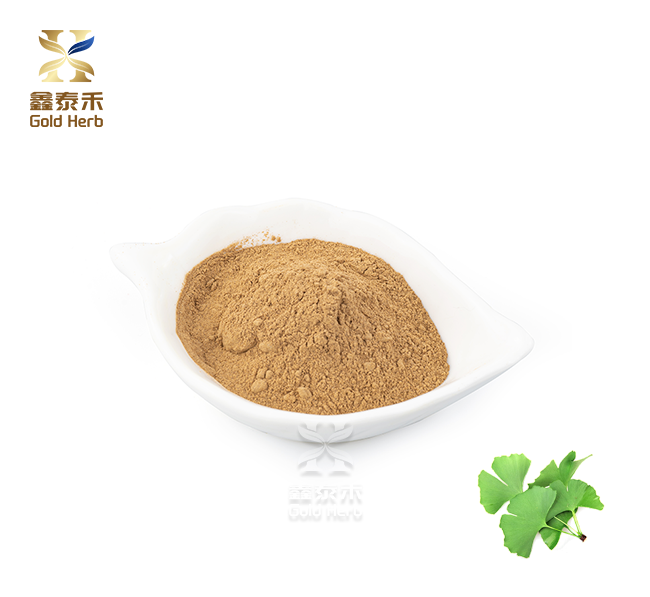
The separation method reduces ginkgolic acids (alkylphenols with cytotoxic potential) to below 5 ppm, which is the level required by European regulations. This step of cleaning gets rid of chemicals that could be allergenic while also improving the absorption of raw leaf material. The resulting brown to yellow-brown powder, which has the CAS number 90045-36-6, is checked using HPLC and TLC to make sure it has the right amount of active ingredients and purity.
Key Bioactive Mechanisms in Research Applications
The flavonoid part is very good at getting rid of free radicals, which makes it useful for studying oxidative stress. Flavone glycosides work with antioxidant processes in cells, which gives researchers a way to look into how cells protect themselves from oxidative harm. Platelet-activating factor (PAF) antagonist qualities are found in terpene lactones, especially ginkgolides. This is something that research and development teams are looking into to see how it affects the function and behaviour of the microcirculation.
The beneficial chemicals in Ginkgo biloba leaf extract powder affect blood flow and endothelial function in studies that use it to look at how the brain and blood vessels work. The standard composition makes it possible to repeat study designs, which gives pharmaceutical experts faith in their ability to find dose-response relationships and mechanism pathways. The extract's profile of multiple activities makes it ideal for an exploratory study into brain changes that come with getting older and how well the circulatory system works.

Core Applications of Ginkgo Biloba Leaf Extract Powder in Pharmaceutical R&D
Cognitive Function and Neuroprotection Research
Standardized Ginkgo biloba leaf extract powder is used in pharmaceutical laboratories to improve brain performance. They study how it affects memory consolidation, attention span, and the speed at which information is processed. Scientists plan studies based on how the Ginkgo biloba leaf extract powder can change nerve systems and help synapses change shape. The 24% flavone glycoside content protects neurons consistently across different batches of experiments, which is important for long-term studies that track brain factors.
Neurodegenerative disorder study uses Ginkgo biloba leaf extract powder a lot to look into ways to protect against the cognitive loss that comes with getting older. Researchers are looking into how the bioactive chemicals affect the function of mitochondria and the routes that neurons use to stay alive. The uniform terpene lactone fraction is a dependable way for researchers to look into how neuroinflammation is controlled and how cells use energy in brain tissue.
Circulatory and Vascular Health Investigations
The product has been shown to change the consistency and flow of blood around the body, which helps microcirculation studies. Using standard dose schedules, research methods look at signs of endothelial function and vascular response. Scientists studying drugs can learn more about how to keep blood vessels healthy by looking at how the Ginkgo biloba leaf extract powder affects nitric oxide pathways.
Ginkgo biloba leaf extract powder is used in peripheral artery studies to look into ways to improve blood flow. The standard extract makes it possible to do accurate experiments that focus on capillary circulation, tissue oxygenation, and hemodynamic factors. R&D teams working on formulations that aim to improve circulatory efficiency and vascular resistance will be interested in this study area.
Antioxidant and Anti-Inflammatory Research Platforms
Because it is high in flavonoids, this product is a useful tool for studying how to reduce oxidative stress. In the lab, researchers look at cellular antioxidant enzyme systems, lipid peroxidation markers, and the messengers that start an inflammatory reaction. The flavonoid content gives it anti-inflammatory qualities that let experts look into ways to treat chronic low-grade inflammation.
Pharmaceutical formulation teams use the Ginkgo biloba leaf extract powder to create antioxidant complexes and look at how it works with other plant chemicals. The standard specification makes sure that measures of antioxidant capacity can be repeated across study batches. This consistency is very important for translational research that moves from bench studies to formulation prototyping and then to paths for marketing.
Selecting the Right Ginkgo Biloba Leaf Extract Powder for Pharma R&D
Critical Quality Parameters and Certifications
Third-party HPLC testing of medication active ingredients indicates 24% flavone glycosides and 6% terpene lactones. In addition to these key signs, ginkgolic acid must fulfil safety limits, which for most therapeutic purposes is below 5 ppm. Heavy metal screening, microbial limits testing, and pharmacopeial pesticide residue analysis should be part of excellent documentation.
FDA registration, ISO9001, HACCP, HALAL, and Kosher certifications reassure buyers of factory quality processes. These licenses demonstrate the company's pharmaceutical supply chain-compliant production and traceability processes. Suppliers should provide Certificates of Analysis for each production run. These papers should provide stability and specification data.
Evaluating Supplier Capabilities and Supply Chain Stability
Researchers must always have standardized materials with consistent composition for reliable pharmaceutical research. Procurement teams should evaluate supplier inventory management. Suppliers should carry more than one tonne of standard specifications to swiftly fulfil research material demands. Customized Ginkgo biloba leaf extract powder specifications can take 7 to 15 working days to produce, which affects project timeframes and should be considered when choosing a vendor.
Resilient supply chains require supplier logistics and regional distribution skills. Suppliers with U.S. warehouses can ship in 3–5 business days, reducing research delays. Companies manufacturing their own formulations benefit from technical support infrastructure like formulation assistance and R&D teamwork tools beyond basic ingredients.
Understanding Extract Specifications and Customization Options
Most brain and circulatory studies can employ 24/6 standards, but medication development may require special ratios or purification processes. Some studies benefit from higher terpene lactones or ultra-low ginkgolic acid versions below 1 ppm. Customization services should include formulation adjustments, dosage forms (such as micronized powders for bioavailability), and container specifications based on research or production quantities.
Storage conditions—tightly closed and out of the light—impact active ingredient stability over time. Purchase specifications should include packaging that maintains product efficacy. Suppliers with consistent data under diverse storage settings help manage study materials and estimate formulation lifespan.
How to Integrate Ginkgo Biloba Leaf Extract Powder into Pharma R&D Pipelines?
Designing Research Protocols with Standardized Extract
Setting dose amounts based on standard active ingredient content is the first step in integrating into R&D processes. Researchers figure out how much to give each group of people by using the 24% flavone glycoside content as a standard. This makes sure that all the groups get the same amount of beneficial chemicals. In vitro studies usually look at concentrations between 10 and 100 μg/mL, while in vivo methods change doses to be human-equivalent based on the standard Ginkgo biloba leaf extract powder specs.
When designing a routine, it's important to pay attention to the solubility properties, since standard Ginkgo biloba leaf extract powder doesn't dissolve well in water. To improve dissolution rates, formulation scientists use solubilization methods such as cyclodextrin complexation, co-solvents, or lipid-based delivery systems. These things are especially important for developing liquid formulations and studying how to improve absorption.
Safety Profiling and Interaction Studies
Pharmaceutical research methods include thorough safety checks that look at how chemicals that are given together might interact with each other. The ability of Ginkgo biloba leaf extract powder to block PAF means that its reactions with blood thinners and other circulation medicines need to be looked into. Interaction studies are done by research teams to set safety limits and find combos that shouldn't be used for specific user groups.
Toxicology studies look at how well different doses are tolerated and set levels of no-observed-adverse-effect for different ways of giving. For better safety, the pharmaceutical-grade Ginkgo biloba leaf extract powder with managed ginkgolic acid level is better than raw plant materials. Documenting these safety factors helps regulatory applications and explains dosage rules for developing a commercial product.
Case Applications in Making Products
The main way that this technology is used is to make cognitive health supplements by mixing controlled Ginkgo biloba leaf extract powder with nootropic ingredients that work well together. During a product's shelf life, development teams do stability studies to see how well the Ginkgo biloba leaf extract powder works with other active ingredients, tablet materials, and excipients. Successful recipes keep the strength of the active ingredients while meeting the release patterns and bioavailability goals.
The multi-mechanism profile of the Ginkgo biloba leaf extract powder is used by collaborative pharmaceutical innovations to make goods that target both cognition and circulatory parameters. To keep an eye on all the active ingredients during the preparation, manufacturing, and stability testing stages of these research projects, the analytical methods must be rigorously validated. Pharmaceutical-grade Ginkgo biloba leaf extract powder is regulated, which makes regulatory paperwork easier and helps back up claims for market clearance.

Procurement Insights: Partnering with Gold Herb for Pharmaceutical-Grade Ginkgo Extract
Why Standardization Matters for Research Outcomes
The main thing that determines how reproducible research is is how consistent plant extracts are between study stages and between investigation sites. Gold Herb's Ginkgo biloba leaf extract powder strictly follows the 24% flavone and 6% lactone standards, which can be confirmed through HPLC analysis. This eliminates the compositional diversity that threatens the truth of research. Our pharmaceutical-grade material solves the big problem of stability from batch to batch, which procurement teams say is important for multi-phase research projects.
We carefully clean the Ginkgo biloba leaf extract powder we sell so that the amount of ginkgolic acid is less than 5 parts per million. This meets international safety standards and gets rid of a big problem for medicinal use. This cleaning process gets rid of the allergenicity and cytotoxicity risks that come with raw ginkgo materials. Our quality control system, which is backed by FDA registration, ISO9001, HACCP, HALAL, and Kosher certifications, gives procurement teams all the information they need to meet legal standards in markets around the world.
Advantages Gold Herb Has Over Others When It Comes to Buying Medicine
Our pharmaceutical raw material sales are strengthened by partnerships with renowned research universities. Working with Academician Li Xiaokun's group and Wenzhou University's R&D infrastructure provides expert assistance beyond supplier work. We can aid companies with R&D initiatives by providing recipe recommendations, validity target insights, and ingredient screening due to our academic connections.
Inventory management is another benefit of purchasing. Over a ton of standard specification material is in stock; confirmed orders may be dispatched 24 hours later. Customized Ginkgo biloba leaf extract powder specifications take 7–15 days to produce, whereas expedited small-batch orders take 5–7 days through priority fulfilment. These service levels factor in pharmaceutical research timelines and project milestones.
Geographic distribution includes a consistent U.S. warehouse presence, which facilitates 3–5 business day delivery slots and reduces research delays. Top shipping providers like DHL, SF Express, and FedEx ensure safe delivery with full tracking and temperature control. This system allows modest sample requests for research and large material purchases for manufacturing under unified supply chain management.
Technical Support and the ability to make changes
In addition to materials, our skilled staff helps with recipe creation, including dosage form, product stability, and regulatory documentation. Our OEM/ODM services with entire development procedures of less than 20 days enable pharmaceutical companies to speed their product launch. Change the extract ratio, select particle size for enhanced flowability or dissolution, and make pharmaceutical-specific packaging.
We provide third-party verification reports, stability data for various storage conditions, and comprehensive Certificate of Analysis paperwork as part of our quality assurance. This transparency helps pharmaceutical QA/QC teams select vendors and test novel materials. Expert data sheets teach clients how to harvest, analyze, and save data for study material management.
Conclusion
For pharmaceutical research and development, botanical raw materials must have uniform makeup, be tested for purity, and come with full quality paperwork. Ginkgo biloba leaf extract powder, which is standardized to contain 24% flavone glycosides and 6% terpene lactones, is an effective research tool for studying brain function, blood flow, and antioxidant processes. When making purchasing decisions, companies should give more weight to suppliers that can show they are good at analysis, keep their stock stable, offer good expert help, and follow all the rules in all the target markets. The extract's multi-mechanism bioactivity profile keeps making its research uses bigger, and its uniform makeup makes it possible to do the same studies over and over, which is important for turning lab results into commercial products. Pharmaceutical companies can speed up development times and improve research results by forming strategic relationships with suppliers that combine high-quality materials with the ability to work together technically.
FAQ
Q1: What makes pharmaceutical-grade ginkgo extract different from standard botanical powders?
Standardized pharmaceutical-grade material is checked for exact active ingredient amounts (24% flavone glycosides and 6% terpene lactones) using HPLC testing. The main difference is that specialized processing lowers the amount of ginkgolic acid to less than 5 parts per million (ppm), getting rid of any harmful chemicals that are in the raw leaf material. This process fixes problems with bioavailability and safety, giving research-quality uniformity that regular plant powders can't promise.
Q2: How should research teams determine appropriate dosing for in vitro versus in vivo studies?
Based on the normal active ingredient content, in vitro methods usually look at concentration ranges between 10 and 100 μg/mL. For in vivo dosing calculations, human-equivalent amounts are used, which are scaled by body surface area or metabolic weight and use the bioactive standard of 24% flavone glycoside. Before large-scale studies, pilot dose-ranging studies find the best amounts for certain research goals.
Q3: What documentation should procurement teams request from suppliers?
The Certificate of Analysis must include HPLC proof of active ingredients, ginkgolic acid measurement, heavy metal screening, microbial limits, and pesticide residue analysis. Quality system approvals (ISO9001, GMP, HACCP) and government registrations (FDA) show that a company follows good production practices. Material shelf life and handling instructions are based on stability data collected under suggested storage conditions over the course of study timelines.

Partner with Gold Herb: Your Trusted Ginkgo Biloba Leaf Extract Powder Supplier
Gold Herb can help your pharmaceutical research projects by providing high-quality Ginkgo biloba leaf extract powder that meets the strict requirements of 24% flavone and 6% lactone for your projects. We have been making Ginkgo biloba leaf extract powder for a long time and have strict quality systems that are FDA registered, ISO9001, HACCP, HALAL, and Kosher qualified. We also have scientific knowledge that comes from working with top research institutions. Our constant U.S. warehouse inventory means that we can deliver quickly—within three to five days—and our R&D partnership services go beyond just supplying raw materials. We can also help with formulation and offer customization services. Procurement managers, R&D leaders, and formulation scientists are welcome to ask for samples, technical data sheets, and cheap bulk price quotes. Get in touch with our team at info@newgoldherb.com to talk about your unique research needs and find out how our focus on quality and global supply chain can help you speed up the development of your pharmaceuticals.
References
1. DeFeudis, F.V. & Drieu, K. (2000). "Ginkgo biloba extract (EGb 761) and CNS functions: basic studies and clinical applications." Current Drug Targets, 1(1), 25-58.
2. Diamond, B.J., Shiflett, S.C., Feiwel, N., et al. (2000). "Ginkgo biloba extract: mechanisms and clinical indications." Archives of Physical Medicine and Rehabilitation, 81(5), 668-678.
3. Koch, E. (2005). "Inhibition of platelet activating factor (PAF)-induced aggregation of human thrombocytes by ginkgolides: considerations on possible bleeding complications after oral intake of Ginkgo biloba extracts." Phytomedicine, 12(1-2), 10-16.
4. Mahadevan, S. & Park, Y. (2008). "Multifaceted therapeutic benefits of Ginkgo biloba L.: chemistry, efficacy, safety, and uses." Journal of Food Science, 73(1), R14-R19.
5. Smith, J.V. & Luo, Y. (2004). "Studies on molecular mechanisms of Ginkgo biloba extract." Applied Microbiology and Biotechnology, 64(4), 465-472.
6. van Beek, T.A. & Montoro, P. (2009). "Chemical analysis and quality control of Ginkgo biloba leaves, extracts, and phytopharmaceuticals." Journal of Chromatography A, 1216(11), 2002-2032.

Send Inquiry
Related Industry Knowledge
- Cistanche Tubulosa Extract for Men: Natural Energy, Testosterone & Vitality Boost
- The Application of Citrus Aurantium Extract Powder in Health Care
- Best Pure Resveratrol Powder for EU Nutraceutical Companies
- Best Gardenia Blue Color Powder for Clean Label Foods
- What is Coleus forskohlii extract good for?
- Astaxanthin: The Secret Behind Glowing Skin and Eye Health
- 5-Hydroxytryptophan Benefits for Sleep, Mood, and Stress Relief Explained
- What Is Ergothioneine? Benefits, Antioxidant Power & Bulk Supply
- Ergothioneine Powder for Skincare & Supplements | Supplier Guide
- Quality Control Standards for Ginkgo Biloba Leaf Extract Powder