
Why 5-Hydroxytryptophan(5-HTP) Is a Popular Ingredient in Mood and Sleep Supplements
Mar 16, 2026
In the fast-paced rhythm of modern life, issues such as anxiety, low mood, insomnia, and restless sleep have become widespread health concerns, driving an explosive surge in the market for mood and sleep supplements. Moving beyond traditional staples like melatonin and GABA to embrace novel active ingredients, consumer demand has evolved from a focus on "mere sleep aid" to a desire for the "dual regulation of both mood and sleep." Amidst this shift, 5-Hydroxytryptophan (5-HTP) has steadily risen to prominence—distinguished by its unique mechanism of action, robust scientific backing, and inherent natural advantages—emerging as a highly sought-after ingredient in the mood and sleep supplement sector. Widely hailed within the industry as a "dual regulator of mood and sleep," 5-Hydroxytryptophan(5-HTP) precisely addresses the core demands of modern consumers for solutions that are "gentle, highly effective, and target the root cause."
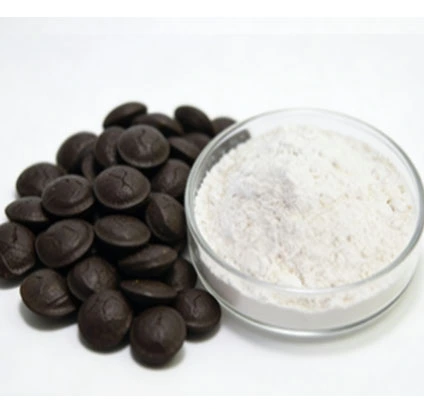
5-Hydroxytryptophan(5-HTP) is a naturally occurring amino acid. It serves as a metabolic intermediate of tryptophan—an essential amino acid required by the human body—and acts as the direct precursor to the neurotransmitter 5-hydroxytryptamine (commonly known as serotonin). Abundantly found in the seeds of the African *Griffonia* plant, 5-Hydroxytryptophan(5-HTP)can be obtained through either natural extraction or biosynthesis. Unlike synthetic ingredients, the natural origin of 5-Hydroxytryptophan(5-HTP) endows it with exceptional biological compatibility; it can be readily absorbed and utilized by the human body without requiring complex metabolic conversion. Furthermore, its safety profile has been validated over extensive periods, having secured numerous international certifications—including GRAS status from the U.S. FDA and approval from the EU's EFSA—thereby laying a solid foundation for its status as a leading supplement ingredient. Driven by breakthroughs in extraction and formulation technologies, high-purity 5-HTP is now being produced on a mass scale. This advancement has effectively resolved the long-standing challenges associated with natural raw materials—specifically low yields and insufficient purity—propelling 5-HTP's rapid transition from a "niche research compound" to a "mainstream commercial ingredient" and establishing it as a pivotal growth driver within the mood and sleep supplement market.
Targeting Neurotransmitters: Achieving Bidirectional Regulation of Mood and Sleep
The core reason why 5-HTP has become a sought-after ingredient in mood and sleep supplements lies in its ability to precisely intervene in the central regulatory pathway governing both mood and sleep—neurotransmitter balance. Specifically, it targets the synthesis and regulation of 5-hydroxytryptamine (serotonin), thereby achieving "improvement at the source." This capability constitutes its core competitive advantage, distinguishing it from other supplement ingredients.
The stability of mood and sleep is inextricably linked to the proper secretion of serotonin. As the body's "happiness hormone," serotonin is responsible for regulating emotions, alleviating anxiety, and stabilizing mood; it also serves as a crucial precursor for the synthesis of melatonin—the key substance responsible for regulating the body's circadian rhythms and improving sleep quality. Factors such as aging, increased stress, and disrupted sleep schedules can gradually diminish the body's endogenous capacity to synthesize serotonin, subsequently triggering a cascade of issues including low mood, anxiety, irritability, difficulty falling asleep, and shallow sleep.
Compared to other mood and sleep supplements, 5-HTP operates via a more direct and efficient mechanism. Melatonin, for instance, can only directly regulate sleep rhythms but cannot address mood-related issues; GABA primarily aids sleep by soothing the nervous system and alleviating anxiety, yet it exerts only limited regulatory influence on serotonin secretion. In contrast, 5-HTP—as a direct precursor to serotonin—bypasses the rate-limiting step involving tryptophan hydroxylase. It readily crosses the blood-brain barrier and, under the action of decarboxylase, is rapidly converted into serotonin. By precisely elevating serotonin concentrations within the brain, 5-HTP not only alleviates negative emotions such as low mood and anxiety but also promotes melatonin synthesis to regulate circadian rhythms and enhance sleep quality. This process establishes a virtuous cycle—"improved mood → increased melatonin → improved sleep"—thereby achieving the bidirectional, synergistic regulation of both mood and sleep, and effectively resolving at the root the health challenges plaguing people in the modern era. This mechanism of action has been substantiated by numerous scientific studies: a randomized controlled trial published in *Clinical Nutrition* demonstrated that, among an elderly population, eight weeks of continuous 5-HTP supplementation led to a significant improvement in participants' sleep quality scores, accompanied by beneficial changes in their gut microbiota composition. Another study, focusing on patients suffering from insomnia accompanied by depressive symptoms, found that 5-HTP significantly reduced sleep latency and increased the proportion of REM sleep, while simultaneously effectively alleviating symptoms of low mood—a dual-benefit effect that far surpasses that of supplements targeting a single specific function. Furthermore, 5-HTP helps regulate the balance of monoamine neurotransmitters—such as norepinephrine and dopamine—thereby further optimizing neural transmission and aiding in the improvement of both mood and sleep quality.

Natural, Safe, and Highly Versatile: Meeting Core Market Demands
In the market for mood and sleep supplements, the natural origin, safety, and compatibility of ingredients are the core factors of greatest concern to consumers. 5-HTP happens to possess these very advantages—while simultaneously offering comprehensive efficacy—making it a key standout in the field.
First, it is natural and safe, making it suitable for long-term supplementation. Derived from natural plant extracts (primarily *Griffonia simplicifolia* seeds from Africa), 5-HTP is a natural intermediate product within the human metabolic process. It is highly compatible with the body's physiological mechanisms, requires no hepatic metabolism, and its metabolic byproducts are excreted via urine. Long-term intake presents no significant side effects, thereby avoiding issues such as dependency and tolerance that can arise from synthetic ingredients. Compared to prescription antidepressants and sleeping pills, 5-HTP is gentle and non-irritating; it does not cause adverse reactions such as next-day dizziness or drowsiness. Only a small minority of individuals may experience mild gastrointestinal discomfort—which typically resolves on its own at reasonable dosages—making it suitable for daily, long-term supplementation and perfectly aligned with consumers' desire for "gentle, natural regulation." It should be noted, however, that pregnant and breastfeeding women should not take 5-HTP. Furthermore, it may interact with medications such as antidepressants and antipsychotics; therefore, it is advisable to consult a healthcare provider before use.
Second, it offers comprehensive efficacy, addressing a diverse range of pain points. The benefits of 5-HTP extend beyond the dual regulation of mood and sleep, generating multiple layers of added value that further enhance its market versatility. On one hand, it alleviates anxiety and low mood, and improves insomnia linked to emotional distress—making it particularly effective for sleep issues caused by high stress levels or excessive rumination. On the other hand, 5-HTP helps regulate appetite, reduces cravings for carbohydrates, and enhances satiety, thereby aiding in the management of emotional eating issues. This offers additional therapeutic value for individuals whose sleep is disrupted by stress-induced binge eating. Moreover, it can help alleviate chronic pain and improve migraine symptoms, further expanding its scope of application and catering to the needs of a broader demographic.
Third, it boasts strong adaptability and is available in diverse, convenient dosage forms. 5-HTP demonstrates exceptional versatility in its dosage forms; it can be formulated into various formats—including capsules, tablets, chewable tablets, and oral liquids—to accommodate the diverse consumption habits of different demographics. Capsules, utilizing microencapsulation technology, protect the active ingredients from degradation by gastric acid, thereby preserving their potency and enhancing bioavailability—making them particularly suitable for middle-aged and elderly individuals. Tablets and chewable tablets offer convenience and ease of use, catering to fast-paced lifestyles typical of working professionals and adolescents. Oral liquids, characterized by rapid absorption, are ideal for individuals with compromised digestive function. Furthermore, 5-HTP can be scientifically compounded with a variety of complementary ingredients to create synergistic "5-HTP + X" formulations—such as combinations with Vitamin B6 (which acts as a coenzyme in serotonin synthesis), magnesium, melatonin, or GABA. This approach not only amplifies 5-HTP's inherent efficacy but also addresses the specific, nuanced needs of various consumer segments, thereby significantly bolstering its market competitiveness.
Fourth, 5-HTP possesses distinct advantages in differentiation, allowing it to effectively sidestep "Red Ocean" competition. In the current market for mood and sleep supplements, ingredients such as melatonin and GABA have already entered a phase of intense, cutthroat competition characterized by severe product homogenization. In contrast, 5-HTP leverages its unique "dual-action regulation" capability to establish a clear and differentiated competitive edge. It effectively resolves the key pain point associated with melatonin—namely, that it "aids sleep but does not regulate mood"—while simultaneously compensating for the limitations of GABA, which "regulates mood but offers limited sleep-aiding effects." By precisely targeting the niche segment focused on the "synergistic improvement of both mood and sleep," 5-HTP fulfills consumers' advanced demand for "root-cause regulation," thereby emerging as a new and prominent growth driver within the market.
Escalating Demand + Technological Breakthroughs: The Market Trend Continues to Intensify
5-HTP has rapidly emerged as a trending ingredient in the realm of mood and sleep supplements—a success attributable not only to its core inherent advantages but also to the multifaceted support provided by evolving consumer demands, technological breakthroughs, and strategic market positioning. Consequently, a significant industry trend has gradually taken shape.
The evolution of consumer demand has opened up vast market opportunities for 5-HTP. Currently, the global market for mood and sleep supplements continues to expand. Consumer needs have shifted from "passive relief" to "proactive regulation"; an increasing number of people recognize the intrinsic link between mood and sleep, and are no longer satisfied with products that merely aid sleep or regulate mood in isolation. Instead, they seek solutions that offer "dual-directional regulation and root-cause improvement." According to market research data, by 2026, the average consumer is expected to try 2.4 different types of sleep-aid products. Among these, interest in "mood + sleep" dual-action products has surged by 67% year-on-year. As the only natural ingredient capable of achieving this dual-directional regulation, 5-HTP aligns perfectly with this emerging consumer trend. Furthermore, the younger demographic (ages 25–40) has become the core consumer base for supplements; this group places a premium on ingredients that are natural, scientifically validated, and convenient. 5-HTP's product attributes perfectly cater to the needs of this demographic, thereby fueling a sustained surge in market demand.
Technological breakthroughs have resolved the critical bottlenecks hindering large-scale application. In its early stages, the application of 5-HTP was constrained by challenges such as the difficulty of natural extraction, low yields, and insufficient purity—factors that drove up production costs and hindered widespread adoption. Today, however, advancements in biological extraction and synthetic biology technologies have decisively resolved these two major hurdles. On one hand, by optimizing natural extraction processes, the purity of 5-HTP extracted from *Griffonia simplicifolia* seeds (African Ghana seeds) can now exceed 98%, while yields have increased substantially. On the other hand, the application of synthetic biology has enabled the large-scale mass production of 5-HTP. This has further reduced production costs, driven prices down to more affordable levels, and made the product accessible to a broader consumer base—thereby laying a solid foundation for its widespread market adoption. Concurrently, the application of advanced formulation techniques—such as liposomal encapsulation and microencapsulation—has further enhanced the bioavailability of 5-HTP. These techniques prevent the compound from being rapidly metabolized within the body, thereby extending the duration of its efficacy and significantly improving the overall product experience.
Market positioning and the regulatory compliance landscape continue to undergo optimization. Currently, 5-HTP has achieved regulatory compliance across numerous countries worldwide; regions such as the United States and Europe have classified it as an ingredient for dietary supplements. The domestic market is also experiencing rapid growth, with related products gradually entering the market and repurchase rates consistently rising—a clear testament to its growing market acceptance. In terms of market size, the global 5-HTP supplement market demonstrates strong growth momentum; it is projected that the global market size will exceed $1.8 billion by 2030, with a compound annual growth rate (CAGR) of 12.3%. Notably, products targeting mood and sleep account for over 80% of this market share. From a regional perspective, the North American market currently holds a dominant position, while the Asia-Pacific region exhibits significant growth potential. As a core global growth hub, China—driven by rising health awareness and increasing consumer purchasing power—has emerged as a key driving force within the 5-HTP supplement market, attracting numerous domestic and international enterprises to establish a presence and further boosting market awareness.
Application Scenarios and Market Trends: Precise Segmentation, Vast Future Growth Potential
As market awareness continues to rise, the application scenarios for 5-HTP within the realm of mood and sleep supplements are undergoing continuous segmentation. Gradually catering to diverse demographics and varying needs, the sector is demonstrating a clear trend toward diversified development.
In terms of application scenarios, the market can be broadly categorized into three key segments: First, *mood-regulating supplements*, which focus on "alleviating anxiety and improving low mood." Formulations in this category center on 5-HTP—often paired with ingredients such as B-complex vitamins and magnesium—and are tailored to individuals experiencing high stress, emotional sensitivity, anxiety, or irritability, such as working professionals and students. Second, *sleep-improvement supplements*, which emphasize "dual-action regulation and gentle sleep support." These formulations feature 5-HTP as the core ingredient—typically combined with melatonin, GABA, and similar compounds—and are designed for individuals who struggle to fall asleep, experience light or restless sleep, or suffer from excessive dreaming, particularly when these issues are accompanied by mood-related concerns. Third, *comprehensive wellness supplements*, which combine 5-HTP with other active ingredients to address mood, sleep, and overall systemic health simultaneously. Formulations in this category—often incorporating ingredients like PQQ or ergothioneine—are tailored to individuals who prioritize holistic health and aspire to a high-quality lifestyle.
Looking ahead, the market development for 5-HTP is expected to follow three distinct trends: First, *multi-ingredient formulations will become the mainstream*; synergistic "5-HTP + X" formulas will continue to diversify as companies develop highly targeted products based on the specific needs of different consumer segments—for instance, "stress relief + sleep support" formulas for working professionals, or "gentle regulation + sleep improvement" formulas for middle-aged and elderly populations. Second, *dosage forms will undergo innovative upgrades*, evolving toward more convenient and personalized formats—such as lozenges, powder sticks, and portable oral liquids—to further enhance the user experience. Third, *application scenarios will expand*; 5-HTP is expected to gradually penetrate adjacent fields—such as sports nutrition and pet nutrition—thereby tapping into broader market demand. Concurrently, as scientific research deepens, the full scope of 5-HTP's efficacy in the realms of mood and sleep will be further elucidated, providing a robust foundation for continued product innovation. Conclusion: In today's increasingly competitive market for mood and sleep supplements, 5-HTP has emerged as a highly sought-after ingredient. It owes this status to its unique mechanism of action—specifically targeting neurotransmitters—as well as its core advantages of being natural and safe, its comprehensive efficacy in simultaneously regulating both mood and sleep, and the dual support it receives from both consumer demand and technological breakthroughs. It not only offers consumers a more scientific, gentle, and effective solution for managing mood and sleep, but also presents supplement manufacturers with fresh opportunities for growth. As market penetration deepens and application scenarios continue to expand, 5-HTP is poised to secure a central position within the mood and sleep supplement sector, guiding the industry into a new era characterized by "dual-directional regulation and root-cause management."

Send Inquiry
Related Industry Knowledge
- Top Benefits of Fenugreek Extract for Energy, Hormones & Metabolism
- Silymarin Benefits: Liver Support, Detox & Antioxidant Effects
- What is Coleus forskohlii extract good for?
- Why Urolithin A Is the Future of Anti-Aging Science
- Ergothioneine vs Resveratrol: Best Longevity Ingredient Compared
- Top Fisetin Benefits for Anti-Inflammation and Aging
- Can Fisetin Be Used in Functional Foods? Formulation Tips
- Fisetin for Anti-Aging: Senolytic Power Explained for B2B Buyers
- Sodium Copper Chlorophyllin Powder for Food & Cosmetics
- OEM Gardenia Blue Color Solutions for Food Brands