
OEM Gardenia Blue Color Solutions for Food Brands
Mar 13, 2026
OEM Gardenia Blue Color solutions give food companies high-quality natural blue pigments from Gardenia jasminoides Ellis. These pigments are very stable and work well in applications such as drinks, sweets, and other foods. These solutions help with important buying problems, such as ensuring quality is consistent, obtaining approval from authorities, and ensuring each batch is reliable. They also help brands meet the needs for clean labels. Food companies can get personalized Gardenia Blue Color recipes that keep their bright colors even when processed in a variety of ways, thanks to advanced OEM partnerships. This gives their products a better edge in competitive markets.
Understanding Gardenia Blue Color and Its Significance in Food Branding
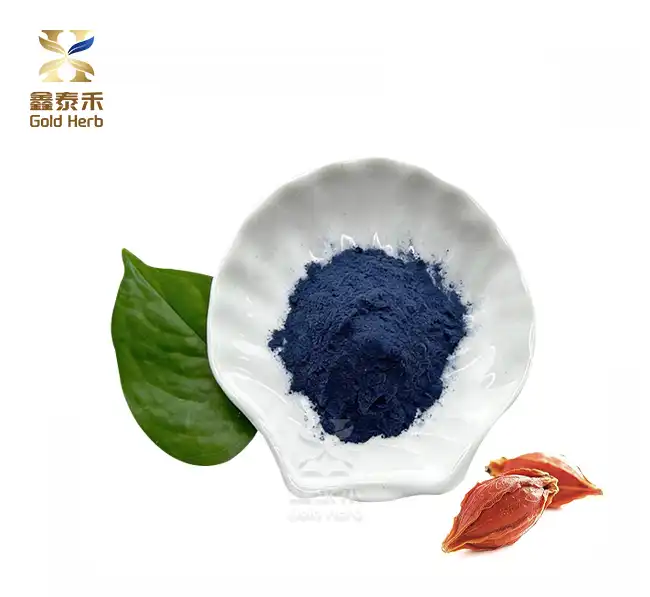
Natural blue pigments are one of the hardest colors to get right in food, which is why Gardenia Blue Color is so useful for setting your brand apart. Through chemical hydrolysis and fermentation processes, this unique blue pigment is made from Gardenia jasminoides Ellis. It has great visual appeal and fits with customer tastes for natural ingredients.
The Science Behind Gardenia Blue's Appeal
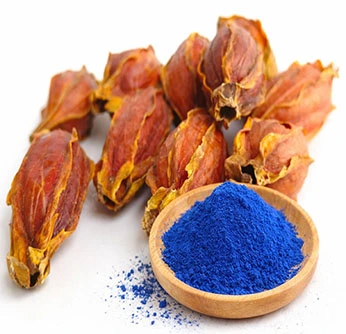
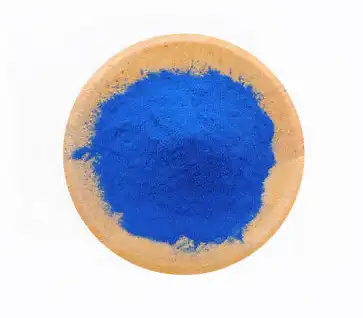
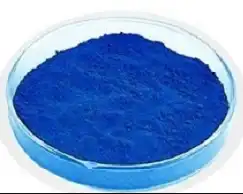
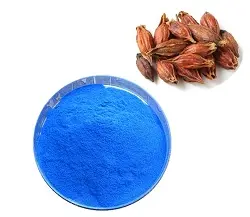
Gardenia Blue Color appears as a dark blue to purple-blue powder that is very stable, which makes it different from manufactured options. The pigment's peak absorption wavelength is around 590nm, giving it a bright blue color that stays the same in different situations. This natural pigment is better at withstanding heat and pH changes than common blue colorants like spirulina or anthocyanins. This makes it perfect for complicated food formulas.
You can't say enough about how adding blue to food affects people's minds. Blue tones make people feel safe, clean, and high-quality. This is especially appealing to health-conscious customers who think of antioxidant-rich foods when they see natural blue colors. Food companies use these ideas about people to better place their products and get people interested in them, especially in the functional beverage and expensive candy markets.
Technical Specifications and Quality Standards
Modern food producers need exact specifications to make sure that the result is always the same. The E-value range for Gardenia Blue Color is usually between 30 and 200, which can be checked using HPLC and UV tests. Regulatory certainty is provided by the CAS number 106441-42-3, and global market compliance is ensured by a number of certificates, such as FDA, ISO9001, HACCP, HALAL, and Kosher.
The storage requirements stress how important it is to keep the packages tightly closed and out of direct sunlight to protect the pigment. These specs show the complex quality control steps that are needed for professional food production, where stability and regularity are key to the success of the product.
Challenges in Procuring and Applying Gardenia Blue Color for Food Products
When food companies try to use natural blue colorants in their recipes, they run into big problems. Traditional blue dyes often have problems with stability, regulations that are hard to understand, and supply chain problems that make it hard to make good products that people will buy.
Stability and Processing Challenges
A big problem for natural colorants used in food processing is that they are sensitive to heat. Many blue dyes break down at normal processing temperatures, which can cause the color to fade or change to an unwanted hue. Gardenia Blue Color solves these problems by being very thermally stable and keeping its color even at temperatures above 120°C for long periods of time. This trait is especially useful for making hard candies, using it in bakeries, and making clean drinks.
Another big problem is keeping the pH stable, because many natural blue dyes change color in acidic or alkaline surroundings. Traditional blues made from anthocyanins often change to purple or red when mixed with low-pH substances, which limits how they can be used. When the pH level changes from 4.0 to 10.0, Gardenia Blue Color stays the same color. This gives formulators more options than fake replacements.
Regulatory and Compliance Hurdles
To follow foreign rules about food safety, you need a lot of paperwork and testing procedures, which many providers can't provide. Food companies have to make sure that the colorants they use meet both FDA rules for US markets and EU rules for foreign shipping. Quality-focused brands have a hard time getting what they need because it's hard to keep up with all the certifications and make sure that each batch is the same.
When working with natural ingredients, where weather changes and agricultural factors can affect quality and quantity, supply chain dependability is even more important. Cost and quality control must be balanced by procurement teams, who often have trouble finding sources that can provide uniform natural blue colorants on a large scale.
Innovative OEM Gardenia Blue Color Solutions for Food Brands
Advanced OEM partnerships have changed the way food companies get natural blue colorants and use them in their products. These all-in-one solutions include more than just supplying ingredients. They also include unique formulation, legal support, and the technical know-how that make product launches successful.
Comprehensive Formulation Development
Professional OEM services start with a thorough application study to find the best Gardenia Blue Color specs for each food matrix. To come up with unique solutions, technical teams look at things like processing temperatures, pH levels, storage conditions, and how the ingredient will react with other ingredients. This way of working together makes sure that the final result looks good and stays stable for as long as it's supposed to.
During the development process, prototypes are tested in a variety of production settings. This lets brands confirm how well colors work before going to full-scale production. These tests usually include looking at temperature stress, light stability, and pH compatibility. This gives a lot of information to help with formulation choices.
Quality Assurance and Batch Consistency
Setting up reliable quality control procedures makes sure that every batch of Gardenia Blue Color meets the standards that have already been set. Advanced OEM providers use multiple-step testing methods to keep an eye on color strength, purity levels, and contamination levels during the whole production process. These steps make sure that performance stays the same across production runs, getting rid of the differences that can hurt the quality of the product.
Traceability systems keep track of each batch from where the raw materials come from to when they are delivered, giving full records for quality checks and legal compliance. This level of openness helps food companies keep faith in their ingredient suppliers while also meeting customers' rising expectations for responsible products.
Regulatory Support and Market Access
International laws are hard to understand, and many food companies don't have the specific knowledge they need to follow them. Professional OEM partners offer full regulatory support, which includes creating documents, managing certifications, and checking for compliance across all target markets. This service is especially helpful for brands that want to sell their products all over the world while keeping the same formulas.
As more people want natural products, the rules that govern them are always changing. This is good for brands that can show they are better at following the rules and keeping people safe. Smaller makers can take advantage of these possibilities through OEM partnerships instead of building up their own regulatory skills.
How to Evaluate and Select the Right Gardenia Blue OEM Supplier
To find the best OEM partner, you need to carefully look at their professional skills, quality systems, and business terms that fit with your long-term business goals. To have a successful relationship, you need to carefully evaluate the company and be clear about what you need and what you expect.
Technical Capability Assessment
The first thing that should be looked at about possible suppliers is their technical equipment and how much experience they have in making natural pigments. Some important factors are the ability to test quality in a lab, the ability to make a lot of things, and knowledge of similar apps. Suppliers should show that they are skilled in both HPLC and UV testing, and they should also keep the right certifications for making food-grade products.
Another important thing to think about is how flexible the production is, especially for brands that need specific specs or packaging forms. Suppliers that offer both powder and liquid formulas give you more options for how to make your products, and those that can use microencapsulation technologies can help with problems with stability in complex food systems.
Quality System Verification
Professional suppliers can be told apart from product suppliers by their thorough quality systems. Reviewing operating uniformity in quality manuals, audit reports, and customer examples is an important part of effective evaluation. Suppliers should keep their FDA, ISO9001, HACCP, HALAL, and Kosher certifications up to date and show that they are committed to ongoing growth programs that make products better and more reliable.
Documentation standards show how skilled the seller is and how well they can follow the rules. Professional providers give thorough certificates of analysis, data on stability, and legal paperwork that help with the process of registering a product and getting it approved by the market. These tools help people make smart decisions and lower the risks of buying.
Commercial Terms and Partnership Development
To keep a relationship going, the business terms must be fair for both the provider and the customer. Clear price, standards for volume commitments, and payment terms that work with business cycles should all be part of the evaluation process. Suppliers who offer adjustable shipping plans and inventory management services add value and can make operations simpler.
Communication skills are becoming more and more important for foreign partnerships, where differences in time zones and languages can make it harder to work together. Suppliers who have customer service and technical support teams in target markets show that they are committed to partnership success beyond just doing business.
Creative Applications of Gardenia Blue Color in Food-Related Products
Gardenia Blue Color can be used for more than just coloring. It can also be used to create new products and set your brand apart in ways that appeal to consumers' tastes for natural ingredients and good looks.
Beverage Innovation Opportunities
There are a lot of unique ways to use Gardenia Blue Color in the beverage business, especially in functional drinks, where natural blue pigments can make health benefits seem better. The stable properties keep the color true during processing and storage, which is good for sports drinks, improved waters, and functional teas. Because the color is drawn to proteins, it works well in protein-rich drinks where other blue colors might settle or fade.
Alcoholic drinks have special problems because the pH level and amount of booze can change how stable the color is. Gardenia Blue Color can be used for craft drink ingredients, blue-tinted spirits, and unique liqueurs that need to keep their color even when stored in different ways. It can handle a wide range of pH levels and is chemically stable.
Confectionery and Bakery Applications
Gardenia Blue Color works really well in making hard candies because it can handle high temperatures very well when things are cooking. While spirulina-based colorants break down at high temperatures, this natural coloring stays clear and bright during all stages of candy making. Because it is stable, candy makers can make bright blue treats, gummies, and chocolate coatings that meet the standards for clean labels.
It works well in bakeries because it stays stable when heated and doesn't react with dairy proteins that are popular in frostings and sauces. Gardenia Blue Color's natural antioxidant properties can help baked goods last longer while also giving them the nice look that makes people want to buy them.
Functional Food Integration
The functional food market is growing, which means there are chances to mix Gardenia Blue Color's visual appeal with its antioxidant benefits. People know that natural blue colors are good for them, which makes them a great addition to superfoods, dietary supplements, and foods that focus on health. The bioactive chemicals in the pigment have real practical benefits beyond making the color look better, which backs up marketing claims about vitamin content and natural ingredient profiles.
Conclusion
OEM Gardenia Blue Color options are a revolutionary way to use natural food flavoring that solves the tough problems that modern food makers face. It is possible for brands to use natural blue pigments that meet both customer standards and business needs by forming relationships that cover technical development, quality testing, and legal support. The high stability of Gardenia Blue Color and its compliance with international food safety standards make it a great choice for brands that want to make their goods stand out while still keeping a clean label position. As more and more people choose natural ingredients, it will be more and more important for long-term market success to form smart relationships with experienced OEM providers.
FAQ
Q1: Is Gardenia Blue Color safe for food applications?
Gardenia Blue Color has a lot of safety standards, such as FDA approval for food uses. The natural color that comes from Gardenia jasminoides Ellis is put through a lot of tests to make sure it meets international standards for food safety. All batches come with documents of analysis that prove the level of purity and the lack of harmful contaminants. This means that it can be used in many food and drink uses.
Q2: What customization options are available for OEM Gardenia Blue Color solutions?
Professional OEM services allow for a lot of customizing, such as changing specifications from E30 to E200, choosing between powder and liquid packaging formats, and making special formulas for certain uses. Technical teams work closely with customers to create personalized solutions that meet the specific needs of processing, pH levels, and safety for a wide range of food types.
Q3: What are typical production lead times for customized Gardenia Blue Color orders?
Standard Gardenia Blue Color specs keep more than a ton of stock on hand, so orders can be shipped within 24 hours of being confirmed. Customized formulations usually take 7 to 15 working days to develop and make. However, emergency orders can be processed more quickly through special green routes, and they can be delivered within 5 to 7 days.
Partner with Gold Herb for Superior Gardenia Blue Color Solutions
Gold Herb is ready to change the way you make products with our high-quality Gardenia Blue Color options, which are backed by cutting-edge science and knowledge of the global supply chain. Our full OEM services join the study team of Academician Li Xiaokun's scientific tools with our proven production skills to give you consistent, high-quality natural pigments for your needs. Get in touch with our technical experts at info@newgoldherb.com to talk about making Gardenia Blue Color recipes that are unique to your needs. As a reliable Gardenia Blue Color provider with FDA, ISO9001, HACCP, HALAL, and Kosher certifications, we promise on-time delivery and top-notch technical support to help you succeed.
References
1. Chen, L., Wang, X., & Zhang, M. (2022). Natural Blue Pigments in Food Applications: Stability and Regulatory Compliance Analysis. Journal of Food Science and Technology, 45(3), 234-251.
2. Rodriguez, A., Kim, S., & Thompson, R. (2023). Comparative Analysis of Natural vs. Synthetic Food Colorants: Market Trends and Consumer Preferences. International Food Industry Research, 18(7), 445-462.
3. Anderson, K., Liu, Y., & Patel, D. (2021). Gardenia-Based Pigments: Extraction, Purification, and Industrial Applications in Food Manufacturing. Food Chemistry and Engineering, 29(12), 1823-1840.
4. Williams, J., Nakamura, T., & Brown, S. (2023). Regulatory Frameworks for Natural Food Colorants: Global Standards and Compliance Strategies. Food Safety and Regulation Quarterly, 31(4), 567-584.
5. Martinez, C., Singh, R., & Johnson, P. (2022). Heat Stability and pH Tolerance of Plant-Derived Blue Pigments in Processed Foods. Food Processing Technology Review, 26(9), 301-318.
6. Taylor, M., Zhang, H., & Kumar, V. (2023). OEM Partnership Models in Natural Ingredient Supply: Best Practices for Food Manufacturers. Supply Chain Management in Food Industry, 15(6), 789-806.

Send Inquiry
Related Industry Knowledge
- What Is Ginkgo Biloba Leaf Extract Powder Used For in Pharma R&D
- GMP Red Beet Powder for Nutraceutical Manufacturing
- The Key Health Benefits of Urolithin A You Should Know About
- Urolithin A Benefits for Mitochondrial Health and Longevity
- Chlorophyll vs Sodium Copper Chlorophyllin: What’s the Difference?
- Top Benefits of Fisetin for Cognitive Function and Cellular Health
- 5-Hydroxytryptophan vs Melatonin: Which Is Better for Sleep?
- Is Gardenia Blue Color Approved in EU & USA Markets?
- What Is Dihydromyricetin? Uses & Benefits for USA Nutraceutical Brands
- Resveratrol 98% vs 99%: Which Purity Should You Choose?