
Why Bulk Organic Saw Palmetto Powder is in Demand for 2026
Sep 02, 2026
The rising demand for bulk organic Saw Palmetto Fruit Powder in 2026 reflects a fundamental shift in how B2B buyers approach procurement of natural health ingredients. As formulators seek standardized, sustainable botanical raw materials that meet strict regulatory benchmarks, organic saw palmetto powder stands out for its dual advantages: consistent fatty acid potency standardized to 25% and robust certification credentials including FDA, ISO9001, HACCP, HALAL, and Kosher. The confluence of consumer preference for clean-label products, regulatory evolution favoring traceable organic supply chains, and the powder format's superior stability over liquid extracts positions this ingredient as a strategic choice for nutraceutical manufacturers, cosmetic formulators, and functional food developers worldwide.
Product Specifications
[Request COA]
| Parameter | Specification |
|---|---|
| Product Name | Saw Palmetto Powder |
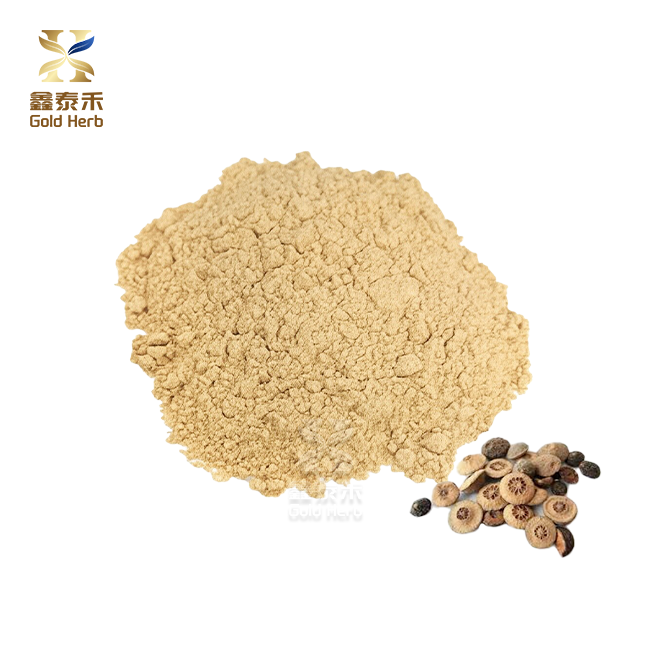
| Appearance | Off-white, white, or slightly yellowish fine powder |
| Active Components | Total Fatty Acids 15%–30%, Free Fatty Acids≥8% |
| CAS Number | 489-32-7 |
| Test Method | GC |
| Part Used | Fruit |
| Loss on Drying | ≤5.0% |
| Ash Content | ≤6.0% |
| Particle Size | 100% pass 80 mesh |
| Solubility | Insoluble in water; freely soluble in ethanol (≥90%) |
| Total Aerobic Count | ≤10³ CFU/g |
| Yeast & Mold | ≤100 CFU/g |
| Shelf Life | 2 years |
| Storage | Store in tightly closed original container, protected from light |
| Certifications | FDA, ISO9001, HACCP, HALAL, Kosher |
Introduction
The supplement ingredient saw palmetto fruit powder is becoming common. Botanicals are popular. Southeast-grown Serenoa repens palm berries have traditionally improved men's health. Buyers now want organic certification, accurate analysis, and supply chain transparency, not historical use.
Organic saw palmetto powder in bulk meets three needs: volume price, diverse formulations for varied purposes, and quality consistency. In 2026, R&D directors and procurement teams must find ingredients that satisfy regulators and sustainable product purchasers. This article explains market developments, supplier assessment, and strategic sourcing for B2B professionals to satisfy industry standards.

Understanding Saw Palmetto Fruit Powder and Its Market Relevance
The Botanical Foundation
Saw Palmetto Fruit Powder is prepared from ripe Serenoa repens berries, a tiny palm that grows well along Southeast beaches. The final ingredient profile depends on processing. Whole berry powder has 10–12% native fatty acids; thus, finished items require more. Standardized extract powders, comprising micro-encapsulated oils on carriers, give concentrated efficacy at 25% or 45% total fatty acids, allowing exact formulation control.
Differences are crucial for purchase decisions. Whole berry powder may be utilized when natural berry matrix components give the desired effect. Standardized extracts tested by Gas Chromatography (GC) stabilize medicinal formulations. Strength and convenience of manufacture are optimal with 25% fatty acids, particularly for hard shell capsules and two-piece tablets.
Active Compounds and Validated Benefits
Lauric, myristic, and oleic acids make saw palmetto healthy. Its phytosterols include beta-sitosterol. Together, these bioactive compounds block 5-alpha-reductase enzymes from converting testosterone to DHT.³ Benign prostatic hyperplasia causes overnight bathroom visits and bladder issues. These symptoms are linked to high DHT. Millions of men suffer from these symptoms.
Saw palmetto decreases DHT-induced follicular damage and increases hair density for androgenetic alopecia, according to new research.² Its hormone-regulating and anti-inflammatory properties treat various health issues and keep men healthy and sexually active. Due to its various benefits, nutraceutical, cosmetic, and functional food products are using this ingredient more.
Market Expansion Trajectory
As customers and government agencies push for clean labels and products that come from sustainable sources, the demand for natural plant extracts grows. More people are becoming aware of chemical residues and how they affect the environment, which is boosting the organic section. According to a study of the market, saw palmetto is now used in standard supplements, hair care products that you put on your hair, functional drinks for men's health, and even high-end skin care lines that use its anti-inflammatory qualities. This variety opens up buying possibilities across many fields, from well-known supplement makers to new cosmetics companies looking for natural alternatives to manmade actives.

Why Bulk Organic Saw Palmetto Powder is Preferred in 2026
Economic Advantages Through Volume Procurement
Unit economics change when you buy in bulk. When private label manufacturers or companies that make nutraceuticals commit to larger volumes, often more than one metric ton, supplier pricing structures change in a good way. The price per kilogram goes down a lot, which increases product profits without lowering quality. With these volume commitments comes reliable supply; suppliers keep special stock for bulk clients, so production schedules don't get thrown off even when harvest times change or the supply chain is interrupted.
The math behind the finances goes beyond just saving money right away. Building consistent ties with suppliers through large orders lets you negotiate payment terms, special requests, and early access to new crop harvests. For companies making more than one SKU with saw palmetto in it, buying from a single high-quality bulk source makes the buying and quality control processes go more smoothly.
Organic Certification as Quality Assurance
Organic approval is more than just a business claim; it sets up a complete system for quality control. Organic standards in the EU and the USDA require strict rules about how to grow crops, control pests, process food, and inspect facilities. These rules successfully lower the chances of pollution from heavy metals, chemical residues, and microbial pathogens that can sometimes affect plants grown in the traditional way.
Analytical testing shows the difference in quality. An organic saw palmetto fruit powder supplier always has better chromatographic profiles with fewer compounds that get in the way. This makes formulation work easier and lowers the number of batches that need to be thrown out. Organic certification makes it possible to track products from the field to the final product. This meets the documentation needs of major markets like the US, EU, and emerging Asian economies.
Sustainability Alignment and Regulatory Pressure
Organic saw palmetto cultivation protects water, soil, and biodiversity. As environmental, social, and political considerations influence company purchases, ingredient sources are scrutinized. Supplement and cosmetic buyers realize that organic certification provides sustainable credentials to defend their company. These qualifications satisfy internal company accountability and external shareholder norms.
To clarify, regulations change constantly. Organic certification reduces hazards since the FDA is concerned about supply chain integrity and international programs monitor ingredient origins. Companies that employ organic materials ahead of time avoid spending a lot of money remaking goods or reworking supply chains when new restrictions take effect.
Comparison of Saw Palmetto Powder Forms and Their Applications
Powder Versus Liquid Extracts
Powder and liquid extracts are contested due to processing, stability, and cost. Clinical efficacy studies show that liquid liposterolic solutions are superior for benign prostatic hyperplasia. Making liquids is tough because softgel packaging is costly, oxidative instability shortens shelf life, and temperature-sensitive handling is problematic.
Standardized powders solve these issues. The microencapsulation technique prevents oxidation of active fatty acids. The product may be stored for 24–36 months if kept cold (below 25°C), out of the light, and in properly sealed containers. Using typical pharmaceutical equipment to compress tablets and fill hard-shell capsules is simpler with powder. Manufacturing is easier with ease of handling, particularly for organizations that employ common production lines to manufacture multiple formulations.
Organic Versus Non-Organic Quality Considerations
Organic and non-organic saw palmetto powder vary in quality beyond certification. Organic powders are more consistent because organic farming prioritizes plant health and soil management over synthetic treatments that might alter phytochemical profiles. Gas chromatography fingerprinting demonstrates that organic sources maintain their fatty acid ratios, which helps formulators target strength.
Market acceptance also differs. Consumer research regularly reveals that customers desire certified organic ingredients, which might raise product prices. Organic products fulfill tight residual restrictions in the EU and other international markets, making compliance easy. For B2B customers that engage with premium companies, organic powder's higher cost reduces regulatory risk and boosts market placement.
Whole Berry Powder Applications
Whole berry powder is beneficial when the phytochemical matrix provides added advantages. Some traditional herbalists and formulators prefer whole berry preparations because they prefer the natural chemical balance to fatty acid concentrations. Due to its lower fatty acid content (10–12%), it requires 1–3 grams per day instead of 160–320 mg for standardized goods.
These dose differences affect product format choices. Powdered drink mixes, functional food bars, and other delivery systems that can handle more ingredients work well with a whole berry saw palmetto fruit powder supplier. Concentrated actives like 25% fatty acid powder are employed in capsules and tablets due to space constraints. Buyers may tailor specifications to product development plans when they know about these application-specific advantages.

How to Evaluate and Select a Reliable Bulk Organic Saw Palmetto Powder Supplier
Certification and Quality Systems Assessment
Supplier evaluation begins with permission verification. Check for organic certification, Current Good Manufacturing Practices, ISO9001 quality management, and HACCP food safety regulations. These certificates demonstrate planned quality control from raw material acceptance to product delivery. Instead of trusting a website, get photos of the certificates and verify them with the issuing institutions.
Testing distinguishes outstanding from good services. Total fatty acid testing is done by comprehensive vendors utilizing Gas Chromatography with Flame Ionization Detection. They measure phytosterols by measuring beta-sitosterol and associated chemicals, fatty acid profile analysis to evaluate lauric-myristic-oleic ratios, and rancidity criteria like peroxide and acid values. DNA barcoding verifies species identification and prevents economic changes like utilizing cheaper palm oils instead of saw palmetto.
Production Capacity and Inventory Management
Know what's accessible and how much you can create to calculate production capacity. Suppliers with a one-ton or greater specialized inventory for standard products are devoted to bulk clients and can fulfill quick demands. Working with reliable suppliers, we know that holding permanent stock in important places like US warehouses allows North American clients to get their purchases in 3–5 business days, a considerable reduction in lead times compared to purchasing from abroad.
Emergency manufacturing is crucial when demand increases or supply issues arise unexpectedly. For urgent small-batch orders, "green channel" vendors with a 5–7-day turnaround are beneficial. Experienced manufacturers can provide customized requirements like potency levels, carriers, and packaging layouts in 7–15 days. Clear timelines for supplier certification prevent costly product releases with delays.
Negotiating Terms and Logistics Optimization
Minimum order numbers vary per supplier, affecting both purchasing costs and inventory demands. Some dealers want many tons, while others accept 100 to 500 kg to evaluate the goods before investing more. Discuss volume-tiered pricing models that encourage loyalty and development without keeping your organization in perishable inventory.
Logistics skills affect landing prices and supply stability. Leading international carriers like DHL, FedEx, and SF Express simplify tracking and provide predictable delivery times. Check the supplier's expertise in export documentation, notably phytosanitary certifications, certificates of analysis, and customs clearance. Suppliers with freight forwarding agreements may manage difficult overseas shipments, making paperwork simpler for your purchasing team.
Future Outlook: Why Demand Will Continue Rising in 2026 and Beyond
Application Expansion Across Categories
Saw palmetto is useful in more areas than just standard men's health vitamins. It is becoming more popular as an ingredient in new products. Botanical extracts that support energy and hormone balance are being used more and more in functional drinks aimed at active adults. Cosmetic companies use saw palmetto powder to make hair care products that work by blocking DHT. This opens up whole new markets for saw palmetto powder. The people who make sports nutrition are looking into how saw palmetto can help naturally boost testosterone in clean-label products.
This spreads out demand so that it isn't tied to any one type of application. When the market for supplements slows down, the market for cosmetics or useful foods grows to make up for it. This wide range of uses means that B2B buying teams should invest in source relationships and inventory positions that take advantage of multiple growth paths at the same time.
Research Validation and Innovation Cycles
Saw palmetto's mechanisms are still being confirmed by ongoing clinical research, which is also expanding the range of evidence-based uses. New research looks at how saw palmetto can work better with other plants like pygeum, beta-sitosterol isolates, or pumpkin seed extracts. These combinations work better than the sum of their parts. This research pushes formulators to come up with new ideas, which leads to unique products that deserve a higher price.
New delivery methods take advantage of the stability benefits of saw palmetto powder. Microencapsulation technologies make substances more bioavailable while hiding their taste in drinks. Even though saw palmetto is hydrophobic, water-dispersible grades allow drinks to be clear or slightly cloudy. These new ideas make it easier to reach more customers, especially younger people who like convenient formats better than traditional capsules.
Regulatory Evolution and Market Access
Regulatory environments around the world are moving toward more openness about ingredients and paperwork about where they come from. The FDA's process for notifying companies of new dietary ingredients focuses on making sure that the ingredients are made consistently and safely. Regulations in the European Union look more closely at confirming plant identity and the amounts of contamination. As these standards change, they will favor established suppliers with strong quality systems and thorough documentation practices.
Instead of reacting to changes in regulations, strategic procurement teams plan for them. Working with suppliers who hold certifications that go above and beyond what is required by law, like HALAL and Kosher, along with following standard food safety rules, gives you the freedom to serve a wide range of global markets. Working with providers who care about quality and follow the rules gives you a bigger edge over the competition over time.
Conclusion
Consumer desire for natural, sustainably sourced ingredients, regulatory frameworks that emphasize transparency and quality, and rising usage in nutraceuticals, cosmetics, and functional foods are transforming the bulk organic Saw Palmetto Fruit Powder market in 2026. Businesses get a competitive advantage by treating organic saw palmetto powder as a strategic raw resource rather than a common ingredient. Powder is more stable than liquid extracts, and organic certification's quality assurance mechanism answers formulation scientists' and procurement managers' key issues. As research proves new applications and regulations tighten, players with consistent quality, comprehensive certification, and flexible service choices will dominate this developing sector.

FAQ
1. What specifications should I request when sourcing bulk organic saw palmetto powder?
Ask for a standard fatty acid content (usually 25% to 45% measured by GC), proof of organic certification (USDA Organic or an equivalent), a full fatty acid profile showing the typical lauric-myristic-oleic ratios, an estimate of the phytosterol content, heavy metals testing results, microbiology screening results confirming the absence of pathogens, and peroxide/acid values indicating freshness. A trustworthy supplier will give you full Certificates of Analysis that list all the parameters.
2. How does organic certification impact product quality beyond marketing claims?
Organic certification sets standards that must be followed. These standards cover growing crops without using synthetic pesticides, processing foods without using banned substances, inspecting facilities to make sure they don't get contaminated, and being able to track the whole supply chain. Compared to sources that aren't certified, these protocols consistently lower the risks of heavy metal contamination, pesticide residues, and microbial hazards. The framework for quality control needed for organic certification is usually linked to better production methods overall.
3. What storage conditions maximize saw palmetto powder shelf life?
Keep in containers that are tightly sealed, especially ones that have been nitrogen-flushed or vacuum-sealed, at temperatures below 25°C in places with low humidity that are out of the light. Saw palmetto powder can go bad because it has a lot of lipids in it. If you store it properly, it will last for 24 to 36 months. If you are storing something for a long time, check the peroxide levels on a regular basis and use first-in, first-out inventory rotation.
Partner with Gold Herb for Premium Organic Saw Palmetto Fruit Powder
With Certified Bulk Organic Saw Palmetto Fruit Powder that meets the highest industry standards, Gold Herb is ready to support your formulation and sourcing goals. Our 25% fatty acid specification, which has been checked by Gas Chromatography testing, gives your goods the consistency they need. It is backed by FDA, ISO9001, HACCP, HALAL, and Kosher certificates. We offer more than just raw materials; we also provide solutions by using the strong global supply chain resources and technical know-how we get from partnering with top research institutions. Gold Herb is both reliable and flexible. They keep constant stock in stores in the United States so that orders can be filled in 3–5 days, and they can be customized to meet your specific formulation needs. You can talk to our technical team at info@newgoldherb.com about your specific needs, ask for samples, or learn more about what we can do as your trusted Saw Palmetto Fruit Powder manufacturer.
References
1. National Center for Complementary and Integrative Health. (2020). Saw Palmetto. U.S. Department of Health & Human Services.
2. Journal of Alternative and Complementary Medicine. (2019). Efficacy of Saw Palmetto Extract in Androgenetic Alopecia: A Systematic Review.
3. Nutrients Journal. (2021). Plant Sterols and Stanols in the Management of Dyslipidaemia and Prevention of Cardiovascular Disease. MDPI.
4. Organic Trade Association. (2022). U.S. Organic Industry Survey. https://ota.com/resources/market-analysis
5. Journal of Pharmacy and Pharmacology. (2018). Phytotherapy for Benign Prostatic Hyperplasia: Current Evidence and Future Prospects. Oxford Academic.
6. American Botanical Council. (2023). Herbal Medicine Market Report. HerbalGram Journal.

Send Inquiry
Related Industry Knowledge
- Why Silymarin Powder Is Popular in Liver Health Supplements
- Creatine Monohydrate: A Comprehensive Guide to Enhancing Your Fitness Journey
- Black Pepper Extract Powder: Benefits, Uses and Bulk Supply Guide
- Cistanche Tubulosa Extract for Daily Vitality and Healthy Aging
- Tongkat Ali Root Extract Explained: Benefits, Safety & Applications
- Silymarin Benefits: The Best Natural Liver Support Supplement
- Why Is Centella Asiatica Extract Everywhere in Skincare?
- Boswellia Extract Powder vs Curcumin: Which for Joint Health Products
- 5-Hydroxytryptophan Benefits for Sleep, Mood, and Stress Relief Explained
- 5-Hydroxytryptophan for Sleep & Mood Support | Natural Serotonin Booster Explained