
Why Silymarin Powder Is Popular in Liver Health Supplements
Aug 27, 2026
Silymarin Powder has become a cornerstone ingredient in the liver health supplement industry, and its popularity among manufacturers and formulators stems from its scientifically validated hepatoprotective properties combined with exceptional formulation versatility. Extracted from milk thistle seeds, this standardized botanical complex addresses critical procurement pain points—bioavailability consistency, regulatory compliance, and scalable manufacturing—while meeting the surging consumer demand for natural, clinically substantiated wellness products. Understanding why this ingredient dominates formulation strategies helps procurement professionals make informed sourcing decisions that enhance product efficacy and market competitiveness.
Understanding Silymarin Powder and Its Role in Liver Health
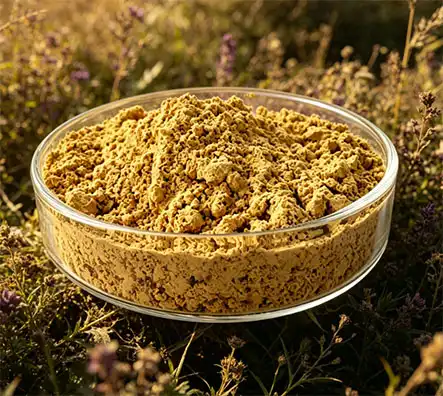
Silymarin Powder is a standardized lipophilic extract made from the coats of Silybum marianum seeds. It is chemically described as a complex flavonolignan mixture. The active ingredients are silybin A and B, isosilybin, silychristin, and silydianin. For professional use, the total silymarin content is usually set at 80% by UV analysis or 50–60% by HPLC analysis.
The Hepatoprotective Mechanism
Milk thistle extract's biological activity is based on its ability to protect the liver in multiple ways. At the cellular level, these flavonolignans stabilize the membranes of hepatocytes by binding to receptor sites. This stops hepatotoxins from getting into liver cells. At the same time, the substance speeds up the repair of damaged liver tissue by increasing ribosomal protein production. Studies in humans show that silybin is a powerful antioxidant that gets rid of reactive oxygen species that damage liver cells through oxidative stress.
Detoxification Support and Beyond
In addition to keeping the membranes stable, this botanical mixture improves the liver's natural detoxifying processes by increasing the activity of Phase II detoxification enzymes. This makes it very useful for formulas that are meant to help people who are exposed to chemicals in the environment, drugs, or drinking habits that put stress on the liver. A new study also shows that it may help with controlling glycemic levels, protecting the heart through myocardial cell defense, and regulating cholesterol metabolism. This means that it can be used for more than just liver health.
Quality Specifications for Procurement
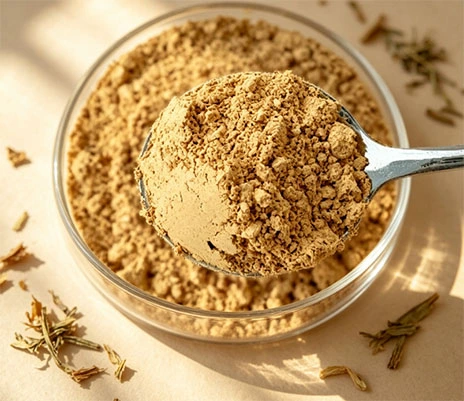
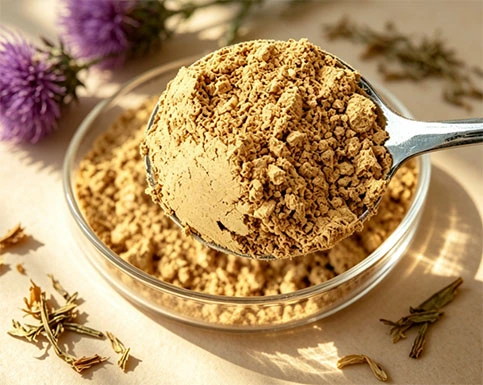
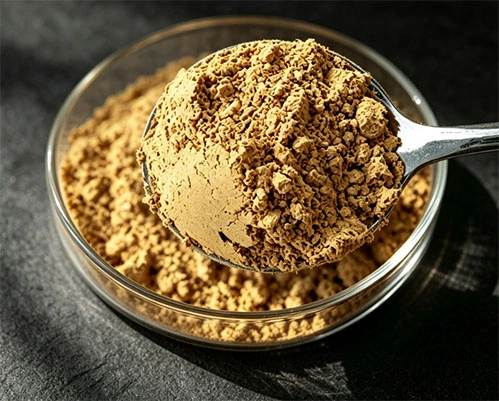
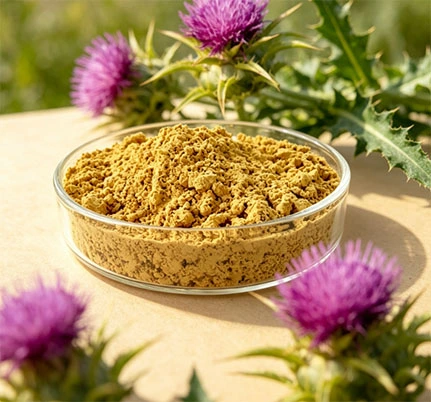
When it comes to buying things, knowing specs is very important. Good Silymarin Powder looks like a fine, light yellow to brownish-yellow powder with a unique smell and bitter taste. The bulk density ranges from 0.45 to 0.55 g/ml, and 95% of the particles are small enough to pass through an 80-mesh screen. This makes sure that the mixture blends well in pill and tablet forms. These technical factors have a direct effect on the stability and consistency of the final product and the way it is made.
Comparison of Silymarin Powder with Other Liver Supplement Forms
When procurement teams look at liver health ingredients, they come across different types of materials. Each type has its own pros and cons when it comes to manufacturing.
Potency and Standardization
The amount of silymarin in raw milk thistle seed powder is only 1.5 to 3%, so much higher doses are needed to reach therapeutic levels. Standardized extracts with an 80% silymarin concentration, on the other hand, have 25–50 times more effectiveness per gram, which means that fewer capsules are needed and more people will take them. This concentration advantage makes manufacturing more efficient by using fewer raw materials, cutting down on the cost of packaging, and making finished goods smaller so that they are easier to move.
Bioavailability Considerations
Because silymarin in Plant Extract Supplier products is lipophilic, it can be hard for the body to absorb. Standard powder formulations have a basic level of bioavailability, but modern delivery methods that use phytosome technology or nano-emulsion techniques make absorption rates much higher. Manufacturers who want to reach high-end customers can charge more for these enhanced-bioavailability forms because they can back up their claims of effectiveness with better pharmacokinetics. Choosing between standard and enhanced formats depends on how the target market is positioned and how sensitive they are to price changes.
Formulation Stability
When it comes to stability, standardized powder extracts are better than liquid concentrates or raw botanicals. Powder forms don't lose their strength or color because of oxidative degradation, which happens when the moisture content is limited and they are packed in safe materials. This stability profile increases the shelf life, lowers the number of product returns, and keeps assay values uniform across batch production cycles. These are all important factors for foreign distribution, where goods may be stored and shipped in a variety of climates.
Why Silymarin Powder Is Favored by Global B2B Buyers
The fact that international procurement professionals like milk thistle extract is due to a number of factors coming together in a way that fits with modern supply chain priorities.
Quality Certification and Compliance
Many of the biggest manufacturers have set up complete quality control systems that are approved by ISO9001, HACCP, and the FDA. These approvals make sure that the places where medicines are made follow international standards for keeping them clean, being able to be tracked, and keeping records on each batch. Specialized certifications like Halal and Kosher approvals also make it easier for companies to sell their products in markets around the world where people have different dietary needs. When procurement teams look at providers, they give more weight to those whose certification portfolios are up to date and in line with the rules of the target market.
Supply Chain Reliability
China has become the most important place to get high-quality botanical extracts by taking advantage of its large agricultural scale, infrastructure for extraction technology, and quality control skills. Reliable Chinese manufacturers keep a lot of stock on hand—often more than a ton for standard specifications—so they can quickly fill orders and get them to customers within 24 to 48 hours. Smaller sellers often run out of stock, which can mess up production plans and cause products to come out later than planned.
Cost-Effectiveness with Quality Assurance
Asian botanical extract suppliers offer big savings on costs without lowering quality standards because their prices are very competitive. Manufacturers who have long-term relationships with global transport companies like DHL and FedEx can guarantee reliable international shipping with all the paperwork needed to clear customs. Some providers have set up fixed inventory positions in warehouses in the United States. This cuts delivery times down to three to five business days and gets rid of the problems that come with foreign freight that make just-in-time manufacturing strategies harder to use.
Customization Capabilities
Modern providers offer a wide range of customization options, including help with formulating, finding the best dosage form (powder, liquid, or microcapsules), and setting the right packing requirements. This versatility is very helpful for brands that want to stand out by using their own mixes or specific delivery methods. Customized recipes usually take 15 to 20 days to make. This lets the market respond quickly to new trends without having to spend a lot of money on building up in-house R&D facilities.
How to Select the Best Silymarin Powder Supplier for Your Business
When buying botanical ingredients, choosing a supplier is one of the most important decisions that must be made. It has a direct effect on product quality, regulatory compliance, and the long-term reputation of the brand.
Technical Evaluation Criteria
Start by looking at the ability to analyze and the quality of the documentation for Silymarin Powder. Reliable providers give full Certificates of Analysis for every batch, which include UV and HPLC test results, heavy metal screening that confirms levels below 10ppm, pesticide residue testing, and bacterial confirmation. The clear explanation of the test methods, especially the difference between UV total silymarin content and HPLC-specific flavonolignan measurement, shows that the provider is knowledgeable and dedicated to accuracy.
Production and R&D Capabilities
Strong research relationships with suppliers show that they can provide better technical help. Gold Herb works together with top universities and biotechnology research teams to get access to the latest screening methods for active substances and processes for validating their effectiveness. This study infrastructure means better formulation support, which helps purchasing teams find the best combinations of ingredients and dosing plans based on facts rather than guesses.
Regulatory Documentation Support
When you buy something internationally, you need to provide a lot of regulatory support documentation. Check if suppliers can give you certificates that meet the needs of the destination market, whether those needs are EU-CE compliance, FDA registration verification, or certifications that are specific to the region. When suppliers offer third-party verification reports from accredited laboratories, it adds credibility and makes it easier for regulators and customers to do audits.
Communication and Service Infrastructure
Aligning time zones and language skills has a big effect on how people work together. Problem-solving and order handling are made easier when suppliers keep customer service teams that are available in the same time zone and technical help from experienced R&D staff. This focus on service is especially helpful during the creation of a product, when making small changes to the recipe over and over again requires quick contact cycles.
Best Practices on Usage and Dosage for Silymarin Powder in Liver Health Products
To make formulation strategies that work, they need to balance safety concerns with clinical effectiveness. This means using evidence-based dosing protocols and best manufacturing practices.
Evidence-Based Dosing Guidelines
In clinical studies, silymarin doses of 140 mg to 420 mg per day, standardized to 70 to 80% silymarin content, are usually used. For a standard 80% extract powder, this is equal to about 175 to 525 mg of raw material per day, which is usually split into two or three doses to keep plasma levels steady. Formulation scientists should adjust the final dose based on standardization levels and the intended use scenarios. For example, different concentration methods are needed for intense detoxification protocols versus maintenance liver support protocols.
Enhancing Absorption and Efficacy
Because silymarin compounds don't dissolve well in water, they can cause problems with bioavailability that can be fixed with formulation technology. When combined with phospholipids or added to phytosome complexes, absorption rates can be 3–5 times higher than with normal powder forms. Pairing with piperine or lipid-based delivery systems that improve intestinal absorption is another option. These strategies for improvement support putting a high price on a product while giving customers a clear benefit through better effectiveness.
Safety Considerations and Contraindications
Even though silymarin has a great safety profile in clinical literature, formulation guidance should take these possible interactions into account. The substance might combine with substrates of cytochrome P450 enzymes, which could change how medicines are broken down. On the label of a product, it should say that people who are also taking other medications should talk to their doctor. Even though there isn't a lot of data on adverse events, women who are pregnant or nursing need extra careful advice. These safety warnings protect the brand's image and make sure that the product is used properly.
Storage and Stability Requirements
To keep the integrity of the ingredients, they need to be stored correctly. Silymarin Powder should be kept in containers with tight lids that are out of direct sunlight and at controlled temperatures and humidity levels. These parameters stop oxidative degradation, which lowers potency and changes color to show that quality is getting worse. Specifications for purchases should make it clear what kind of storage is needed and set up rules for regular stability tests to make sure that shelf life estimates are accurate.
Conclusion
Silymarin powder, milk thistle extract, has been used in liver health products for a long time because it has been shown to work and can be made in a variety of ways. It also has good supply chain properties. For procurement professionals, this ingredient offers a strong value proposition: clinically proven benefits that align with consumers' health concerns, provided through standard specs that guarantee consistent product performance. Partnering with suppliers who have quality certifications, technical know-how, and a service infrastructure that can be quickly set up and used is the best way to achieve product development goals while staying in line with international regulations.
Frequently Asked Questions
1. How does standardized silymarin powder differ from whole milk thistle supplements?
Standardized extracts bring the potent flavonolignan complex to 80% purity, which is 25–50 times more powerful per gram than the 1.5%–3% purity found in raw seeds. This concentration makes it possible to use fewer capsules, lower doses, and get more reliable restorative results. Standardization also makes sure that there is stability from batch to batch, which is important for quality control and following the rules in business manufacturing.
2. What certifications should I prioritize when sourcing internationally?
It is important that suppliers keep their ISO9001 quality management certification, HACCP food safety protocols, and FDA facility registration up to date. Check to see if Halal, Kosher, or organic certifications are available, depending on the markets you want to reach. Ask authorized labs to do third-party analyzes to make sure that the levels of heavy metals, pesticide residue, and microbiological contaminants meet international pharmacopeial standards.
3. Can silymarin powder be used in functional beverages and cosmetic formulations?
The lipophilic nature makes it hard to formulate in water-based systems, but nano-emulsion or cyclodextrin inclusion technologies help spread the material out and stop it from settling to the bottom. In cosmetics, silymarin stops UV harm and stops melanogenesis. To keep the color of cream bases from changing during storage, stability steps must be added to the mixture.
Partner with Gold Herb for Premium Silymarin Powder Supply
Gold Herb can help you make a liver health product by giving you pharmaceutical-grade milk thistle extract, 80% silymarin, that is made in a way that is certified by ISO9001, HACCP, FDA, Halal, and Kosher. Through our strategic partnerships with top research institutions, you'll have access to the most up-to-date botanical extraction technology and protocols for validating efficacy, which will help you make better formulations. We have been making Silymarin Powder for over three years and have served more than 200 clients in 30 countries. We keep a large inventory that lets us ship standard orders 24 hours a day, and our U.S. warehouses guarantee delivery in three to five days for North American customers. We want procurement professionals and R&D teams to try out our full technical support, customization services, and wholesale pricing that is hard to beat. You can email our team at info@newgoldherb.com to get samples, technical specs, or quotes that fit your recipe needs and market positioning goals.
References
1. Abenavoli L., Capasso R., Milic N., Capasso F. (2010). Milk thistle in liver diseases: past, present, future. Phytotherapy Research, 24(10), 1423-1432.
2. Polyak S.J., Morishima C., Lohmann V., Pal S., Lee D.Y., Liu Y., Graf T.N., Oberlies N.H. (2010). Identification of hepatoprotective flavonolignans from silymarin. Proceedings of the National Academy of Sciences, 107(13), 5995-5999.
3. Federico A., Dallio M., Loguercio C. (2017). Silymarin/Silybin and Chronic Liver Disease: A Marriage of Many Years. Molecules, 22(2), 191.
4. Hawke R.L., Schriever S.C., Soule T.A., Wen Z., Smith P.C., Reddy K.R., Wahed A.S., Belle S.H., Afdhal N.H., Navarro V.J., Berman J., Liu Q.F., Doo E., Fried M.W. (2010). Silymarin ascending multiple oral dosing phase I study in noncirrhotic patients with chronic hepatitis C. Journal of Clinical Pharmacology, 50(4), 434-449.
5. Kren V., Walterova D. (2005). Silybin and silymarin—new effects and applications. Biomedical Papers of the Medical Faculty of Palacky University Olomouc, 149(1), 29-41.
6. Wellington K., Jarvis B. (2001). Silymarin: a review of its clinical properties in the management of hepatic disorders. BioDrugs, 15(7), 465-489.

Send Inquiry
Related Industry Knowledge
- Ergothioneine Powder vs Other Antioxidant Ingredients: Key Differences
- Fisetin Benefits: The Underrated Flavonoid That May Help You Age Better
- Echinacea extract:properties, uses, and supplementation
- Black Pepper Extract (Piperine): Bioavailability, Absorption, and Cognitive Efficiency
- Urolithin A Explained: Specifications, Uses and Industry Insights
- Echinacea Extract: Active Compounds, Benefits and Market Trends
- Stability of Chlorophyllin Powder in Liquid Products
- What is the difference between 5-hydroxytryptophan and tryptophan?
- How Gardenia Blue Color Is Used in Beverage Applications
- Can Phycocyanin Be Used in Cosmetics? R&D Insights