
5-Hydroxytryptophan (5-HTP): Benefits, Applications, and Market Opportunities
Mar 17, 2026
As the nutritional supplement industry undergoes a segmented upgrade toward "precision wellness, emotional health, and sleep-friendly solutions," emotional anxiety, sleep disorders, and weight management have emerged as prevalent health pain points for modern individuals, thereby generating immense market demand. Among the myriad targeted nutritional ingredients available, 5-Hydroxytryptophan (5-HTP; CAS 56-69-9) has distinguished itself as a high-value core ingredient for nutritional supplement brands seeking to strategically position themselves within the three hottest market segments: emotional wellness, sleep support, and weight management. This success is attributed to its well-defined neuromodulatory mechanisms, its natural and safe profile, and the robust scientific validation supporting its efficacy. Unlike traditional sedative ingredients—which offer merely "passive soothing"—5-Hydroxytryptophan (5-HTP) works by regulating the body's neurotransmitter balance at the source. This enables it to deliver a multifaceted array of benefits—including "emotional relief, sleep improvement, and metabolic regulation"—that precisely align with the modern consumer's demand for health solutions that are "gentle, natural, and long-lasting." Furthermore, the underlying mechanistic advantages, application potential, and market opportunities associated with 5-Hydroxytryptophan (5-HTP) serve as critical levers for brands looking to break through the clutter of homogenized competition and secure a dominant position within high-end, niche market segments. Drawing from the perspective of nutritional supplement brands, this article focuses on 5-HTP's core functions, mechanisms of action, product application scenarios, and raw material quality control. By integrating the latest market data and industry trends from 2026, we aim to uncover its commercial value and the strategic opportunities it presents for brands, thereby providing brand owners with actionable insights and practical guidance.
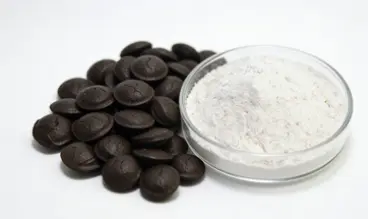
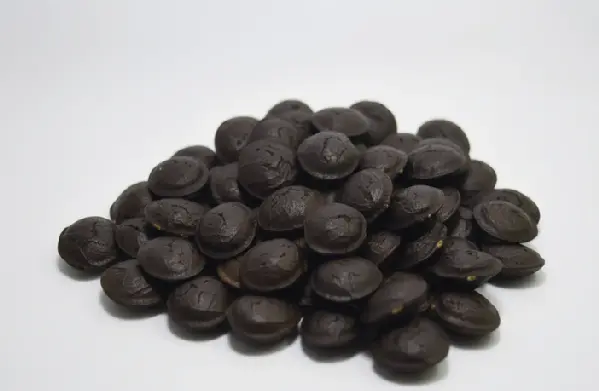
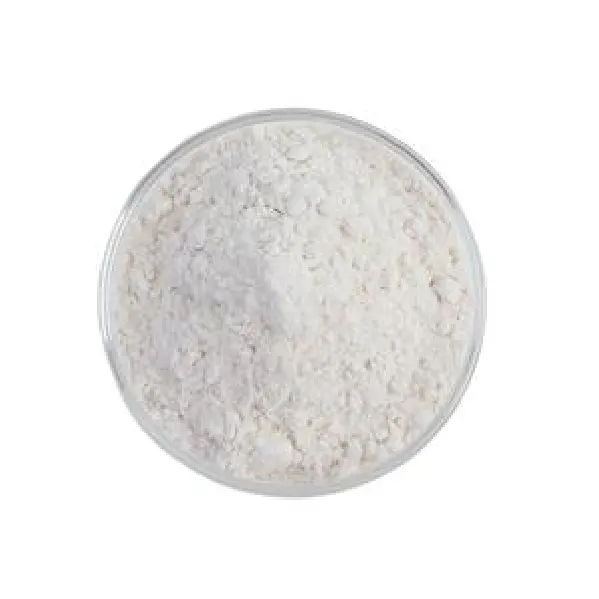
5-Hydroxytryptophan is a naturally occurring amino acid derivative with the molecular formula C₁₁H₁₂N₂O₃ and a relative molecular mass of 220.23. (Notably, this molecular weight falls well below the 500-Dalton threshold, allowing it to readily cross the blood-brain barrier.) Under standard temperature and pressure conditions, it presents as a white to off-white crystalline powder. It is readily soluble in hot water and dilute acids, slightly soluble in ethanol, and sparingly soluble in non-polar solvents such as diethyl ether and chloroform. Exhibiting excellent stability, it can be stored for extended periods under light-shielded, sealed, and dry conditions, making it relatively easy to formulate into various finished products. Its unique distinction lies in the fact that 5-Hydroxytryptophan (5-HTP) is a direct metabolic product of L-tryptophan—an essential amino acid for the human body—and serves as a precursor for the synthesis of the neurotransmitter serotonin (5-hydroxytryptamine). Classified as an "endogenous nutrient," it exhibits excellent biocompatibility and is free from significant dependency risks or side effects. Notably, the human body cannot synthesize L-tryptophan on its own; it must be obtained through dietary intake (e.g., chicken, bananas, nuts, etc.). Furthermore, only a small fraction of this intake is converted into 5-Hydroxytryptophan (5-HTP)—a quantity often insufficient to meet the body's precise nutritional support requirements. Consequently, exogenous supplementation has emerged as the primary method for harnessing its benefits, thereby providing nutritional and wellness brands with a clear entry point into the market. Moreover, 5-HTP is primarily extracted from the seeds of the African plant *Griffonia simplicifolia*; its prominent natural attributes align perfectly with current consumer trends favoring "natural health," thereby further enhancing its market competitiveness.
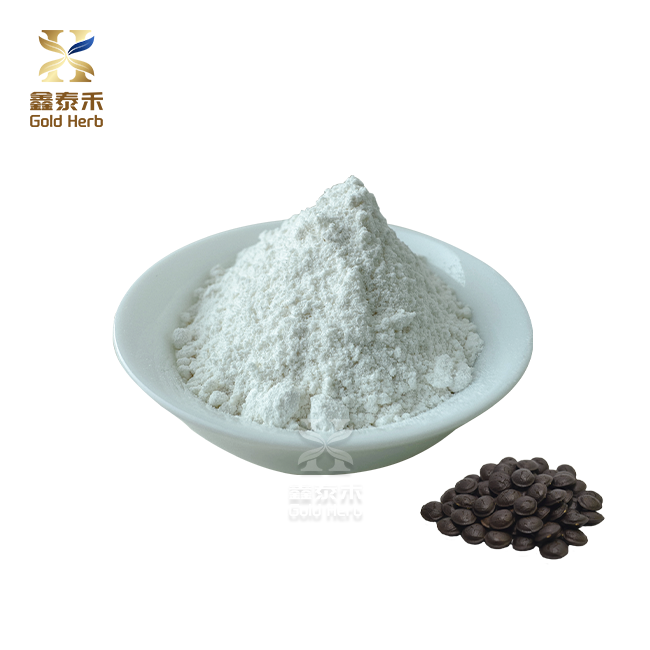
Core Mechanisms and Benefits: 5-Hydroxytryptophan (5-HTP)—The "Natural Regulator" for Triple-Action Wellness
The core value that 5-Hydroxytryptophan (5-HTP) offers to nutritional supplement brands stems from its capacity for the "precise regulation" of the body's neurotransmitter and metabolic systems. By acting as a serotonin precursor, it directly participates in neurotransmitter synthesis, thereby delivering a triple-action benefit encompassing mood, sleep, and weight management. Each of these benefits is substantiated by robust scientific data, aligning perfectly with consumer trends favoring solutions that are "scientific, gentle, and long-lasting." This not only mitigates regulatory compliance risks associated with brand marketing claims but also distinguishes 5-Hydroxytryptophan (5-HTP) from similar ingredients, establishing a unique selling proposition.
(I) Core Benefit 1: Soothing Moods, Alleviating Anxiety, and Safeguarding Neural Homeostasis
Serotonin (5-hydroxytryptamine) serves as the body's primary "mood-regulating factor," responsible for modulating emotional states such as anxiety, depression, and irritability; insufficient levels of serotonin are a primary trigger for mood swings and anxiety. The core advantage of 5-Hydroxytryptophan (5-HTP) lies in its ability to directly cross the blood-brain barrier. Unlike other precursors, it bypasses the need for metabolic conversion by gut microbiota, serving directly as the raw material for serotonin synthesis. This rapidly elevates serotonin levels within the brain, thereby soothing moods and alleviating anxiety at the root cause. Furthermore, its action is gentle, avoiding the side effects—such as drowsiness and dizziness—typically associated with sedative-class ingredients.
A clinical study published in the *Journal of Psychopharmacology* in 2024 confirmed that daily supplementation with 100–300 mg of 5-Hydroxytryptophan (5-HTP) over four consecutive weeks significantly reduced anxiety scores (demonstrated by a 32% drop in Hamilton Anxiety Rating Scale [HAMA] scores) and alleviated symptoms such as low mood and irritability. A more recent study published in *Frontiers in Nutrition* in 2026 further demonstrated that 5-Hydroxytryptophan (5-HTP) can modulate the function of the Hypothalamic-Pituitary-Adrenal (HPA) axis. By reducing the secretion of cortisol (the "stress hormone"), it helps alleviate emotional exhaustion resulting from chronic stress—thereby addressing the core needs of individuals facing high-pressure work environments and those with heightened emotional sensitivity in today's society. This mechanism—characterized by "direct precursor supplementation and precise neurotransmitter regulation"—stands in contrast to the "indirect soothing" effects of traditional botanical extracts (such as valerian or chamomile). Offering clearer, more efficient results, it serves as a pivotal differentiating factor for brands seeking to develop premium mood-support products.
(II) Core Benefit 2: Improves Sleep Quality, Extends Deep Sleep, and Promotes Gentle Sleep Aid
Poor sleep quality—characterized by difficulty falling asleep, excessive dreaming, and frequent awakenings—is fundamentally and closely linked to insufficient serotonin levels in the brain and reduced melatonin synthesis. Serotonin serves as a precursor that can be further converted into melatonin (the body's primary sleep-regulating hormone), thereby establishing a closed-loop regulatory cycle: "emotional soothing → natural onset of sleep → deep sleep." By elevating serotonin levels, 5-Hydroxytryptophan (5-HTP) provides ample raw material for melatonin synthesis; this, in turn, extends the duration of deep sleep, reduces the time required to fall asleep, and improves overall sleep quality. Furthermore, it is non-habit-forming and leaves no lingering side effects—such as morning grogginess or dizziness—aligning perfectly with the modern individual's core demand for "gentle, non-addictive sleep support."
Compared to traditional sleep aids (such as direct melatonin supplementation, which can easily lead to dependency and morning discomfort), 5-Hydroxytryptophan (5-HTP) stands out due to its distinct advantage of "gradual, natural regulation." Rather than directly interfering with the brain's sleep centers, it facilitates the body's natural transition into a sleep state by balancing neurotransmitter levels; moreover, long-term supplementation can help establish a consistent, healthy sleep rhythm. Relevant clinical data indicates that a daily intake of 100–200 mg of 5-HTP over a two-week period can reduce the time required to fall asleep by 28% and extend deep sleep duration by 35%. It effectively alleviates issues such as excessive dreaming and frequent awakenings, thereby catering to the specific sleep wellness needs of middle-aged and elderly individuals, professionals under high work-related stress, and those suffering from sleep disorders.
(III) Core Benefit 3: Regulates Appetite, Supports Weight Management, and Meets Healthy Body-Shaping Needs
Brain serotonin levels are intimately linked to appetite regulation; a deficiency in serotonin can lead to hyperphagia (excessive hunger) and increased cravings for high-calorie foods, ultimately resulting in weight gain. By elevating brain serotonin levels, 5-Hydroxytryptophan (5-HTP) enhances feelings of satiety and helps reduce the intake of high-calorie foods. Simultaneously, it helps regulate the body's metabolic efficiency, thereby supporting weight management without the need for restrictive dieting. This aligns perfectly with the modern individual's desire for "healthy body shaping and gentle weight loss," establishing 5-HTP as a premium, natural ingredient within the competitive weight management sector. A study published in *Nutrition & Metabolism* in 2025 confirmed that daily supplementation with 200–300 mg of 5-Hydroxytryptophan (5-HTP) can reduce daily caloric intake by 15%–20%. Over a continuous period of eight weeks, this regimen facilitates a moderate weight loss of 3–5 kg without negatively impacting basal metabolic rate or causing significant side effects. Furthermore, 5-HTP helps alleviate emotional eating—such as binge eating triggered by anxiety or stress—during the weight management process, thereby further enhancing the efficacy of weight control efforts. This "triple-action" mechanism—encompassing mood regulation, appetite control, and metabolic support—distinguishes 5-Hydroxytryptophan (5-HTP) from traditional weight-loss ingredients (such as dietary fiber, which merely increases satiety, or caffeine, which only boosts metabolism). Its benefits are more comprehensive, and given its natural origin and safety profile, it is suitable for long-term supplementation, offering brands a distinct competitive advantage as they strategically position themselves within the weight management sector.
(IV) Auxiliary Benefits: Improving Neurological Function and Alleviating Physical Discomfort
In addition to its core triple-action benefits,5-Hydroxytryptophan (5-HTP) can also aid in improving neurological function and alleviating physical discomfort associated with neurological imbalances—such as migraines, premenstrual syndrome (PMS), and chronic fatigue—by regulating neurotransmitter balance. Clinical studies indicate that 5-HTP can reduce both the frequency and severity of migraine attacks by inhibiting neurogenic inflammation. Concurrently, it helps regulate hormonal fluctuations during the menstrual cycle in women, thereby alleviating associated symptoms such as mood swings, abdominal pain, and fatigue. These auxiliary benefits further broaden the potential application scenarios for products containing 5-Hydroxytryptophan (5-HTP), thereby enhancing the overall value of this raw ingredient.
5-Hydroxytryptophan (5-HTP) Product Application Scenarios
Leveraging 5-Hydroxytryptophan (5-HTP)’s three core benefits—"mood soothing, gentle sleep support, and weight management"—and addressing the prevalent health concerns of modern consumers, nutritional supplement brands can focus on four key application scenarios. By doing so, they can develop precise and differentiated products that span popular market segments such as mood care, sleep improvement, weight management, and women's health. This approach allows brands to balance high-end premium positioning with mass-market volume sales, thereby achieving a diversified product portfolio. The following application strategies integrate the specific characteristics of the raw material (such as solubility and stability) with the latest processing technologies available in 2026. These strategies are ready for immediate production implementation; moreover, they highlight 5-Hydroxytryptophan (5-HTP)’s core selling points—being "natural, gentle, and long-lasting"—thereby meeting brands' specific needs for product differentiation.
(I) Mood Soothing Series
Target Audience: Individuals facing high workplace pressure, those with emotional sensitivity, and those prone to anxiety. Their primary needs are to soothe emotions, alleviate anxiety, and stabilize mood fluctuations—all without inducing sedation or interfering with daily work and life. Brands can emphasize selling points such as "natural neural regulation," "gentle soothing," and "non-drowsy" effects to create mid-to-high-end mood care products, thereby enhancing brand premium value.
Formulation Reference: The core ingredient is 5-Hydroxytryptophan (5-HTP) (with a daily dosage of 100–200 mg and a purity of ≥98%). This is compounded with Gamma-aminobutyric acid (GABA), L-theanine, and Chamomile extract to establish a synergistic system for "neural regulation + soothing and calming." Specifically, 5-Hydroxytryptophan (5-HTP) elevates serotonin levels to regulate mood at its source; GABA soothes the nervous system and relieves tension; L-theanine alleviates anxiety without the side effect of drowsiness; and Chamomile extract provides auxiliary soothing support, reinforcing the overall mood-care efficacy. Given 5-Hydroxytryptophan (5-HTP)’s solubility characteristics, standard capsule or tablet dosage forms can be utilized without requiring complex modification processes, thereby simplifying production. Pricing can be positioned in the mid-to-high range (with a retail price of 249–399 RMB per bottle), supported by marketing claims such as "clinically validated," "natural neural regulation," and "non-habit-forming" to align with the expectations of mid-to-high-end consumers regarding both efficacy and safety. Additionally, B-complex vitamins may be added to support neurotransmitter synthesis, further enriching the product's selling points.
(II) Gentle Sleep Aid Series
Target Audience: Middle-aged and elderly individuals, those suffering from sleep disorders, and individuals experiencing insomnia due to high workplace stress. Their core needs include improving sleep quality, reducing the time required to fall asleep, and increasing the duration of deep sleep—all while avoiding dependency and eliminating morning grogginess. This product category appeals to a broad audience and is characterized by robust demand, making it an ideal core offering for brands seeking to achieve both high sales volume and premium pricing.
Formulation Reference: The core ingredient is 5-Hydroxytryptophan (5-HTP) (added daily at a dosage of 100–150 mg, with a purity of ≥98%). This is combined with a blend of melatonin (at a low dosage of 0.5–1 mg), valerian extract, and jujube kernel extract to create a synergistic system that promotes "natural sleep support without dependency." Specifically, 5-HTP provides the necessary precursors for serotonin, thereby facilitating the body's natural synthesis of melatonin; the low-dose melatonin helps rapidly induce sleep while minimizing the risk of dependency; and the valerian and jujube kernel extracts work synergistically to soothe the nervous system, helping to alleviate issues such as excessive dreaming and frequent nocturnal awakenings. This formulation is suitable for various dosage forms, including capsules, softgels, and oral solutions. Oral solutions, in particular, can be formulated with fruit flavors to enhance palatability, making them especially appealing to middle-aged and elderly consumers, as well as women. The product’s key selling points—"gentle sleep support, no dependency, and no morning discomfort"—serve to differentiate it from traditional high-dose melatonin products, thereby aligning perfectly with consumers' growing demand for high-quality sleep health solutions. Additionally, magnesium may be added to further aid in muscle relaxation and nerve soothing, thereby enhancing the overall sleep-promoting efficacy.
(III) Weight Management Series
Target Audience: Individuals focused on healthy body contouring, those with mild obesity, and those prone to emotional eating. Their core needs revolve around achieving gentle weight loss, controlling appetite, and mitigating emotional eating behaviors—all without the necessity of strenuous exercise or restrictive dieting—as they seek a healthy and sustainable approach to weight management. This specific market segment currently faces relatively moderate competition and is experiencing continuous growth in demand, presenting brands with a prime opportunity to rapidly capture market share.
Formula Reference: Centered around 5-Hydroxytryptophan (5-HTP) roxytryptophan (5-HTP) as the core ingredient (daily dosage: 200–300 mg; purity ≥98%), the formula is compounded with dietary fibers (inulin, konjac powder), L-carnitine, and green tea extract to synergistically deliver weight management benefits: 5-HTP enhances satiety, regulates appetite, and alleviates emotional eating; dietary fibers further boost satiety and reduce caloric intake; L-carnitine aids in boosting metabolism and promoting fat burning; and green tea extract provides antioxidant protection, minimizing oxidative damage during the weight loss process. This formula is suitable for various dosage forms—including tablets, meal replacement powders, and capsules—with meal replacement powders offering the opportunity to incorporate grain, fruit, and vegetable ingredients to create a "Meal Replacement + Weight Management" two-in-one product. The product highlights key selling points such as "natural appetite control," "gentle weight loss," and "no dieting required." By distinguishing itself from the "aggressive weight loss" image often associated with traditional weight loss products, it aligns perfectly with the 2026 trend toward "natural and gentle" approaches within the weight management sector.
(IV) Women's Health Series
Target Audience:Women aged 25–45, whose primary needs include alleviating Premenstrual Syndrome (PMS) symptoms, stabilizing mood swings, and relieving menstrual cramps, while also seeking improvements in skin condition (as elevated serotonin levels can help alleviate skin dullness). Given the growing awareness regarding women's health, this market segment holds immense potential and serves as a strategic direction for brands seeking to establish a differentiated market position.
Formula Reference: Centered around 5-Hydroxytryptophan (5-HTP) as the core ingredient (daily dosage: 100–150 mg; purity ≥98%), the formula is compounded with soy isoflavones, Vitamin B6, and motherwort extract to synergistically provide comprehensive women's health support: 5-Hydroxytryptophan (5-HTP) regulates mood, alleviates menstrual anxiety, and aids in improving sleep quality during menstruation; soy isoflavones help regulate female hormone levels and relieve menstrual discomfort; Vitamin B6 supports neurotransmitter synthesis, thereby enhancing the mood-regulating effects; and motherwort extract helps alleviate menstrual cramps. Suitable for dosage forms such as capsules and tablets, this product emphasizes key selling points such as "menstrual relief," "mood regulation," and "natural gentleness." It serves as a core product for brands strategically entering the women's health sector, aligning with the consumer trend toward "precise and targeted women's health care."
5-Hydroxytryptophan (5-HTP) Raw Material Processing and Quality Control
For nutritional supplement brands, the purity, processing methods, and quality control of raw materials are central to ensuring the consistent efficacy of 5-Hydroxytryptophan (5-HTP)—specifically regarding mood regulation, sleep support, and weight management—while simultaneously mitigating regulatory risks and establishing a strong brand reputation. Only high-quality raw materials can guarantee consistent efficacy and safety free from adverse side effects; this is also the key factor that distinguishes established brands from smaller manufacturers and enhances product competitiveness. Drawing upon the latest processing technologies and raw material characteristics of 2026, this analysis outlines the core considerations for 5-Hydroxytryptophan (5-HTP) raw materials, empowering brands to select premium ingredients and maintain rigorous control over product quality.
(I) Raw Material Sources and Preparation Methods
Currently, 5-Hydroxytryptophan (5-HTP) preparation methods fall primarily into two categories. Brands can select the most suitable raw materials based on their product positioning (premium vs. mass-market), balancing cost against quality while ensuring consistent efficacy. Among these methods, natural extraction is the industry mainstream, aligning perfectly with the prevailing consumer trend toward "natural health":
1. Natural Extraction Method: This method utilizes *Griffonia simplicifolia* seeds (native to Ghana, Africa) as the primary raw material. Through a process involving pulverization, extraction, and purification (utilizing techniques such as chromatographic separation and membrane separation), 5-Hydroxytryptophan (5-HTP) is obtained. This method yields a product with strong natural attributes, excellent biocompatibility, and no chemical residues. It is ideally suited for premium-positioned products targeting mood regulation, sleep support, and weight management, and currently represents the dominant processing method within the industry. The core advantage of this approach lies in the natural origin and high safety profile of the raw material, which aligns with contemporary consumers' preference for natural ingredients. Its primary drawback is a moderate extraction efficiency and a slightly higher cost compared to chemical synthesis; however, thanks to continuous optimization of extraction processes, costs have gradually decreased, making it the preferred choice for the majority of brands.
2. Chemical Synthesis Method: This method involves the synthesis of 5-Hydroxytryptophan (5-HTP) through the hydroxylation of L-tryptophan. It offers high preparation efficiency and lower production costs, with purity levels capable of exceeding 98%. This method is well-suited for mass-market products, effectively meeting basic efficacy requirements. However, strict control is required regarding reaction byproducts and solvent residues (particularly methanol, ethanol, etc.) to ensure raw material safety. Furthermore, the resulting product possesses weaker "natural" attributes, making it difficult to satisfy the demands of mid-to-high-end consumers who specifically seek "natural ingredients"; consequently, its current market application share remains relatively low. Furthermore, regarding the stability of 5-Hydroxytryptophan (5-HTP), microencapsulated raw materials with improved properties are now available on the market. These materials effectively enhance stability during production and storage, minimizing oxidative degradation. Simultaneously, they slow down the release rate within the body, thereby extending the duration of efficacy. This makes them suitable for mid-to-high-end product positioning and serves as a distinctive selling point for brand differentiation. Additionally, as 5-Hydroxytryptophan (5-HTP) is a weakly acidic substance (with a pKa of approximately 5.2), the pH of formulations can be controlled within the range of 5.0–6.0 during preparation to boost raw material stability, avoid incompatibility with alkaline ingredients, and prevent a reduction in efficacy.
(II) Key Points for Quality Control
1. Content Analysis: The purity of the raw material should be ≥98% (for mid-to-high-end products, ≥99% is recommended). High-Performance Liquid Chromatography (HPLC) should be employed for testing to ensure consistent efficacy. In finished products, the 5-Hydroxytryptophan (5-HTP) content must align with the label claims, with a permissible deviation of ≤±3%; Ultra-High-Performance Liquid Chromatography (UPLC) may be utilized to enhance detection precision. Purity directly influences the efficiency of serotonin synthesis and serves as the core guarantee of efficacy; insufficient purity can lead to diminished effects and a delayed onset of action.
2. Safety Testing: Heavy metal levels must be ≤10 ppm (tested via ICP-MS). Microbial limits include a total viable count of ≤100 CFU/g and yeast/mold counts of ≤10 CFU/g (tested according to pharmacopoeia methods). Pesticide residues must be ≤0.01 ppm (tested via GC-MS). The product must be free of solvent residues (particularly methanol, ethanol, etc.). Chemically synthesized raw materials require additional testing for reaction by-products, while naturally extracted raw materials require testing for harmful impurities originating from the *Griffonia* seed source, ensuring product safety and preventing potential adverse effects on the nervous system.
3. Stability Testing: Under conditions of ambient temperature, protection from light, and airtight sealing, the product should maintain a shelf life of ≥24 months. During this period, the 5-Hydroxytryptophan (5-HTP) content decline must not exceed 5%, and there should be no signs of oxidative degradation or discoloration. Finished dosage forms require disintegration testing (≤30 minutes for capsules; ≤60 minutes for tablets) to ensure bioavailability. Microencapsulated raw materials require additional testing to verify the stability of the encapsulation efficiency, thereby preventing raw material instability from compromising the product's efficacy. 4. Other Tests: Moisture content ≤ 5.0% (determined via the Karl Fischer method); pH (1% aqueous solution) 5.0–6.0—parameters established to ensure formula compatibility and raw material stability. The product is free from artificial additives, colorants, and fragrances, thereby aligning with the trend toward natural nutritional and health supplements while simultaneously avoiding potential interference by additives with neurotransmitter regulation, ensuring a gentle and safe product profile.
The Current Market Landscape and Brand Positioning Opportunities for 5-Hydroxytryptophan (5-HTP)
Currently, emotional wellness, sleep health, and weight management have emerged as the three core growth sectors within the nutritional supplement industry. Consumer demand for targeted nutritional products that are "natural, gentle, and precise" is robust. Leveraging its distinct advantages—namely "triple efficacy, natural safety, and a well-defined mechanism of action"—5-Hydroxytryptophan (5-HTP) has become a primary choice for brands seeking to establish a presence across these three key sectors. Based on the latest market data and industry trends from 2026, market opportunities for 5-Hydroxytryptophan (5-HTP) are primarily concentrated in three areas: "segmented differentiation, precision efficacy, and diversified application scenarios," offering nutritional supplement brands ample room for growth and development.
(I) Market Status: The Rise of Three Key Sectors and the Surge in 5-Hydroxytryptophan (5-HTP) Demand
1. Market Size:The global market for 5-Hydroxytryptophan (5-HTP) nutritional supplements is demonstrating strong growth momentum. In 2024, the global market size stood at approximately US$420 million. Over the next six years, the market is projected to grow at a Compound Annual Growth Rate (CAGR) of 7.8%, reaching US$710 million by 2031. The Asia-Pacific region—particularly the Chinese market—exhibits exceptional growth potential, with a projected CAGR exceeding 9%, establishing itself as a core global growth hub. This expansion is primarily driven by the continuously rising demand among modern consumers for solutions addressing emotional anxiety, sleep disorders, and weight management, as well as the accumulating body of scientific evidence supporting 5-Hydroxytryptophan (5-HTP) and the gradual increase in consumer awareness regarding the ingredient.
2. Consumer Perception: Consumer awareness of 5-Hydroxytryptophan (5-HTP) has been steadily rising year after year. In particular, high-to-mid-end consumers, working professionals, and women demonstrate a strong demand for ingredients—such as 5-Hydroxytryptophan (5-HTP)—that facilitate emotional wellness, sleep health, and weight management through a "well-defined mechanism and natural, non-habit-forming action." Given its unique mechanism as a "serotonin precursor offering natural regulation," 5-Hydroxytryptophan (5-HTP) is easily differentiated from other ingredients. Brands can leverage educational marketing campaigns to rapidly capture consumer mindshare and establish cognitive associations such as "Emotional Care = 5-Hydroxytryptophan (5-HTP)" and "Gentle Sleep Support = 5-Hydroxytryptophan (5-HTP)." Furthermore, the release of the latest scientific research findings in 2026 has further reinforced the perceived efficacy of 5-HTP in areas such as women's menstrual wellness and the regulation of emotional eating, providing a more solid foundation for brands' product promotion and marketing efforts. 3. **Regulatory Status:** Currently, 5-Hydroxytryptophan (5-HTP) enjoys a favorable regulatory status globally. In China, it is approved for use as an ingredient in dietary supplements; products containing it require regulatory filing and must be accompanied by a safety assessment report and ingredient specifications. Product labeling must clearly indicate the content of the core ingredient as well as contraindications (caution is advised for pregnant women, breastfeeding mothers, children, and individuals currently taking antidepressant medications), with a recommended daily dosage not exceeding 300 mg. The U.S. FDA has designated 5-Hydroxytryptophan (5-HTP) as a GRAS (Generally Recognized as Safe) substance, permitting its use as an ingredient in dietary supplements. The European Union has also completed the relevant regulatory filings, allowing 5-Hydroxytryptophan (5-HTP) to be legally utilized in both dietary supplements and nutritional fortifiers, thereby supporting the global expansion strategies of brands. Furthermore, 5-Hydroxytryptophan (5-HTP) has been successfully registered as a novel cosmetic ingredient (specifically targeting "emotional skincare" and "soothing skincare" applications). This enables brands to pursue a cross-sector strategy—bridging "nutritional wellness" with "beauty and skincare"—to create a synergistic system that combines "internal regulation (mood/sleep)" with "external nourishment (skin soothing)," thereby unlocking new avenues for market growth.
(II) Key Market Trends
1. Differentiation in Niche Segments: The three core market tracks—mood management, sleep support, and weight management—can be further segmented to identify specific niches. Brands are advised to prioritize strategic positioning within three key sub-segments: "Premium Mood Soothing," "Gentle Sleep Support," and "Women's Menstrual Care." This approach allows them to sidestep the intense competition characteristic of "red ocean" markets. Notably, the "Women's Menstrual Care" segment aligns closely with the known efficacy of 5-Hydroxytryptophan (5-HTP) and currently faces relatively low market competition; this presents an opportunity to rapidly launch "hit products" focused on alleviating both menstrual mood swings and physical discomfort, thereby quickly capturing market share. Meanwhile, the "Premium Mood Soothing" segment allows brands to highlight unique selling points such as "natural neurological regulation" and "non-habit-forming" properties—distinguishing themselves from traditional sedative products—and thereby command a higher brand premium.
2. Functional Synergy and Scenario-Based Customization: Consumer expectations regarding the efficacy of nutritional supplements are constantly rising. Consequently, the "5-Hydroxytryptophan (5-HTP) + X" synergistic blending strategy is poised to become the mainstream approach. Brands can tailor ingredient combinations to suit the specific needs of various scenarios, thereby creating products with more comprehensive benefits. For instance, products targeting emotional well-being could be paired with GABA and L-theanine; sleep-support products with low-dose melatonin and *Ziziphus* seed extract; weight management products with dietary fiber and L-carnitine; and products for women's health with soy isoflavones and Vitamin B6. This strategy achieves the dual advantage of "precise scenario targeting + synergistic efficacy." Simultaneously, scenario-based marketing—featuring themes such as "Workplace Stress Relief," "Sleep Support for Seniors," or "Menstrual Comfort for Women"—will become a key focus, enabling brands to precisely match the needs of specific demographics and boost product conversion rates.
3. Precision Targeting of Consumer Segments: Brands can develop exclusive product lines designed to address the core needs of distinct consumer groups. Examples include "Mood Relief + Anti-Fatigue" blends for high-stress professionals; "Gentle Sleep Support + Neural Care" blends for middle-aged and elderly consumers; "Menstrual Comfort + Skin Care" blends for women; and "Appetite Control + Metabolic Boost" blends for individuals focused on body contouring. By achieving precise coverage across these specific demographics, brands can effectively increase both product conversion rates and customer repurchase rates.
4. Science-Based Educational Marketing: Given that consumer awareness regarding "serotonin regulation" and "5-Hydroxytryptophan (5-HTP)" still has room for growth, science-based educational outreach will be critical for brands seeking to capture market share. Brands can leverage short videos, educational articles, and expert commentary to disseminate knowledge regarding topics such as "the link between serotonin and mood, sleep, and body weight" and "the core mechanisms by which 5-Hydroxytryptophan (5-HTP) activates serotonin synthesis." By integrating the latest scientific research data—specifically the findings expected in 2026—brands can differentiate themselves from products featuring similar ingredients, thereby enhancing both consumer awareness and product credibility. Furthermore, this approach allows brands to highlight a key selling point: "Since the human body's endogenous synthesis is often insufficient, exogenous supplementation offers a more efficient solution," thereby stimulating consumer demand.
(III) Brand Strategy Opportunities and Implementation Recommendations
1. Precise Positioning: Creating Differentiated Blockbusters:Prioritize strategic entry into three key niche segments: high-end mood relief, gentle sleep support, and women's menstrual care. By avoiding "Red Ocean" (highly saturated) competition, aim to develop one or two core blockbuster products—such as "5-Hydroxytryptophan (5-HTP) + GABA Mood Relief Capsules" or "5-Hydroxytryptophan (5-HTP) + Low-Dose Melatonin Gentle Sleep Tablets"—that highlight differentiated selling points like "natural neuromodulation," "non-habit-forming," and "targeted care" to enhance brand recognition.
2. Strict Quality Control: Ensuring Efficacy Consistency:Prioritize the selection of natural raw materials (specifically sourced from *Griffonia simplicifolia* seeds) with a purity level of ≥98%. Screen for qualified suppliers capable of providing compliant testing reports (e.g., HPLC analysis and safety assessments). Focus intensely on the purity, stability, and safety of raw materials, and establish a comprehensive, end-to-end quality control system—spanning raw material procurement, manufacturing, and finished product testing—to strictly govern every stage of the process. This ensures consistent product efficacy and builds a strong brand reputation founded on quality.
3. Optimizing the Product Matrix: Balancing Premium and Mass Markets:Adopt a strategic layout combining "Premium Blockbusters" with "Mass-Market Volume Drivers." Premium products should emphasize high-purity natural ingredients, multi-compound formulations, and scenario-specific design to highlight targeted care benefits and command a price premium. Mass-market products should focus on core functional benefits and high cost-effectiveness, utilizing simplified formulas and cost-control measures to expand market reach. This dual strategy aims to achieve the twin objectives of "premium profitability" and "mass-market volume." Additionally, optimize formulation processes to suit the specific characteristics of different dosage forms, thereby enhancing product solubility and improving the overall user experience.
4. Compliant Marketing: Strengthening Science-Based Education:Strictly adhere to regulatory compliance requirements across various jurisdictions, ensuring meticulous product registration and accurate labeling to avoid making false or misleading claims (e.g., promising to "cure anxiety," "achieve rapid weight loss," or "permanently resolve insomnia"). Simultaneously, intensify efforts in science-based educational marketing. By leveraging the latest scientific data and clinical research available in 2026, educate consumers on the fundamental connections between 5-Hydroxytryptophan (5-HTP) and mood regulation, sleep quality, and weight management. This approach aims to boost consumer awareness, cultivate market demand, and firmly establish the brand's image as an "Expert in Mood and Sleep Care." 5. Cross-Sector Expansion to Unlock New Growth: By leveraging the advantage of 5-Hydroxytryptophan (5-HTP)’s status as a newly registered cosmetic ingredient, companies can expand into cross-sector products—specifically, the "Nutritional Wellness + Beauty & Skincare" category. Examples include pairing oral mood-soothing capsules with topical soothing skincare serums to create a synergistic "internal regulation + external nourishment" system, thereby tapping into new market growth opportunities. Concurrently, by aligning with growth trends in the sports nutrition sector, companies can strategically position products focused on "post-exercise mood soothing and recovery," thereby catering to the emerging demand for "emotional recovery" within the sports nutrition landscape anticipated for 2026.
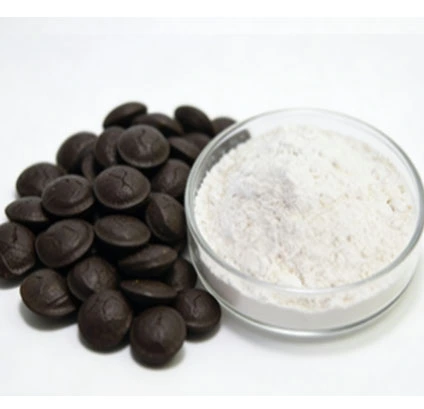
Emotional well-being, sleep health, and weight management have emerged as core health priorities for modern consumers, as well as new growth engines for the nutritional supplement industry. Thanks to its unique status as a "natural serotonin precursor," its triple-action benefits—addressing mood, sleep, and weight simultaneously—and its advantages of being natural, safe, and non-habit-forming, 5-Hydroxytryptophan (5-HTP) has become a high-value core ingredient for brands seeking to establish a presence across these three key sectors. Compared to similar ingredients, 5-Hydroxytryptophan (5-HTP)’s core competitive edge lies in its ability to "precisely regulate neurotransmitters, deliver gentle yet sustained effects, and offer versatile application scenarios." It addresses the prevalent health pain points of modern life at their root, while simultaneously providing brands with clear, differentiated selling points—serving as a golden opportunity to break through homogenized competition and capture market share in high-end, niche segments.
For nutritional supplement brands, capitalizing on the market opportunities presented by 5-Hydroxytryptophan (5-HTP) hinges on four core strategies: "precise positioning, quality control, differentiated market layout, and science-based marketing." This entails strategically targeting niche segments—such as mood relief, gentle sleep support, and women's menstrual health care—to create differentiated, blockbuster products; strictly controlling raw material quality and formulation processes to ensure consistent efficacy and safety without side effects; and utilizing educational marketing to heighten consumer awareness regarding "5-Hydroxytryptophan (5-HTP)" and "serotonin regulation," thereby cultivating market demand. Concurrently, brands must proactively mitigate risks related to regulatory compliance, product quality, and market dynamics to ensure successful product launch and sustainable brand growth.
Looking ahead, as the sectors for mood, sleep, and weight management continue to gain momentum—driven by the ongoing optimization of 5-Hydroxytryptophan (5-HTP) preparation techniques (such as improved natural extraction efficiency and the widespread adoption of microencapsulation technology) and a further rise in consumer health consciousness—the application scenarios for 5-Hydroxytryptophan (5-HTP) are poised to expand significantly. It is expected to gradually evolve from a "niche specialty ingredient" into a "mainstream core ingredient." Nutritional supplement brands that strategically position themselves early and apply their efforts precisely—leveraging 5-Hydroxytryptophan (5-HTP)’s unique advantages to craft differentiated products—will undoubtedly seize the initiative in a fiercely competitive market, achieve rapid brand expansion, and provide consumers with superior, more precise solutions for managing their mood, sleep, and weight.
Partner with Gold Herb for Premium 5-hydroxytryptophan (5-HTP) Supply
You can trust Gold Herb to give you good 5-hydroxytryptophan (5-HTP) because they use advanced extraction methods and strict quality control checks. There are documents from the FDA, ISO9001, HACCP, Halal, and Kosher that back up these extracts. We've been in business for over three years and have helped over 200 people in 30 different countries. We always have more than a ton of things on hand so that we can ship your order right away, within 24 hours of getting it. We will always be able to come up with new ideas and make better goods because we work together with Academician Li Xiaokun's study team. Email info@newgoldherb.com to tell us about your specific needs, get samples, or find out more about our full customization services, which will save you a lot of money on your recipe needs.

Send Inquiry
Related Industry Knowledge
- Top Benefits of Fenugreek Extract for Energy, Hormones & Metabolism
- Why Is Centella Asiatica Extract Everywhere in Skincare?
- Ergothioneine vs Astaxanthin: Which Antioxidant Is Stronger?
- How Ginkgo Biloba Leaf Extract Powder Supports Cognitive Health Products
- Is Lotus Leaf Extract good for you?
- Stability of Gardenia Blue Color in Heat Processing
- 5-Hydroxytryptophan(5-HTP): A Natural Solution for Mood, Sleep, and Stress Support
- OEM Gymnema Sylvestre Extract for Private Label Products
- Boswellia Extract Manufacturing Process Explained
- How Dihydromyricetin Is Used in Anti-Oxidant Formulations?