
Berberine hydrochloride Powder: How To Take & What It Does?
Apr 08, 2026
Berberine hydrochloride is one of the most powerful biochemical controllers found in nature. Some current methods are used to get the bark of Berberis plants and make it. AMPK, which is sometimes called the "master switch" for the body's metabolism, is highly activated by this concentrated yellow powder that has been tested and found to be 98% pure. Vitamin and drug companies that want to add solid, science-backed ingredients to their products are finding this natural alkaloid extract more and more valuable. This is because it helps control blood sugar and is good for the heart and gut.
Understanding Berberine hydrochloride: What It Is and How It Works?
To make Berberine hydrochloride, the bark of some plants, like the tree turmeric, the barberry, and the Phellodendron amurense (Amur cork tree), has to be stripped off in a very complicated way. Most raw plant materials only have 2% to 4% active chemicals. This bioactive isoquinoline alkaloid extract is a big improvement.
Chemical Profile and Standardization
Berberine hydrochloride is mostly berberine hydrochloride (CAS Number: 633-65-8), which dissolves and is taken by the body more easily than other salt forms. Extracts made for professionals are 97% to 98% pure because they are processed and cleaned. It is important for food vitamins to follow the rules set by the government, so this ensures that the doses always work. Its chemical structure can be shown by the formula C₂₀H₁₈ClNO₄. HPLC and UV tests are used to check its quality and efficiency.
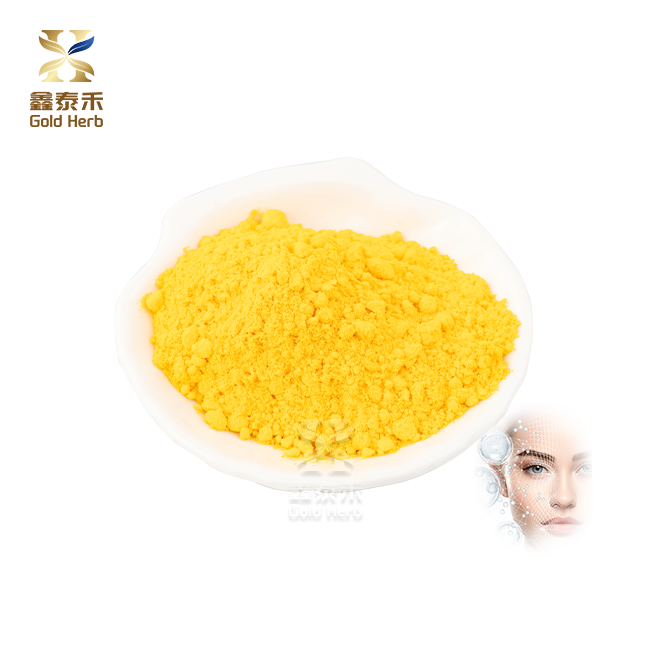
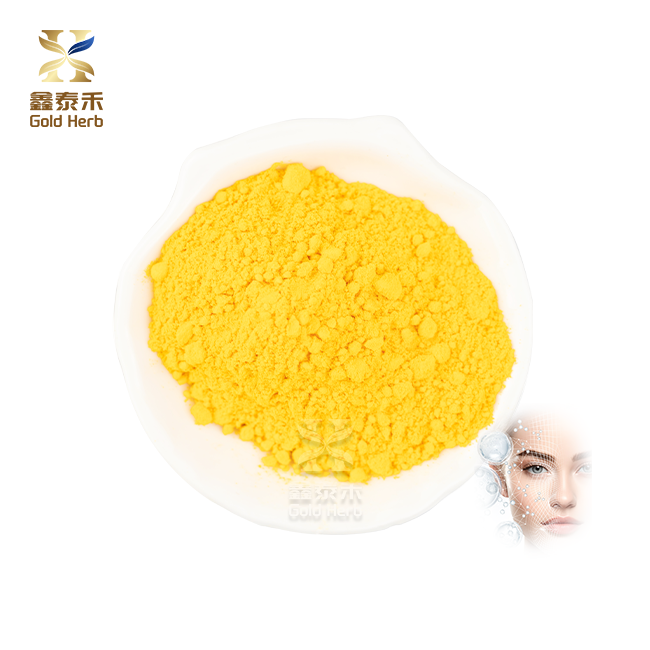
Good makers pay close attention to mesh size (usually 80–100 mesh) to get the best flow during the packing process. Its bright yellow color is an early sign of quality, but it needs to be checked in a lab using standard testing methods for a full reading.
Metabolic Mechanisms and Physiological Actions
The main way it works is through how metabolism works and how it changes the body's activation of AMPK, which controls how cells make energy. This path changes how glucose is taken in by skeletal muscle, burns fat, and makes insulin work better. While produced drugs only work in one way, Berberine hydrochloride works in many ways that all work together. For instance, it changes the kinds of bacteria that live in the gut and controls the inflammatory response.
Scientists have found that berberine changes important metabolic processes by stopping protein tyrosine phosphatase 1B (PTP1B), an enzyme that weakens the way insulin talks to cells. There are many ways that this two-part method can help your metabolism, and it is safe enough to use at work.

Health Benefits and Applications of Berberine hydrochloride
There are many health issues that Berberine hydrochloride can help with. This makes it very useful for formulators who want to boost the health of their metabolism, heart, and gut. Buying teams can look at market opportunities and plan how to make new goods better when they know about these uses.
Blood Sugar Regulation and Metabolic Support
Many clinical tests have shown that berberine makes insulin work better and helps the body use glucose better. The chemical makes it easier for cells to use glucose by turning on GLUT4 transporters. These are not the same as insulin signaling pathways. The best people for this process are those who have insulin resistance or metabolic syndrome.
Researchers have found that taking berberine pills can lower blood sugar by 15 to 25 percent when you wake up and also raise HbA1c levels. The benefits come from the liver processing glucose better and making less glucose, which helps with all parts of keeping blood sugar in check.
Cardiovascular Health and Lipid Management
In a number of ways, Berberine hydrochloride is very good for the vascular system. What it does is lower the production of LDL cholesterol and raise the production of bile acid. Bile acid helps the body get rid of cholesterol. Animal tests have shown that taking supplements regularly can lower LDL cholesterol by 18 to 20 percent and total cholesterol by 12 to 15 percent.
Berberine helps keep blood pressure at a healthy level and may help stop atherosclerosis from happening. It also helps control cholesterol. These benefits for heart health come from better arterial function and lower amounts of inflammation markers that are linked to a higher chance of heart disease.
Digestive Health and Antimicrobial Properties
Berberine can kill many kinds of germs that are bad for you, including germs that make you sick. Gut health goods can use it because it kills Helicobacter pylori, Salmonella, and dangerous types of E. coli.
The number of bad bugs in the gut goes down while the number of good gut bacteria grows. This prebiotic-like effect helps keep the barrier in the gut strong, which may help people with IBS or inflammatory bowel problems.
How to Take Berberine hydrochloride: Dosage and Best Practices?
Berberine works best when given in the right way. Learn how it works in the body before making recipes or dose plans that work. Some of the stuff doesn't dissolve in water, so it needs to be carefully mixed to work best.
Dosage Guidelines for Different Applications
To keep their plasma levels steady, most people take 500 mg to 1500 mg two or three times a day. This is going to help your blood sugar stay in check. Three times a day, with food, take 500 mg. This will help your body burn fat. A lot of recipes for heart health say to take 1000 mg to 1500 mg every day to change the important cholesterol numbers.
Things will only go well if you do them at the right time. Berberine hydrochloride may work better for some people if they mix it with food. It also lowers the chance of stomach pain. It is possible for your body to get more nutrients if you eat fats.
Formulation Techniques and Bioavailability Enhancement
Some businesses that make berberine have trouble getting people to take it. There are several ways that they do this. And when phospholipid groups are used, this way can take in two to three times more of the stuff. Microencapsulation is a way to protect the active ingredient and let it work slowly over time.
Sodium caprate or piperine, which are both black pepper extracts, can help the body take in things better. Care must be taken when changing these mixes to make them better and help them heal faster.
Storage and Handling Requirements
How well things work and how stable they are will depend on how you treat them. UV light can break down the active ingredient in berberine leaf powder, so don't leave it out in the sun. Food stays fresh for a long time if it is left out at room temperature in clear bags with tight lids.
The air has water in it that berberine hydrochloride can mix with. This could make it less flexible and loose. So, it's very important to know how wet it is. From the factory to the store, they use a lot of desiccants and products that don't let water in to keep things in good shape.

Buying Guide for Berberine hydrochloride: Quality, Pricing & Supplier Selection
To find trustworthy providers, you need to look at a number of quality factors, such as the products' cleanliness, their ability to meet approval requirements, and their manufacturing skills. Knowing these factors helps buying teams make smart choices about where to buy things, which protects product quality and follows the rules.
Quality Assessment and Certification Requirements
The best companies that sell Berberine hydrochloride have strict quality control systems that cover everything from getting the raw materials to testing the finished product. Some important qualifications are FDA registration, ISO9001 quality management, HACCP food safety standards, and religious certifications like Halal and Kosher to meet the needs of a wide range of customers.
HPLC purity verification, heavy metals screening, pesticide residue analysis, and microbial testing should all be part of analytical testing methods. Suppliers who give full certificates of analysis (COA) for every batch show they care about quality control and being open.
Pricing Strategies and Cost Optimization
Buying in bulk can cut costs per unit by a lot while still making sure there are enough items in stock. Suppliers who offer bulk deals usually set different prices for different order amounts. For example, if you sign an annual contract or agree to a big number, you can save a lot of money.
Prices on the market change depending on how pure the product is, what kind of proof is needed, and how it is packaged. Standard Berberine hydrochloride that is 98% pure costs more than lower-grade extracts, but it is better for stability in formulations and following the rules.
Supplier Evaluation and Partnership Development
Suppliers that have been around for a while have shown that they can make things, have good scientific knowledge, and handle the supply chain well. Production capacity, quality standards, customer references, and the ability to provide quick expert help are all important factors that go into the evaluation process.
Shipping prices and arrival times are affected by where the package is being sent. When you need to buy something quickly, suppliers who keep key stock sites or offer faster shipping options give you a competitive edge.

Comparison of Berberine hydrochloride Brands and Products
The berberine market features diverse suppliers offering varying quality levels, certification statuses, and service capabilities. Understanding these differences enables informed supplier selection based on specific procurement requirements and budget considerations.
Quality Differentiation Factors
Premium suppliers distinguish themselves through superior extraction technologies, comprehensive testing protocols, and consistent batch-to-batch quality. Standardized 98% purity products offer formulation advantages over variable-potency alternatives, ensuring predictable dosing and efficacy outcomes.
Organic certification provides additional market value, particularly for natural health product formulations. Certified organic Berberine hydrochloride commands premium pricing but offers marketing advantages and appeals to environmentally conscious consumers.
Manufacturing Capabilities and Customization Options
Leading suppliers offer customization services, including particle size optimization, custom packaging solutions, and private labeling options. These value-added services support brand differentiation and market positioning strategies for supplement manufacturers.
Technical support capabilities vary significantly among suppliers. Companies providing formulation guidance, stability testing data, and regulatory compliance assistance offer substantial value beyond raw material supply.
Supply Chain Reliability and Logistics
Reliable suppliers maintain adequate inventory levels and provide transparent delivery schedules. Companies offering multiple shipping options, including expedited delivery for urgent requirements, demonstrate superior customer service capabilities.
International suppliers must navigate complex regulatory requirements and documentation procedures. Experienced exporters provide comprehensive shipping documentation and customs clearance support, reducing potential delays and complications.

Conclusion
Berberine hydrochloride represents a powerful tool for manufacturers developing metabolic health, cardiovascular support, and digestive wellness products. Its proven efficacy, excellent safety profile, and growing consumer demand make it an attractive ingredient for diverse supplement formulations. Success in utilizing this valuable compound requires careful attention to quality sourcing, proper formulation techniques, and reliable supplier partnerships. The investment in premium-grade Berberine hydrochloride, backed by comprehensive quality assurance and technical support, provides the foundation for developing competitive products that meet stringent regulatory requirements while delivering meaningful health benefits to consumers.
FAQ
1. What makes Berberine hydrochloride different from synthetic berberine?
Natural Berberine hydrochloride contains complementary phytochemicals that may enhance bioavailability and provide synergistic benefits compared to isolated synthetic compounds. Carbon-14 isotope analysis can definitively distinguish natural from synthetic sources, with natural extracts showing modern carbon signatures versus the dead carbon signatures of petrochemical-derived synthetics.
2. How should Berberine hydrochloride be stored to maintain potency?
Proper storage requires protection from light, moisture, and heat. Store in tightly sealed, opaque containers at room temperature with desiccants to prevent moisture absorption. Avoid prolonged UV exposure, which can degrade the active alkaloids and cause color changes from bright yellow to dull brownish-orange.
3. What bioavailability enhancement methods work best with berberine?
Effective strategies include phytosome technology using phospholipid complexes, co-formulation with piperine or sodium caprate, and microencapsulation techniques. Talking with meals containing dietary fats also improves absorption through enhanced intestinal solubilization.
4. Can Berberine hydrochloride be used in liquid formulations?
Liquid applications present challenges due to limited water solubility (approximately 1:500 in cold water) and an intense bitter taste. Successful liquid formulations typically require solubilizers, liposomal delivery systems, or microencapsulation combined with aggressive sweetener profiles to mask bitterness.

Partner with Gold Herb for Premium Berberine Solutions
Gold Herb specializes in delivering pharmaceutical-grade Berberine hydrochloride that meets the most demanding quality standards in the nutraceutical industry. Our 98% purity extract, backed by comprehensive FDA, ISO9001, HACCP, HALAL, and Kosher certifications, provides the reliability and consistency your formulations demand. With over three years of specialized plant extract production experience serving 200+ customers across 30+ countries, we understand the critical importance of quality assurance and supply chain reliability. Our U.S. warehouse facilities ensure rapid delivery within 3-5 business days, while our technical support team provides expert guidance throughout the product development process. Whether you require standard specifications or customized solutions, our Berberine hydrochloride manufacturer capabilities include flexible OEM/ODM services with streamlined development cycles. Contact info@newgoldherb.com to discuss your specific requirements and discover how our premium berberine solutions can enhance your product portfolio while meeting the evolving demands of the global health market.
References
1. Kumar, A., Ekavali, Chopra, K. (2015). "Berberine and its therapeutic potential in metabolic syndrome management." Journal of Ethnopharmacology, 162, 43-52.
2. Zhang, Y., Li, X., Zou, D., Liu, W., Yang, J., Zhu, N., Huo, L., Wang, M., Hong, J., Wu, P., Ren, G., Ning, G. (2008). "Treatment of type 2 diabetes and dyslipidemia with the natural plant alkaloid berberine." Journal of Clinical Endocrinology & Metabolism, 93(7), 2559-2565.
3. Dong, H., Wang, N., Zhao, L., Lu, F. (2012). "Berberine in the treatment of type 2 diabetes mellitus: a systemic review and meta-analysis." Evidence-Based Complementary and Alternative Medicine, 2012, 591654.
4. Kong, W., Wei, J., Abidi, P., Lin, M., Inaba, S., Li, C., Wang, Y., Wang, Z., Si, S., Pan, H., Wang, S., Wu, J., Wang, Y., Li, Z., Liu, J., Jiang, J.D. (2004). "Berberine is a novel cholesterol-lowering drug working through a unique mechanism distinct from statins." Nature Medicine, 10(12), 1344-1351.
5. Lan, J., Zhao, Y., Dong, F., Yan, Z., Zheng, W., Fan, J., Sun, G. (2015). "Meta-analysis of the effect and safety of berberine in the treatment of type 2 diabetes mellitus, hyperlipemia and hypertension." Journal of Ethnopharmacology, 161, 69-81.
6. Imenshahidi, M., Hosseinzadeh, H. (2016). "Berberis vulgaris and berberine: an update review." Phytotherapy Research, 30(11), 1745-1764.

Send Inquiry
Related Industry Knowledge
- Garcinia Cambogia Extract - Why You Should Try It
- The Truth About Resveratrol: Does It Really Work?
- Sodium Copper Chlorophyllin Benefits for Detox and Skin Health
- Ergothioneine vs CoQ10: Which Supports Cellular Energy Better?
- How Fisetin Works: The Science Behind Senolytics and Aging
- 5-Hydroxytryptophan(5-HTP) vs Melatonin: Which Is Better for Sleep?
- Fisetin as a Senolytic: How It Supports Healthy Aging
- 5-Hydroxytryptophan(5-HTP): A Natural Solution for Mood, Sleep, and Stress Support
- Ergothioneine: Benefits, Applications, and Market Potential in Nutraceuticals
- Resveratrol 98% vs 99%: Which Purity Should You Choose?