
Ergothioneine: Benefits, Applications, and Market Potential in Nutraceuticals
Mar 16, 2026
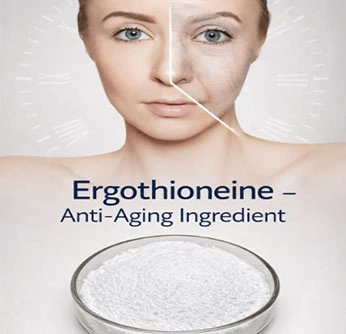
As the sector for natural active ingredients evolves toward "precision care and cellular-level anti-aging," Ergothioneine (ET; CAS 497-30-3) is gradually emerging as a "rising star" in the nutritional health industry. This rise is driven by its unique targeted transport mechanism, long-lasting antioxidant properties, and multifaceted cellular protective effects. Unlike ingredients such as NMN and Fisetin—which have already established significant market recognition—Ergothioneine distinguishes itself through its core advantages: "irreplaceability, high safety, and broad applicability." It is rapidly gaining traction in high-demand segments such as anti-aging, brain health, and liver support, becoming a pivotal tool for companies seeking to break through homogenized competition and strategically position themselves within the mid-to-high-end nutritional health market. This guide focuses specifically on the nutritional health sector, offering a comprehensive analysis of Ergothioneine’s core efficacy, mechanisms of action, and application scenarios. By integrating the latest market data and processing technologies from 2026, it deconstructs the ingredient's market potential and highlights key strategic considerations for corporate deployment, thereby providing nutritional health manufacturers with actionable insights and practical guidance.
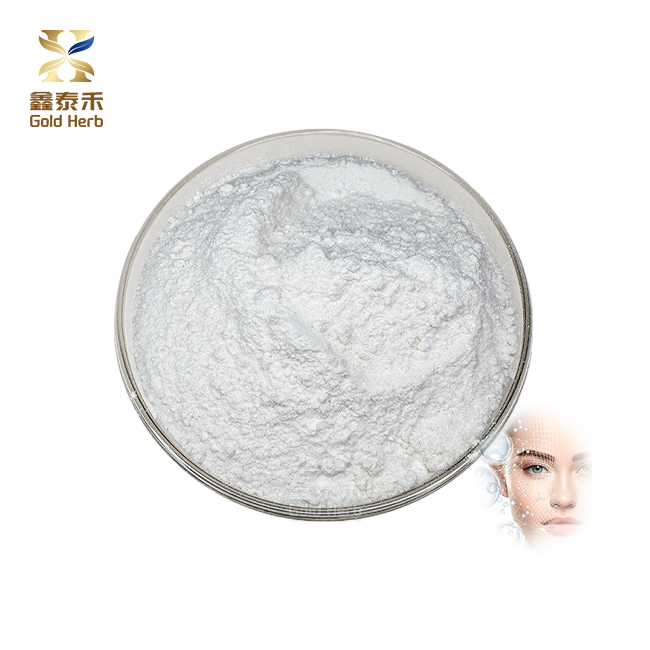
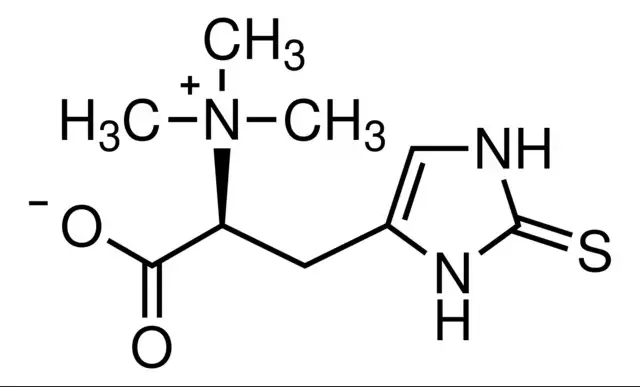
Ergothioneine is a naturally occurring sulfur-containing imidazole amino acid. Chemically known as 2-mercapto-L-histidine betaine, it possesses a molecular formula of C9H15N3O2S and a molecular weight of 229.30. It presents as a white crystalline powder that is odorless with a slightly bitter taste; it is readily soluble in water and ethanol but sparingly soluble in diethyl ether. Under ambient temperature, dry conditions, and protection from light, it exhibits excellent stability and is resistant to oxidative degradation. Its natural sources are specific in nature, being found primarily in fungi (such as mushrooms and Reishi), grains (such as wheat and oats), and animal tissues. Among these sources, mushrooms—particularly *Agaricus blazei* (Brazil mushroom) and *Agaricus bisporus* (button mushroom)—contain the highest concentrations (ranging from 100 to 500 μg/g), making them the primary raw materials for industrial extraction. The human body is unable to synthesize Ergothioneine endogenously and must obtain it solely through dietary intake. Typical daily dietary intake ranges from approximately 0.1 to 0.5 mg—a level significantly lower than the effective dosages required for nutritional health benefits. Consequently, the demand for exogenous supplementation is clearly established, laying a solid foundation for Ergothioneine's commercial application within the nutritional health industry.
The Core Efficacy and Mechanisms of Action of Ergothioneine in the Nutritional Health Sector
The commercial value of ergothioneine stems primarily from its unique "targeted transport + dual-action defense" mechanism. Unlike ordinary antioxidant ingredients, its efficacy is more precise and long-lasting; moreover, it acts directly upon the body's core organs and cells, thereby meeting the diverse wellness needs of various scenarios within the nutritional health sector. Each of its claimed benefits is substantiated by robust scientific data—a core competitive advantage that establishes it as a premium raw material for high-end nutritional supplements.
(I) Analysis of Core Efficacy and Mechanisms (Focused on Nutritional Health Applications)
1. Targeted, Long-Lasting Antioxidant Action (Core Efficacy): Ergothioneine’s most prominent advantage lies in its exclusive transporter protein, OCTN1. This allows it to act like an "express delivery service," precisely reaching core organs and cellular structures—such as mitochondria, cell nuclei, the brain, and the liver—with pinpoint accuracy. This unique capability, which popular ingredients like NMN and PQQ lack, ensures that its protective efficiency far surpasses that of conventional antioxidants. Its antioxidant mechanism involves a dual mode of action: First, it directly scavenges the body's most toxic reactive oxygen species (ROS)—such as hydroxyl radicals and singlet oxygen—and, even after being oxidized itself, can be regenerated via the body's internal reduction systems to provide sustained antioxidant protection. Its free-radical scavenging capacity is 40 times greater than that of Vitamin C and 10 times greater than that of glutathione. Second, acting as a "cellular defense commander," it activates the NRF2 antioxidant signaling pathway. This upregulates the activity of endogenous antioxidant enzymes—such as SOD, CAT, and GPx—thereby fundamentally enhancing the cell's intrinsic antioxidant capacity, mitigating oxidative damage, and delaying the cellular aging process. Clinical studies have demonstrated that a daily supplement of 50–200 mg of ergothioneine leads to a 37.9% reduction in MDA (a biomarker of oxidative damage) and a 48.6% increase in cellular autophagy activity within just four weeks, demonstrating significant and enduring antioxidant effects.
2. Cellular Protection and Anti-Aging (High-Value Segment): Ergothioneine possesses the ability to penetrate cell membranes and reach the cellular interior directly. By doing so, it safeguards critical cellular structures—such as mitochondria and DNA—from oxidative damage, thereby reducing apoptosis (programmed cell death) and delaying the onset of cellular senescence. Acting synergistically with PQQ and spermidine, it establishes a closed-loop system for mitochondrial health—characterized by "ergothioneine protecting existing mitochondria + PQQ generating new mitochondria + spermidine clearing damaged organelles"—thereby comprehensively maintaining cellular vitality. Furthermore, ergothioneine inhibits the expression of inflammation-related genes and reduces the secretion of inflammatory cytokines such as TNF-α and IL-6, thereby alleviating chronic inflammation. Since chronic inflammation is a core underlying cause of aging and various chronic diseases, this attribute grants ergothioneine an irreplaceable advantage in the field of cellular-level anti-aging. Studies in mice have demonstrated that long-term ergothioneine supplementation can significantly extend lifespan and ameliorate age-related declines in physiological function.
3. Brain Health Support (High-Potential Sector): Leveraging its lipophilic properties and a dedicated transport mechanism (via OCTN1), ergothioneine can traverse the blood-brain barrier to act directly upon the central nervous system, thereby exerting neuroprotective effects. Its core mechanisms encompass three key aspects: First, it scavenges reactive oxygen species within the brain, thereby reducing oxidative damage to neurons. Second, it inhibits the deposition of beta-amyloid plaques and the hyperphosphorylation of Tau proteins, thereby lowering the risk of neurodegenerative disorders such as Alzheimer's disease. Third, it acts synergistically with compounds such as phosphatidylserine (PS) and nervonic acid to nourish and repair neural synapses, enhance synaptic plasticity, and improve learning and memory capabilities as well as concentration levels. Multi-center clinical trials have demonstrated that daily supplementation with 100 mg of ergothioneine resulted in a 39.7% improvement in memory scores and a 44.3% improvement in concentration levels among subjects after eight weeks. This makes it ideally suited to meet the diverse needs of various demographics—including older adults seeking to prevent cognitive decline, working professionals seeking relief from mental fatigue, and students preparing for exams who require enhanced focus.
4. Liver and Cardiovascular Protection (Essential-Need Sector): Ergothioneine precisely targets liver cells, scavenging oxidative free radicals within the liver, inhibiting inflammatory responses in hepatocytes, reducing lipid peroxidation damage, and promoting cellular repair. It serves as an effective adjunctive aid for conditions such as chemically induced liver injury and fatty liver disease, making it particularly well-suited to address the liver health maintenance needs of individuals prone to chronic sleep deprivation, alcohol consumption, or high-fat diets. In terms of cardiovascular protection, ergothioneine inhibits the oxidation of low-density lipoproteins (LDL), reduces the formation of atherosclerotic plaques, lowers blood lipid and blood pressure levels, and alleviates vascular endothelial damage. By aiding in the prevention of cardiovascular diseases, it effectively meets the wellness needs of middle-aged and elderly individuals, as well as those at high risk for cardiovascular conditions.
5. Immune Regulation (Basic Wellness Scenario): Ergothioneine modulates the activity of immune cells (such as macrophages and T lymphocytes), thereby enhancing the body's immune response capabilities and boosting overall resistance. Simultaneously, it suppresses excessive immune reactions, thereby reducing the risk of autoimmune diseases. This makes it ideally suited to meet the basic wellness needs of individuals with compromised immunity—such as the elderly, those recovering from surgery, or those prone to chronic sleep deprivation. It serves as a premium auxiliary ingredient in nutritional supplements, embodying a strategy of "Basic Immunity + Targeted Wellness."
(II) Differentiated Advantages Over Similar Nutritional Ingredients (Core Corporate Competitive Edge)
In the field of nutritional supplements, while there is an abundance of ingredients targeting antioxidant effects, anti-aging, and brain health, ergothioneine possesses distinct differentiated advantages. These advantages enable companies to steer clear of "Red Ocean" (fiercely competitive) markets and cultivate unique product competitiveness. A detailed comparison is presented below:
1. Comparison with NMN: NMN primarily focuses on mitochondrial repair; its functional scope is relatively singular, and it currently faces regulatory uncertainties in certain regions. Ergothioneine, conversely, offers a multifaceted array of benefits—including antioxidant activity, cellular protection, brain health support, and liver protection. It features a unique, targeted transport mechanism that ensures superior bioavailability. Furthermore, being a naturally derived and safe compound with low regulatory risk, it is applicable to a broader spectrum of nutritional wellness scenarios. It can serve as a standalone core ingredient or be combined with NMN to achieve a synergistic "1+1 > 2" anti-aging effect.
2. Comparison with Fisetin: Both are naturally occurring active ingredients. Fisetin's primary advantage lies in the elimination of senescent cells, whereas ergothioneine's core strength lies in targeted antioxidant activity and cellular protection; thus, their functions are complementary. Compared to Fisetin, ergothioneine exhibits greater stability and superior water solubility, allowing for high bioavailability without the need for complex formulation technologies. Moreover, its neuroprotective and hepatoprotective effects are more pronounced, making it ideally suited for more precise, high-end wellness applications.
3. Comparison with Curcumin: Curcumin possesses outstanding anti-inflammatory and antioxidant properties; however, it exhibits extremely poor water solubility and low bioavailability (merely 44.1%), and requires co-administration with piperine to enhance absorption. In contrast, Ergothioneine demonstrates excellent water solubility and utilizes a dedicated transporter protein, achieving a bioavailability exceeding 80%. It requires no additional absorption enhancers—thereby reducing formulation R&D costs for manufacturers—while offering more comprehensive and longer-lasting efficacy.
4. Comparison with Glutathione:Glutathione is a vital endogenous antioxidant; however, it suffers from a short half-life and is susceptible to degradation by gastric acid, resulting in low oral bioavailability. Ergothioneine, conversely, possesses robust stability and resists degradation by gastric acid. Furthermore, it utilizes a dedicated transporter protein to directly access the cellular interior, ensuring a longer duration of action and more sustained antioxidant effects. Moreover, as it does not rely on the body's endogenous synthesis machinery, exogenous supplementation proves significantly more efficient.
Core Application Scenarios for Ergothioneine in the Nutritional Health Sector (Ready for Immediate Implementation)
Leveraging its multiple core benefits and differentiated advantages, Ergothioneine has already found widespread application within the nutritional health sector across popular categories such as anti-aging, brain health, liver support, and immune modulation. It caters to the diverse needs of various demographics and can serve as either a primary or auxiliary ingredient. By combining it with different raw materials, manufacturers can create differentiated products that span multiple market tiers—including high-end, mid-range, and mass markets—demonstrating exceptional feasibility for immediate market entry.
(I) High-End Anti-Aging Nutritional Supplements (Core Application Scenario)
Target Audience: High-to-mid-end consumers aged 35 and above who prioritize cellular-level anti-aging and seek comprehensive systemic wellness. Their core needs include delaying the aging process, improving skin condition, and boosting overall physical vitality.
Formulation Reference (Ready for Immediate Implementation): Position Ergothioneine as the core ingredient (with a daily dosage of 100–200 mg and a purity of ≥99%). Combine it synergistically with PQQ, Spermidine, and Fisetin to construct a "Targeted Antioxidant – Mitochondrial Biogenesis – Senescent Cell Clearance" closed-loop anti-aging system. This approach allows for the creation of high-end, differentiated products that effectively bypass the "red ocean" competition associated with single-ingredient NMN supplements. Such products can command a price premium of 1.5 to 2 times that of standard anti-aging supplements. Suitable for dosage forms such as hard capsules and softgels, these products can be marketed with key selling points emphasizing "Natural, Precise, and Long-lasting Anti-Aging." Furthermore, the formulation can be enhanced by adding L-Theanine and Resveratrol to simultaneously regulate stress and sleep—thereby creating an optimal internal environment for cellular repair—and further boosting the product's competitive edge.
(II) Specialized Brain Health Supplements (High-Growth Scenario)
Target Audience:Middle-aged and elderly individuals (seeking to prevent cognitive decline and improve memory); professionals in high-stress work environments (seeking to alleviate mental fatigue and enhance focus); and students preparing for exams (seeking to boost memory retention and improve cognitive vitality). The core need across these groups is the precise protection of neural health and the enhancement of cognitive capabilities.
Formulation Reference (Ready for Immediate Implementation): Position Ergothioneine as the core ingredient (with a daily dosage of 50–150 mg). Combine it synergistically with Phosphatidylserine (PS), Nervonic Acid, DHA, and Ginkgo Biloba extract to leverage their combined neuroprotective and neuro-repairing properties, thereby achieving precise improvements in cognitive function. Specifically, L-ergothioneine is responsible for scavenging free radicals in the brain and protecting neurons; PS (Phosphatidylserine) and Nervonic Acid work to repair neural synapses; and DHA provides nutritional support to the nervous system—collectively forming a comprehensive system for brain health maintenance. Compatible with various dosage forms such as capsules, tablets, and oral liquids, these products can be categorized into versions tailored for the elderly (focusing on preventing cognitive decline), working professionals (focusing on alleviating mental fatigue), and students (focusing on enhancing memory), thereby achieving precise market segmentation based on specific usage scenarios. Clinical data indicates that this type of formulation can increase the duration of deep sleep in subjects by 57.2% and reduce the time required to fall asleep by 46.8%, thereby indirectly supporting overall brain health maintenance.
(III) Liver Health Supplements (Essential-Need Scenario)
Target Audience: Individuals who frequently stay up late, consume alcohol, or maintain a high-fat diet; and those at risk of fatty liver disease or chemically induced liver damage. The core needs of this group are to protect hepatocytes (liver cells), alleviate the burden on the liver, and promote liver regeneration.
Formulation Reference (Ready-to-Implement): Centered around L-ergothioneine as the core active ingredient (at a daily dosage of 80–120 mg), the formula is compounded with Silybin, Curcumin (paired with Piperine), and Goji Berry extract. This synergistic blend delivers antioxidant, anti-inflammatory, and hepatocyte-repairing effects, providing precise and targeted liver care. Specifically, L-ergothioneine is responsible for scavenging reactive oxygen species within the liver and mitigating oxidative damage to hepatocytes; Silybin focuses on repairing damaged liver cells; and Curcumin works to inhibit liver inflammation. Compatible with dosage forms such as capsules and tablets, this product highlights the key selling points of being "naturally gentle" and offering "burden-free liver care," catering to a mass market with essential needs and demonstrating a high potential for repeat purchases.
(IV) Immune Regulation & Basic Nutritional Supplements (General Market Scenario)
Target Audience: Individuals with compromised immunity (including the elderly, those recovering from surgery, and chronic night owls) and those with unbalanced dietary habits. The core needs of this group are to enhance the body's resistance to illness and to supplement essential nutrients.
Formulation Reference (Ready-to-Implement): Utilizing L-ergothioneine as a supporting ingredient (at a daily dosage of 30–50 mg), the formula is combined with essential nutrients such as Vitamin C, Vitamin D, Zinc, and Probiotics. This combination serves to reinforce immune-regulating functions, creating a mass-market, high-value-for-money product designed primarily for high-volume sales. Compatible with various dosage forms—including tablets, powders, and oral liquids—this solution serves as a foundational daily nutritional supplement suitable for a broad consumer base, thereby lowering market entry barriers for businesses.
(V) Compound Nutritional Supplements (Expanded Application Scenario)
Target Audience: Consumers who prioritize comprehensive, holistic body care; their core requirement is a "one-stop solution" to address multiple needs simultaneously—such as anti-aging, brain health, liver support, and immune regulation.
Formula Reference (Ready for Immediate Implementation): Centered around Ergothioneine as the core active ingredient (with a daily dosage of 80–100 mg), the formula is compounded with Fisetin, PQQ, Silybin, PS (Phosphatidylserine), B-complex vitamins, and other ingredients. This synergistic blend achieves a multi-functional effect—combining anti-aging, brain health, liver support, and immune regulation—perfectly aligning with the positioning of premium compound supplements. By creating a "one-stop holistic care" product, this approach significantly enhances both product added value and market competitiveness.
Raw Material Processing and Quality Control for Ergothioneine
For manufacturers of nutritional supplements and health products, raw material purity, extraction processes, and quality control are the core pillars for ensuring product efficacy, controlling costs, and mitigating regulatory compliance risks. Drawing upon the latest processing technologies of 2026, the following section provides a detailed analysis of the key considerations regarding the raw materials and quality control of Ergothioneine:
(I) Raw Material Sources and Extraction Processes
1. Core Raw Material Sources: Currently, the primary raw materials for the industrial extraction of Ergothioneine are fungi (specifically *Agaricus blazei* [Royal Sun Agaricus], *Agaricus bisporus* [Button Mushroom], and *Ganoderma lucidum* [Reishi]). Among these, *Agaricus blazei* boasts the highest Ergothioneine content and offers the most efficient extraction yield, making it the prevailing choice in the market today. Grains (such as wheat and oats) serve as a secondary source; however, they contain lower levels of Ergothioneine and entail higher extraction costs, rendering them more suitable for products positioned within the premium, natural segment. Notably, the artificial fermentation of fungi (e.g., fermented *Agaricus blazei*) enables large-scale production with lower raw material costs. Furthermore, this method ensures a stable Ergothioneine content (typically ranging from 300 to 500 μg/g), representing a dominant future trend in raw material sourcing that can significantly assist enterprises in controlling production costs.
2. Mainstream Extraction and Purification Processes (3 Methods, Tailored to Different Product Positioning):
(1) Solvent Extraction Method: This method utilizes water and/or ethanol as extraction solvents to obtain a crude extract via reflux extraction. It is characterized by low costs and operational simplicity, making it well-suited for large-scale production. The resulting extraction purity can exceed 95%, making it an ideal choice for mass-market products; it currently stands as the industry's mainstream processing method.
(2) Ultrasonic-Assisted Extraction Method: This technique employs ultrasonic power (typically ranging from 200 to 500 W) to facilitate the extraction process. This reduces the extraction time to a mere 30–60 minutes while delivering higher extraction efficiency compared to traditional solvent extraction methods. The purity achieved can exceed 98%, making it suitable for medium-scale production that seeks to strike a balance between cost-effectiveness and product quality.
(3) Supercritical Fluid Extraction (SFE) Method:This advanced method utilizes carbon dioxide (CO2) as the solvent, resulting in a product completely free of solvent residues. It achieves an extraction purity exceeding 99.99%, thereby meeting pharmacopoeia-grade standards. This high level of purity ensures the optimal binding of Ergothioneine to the OCTN1 transporter channel and prevents interference from impurities. Although it entails high capital investment in equipment, this method is ideally suited for extracting raw materials for premium nutritional supplements and health products, thereby enabling manufacturers to command a higher product premium. 3. **Purification Process:** The crude extract obtained after extraction must undergo further purification using macroporous resins (e.g., AB-8, D101), preparative liquid chromatography, or recrystallization methods. This ensures that the purity of ergothioneine meets nutritional supplement-grade standards (Food Grade: ≥98%; Premium Grade: ≥99.99%). Simultaneously, loss on drying is controlled at ≤0.5% and heavy metals at ≤10 ppm, thereby guaranteeing the consistent quality of the raw material. Currently, the industry has seen the emergence of coupled technologies—combining membrane separation, macroporous resin separation, and medium-to-low pressure rapid purification—which enable the production of low-cost, high-purity ergothioneine raw materials, thereby reducing production costs for manufacturers.
(II) Key Quality Control Points (Mandatory Testing Items)
The quality of nutritional and health products directly determines their market reputation and associated regulatory risks. The mandatory testing items for both ergothioneine raw materials and finished products are listed below; manufacturers must exercise strict control over these parameters:
1. Content Analysis: Raw material purity must be ≥98% (Food Grade) or ≥99.99% (Premium Grade). Testing is performed using the HPLC external standard method or the area normalization method to ensure efficacy stability. For finished products, the ergothioneine content must align with the label claims, with a permissible deviation of ≤±3%.
2. Safety Testing: Heavy metals must be ≤10 ppm (tested via ICP-MS). Microbial limits include a total viable count of ≤100 CFU/g and mold/yeast counts of ≤10 CFU/g (tested via Pharmacopoeia methods). Pesticide residues must be ≤0.01 ppm (tested via GC-MS). Furthermore, the product must be free of residual solvents (particularly ethanol and methanol) to ensure product safety.
3. Stability Testing: Under conditions of ambient temperature, protection from light, and airtight sealing, the product must maintain a shelf life of ≥24 months. During this period, the decline in ergothioneine content must not exceed 5%, and no signs of oxidation or deterioration should be observed. For finished dosage forms (e.g., capsules, tablets), disintegration time must be tested (Capsules: ≤30 minutes; Tablets: ≤60 minutes) to ensure bioavailability.
4. Other Testing: Moisture content must be ≤5.0% (tested via the Karl Fischer method). The pH value (of a 1% aqueous solution) should fall within the range of 4.0–6.0 to ensure compatibility with various formulations. Finally, the product must be free of artificial additives, colorants, and flavorings, aligning with the growing trend toward natural nutritional and health products.
Market Status and Potential of Ergothioneine in the Nutritional Health Sector
Driven by rising consumer health awareness and the emergence of demand for "precision wellness," ergothioneine—thanks to its unique advantages—continues to witness rapid market expansion. Currently situated in a growth phase characterized by low competitive pressure and immense developmental potential, it represents a prime strategic avenue for nutritional health enterprises looking to position themselves for future success. Based on the latest market data from 2026, a detailed analysis is presented below:
(I) Market Status and Scale
1. Global Market: The nutritional health market for ergothioneine demonstrates robust growth momentum. The global market size is projected to expand from US$2.8 billion in 2024 to US$7.6 billion by 2032, reflecting a Compound Annual Growth Rate (CAGR) of approximately 13.2%—a growth rate significantly exceeding the average for the broader nutritional health industry during the same period. Within this landscape, anti-aging and brain health products serve as the primary growth drivers. The North American market holds a dominant position (accounting for approximately 55% of the market share), while Europe and the Asia-Pacific region—particularly the Chinese market—exhibit significant growth potential, with the latter boasting a projected CAGR exceeding 18%.
2. Domestic Market:As a core global growth hub, China has witnessed the rapid rise of the ergothioneine market, fueled by increasing demand for mid-to-high-end nutritional health products. Currently, the domestic price for raw ergothioneine ingredients stands at approximately 8,000–12,000 RMB per kilogram (for 98% purity), while premium pharmacopoeia-grade ingredients (99.99% purity) command a price of around 20,000 RMB per kilogram. Suppliers are primarily concentrated in regions such as Hubei, Zhejiang, and Jiangsu, offering comprehensive compliance documentation—including HPLC analysis reports and safety assessment reports. Domestically produced ergothioneine is allocated as follows: 70% is utilized in the production of domestic nutritional health products, while 30% is exported to Southeast Asia, Europe, and North America. At present, the number of registered nutritional health products containing ergothioneine in China is increasing year-on-year; market acceptance continues to rise, yet the sector has not yet reached a state of "red ocean" (saturated) competition, meaning the barrier to entry for new enterprises remains relatively low.
3. Regulatory Compliance Status (2026 Update: Essential for Enterprises):
(1) China: Ergothioneine is approved for compliant use as a nutritional fortifier and as a raw ingredient for dietary supplements. Products containing it must undergo the requisite filing/registration process for dietary supplements, requiring the submission of safety assessment reports and raw material specifications. Product labeling must clearly indicate the content of the core ingredient (ergothioneine) and identify specific population groups for whom the product is unsuitable; while there are currently no explicit regulatory limits on dosage, a daily intake of ≤500 mg is generally recommended.
(2) United States: Recognized as GRAS (Generally Recognized as Safe) by the FDA, allowing its use as an ingredient in dietary supplements. It requires a purity level of ≥95%, compliance with cGMP standards, and a recommended daily dosage of 50–200 mg; product labels must explicitly bear the designation "Dietary Supplement."
(3) European Union: Has successfully completed the Novel Food registration process, permitting its compliant use in dietary supplements and as a nutritional fortifier. It requires a purity level of ≥98% and necessitates the submission of safety data and manufacturing process specifications, thereby making it well-suited for the EU market for nutritional and health products.
(II) Key Market Trends
1. Compound Formulations Become Mainstream: The synergistic "Ergothioneine + X" compounding strategy will continue to deepen. Companies will tailor formulations to the specific needs of various scenarios—combining Ergothioneine with ingredients such as PQQ, spermidine, PS (phosphatidylserine), and fisetin—to create products with greater specificity and more comprehensive efficacy. Examples include "Ergothioneine + PQQ" targeting anti-aging, "Ergothioneine + PS" targeting brain health, and "Ergothioneine + Silybin" targeting liver support, thereby achieving differentiation in a competitive market.
2. Upgrading toward Premiumization and Precision:As consumer expectations regarding the quality and efficacy of nutritional and health products continue to rise, premiumization and precision have emerged as key developmental trends. The application of high-purity Ergothioneine (≥99.99%) and targeted delivery technologies (such as LipoShield™ liposome technology) will serve as core selling points for premium products. These innovations can significantly enhance bioavailability and product price premiums, effectively catering to the demands of mid-to-high-end consumers.
3. Increasingly Precise Scenario Segmentation: Ergothioneine is set to gradually penetrate a wider range of niche application scenarios—such as brain health for adolescents, liver support during postpartum recovery, and immune regulation for the elderly. By tapping into these more precise market demands, companies can avoid homogenized competition and bolster the market competitiveness of their products.
4. Emphasis on Natural Sourcing and Transparency: Consumers are placing greater emphasis on the natural origins and safety of raw ingredients. Consequently, companies will prioritize highlighting Ergothioneine’s natural fungal source and its advantages in terms of high purity. Furthermore, they will publicly disclose raw material testing reports and extraction process details, thereby aligning with the consumer trend favoring "ingredient transparency and natural safety" while simultaneously enhancing product trustworthiness.
(III) Market Potential and Opportunities for Corporate Strategy
1. Opportunities in High-Potential Segments: Anti-aging, brain health, and liver care represent the three most promising market segments for ergothioneine. Among these, the brain health and liver care segments currently face relatively low market competition while experiencing continuously growing demand; companies can prioritize their strategic positioning in these areas to rapidly capture market share. In the anti-aging segment, companies can formulate combination products—such as those incorporating PQQ or spermidine—to bypass direct competition with single-ingredient NMN products and create differentiated offerings.
2. Opportunities for Cost Optimization: As artificial fermentation techniques and extraction processes undergo continuous optimization, the cost of raw ergothioneine materials is expected to decline gradually. Over the next 3–5 years, the price of 98%-purity raw material is projected to drop to between 5,000 and 8,000 RMB per kilogram. This reduction will lower corporate production costs, enhance the cost-effectiveness of products, and facilitate the broader penetration of ergothioneine into the mass market for nutritional supplements and health products.
3. Opportunities for Technological Innovation: The application of targeted delivery technologies—such as liposomes and microencapsulation—can further enhance the bioavailability of ergothioneine, particularly regarding its absorption efficiency in the brain, thereby enabling the creation of high-end, differentiated products. Concurrently, novel combination strategies—such as "ergothioneine + probiotics" or "ergothioneine + botanical extracts"—can expand the scope of application scenarios and uncover new market demands.
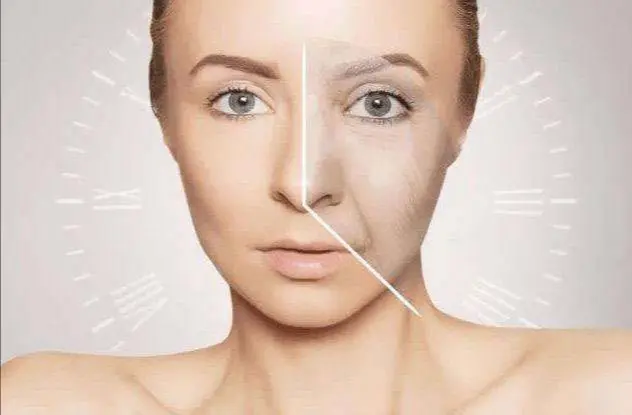
Thanks to its unique targeted transport mechanism, long-lasting antioxidant properties, and multifaceted cytoprotective effects, ergothioneine possesses irreplaceable commercial value within the nutritional health sector and stands as a "rising star with immense potential" in today's growing market. Its core strengths lie in its natural safety, precise efficacy, and broad applicability across various scenarios. It can serve as a core ingredient in premium anti-aging and brain health products—enabling the creation of high-margin offerings—or function as an auxiliary ingredient in mass-market nutritional supplements, thereby reaching a broad consumer base. This versatility provides nutritional health enterprises with diverse strategic options for market positioning.
In terms of market potential, driven by consumers' growing demand for "precision wellness," as well as advancements in extraction technologies and improvements in the regulatory landscape, the market for ergothioneine is poised for continued rapid expansion. Over the next 3 to 5 years, it is expected to transition gradually from a "niche ingredient" to a "mainstream core ingredient," becoming a key source of competitive advantage within the nutritional health industry. This is particularly true in the brain health and liver support segments, where ergothioneine's distinct advantages will become even more pronounced, serving as a critical lever for companies seeking to break through the challenges of product homogenization.
For manufacturers in the nutritional health sector, the keys to successfully commercializing ergothioneine and enhancing market competitiveness lie in precise market positioning, rigorous quality control of raw materials, intensified technological innovation, and a strong focus on regulatory compliance and consumer education. Looking ahead, as scientific research deepens and technologies continue to evolve, ergothioneine is set to play an even more pivotal role in the nutritional health landscape—generating sustained commercial value for businesses while providing consumers with superior, more precise, and natural solutions for health and wellness.
Partner with Gold Herb for Premium Ergothioneine Supply
You can trust Gold Herb to give you good Ergothioneine because they use advanced extraction methods and strict quality control checks. Our new companies make products that are all the same and meet the standards for 65%, 70%, and 85% boswellic acid. There are documents from the FDA, ISO9001, HACCP, Halal, and Kosher that back up these extracts. We've been in business for over three years and have helped over 200 people in 30 different countries. We always have more than a ton of things on hand so that we can ship your order right away, within 24 hours of getting it. We will always be able to come up with new ideas and make better goods because we work together with Academician Li Xiaokun's study team. Email info@newgoldherb.com to tell us about your specific needs, get samples, or find out more about our full customization services, which will save you a lot of money on your recipe needs.

Send Inquiry
Related Industry Knowledge
- What Is Fenugreek? Here Are Its 7 Potential Health Benefits
- Cistanche Tubulosa Extract for Men: Natural Energy, Testosterone & Vitality Boost
- Why Chlorophyllin Is Trending in Skincare and Wellness
- Ergothioneine vs CoQ10: Which Supports Cellular Energy Better?
- When to take saw palmetto powder morning or night?
- How Gymnema Sylvestre Extract Powder Is Used in Weight Management R&D
- Urolithin A: A Breakthrough Ingredient for Mitochondrial Health
- 5-Hydroxytryptophan (5-HTP): Benefits, Applications, and Market Opportunities
- Astaxanthin vs Beta-Carotene: Which Antioxidant Is Better?
- Top Applications of Urolithin A in Nutraceutical and Cosmetic Formulations