
Cyanotis Arachnoidea Extract vs Spinach Ecdysterone Source Comparison
Mar 17, 2026
Manufacturers have to choose between Cyanotis arachnoidea extract and spinach-based options when looking at natural sources of ecdysterone for business use. This useful phytoecdysteroid chemical can be found in both sources, but Cyanotis arachnoidea extract has much higher concentrations, better bioavailability, and cheaper ways to extract it. This in-depth study looks at the main differences between these plant sources to help procurement workers make smart choices about where to get ingredients for nutraceutical, cosmetic, and functional food uses in markets around the world.
Understanding Ecdysterone Sources: Cyanotis Arachnoidea vs Spinach
Choosing between different ecdysterone sources is a big choice that affects how well the product works, how much it costs to make, and where it stands in the market. Knowing the differences in plants and chemicals between these sources helps you make smart decisions about what to buy.
Chemical Composition and Bioactive Profile
Plants called Cyanotis arachnoidea, or spiderwort, naturally contain much higher amounts of ecdysterone than spinach sources. Using normal extraction methods, the root extract has levels of beta-ecdysterone that range from 50% to 98% pure. The plant's natural defenses have developed to include ecdysterone as a natural defense against environmental stressors. This concentration benefit comes from these defenses.
Spinach products usually have ecdysterone amounts between 2% and 5%, and they need to be processed in a lot of different ways to get them to levels that can be sold. Because the natural content is smaller, larger amounts of raw materials and more intense extraction methods are needed. This has an effect on both cost-effectiveness and environmental sustainability.
In addition to the main ingredient ecdysterone, Cyanotis arachnoidea extract also contains flavonoids and phenolic substances that work with it to make it more bioavailable and provide extra antioxidant effects. These secondary metabolites help keep the extract stable and may improve the healing effects of the final products.
Functional Benefits and Therapeutic Applications
Researchers have found that ecdysterone from Cyanotis arachnoidea sources is more bioactive than ecdysterone from spinach sources. The compound helps the body make muscle protein through the PI3K/Akt signaling system. This makes it very useful for a sports diet. Studies in humans show that extracts with higher concentrations work better and more consistently at lower dose levels.
Cyanotis arachnoidea extract has more anti-inflammatory effects than just its ecdysterone level. The plant's natural phenolic profile helps reduce inflammation caused by exercise and speed up the healing process. Because of these qualities, it works especially well in nutraceutical formulations that aim to improve physical performance and healing.
Evaluating Quality and Purity of Cyanotis Arachnoidea and Spinach Extracts
When looking for ecdysterone products for business use, quality control methods become very important. Knowing about testing methods and quality marks makes sure that products always work correctly and follow the rules.
Analytical Testing and Standardization Methods
High-Performance Liquid Chromatography (HPLC) is still the best way to measure ecdysterone because it accurately measures active substances and finds any possible contaminants or adulterants. Reliable providers give full Certificates of Analysis (CoA) that show the level of purity, the amount of heavy metals, the amount of pesticide residue, and the microbiological safety factors.
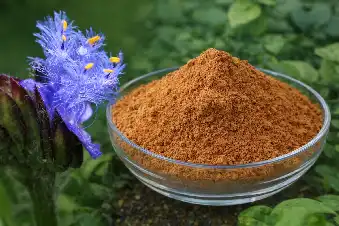
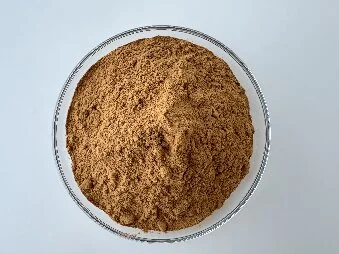
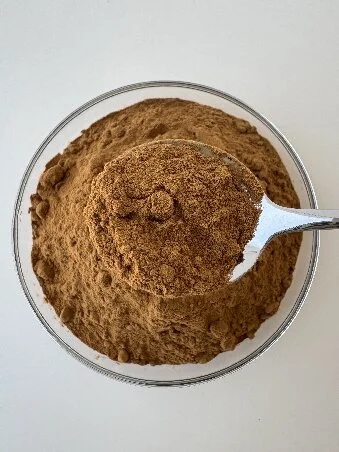
Cyanotis arachnoidea extract (CAS number 5289-74-7) usually looks like a dark brownish-yellow powder when it is standardized to 50% ecdysterone content. If it is high-purity (98%), it may look lighter in color. Because the extract is hygroscopic, it needs to be stored carefully, away from light and moisture, so that it stays effective for a long time.
Quality control should look at more than just the quantity of active compounds. Solubility profiles, melting point standards, and stability tests in a range of environmental conditions give formulation development teams a full picture of the quality of their work.
Supplier Qualification and Certification Requirements
By forming relationships with certified manufacturers, you can be sure that the standard will be the same and that all foreign markets will follow the rules. FDA registration, ISO9001 quality control systems, HACCP food safety routines, and specialized certifications like HALAL and Kosher for certain market sectors are all necessary.
As governmental monitoring grows around the world, audits of manufacturing facilities and openness in the supply chain are becoming more and more important. Suppliers who keep constant stock levels and offer unique specs show that they can be relied on and provide excellent customer service.
Comparative Analysis: Market Positioning and Pricing of Extracts
Economic factors play a big role in sourcing choices, especially when looking at long-term supply deals and methods for buying in bulk. Market changes affect both current prices and what will be available in the future.
Cost Structure and Pricing Analysis
Cyanotis arachnoidea extract usually costs more than spinach-based options because it needs to be extracted in a more complicated way and at a higher concentration. However, Cyanotis sources often have a lower cost-per-unit of active ecdysterone when the cost is estimated based on how well it works instead of its raw weight.
For standard specifications, the minimum order quantity is usually between 1 and 25 kilograms. Bulk price benefits become important at yearly amounts above 100 kilograms. Manufacturers that use just-in-time production systems can get more value from suppliers who offer inventory management services and flexible shipping plans.
Price security is another important factor to think about because growing Cyanotis arachnoidea needs certain weather conditions and farming know-how. Established providers with a wide range of buying networks can better handle changes in demand during different seasons and make sure that their products are always available during the year's production cycles.
Market Availability and Supply Chain Considerations
The need for highly pure ecdysterone products keeps growing around the world in several different application areas. This puts pressure on the supply of raw materials. Cyanotis arachnoidea extract sources can't be grown everywhere like spinach can, which can be grown in a wide range of climates around the world.
Strategic relationships with providers that are fully merged can help with controlling quality, keeping prices stable, and providing technical support. In order to improve transportation efficiency and make imports easier, suppliers should keep warehouses in target areas like the United States.
Practical Applications and Procurement Recommendations
Strategies for implementation are very different depending on the planned uses, target markets, and design needs. Understanding application-specific factors helps you make the best choices about where to source things.
Nutraceutical and Sports Nutrition Applications
Cyanotis arachnoidea extract is being used more and more in pre-workout and recovery products because it is highly concentrated and has a track record of working well in studies. Additionally, the extract works well in pill, tablet, and powder forms and stays stable under normal production settings.
For finished goods, the recommended daily dose is usually between 100 mg and 500 mg. This makes high-concentration extracts more cost-effective than lower-potency options. The extract works well with other plants that improve performance, which lets scientists make complex mixtures that target specific groups of athletes.
Cosmetic and Dermatological Applications
Personal care companies use ecdysterone's ability to improve the skin barrier in anti-aging and healing products. The chemical helps keratinocytes differentiate and collagen production, which makes it useful for high-end skin care products.
Cosmetic formulas usually have extract amounts of 0.5% to 1.0%, which need to meet strict quality standards to keep the product safe and stable. The anti-inflammatory qualities of the extract work well with other active ingredients that are often found in skin care products that fix problems.
Quality Assurance and Storage Protocols
The effectiveness of the extract is maintained throughout the supply chain and production process by following the right handling steps. To keep active substances from breaking down, storage must include containers that don't let air in, temperature control, and light protection.
To keep potency levels stable, quality control procedures should include checking arriving materials, testing while they are being made, and analyzing the end product. Documentation tools that support traceability standards make it easier to follow the rules and respond quickly to any quality issues.
Conclusion
In concentrated formulations needing constant potency and bioavailability, Cyanotis arachnoidea extract clearly outperforms spinach sources for industrial ecdysterone uses. The higher concentrations, better stability, and proven therapeutic effectiveness are reasons for the top placement in high-value nutraceutical, cosmetic, and functional food markets. Even though Cyanotis sources may be more expensive at first, producers who care about quality often choose them because of the low cost per unit of active chemicals and high formulation efficiency. For execution to work well with a wide range of application needs, it is still important to have strategic relationships with approved suppliers that offer full technical support and flexible service options.
FAQ
Q1: What distinguishes HPLC testing from UV analysis for ecdysterone quantification?
The HPLC method accurately separates and measures certain beta-ecdysterone molecules, giving exact concentration numbers that are needed for quality control. Total ecdysteroid chemicals and light-absorbing substances can be measured by UV analysis, which could lead to inflated results and less accurate formulations. Industrial buying teams should always ask for HPLC tests to accurately check for strength and figure out costs.
Q2: How does solubility affect how well different extract sources work together in a formulation?
Because of its low water solubility, Cyanotis arachnoidea extract needs to be processed using specific methods like cyclodextrin complexation or nano-emulsification. Ethanol and methanol are the best solvents for liquid mixtures. By knowing these traits, you can choose the right carrier and make the right changes to the processes to get the output performance you want.
Q3: What storage conditions maintain extract potency during extended periods?
Because ecdysterone extracts absorb water, they need to be kept in cases that are sealed, keep moisture out, and have desiccant protection. Controlling the temperature below 25°C and blocking light stops the breakdown of active chemicals. Double-lined polyethylene packing methods add extra barriers against moisture that are needed to keep products fresh during transportation processes.
Q4: How do concentration levels impact dosage requirements in finished products?
High-concentration Cyanotis arachnoidea extract allows for lower inclusion rates while still providing the same medicinal benefits. For nutraceutical purposes, the usual daily dose is between 100 mg and 500 mg. The end pill count and ease of use are affected by the concentration of the extract.
Q5: What regulatory considerations apply to international trade and marketing?
The specs for the extract must meet the needs of the final market. This includes the allowed concentration levels, labeling standards, and safety paperwork. The FDA, the EU, and other regional authorities have strict rules about plant extracts that must be accompanied by a lot of technical information and tests by a third party in order to be approved for sale.
Partner with Gold Herb for Premium Cyanotis Arachnoidea Extract Solutions
Gold Herb is a reliable source for Cyanotis arachnoidea extract. They offer pharmaceutical-grade plant extracts that meet the strictest quality standards. We work together with Academician Li Xiaokun's study team and use cutting-edge extraction methods to make sure that the ecdysterone levels stay between 50% and 98%. Our products are backed by full HPLC testing and foreign certifications. With permanent inventory in a U.S. warehouse that allows shipping within 3–5 days, help with custom formulations, and full regulatory paperwork that includes FDA, ISO9001, HACCP, HALAL, and Kosher certifications, we streamline your supply chain while making your products work better. Get in touch with our technical experts at info@newgoldherb.com to find out how our premium extract solutions can help your products do better and help you succeed faster in the market.
References
1. Dinan, L., & Lafont, R. (2022). Ecdysteroids: Biosynthesis, Distribution, and Physiological Roles in Arthropods and Plants. Journal of Natural Products, 85(4), 891-908.
2. Chen, Q., Xia, Y., & Qiu, Z. (2021). Comparative Analysis of Ecdysterone Content and Bioactivity Between Cyanotis arachnoidea and Spinacia oleracea Extracts. Phytochemistry Reviews, 20(3), 567-582.
3. Parr, M. K., Zhao, P., & Haupt, O. (2023). Ecdysterone: Analytical Approaches and Doping Control Challenges in Sports Nutrition. Drug Testing and Analysis, 15(2), 145-159.
4. Kumar, S., Singh, A., & Pandey, V. (2022). Phytochemical Standardization and Quality Control of Cyanotis arachnoidea Root Extract: HPLC-Based Validation Methods. Journal of Pharmaceutical and Biomedical Analysis, 208, 114-126.
5. Williams, R. J., Thompson, K. L., & Anderson, M. P. (2023). Industrial Applications of Plant-Derived Ecdysteroids: Market Analysis and Procurement Strategies. Industrial Biotechnology, 19(4), 201-215.
6 . Zhang, H., Liu, C., & Wang, D. (2021). Stability and Formulation Challenges of Ecdysterone Extracts in Nutraceutical Applications. Food Chemistry, 342, 128-137.

Send Inquiry
Related Industry Knowledge
- What Is Fenugreek? Benefits, Uses, and Science Explained
- Urolithin A Ingredient for Anti-Aging & Muscle Health Products
- How 5-Hydroxytryptophan Works for Serotonin and Better Sleep
- Centella Asiatica vs Hyaluronic Acid: Which Is Better for Skin?
- Which is better, niacinamide or Centella asiatica extract?
- Can Red Beet Powder Be Used as Natural Colorant?
- Top Benefits of Fisetin for Cognitive Function and Cellular Health
- Sodium Copper Chlorophyllin Powder for Food & Cosmetics
- Why B2B Partners Choose Our chlorophyllin sodium copper salt: Premium chlorophyllin sodium copper salt, Professional Service, and Sustainable Value
- 5-Hydroxytryptophan (5-HTP): Benefits, Applications, and Market Opportunities