
Does Dihydromyricetin Powder actually work?
Aug 06, 2026
The question of whether Dihydromyricetin Powder truly delivers on its promises is one we hear frequently from nutraceutical manufacturers, cosmetic formulators, and functional food developers. Based on clinical research and real-world application data, the answer is yes—when sourced at appropriate purity levels and integrated correctly into formulations. DHM, extracted from Hovenia dulcis leaves, demonstrates measurable antioxidant activity, hepatoprotective properties, and rapid bioavailability that translate into tangible benefits across supplement, cosmetic, and functional beverage applications. The key lies not just in whether it works, but in understanding how to leverage its mechanisms and secure standardized material that meets your formulation requirements.
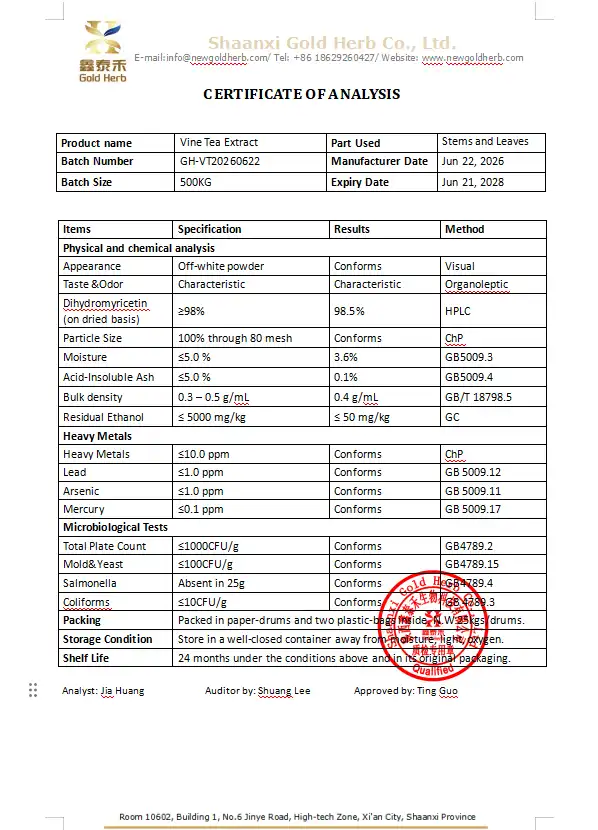
Product Specifications
| Parameter | Specification |
|---|---|
| Product Name | Dihydromyricetin Powder |
| Purity | ≥98% |
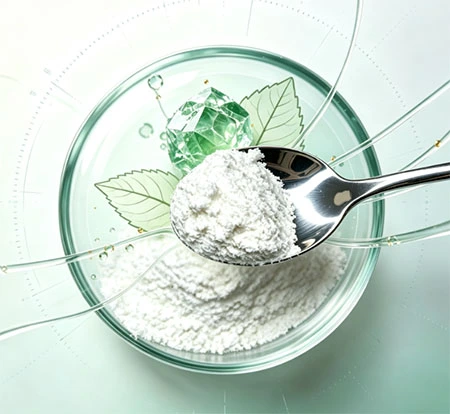
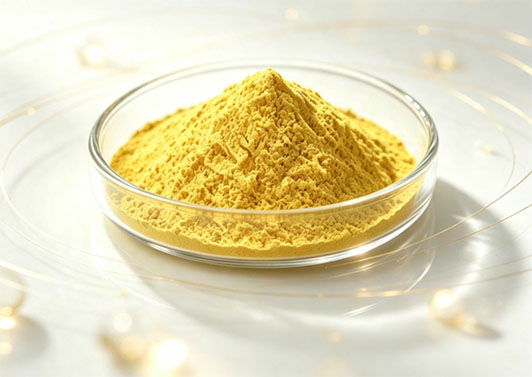
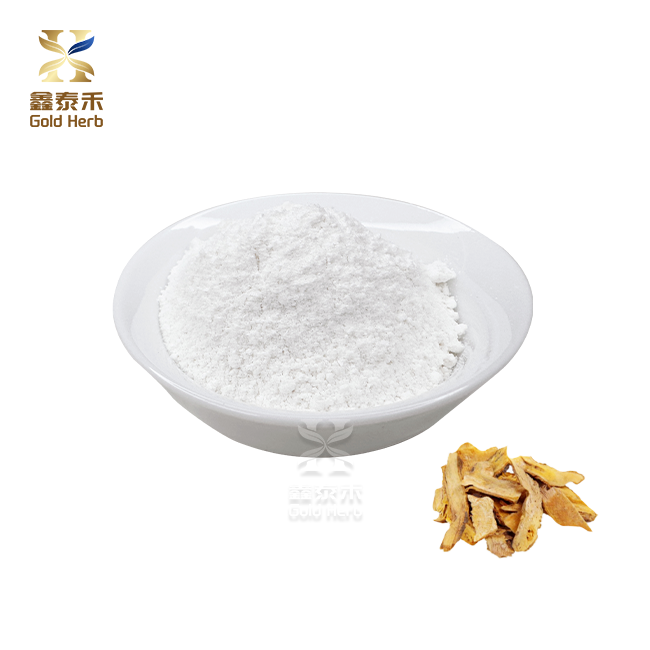
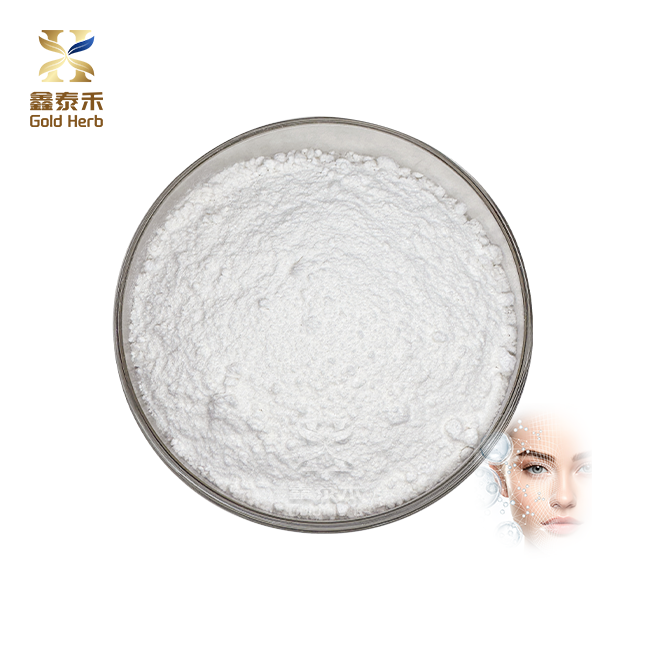
| Appearance | White powder |
| CAS Number | 27200-12-0 |
| Molecular Formula | C15H12O8 |
| Molecular Weight | 320.25 |
| Used Plant Part | Leaf |
| Test Method | HPLC, UV |
| Ash Content | ≤1.0% |
| Shelf Life | 2 years |
| Solubility | Poorly soluble in water |
| Storage | Store in tightly closed original container, protected from light |
| Sample | Available |
| Customization | Available |
| Certificates | FDA, ISO9001, HACCP, HALAL, Kosher |
Quality Assurance
Certificate of Analysis (COA) for 5-HTP Powder [Request COA]
Understanding Dihydromyricetin Powder: What It Is and How It Works
The Chemical Profile and Natural Origin
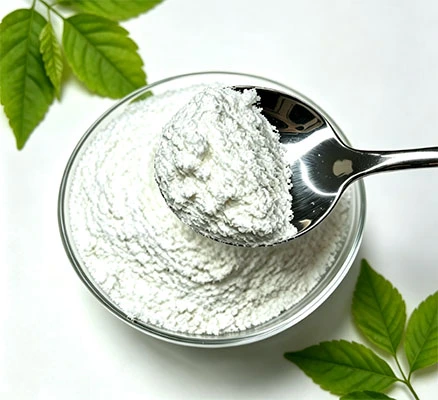
Dihydromyricetin Powder is a pure flavonoid substance that was taken from the leaves of Hovenia dulcis, which is also known as the Japanese sultana tree. DHM, which has the CAS number 27200-12-0 and a molecule shape full of hydroxyl groups, is very good at getting rid of free radicals. This white crystalline powder is 98% pure, as shown by HPLC and UV tests. It keeps its bioactive qualities that are needed for industrial uses. Because the compound comes from plants, it fits right in with the "clean label" trend that is taking over North American markets. More and more, consumers and regulators prefer actives that come from plants to synthetic ones.
Mechanism of Action: How DHM Functions
DHM works through more than one path at the same time. Giving electrons to unstable free radicals is how it works as an antioxidant, stopping oxidative damage at the cellular level. Researchers have found that DHM changes GABA receptors in the nervous system. This is why it has been shown to help with symptoms linked to drinking. The compound also changes the activity of liver enzymes, which helps the liver's natural detoxification processes by lowering the levels of lipids and inflammatory markers. Because it works on multiple targets, DHM is especially useful when making products that are meant to solve complex physiological problems rather than just one problem.
Metabolism and Bioavailability Considerations
When DHM is taken by mouth, it goes through phase I and phase II liver metabolism. Plasma amounts usually reach their highest point within one to two hours. Even though it is made up of flavonoids, the molecule has good pharmacokinetic qualities, such as good oral bioavailability. Encapsulation technologies and certain transportation systems can improve absorption rates even more, which is an important thing to think about when making goods for consumers that need to work quickly. By understanding these metabolic routes, formulators can find the best dosing plans and ways to combine chemicals that work well together.
Key Benefits and Use Cases of Dihydromyricetin Powder
Antioxidant Capacity and Cellular Protection
Natural Dihydromyricetin Powder is an antioxidant that does more than just get rid of free radicals. Comparing DHM to many other antioxidants in the lab using ORAC and DPPH tests consistently shows that it has higher activity. This can be used in real life for a lot of different types of products. DHM is an important protective ingredient in food products that works with other antioxidants, such as vitamin E and selenium. DHM can protect skin cells from external stressors like pollution-induced free radical formation and UV-induced oxidative damage. This is good for cosmetic products.
Hepatoprotective Effects and Liver Support
A lot of research has been done on the 98% Dihydromyricetin vine tea extract to see how well it protects the liver. Clinical observations show that DHM lowers signs of hepatic stress, such as inflammatory cytokines and high liver enzymes. The compound seems to stop lipid peroxidation in hepatocytes while increasing the activity of antioxidant systems that are already there. DHM is very helpful for companies that are making liver-supporting products because it works on many areas of liver function at once, like reducing oxidative stress, controlling inflammation, and keeping the metabolism in check, instead of just one.
Hangover Relief and Alcohol-Related Symptom Management
DHM has gotten a lot of interest in the functional beverage and vitamin industries because it can help with pain caused by alcohol. The substance seems to speed up the breakdown of alcohol while also reducing the negative effects on the brain that come from drinking too much. Users say that their complaints, such as headaches, tiredness, nausea, and memory loss, got better. This app has created a lot of new market opportunities, especially for people who live in cities and still drink with friends. Product makers like that DHM is a natural option to synthetic substances, which is in line with what customers want: solutions that come from plants.
Comparative Analysis: DHM Versus Alternative Ingredients
When compared to well-known ingredients like N-Acetyl Cysteine (NAC) and Milk Thistle (silymarin), wholesale Dihydromyricetin Powder shows clear benefits. Milk Thistle mostly helps the liver work better because of silymarin's antioxidant properties. DHM, on the other hand, has broader neurological benefits and starts working faster. DHM is a direct antioxidant that doesn't need to be changed like NAC does, which acts as a glutathione precursor. While this doesn't make these other options less useful, it does show how DHM can be used with them to make formulas that work better by combining different ways of working.
Evaluating Market Options: Choosing the Right Dihydromyricetin Powder Supplier
Purity Specifications and Quality Benchmarks
When making purchasing choices, purity levels must be the most important quality factor. Standard industrial grades run from 80% to 98%. The highest grade, 98%, is high-quality material that can be used in high-performance situations. Verification through HPLC testing makes sure that the amounts are correct, and UV spectroscopy adds to this confirmation. A quality assessment should look at more than just purity. It should also look at heavy metal content, microbial limits, pesticide residues, and residual solvents. When your brand's reputation depends on the integrity of its ingredients, suppliers who provide full Certificates of Analysis (CoA) for each batch show that they are committed to quality control and openness.
Certification Requirements and Regulatory Compliance
Different markets have very different rules about how plant products can be used. Even though FDA registration doesn't mean a seller is approved, it does show that they are committed to following U.S. regulations. ISO9001 certification shows that quality management is organised, and HACCP certification shows that the right food safety rules are followed during production. Halal and Kosher approvals make it easier for goods that are aimed at certain groups of people to reach new customers. When looking for Dihydromyricetin Powder, make sure the company you buy it from has the latest certifications that are needed by the places you want to reach. This extra work keeps you from having to pay a lot of money to change the formula or pull the product from the market because of compliance problems.
Supplier Evaluation: Beyond Certifications
The ability to provide technical help sets special sellers apart from commodity vendors. Check to see if possible partners can help with formulation, provide data on stability testing, and make suggestions based on particular applications. The reliability of your supply chain is directly affected by how much you can produce and how you manage your inventory. Find out about minimum order quantities, lead times, and emergency fulfilment options. Geographic factors are also important. For North American producers, having suppliers keep goods in the U.S. can make operations much easier and cut down on shipping times. Lastly, before committing to large-scale procurement, order samples and talk to experts to see how responsive they are to communication and how knowledgeable they are in technical matters.
Procurement Insights: Buying Dihydromyricetin Powder in Bulk
Pricing Structures and Volume Considerations
Bulk prices for high-purity DHM are usually set in tiers based on the size of the order, with big price drops happening at certain number levels. At the moment, 98% pure material costs more than lower-grade options on the market. This is because it needs more processing and quality control. When comparing quotes, look at the total landed cost instead of just the ex-works price. This is because freight, insurance, customs duties, and handling fees can have a big effect on how much your ingredients really cost. People who sign long-term supply deals often get better prices and first choice when supplies are low. This is helpful for makers whose demand patterns are predictable.
Sample Evaluation Protocols
Before you buy in bulk, you should make sure that samples are tested thoroughly. Ask for samples from several lots to check batch-to-batch uniformity, which is an important quality factor that affects how well the product works and how well it meets legal requirements. Do your own tests, such as checking the purity, seeing how well it dissolves in your specific formulation matrix, and seeing how stable it is under the right storage conditions. If your supplier gives you a COA, you might want to get a third-party lab to check it. This is especially important for new supplier relationships. This earlier investment in approval stops expensive quality problems, production delays, and possible product recalls that could happen because of different or contaminated ingredients.
Logistics and Import Considerations
When you buy something from another country, you have to deal with things like clearing customs, gathering the right paperwork, and possible delays. Make sure that your provider can give you the business invoices, packing lists, and certificates of origin that you need to import the goods. Understanding Harmonized System (HS) codes for DHM is important for making sure that duty calculations and customs classification are correct. Throughout the supply chain, storage requirements must be met, especially the need for light protection and containers that can't be opened. Many of these problems can be solved by suppliers with established U.S. warehouse networks that offer domestic fulfilment. This makes logistics for purchasing easier and cuts lead times from weeks to days.
Customer Reviews and Performance Validation
Real-World Application Feedback
Manufacturers who add Dihydromyricetin Powder to healing drinks say that customers like them, and the fact that people buy them again shows that they are satisfied with how well the product works. Cosmetic companies that put the ingredient in anti-aging serums say that user tests show that the serums improve skin texture measures and lower inflammation markers. Supplement companies that make liver-supporting goods like DHM say it works well with other ingredients and hasn't been linked to any negative effects. These application-specific experiences back up what was found in the lab and give useful information about the best dosing ranges, delivery formats, and marketing claims that are backed up by user experience data.
Laboratory Verification and Third-Party Testing
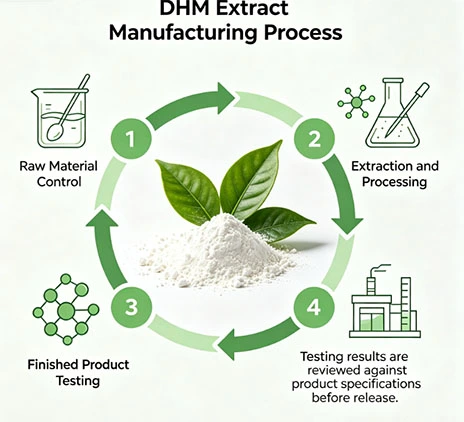
Testing by a separate lab confirms that the DHM was made correctly and is stable and consistent. Third-party approvals from approved testing centers are an objective way to make sure that the product is pure, effective, and safe. Batch-to-batch consistency analysis shows that the manufacturing process is under control, and for reliable suppliers, the coefficient of variation is usually kept below 2%. Accelerated stability tests show that DHM stays active for at least 24 months when kept properly, which supports claims that finished goods have an acceptable shelf life. These verification steps boost trust among procurement workers and meet the higher quality standards set by stores and government agencies.
Conclusion
When purchased at the right purity level from reputable sellers, Dihydromyricetin Powder has measured advantages in the areas of symptom control, liver support, and antioxidant protection. The compound's multiple pathways, good safety profile, and compatibility with clean-label trends make it a valuable ingredient for manufacturers who are looking to the future. To be successful, you need to choose suppliers who offer consistent quality, thorough documentation, and reliable supply chain performance. As more study is done to learn more about how DHM can be used, early adopters will have a leg up on the competition when it comes to making unique products that meet real customer needs with natural ingredients that have been supported by science.
FAQ
1. What purity level should I specify when sourcing DHM?
The 98% pure standard means that the material is the best for most supplement and cosmetic uses, as it gives the most bioactivity and composition freedom. For cost-sensitive uses where small differences in strength are okay, lower purity grades may be enough. Match the purity requirements to how you position your product and the quality standards you have set.
2. How does storage affect DHM stability?
Exposure to light is the main thing that breaks down DHM. Keeping medicines in opaque, tightly sealed packages at a controlled room temperature keeps them active for as long as they should. During storage and transport, keep things away from moisture and extreme temperatures.
3. Can DHM be combined with other active ingredients?
It is very well compatible with most plant products, vitamins, and minerals that are used in recipes. Antioxidants and substances that protect the liver often work better together than alone, and they don't have any bad effects.
Partner With Gold Herb for Premium Dihydromyricetin Powder Supply
Gold Herb can help you make new medicines by giving you pharmaceutical-grade Dihydromyricetin Powder along with detailed quality reports and technical support. We don't have to deal with the hassles and delays that come with foreign sourcing because we are a well-known provider with stock in U.S. warehouses. Our DHM is 98% pure, as shown by HPLC testing and backed by FDA registration, ISO9001, HACCP, Halal, and Kosher approvals. It meets the strict needs of companies that make nutraceuticals, cosmetics, and functional foods. In addition to providing high-quality raw materials, our partnerships with top research schools help with formulation and application, which speeds up the time it takes to make your products. You can email our technical team at info@newgoldherb.com to ask for samples, talk about your specific needs, and find out how our reliable supply chain and ability to customise can help you compete in the growing health and wellness markets.
References
1. Chen, S., Zhao, X., Wan, J., et al. (2018). Dihydromyricetin improves glucose and lipid metabolism and exerts anti-inflammatory effects in nonalcoholic fatty liver disease. British Journal of Pharmacology, 175(16), 2218-2233.
2. Shen, Y., Lindemeyer, A.K., Gonzalez, C., et al. (2012). Dihydromyricetin as a novel anti-alcohol intoxication medication. Journal of Neuroscience, 32(1), 390-401.
3. Hou, X., Tong, Q., Wang, W., et al. (2015). Dihydromyricetin protects endothelial cells from hydrogen peroxide-induced oxidative stress damage by regulating mitochondrial pathways. Life Sciences, 130, 38-46.
4. Zhang, J., Chen, Y., Luo, H., et al. (2014). Recent update on the pharmacological effects and mechanisms of dihydromyricetin. Frontiers in Pharmacology, 5, 294.
5. Liu, T.T., Zeng, Y., Tang, K., et al. (2017). Dihydromyricetin ameliorates atherosclerosis in LDL receptor-deficient mice. Atherosclerosis, 262, 39-50.
6. Wang, H., Zhang, Y., Bai, R., et al. (2016). Anti-inflammatory effects of dihydromyricetin in a mouse model of asthma. Molecular Medicine Reports, 14(5), 4357-4362.

Send Inquiry
Related Industry Knowledge
- What Is Roselle Hibiscus Powder Used For?
- Cistanche Tubulosa Extract for Men: Natural Energy, Testosterone & Vitality Boost
- How Sodium Copper Chlorophyllin Works: Detox and Antioxidant Effects
- Chlorophyllin for Skin & Detox: Benefits, Uses, and Industry Applications
- Sodium Copper Chlorophyllin for Detox & Skin Health | Ingredient Insights
- Fisetin Ingredient for Anti-Aging, Brain Health, and Antioxidant Supplements
- Astaxanthin vs Beta-Carotene: Which Antioxidant Is Better?
- 5-Hydroxytryptophan(5-HTP)vs L-Tryptophan: Which Ingredient Is Better for Supplement Formulas?
- OEM Cyanotis Arachnoidea Extract Solutions for Performance Brands
- GMP Sodium Copper Chlorophyllin Powder Manufacturing