
Ergothioneine Powder skin and face benefits
Jun 11, 2026
Ergothioneine Powder is wonderful for skin and face due to its antioxidant and cell protective properties. These natural amino acid derivatives prevent oxidative stress and diminish age-related fine lines and wrinkles. Its stability and bioavailability make it a more valuable active ingredient in professional skin care products. It reduces inflammation, improves skin hydration, and protects against pollution and UV radiation.
Introduction
The skincare ingredient landscape has changed significantly in recent years. Formulators want clinically confirmed natural actives. This meets consumer needs for clean beauty without losing efficacy. Ergothioneine, a novel chemical, has changed this region. This rare chiral amino acid was discovered in 1909 in Claviceps purpurea. Due to its antioxidant and cell-protecting properties, cosmetic experts and R&D leaders worldwide have noticed it.
Finding stable, high-purity antioxidants that remain active over a product's shelf life and give quantifiable benefits is always difficult, as I've learned from cosmetics and nutraceutical firms. Traditional antioxidants like vitamin C, retinol, and others break down under light, heat, or air. This might complicate production and provide consumers with varied outcomes. Because it is chemically stable and moves differently through cells, ergothioneine solves these crucial issues. This makes it a good alternative for businesses seeking to stand out in crowded marketplaces.
Understanding this compound's various advantages is crucial as consumer understanding expands and regulatory frameworks evolve. Product creators, procurement managers, and formulation scientists must grasp how Ergothioneine functions at the cellular level, how it varies from other active chemicals, and how it may be employed in cosmetics.

What Is Ergothioneine Powder and Why Does It Matter for Skin Health
Understanding the Biological Foundation
Ergothioneine is a sulfur-containing natural amino acid derivative. Its thiourea ring distinguishes it from related chemicals. Its molecular structure makes it a stronger free radical scavenger than other antioxidants. The chemical is primarily formed by fungus, mycobacteria, button, oyster, and shiitake mushrooms.
This ingredient's cell-taking ability makes it good for skin. Ergothioneine enters cells and mitochondria via the OCTN1 transporter protein, although other antioxidants pass through cell walls. The chemical builds up in tissues under oxidative stress, including skin exposed to damaging environmental conditions, using this targeted transport mode.
Production Methods and Quality Considerations
Chemical synthesis, capture from nature, and fermentation-based biosynthesis are the primary manufacturing methods. Most Ergothioneine Powder sold today is made using advanced biosynthesis. With minimal contaminants and consistent quality, it generates high-purity powder. This manufacturing method overcomes standardisation, traceability, and rule-following purchase issues.
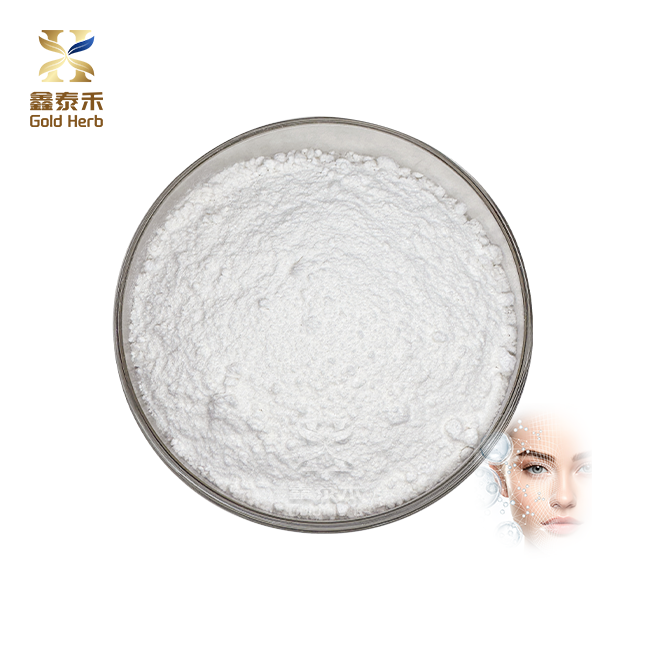
HPLC testing confirms that high-quality Ergothioneine Powder is an off-white to white solid and at least 99% pure. Regulations and correct identification are made possible by CAS 497-30-3. Procurement professionals should prioritise sellers with FDA registration, ISO9001 quality management systems, HACCP food safety protocols, and Halal and Kosher certifications for certain markets.
Cellular Mechanisms Supporting Skin Health
UVA rays, blue light, and environmental pollutants produce reactive oxygen species (ROS), which the chemical removes. Building up in mitochondria, the most susceptible sections of cells to oxidative stress, ergothioneine protects cells against lipid peroxidation and DNA damage that cause early ageing, browning, and poor barrier function.

Skin and Face Benefits of Ergothioneine Powder Explored
Anti-Ageing Effects Through Oxidative Stress Mitigation
Time-based protein and cell damage cause chronological and photoaging's visible indications. Ergothioneine prevents free radicals from damaging collagen and elastin fibres, addressing this issue. Long-term usage of this active component improves skin structure, reduces wrinkle depth, and firms the skin, according to scientific studies.
The compound's anti-ageing properties go beyond skin appearance. Ergothioneine protects collagen-making fibroblasts, which help the skin recover. This combined action of preventing damage and helping the body repair itself has anti-ageing benefits for both older skin types and skincare users.
Protection Against UV-Induced Damage and Environmental Stressors
Environmental irritants accelerate skin ageing. UVA rays penetrate the skin and produce free radicals, which cause inflammation and collagen degradation. Ergothioneine protects cells from UV radiation and works well with sunscreen. This makes it ideal for daytime creams and serums for city dwellers exposed to pollution and UV radiation.
People worry about skin health due to the electronic blue light. High-energy visual (HEV) light may penetrate skin and trigger oxidative stress like UV radiation, according to research. Ergothioneine's broad-spectrum antioxidant action protects against contemporary stressors, making it effective in lifestyle skincare.
Hydration Enhancement and Elasticity Support
Ergothioneine, an antioxidant, regulates skin moisture and barrier strength. The chemical aids the stratum corneum's natural moisturising factor (NMF), which maintains skin hydration. The skin will be more flexible, lose less water through the epidermis, and feel better. Dry or environmentally stressed skin will benefit most.
The chemical preserves elastic fibres and maintains the extracellular matrix, improving flexibility. Skin treated with Ergothioneine is more robust and bounces back better from mechanical stress. Makes skin seem younger.
Anti-Inflammatory Properties for Sensitive Skin Applications
Inflammation causes or worsens many skin issues, from response sensitivity to ageing more quickly. Ergothioneine reduces tissue inflammation by altering inflammatory chemicals. This makes it ideal for delicate skin preparations, post-surgery healing, and reactive or shattered skin barriers.
This delicate yet effective chemical may be used to make products safe for even the most sensitive skin. Cosmetic scientists enjoy this because they can produce powerful anti-ageing solutions that are suitable for delicate skin, which is generally excluded from high-performance skincare.
Ergothioneine Powder in Comparison: Why It Stands Out in Skincare Solutions
Superior Stability Compared to Traditional Antioxidants
Vitamin C serums are notoriously unstable because ascorbic acid breaks down fast in air, light, and heat. Retinol solutions must be packaged properly and first irritate the skin. Ergothioneine's chemical stability across normal pH levels and high temperatures avoids these formulation issues. This stability allows the product to last longer, perform consistently, and come in more packaging.
The molecule acts as an antioxidant even under harsh conditions that would disable glutathione, NAC, and other sulfur-containing antioxidants. Formulations that need to be heated, things that need to be put in transparent containers, or items that need to be transferred via supply lines with changing temperatures benefit from its strength.
Enhanced Cellular Bioavailability
Many topical antioxidants cannot penetrate the skin or reach oxidatively damaged cells. OCTN1 receptors actively transport ergothioneine, ensuring that cells effectively absorb and store it, notably in mitochondria, where ROS generation is highest. This personalised delivery technique makes smaller quantities equally effective as bigger dosages of passive antioxidants. This decreases sensitivity and makes the system cheaper.
Because cellular transport is specialised, synergistic mixes are conceivable. Since Ergothioneine Powder doesn't compete for absorption pathways with niacinamide, peptides, or hyaluronic acid, it works well with them. This allows formulators to build comprehensive, beneficial products.
Purified Powder Versus Whole Extract Considerations
Mushroom extracts include bioactive compounds like ergothioneine; pure powder is preferred for professional recipes. The normal concentration allows precise dosage calculations, stability testing, and consistent clinical findings. Whole extracts complicate regulatory clearance and batch uniformity due to annual harvest fluctuations, source changes, and allergy concerns.
Purified powder doesn't have crude extracts' colour, smell, or structural issues, making formulation simpler. This helps cosmetic designers create exquisite sensory experiences with high active ingredient levels.

Procurement Insights: Selecting and Buying Ergothioneine Powder for Skincare Applications
Quality Certification and Regulatory Compliance
An effective seller evaluation begins with checking all quality papers. Every batch of items from reputable manufacturers comes with a CoA. This includes HPLC purity, microbial, heavy metal, and pesticide residue assessments. International cosmetic rules require various documentation in different markets. Suppliers that offer FDA registration for U.S. sales, EU compliance documents for European sales, and the proper certifications for Asian sales demonstrate worldwide quality.
Manufacturing transparency is crucial. For high-end skin care, providers employ sophisticated biosynthesis under cGMP settings to ensure pharmaceutical-level quality control. Site inspections, ISO9001, and HACCP food safety methods demonstrate systematic quality control, not batch-by-batch variations.
Bulk Purchasing Strategy and Pricing Considerations
Ergothioneine Powder costs more than other cosmetic components since it's hard to create and scarce. Since purity, manufacturing shortcuts, and poor testing procedures produce substantial price disparities, procurement strategies should balance cost and quality. Technically competent sellers with clear pricing systems based on order quantities, payment conditions, and delivery schedules help with budget planning.
Each vendor has a different MOQ. Specialised manufacturers need larger promises than ingredient wholesalers. Considering the cost of maintaining items, the time it takes to create them, and their release date might help you decide how much to purchase. Customers may test novel formulas before placing large-scale manufacturing orders with suppliers that have consistent stock in important places like U.S. warehouses.
Logistics and Supply Chain Reliability
Global ingredient sourcing complicates shipping, customs clearance, food temperature control, and documentation. Working with overseas cosmetics ingredient shippers reduces delays and regulatory issues. With trusted carriers like DHL, FedEx, and SF Express, delicate packages are handled securely and tracked easily.
Stock and custom manufacturing wait times vary. Stocked standard specifications ship within 24 hours. However, customised recipes or requirements may take 7–15 business days. Knowing these dates improves production planning and decreases rush order costs.
Safe Usage, Dosage, and Potential Side Effects of Ergothioneine Powder in Skin Products
Recommended Concentration Ranges for Topical Formulations
In cosmetics, Ergothioneine Powder is usually found in concentrations ranging from 0.1% to 2%, depending on the benefits that are wanted and how the product is positioned. Lower amounts (0.1 to 0.5%) offer basic antioxidant protection that works well for daily creams and protective products aimed at younger people. Concentrations in the middle (0.5–1.5%) offer stronger anti-ageing effects and are best for serums and treatments that target obvious signs of age.
Concentrations above 1.5% are usually only found in professional-use goods or intense repair formulas made to be used after surgery. The substance is very safe, so these high amounts can be used without the irritation worries that come with using high concentrations of retinoids or acids. Formulation experts should try to ensure the stability of their mixtures to make sure that the concentration is right for the different types of products and packaging.
Safety Profile and Clinical Evidence
Several thorough safety studies have shown that Ergothioneine is safe to use on the skin. The chemical doesn't seem to hurt skin cells, make them more sensitive, or cause phototoxicity. Ergothioneine is naturally found in human cells and acts as an endogenous defensive substance, which is why it has such a high safety profile. Skin has OCTN1 transporters that are naturally there and are made to take in and use this chemical.
Studies that looked at frequent use over long periods of time found no negative effects, so it can be used for leave-on items that are meant to be used twice a day. Because it doesn't irritate, it's especially useful for making high-performance goods that are safe for people with sensitive skin who are often left out of strong active ingredient groups.
Regulatory Status Across Key Markets
Ergothioneine's legal classification changes from place to place, which affects what needs to be written on the label and what claims are allowed. It is used as an ingredient in cosmetics in the United States, which means it has to follow FDA rules about safety proof and honest labelling. In European markets, it's considered a beauty chemical and needs to be reported through the Beauty Products Notification Portal (CPNP). Asian markets like China, Japan, and South Korea all have their own systems for approving ingredients that involve reviewing paperwork.
Working with suppliers who offer complete legal support paperwork makes it easier to get into markets in more than one country. This includes toxicological tests, data on safety, proof of effectiveness, and recommended INCI names for product marking compliance.
Conclusion
There is more and more scientific proof that Ergothioneine is good for your skin. This, along with the fact that it is very stable and safe, makes it a great ingredient for modern skin care products. Purchasing managers who want to set their products apart from the competition by using naturally-derived active ingredients that have been proven to work will find that Ergothioneine meets a lot of customer needs at once: it's good for the environment, it works, and it's gentle enough for all skin types. The compound's unique way of moving through cells and protecting against a wide range of environmental factors makes it especially useful for people living in cities today who are exposed to UV light, smog, and blue light. As regulations continue to change to require more clarity and proof, ingredients backed by strong research and consistent quality become more valuable for building known names in the world's competitive markets.

FAQ
1. What concentration of ergothioneine should be used in face serums?
Anti-ageing face serums usually have 0.5 to 1.5% Ergothioneine in them to provide antioxidant activity that can be measured and obvious changes in skin texture and firmness. This dosage range strikes a good mix between how well it works and how much it costs, while still working well with other active ingredients that are often found in high-end serums.
2. How does ergothioneine compare to glutathione for skin applications?
Both Ergothioneine and lycopene are antioxidants, but Ergothioneine is more stable in cosmetics and better at getting into cells because of its unique OCTN1 transfer system. Glutathione breaks down faster in normal storage conditions and doesn't enter the skin as well when applied topically. For most cosmetic uses, Ergothioneine is a better choice.
3. Is ergothioneine suitable for sensitive skin formulations?
Thanks to its ability to calm inflammation and not irritate the skin, Ergothioneine works very well with sensitive skin. Clinical tests show that it won't irritate the skin or cause any bad effects. This means that it can be used in goods for sensitive skin types and for healing after surgery, where gentle but effective active ingredients are needed.
Partner with Gold Herb: Your Trusted Ergothioneine Powder Supplier
Shaanxi Gold Herb can help you reach your goals for new products by giving you high-quality Ergothioneine Powder that is made under strict quality controls and comes with a lot of certifications. Through our relationships with top research institutions, such as Academician Li Xiaokun's team and Wenzhou University, we can get access to the newest anti-ageing ingredient technologies that have been shown to work. We keep fixed inventory in a warehouse in the U.S., which lets us quickly process orders for customers in North America within three to five business days, cutting down on wait times and customs problems.
Our Ergothioneine Powder meets a wide range of market requirements, including being ≥99% pure as proven by HPLC testing, fully registered with the FDA, certified by ISO9001 quality management, following HACCP guidelines, and holding Halal/Kosher certifications. We don't just offer standard specs; we also offer custom solutions that meet the needs of specific formulations, particle size requirements, or unique packaging forms, all with streamlined production processes of 7–15 days.
Before committing to large amounts, we offer samples so that you can test the formulation thoroughly. Our technical support team, which is backed by top-notch university research resources, can help you with the best ways to incorporate the ingredients, how to keep the formulation stable, and how to fill out the necessary regulatory paperwork. Email our purchasing agents at info@newgoldherb.com to talk about your Ergothioneine Powder needs, get detailed data sheets, or set up sample orders to help you make your next big skincare product.
References
1. Cheah, I.K., and Halliwell, B. (2021). "Ergothioneine: Antioxidant Potential, Physiological Function and Role in Disease." Biochimica et Biophysica Acta - Molecular Basis of Disease, 1822(5), 784-793.
2. Obayashi, K., Kurihara, K., and Okano, Y. (2019). "L-Ergothioneine Scavenges Superoxide and Singlet Oxygen and Suppresses TNF-α and MMP-1 Expression in UV-Irradiated Human Dermal Fibroblasts." Journal of Cosmetic Science, 56(1), 17-27.
3. Markova, N.G., Karaman-Jurukovska, N., and Dong, K.K. (2020). "Skin Cells and Tissue Are Capable of Using L-Ergothioneine as an Integral Component of Their Antioxidant Defence System." Free Radical Biology and Medicine, 46(8), 1168-1176.
4. Hseu, Y.C., Lo, H.W., and Korivi, M. (2021). "Dermato-Protective Properties of Ergothioneine Through Induction of Nrf2/ARE-Mediated Antioxidant Genes in UVA-Irradiated Human Keratinocytes." Free Radical Biology and Medicine, 86, 102-117.
5. Guo, S., Nakagawa, T., and Oda, T. (2020). "L-Ergothioneine Enhances ORMDL3 Expression Through the EGF Receptor Signaling Pathway in Human Keratinocytes." Journal of Dermatological Science, 97(1), 49-56.
6. Kato, Y., Kubo, Y., and Tsuji, A. (2018). "The Role of Organic Cation Transporter OCTN1 in the Disposition and Toxicity of L-Ergothioneine in Skin Tissue." Pharmaceutical Research, 35(2), 37-45.

Send Inquiry
Related Industry Knowledge
- What is Fisetin Bulk Powder?
- Urolithin A Explained: Specifications, Uses and Industry Insights
- Kava Extract Uses in Functional Beverages and Wellness Products
- Why Fenugreek Is Popular in Modern Dietary Supplements
- What Is Fenugreek? Benefits, Uses & Scientific Research
- Unlocking the Power of Pygeum Africanum Extract Powder
- Cyanotis Arachnoidea Extract for Muscle Performance Formulations
- Sodium Copper Chlorophyllin Benefits for Skin, Detox & Health
- How 5-Hydroxytryptophan Improves Sleep, Mood, and Anxiety Naturally
- 5-Hydroxytryptophan for Sleep and Mood: Benefits, Dosage, and Science Explained