
What Is Fenugreek? Benefits, Uses & Scientific Research
May 11, 2026
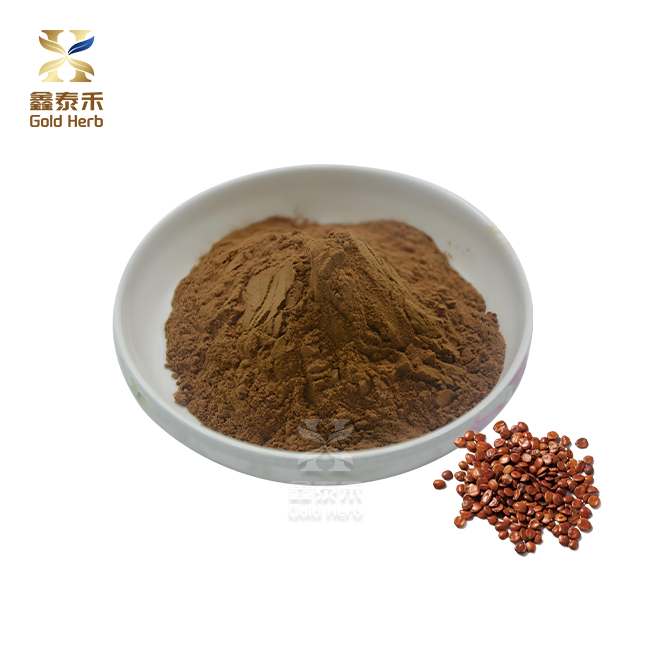
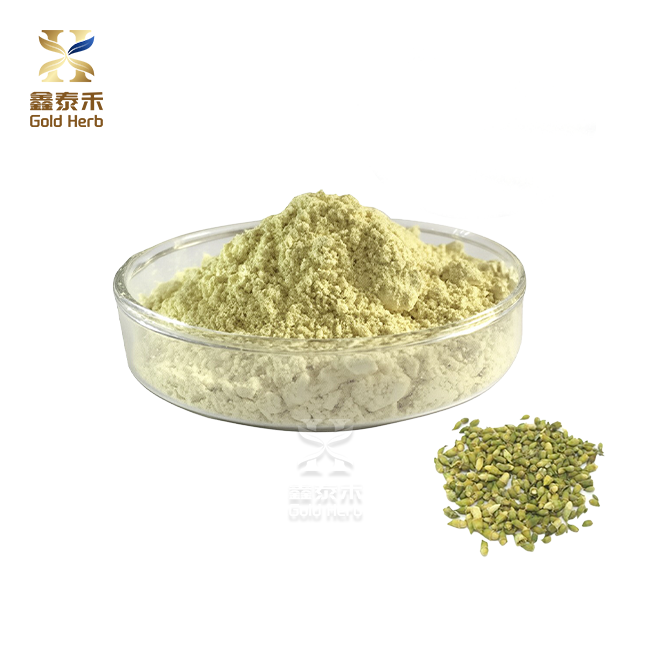
Fenugreek (Trigonella foenum-graecum), known as 胡芦巴 (Hú Lú Bā) in Chinese medicine, is a versatile herb with a rich history spanning continents. Its small, amber-colored seeds—with a distinct maple syrup aroma—are used as a spice, tea, and supplement. While traditional medicine has long valued it for everything from digestive health to lactation support, modern science is now validating its role in blood sugar management and hormonal balance.
This guide breaks down the evidence behind the hype, separating proven benefits from preliminary findings.

What Is Fenugreek?
Fenugreek is an annual plant belonging to the legume family (Fabaceae), native to the Mediterranean and Asia. It's a true "dual-use" herb:
Culinary Use: The seeds are a staple in Indian, Middle Eastern, and North African cuisines (e.g., in curries and spice blends like methi). The leaves are also used as a fresh or dried herb.
Medicinal Use: In Ayurveda and TCM, it's classified as a "warming" herb used to tonify the kidneys, alleviate cold pain, and support metabolic health.
The primary bioactive compounds responsible for its effects include galactomannan (a soluble fiber), 4-hydroxyisoleucine (which influences insulin), and saponins (which may affect hormone metabolism).

Evidence-Based Benefits: What Does the Science Say?
Research on fenugreek has accelerated in recent years, with several areas showing promising clinical results.
1. Blood Sugar Regulation (Diabetes Support)
This is one of the most robustly studied applications. Fenugreek's high soluble fiber content slows carbohydrate absorption, while 4-hydroxyisoleucine appears to enhance insulin sensitivity.
Evidence: A 2024 meta-analysis of 12 studies concluded that fenugreek significantly reduces fasting blood glucose and HbA1c (a long-term marker of blood sugar control) in type 2 diabetics.
Takeaway: It shows real promise as a complementary therapy for glucose management.
2. Lactation Support (Breast Milk Production)
This is a cornerstone of traditional use. Many lactation consultants recommend fenugreek to help increase milk supply.
Evidence: While clinical trials are often small, a 2018 meta-analysis found that fenugreek consumption significantly increased milk volume in several studies. The mechanism is thought to be related to its phytoestrogen content stimulating sweat and mammary glands.
Note: Always consult a doctor before using during breastfeeding.
3. Menopausal Symptom Relief
Emerging research suggests specific extracts may help balance hormones during menopause.
Evidence: A 2020 randomized controlled trial found that postmenopausal women taking 500 mg/day of a standardized seed extract experienced significant reductions in hot flashes, night sweats, and mood swings, alongside improved estrogen levels.
Takeaway: It appears to act as a phytoestrogen, offering a natural alternative for symptom management.
4. Testosterone & Male Vitality
Fenugreek is a popular ingredient in "testosterone boosters," but the evidence is more nuanced.
Evidence: Studies (often industry-funded) show it can improve libido and subjective feelings of "energy" and mood. However, increases in actual serum testosterone levels are less consistent. It may work by inhibiting the conversion of testosterone to estrogen or by improving overall vitality rather than acting as a direct hormone replacement.
5. Digestive & Anti-Inflammatory Support
The fiber in fenugreek aids digestion and can relieve constipation. Its antioxidant compounds (flavonoids and saponins) also exhibit anti-inflammatory properties in lab studies, though human clinical data is still growing in this area.

Common Uses & How to Take It
|
Form |
Typical Use |
Notes |
|
Whole Seeds |
Soaked, sprouted, or ground into spice blends. |
Soaking reduces bitterness. Great for digestive health. |
|
Powder |
Encapsulated or stirred into water/smoothies. |
Standard dose: 5–10 grams per day. |
|
Extract/Tea |
Liquid extracts or tea bags. |
More concentrated; often standardized for specific benefits (e.g., lactation). |
|
Topical |
Poultices or gels for skin inflammation. |
Used traditionally for localized pain or swelling. |
Typical Dosage Ranges:
General Health/Blood Sugar: 5–15 grams of powdered seed daily.
Lactation: Often dosed at 1–4 grams, 3 times daily.
Standardized Extract: Follow product labels (e.g., 500 mg/day for menopausal support).
Safety, Side Effects & Interactions
Fenugreek is generally safe in culinary amounts and moderate supplemental doses, but it has important contraindications.
Common Side Effects: Due to its high fiber content, it can cause digestive upset (gas, bloating, diarrhea) when starting. It may also impart a maple-like odor to sweat and urine.
Pregnancy: Contraindicated. It has uterine-stimulating properties and should be avoided during pregnancy due to the risk of inducing contractions.
Medical Conditions: People with allergies to peanuts or chickpeas (legume family) should be cautious. Those with hormone-sensitive cancers should consult a doctor due to its phytoestrogen content.
Drug Interactions: May interact with blood thinners (like Warfarin) and diabetes medications (potentially causing hypoglycemia). Monitor blood sugar closely if combining with insulin or metformin.

The Bottom Line
Fenugreek is more than just a kitchen spice. It's a scientifically-backed supplement for:
Adults with Type 2 Diabetes looking for natural glucose support (alongside diet and medication).
Breastfeeding Mothers needing to boost milk supply (under medical guidance).
Women in Menopause seeking relief from hot flashes.
However, it is not a magic bullet. Its effects on testosterone are often overstated, and its safety profile demands caution during pregnancy and with certain medications. As with any potent herb, consult a healthcare provider before starting supplementation, especially if you have underlying health conditions.
Contact our team at info@newgoldherb.com or visit newgoldherb.com to explore how our fenugreek powder supplier services can enhance your product portfolio and accelerate market success.

Send Inquiry
Related Industry Knowledge
- What Is Ashwagandha? Uses, Benefits & Science Explained
- Top Urolithin A Benefits for Muscle, Energy, and Anti-Aging
- Berberine HCL powder: The Natural Compound Backed by Science
- The Key Health Benefits of Urolithin A You Should Know About
- Ergothioneine vs Astaxanthin: Which Antioxidant Is Stronger?
- How 5-Hydroxytryptophan (5-HTP) Supports Serotonin Levels Naturally
- MCT Oil: The Science Behind Its 7 Biggest Health Claims
- Fisetin Ingredient for Anti-Aging, Brain Health, and Antioxidant Supplements
- Sodium Copper Chlorophyllin vs Chlorophyll: Key Differences Explained
- Best Fisetin Powder for Senolytic Research in 2026